Discover insights about this artwork
The Virgin of the Rocks — History & Facts
In The Virgin of the Rocks, Leonardo da Vinci presents a striking composition featuring the Virgin Mary, the Christ Child, and John the Baptist. The figures are set against a dramatic rocky landscape, with soft, muted colors that create a serene atmosphere. The use of light and shadow enhances the three-dimensionality of the figures, making them appear lifelike.
The painting's intricate details draw the viewer's eye, inviting contemplation of the scene. This artwork is painted in oil on panel, a common medium during the Renaissance. The dimensions of The Virgin of the Rocks are approximately 199 x 122 cm. Leonardo's technique showcases his mastery of sfumato, a method that creates soft transitions between colors and tones.
The careful layering of paint contributes to the depth and realism of the scene. The Virgin of the Rocks was created during a pivotal period in Leonardo's career, around 1483-1486. This painting is one of two versions; the other is housed in the Louvre Museum. An interesting fact about this work is that it was commissioned by a confraternity in Milan for their chapel, highlighting the importance of religious art during the Renaissance.
Leonardo's innovative approach to composition and use of space set a new standard for future artists.
More Artworks by Leonardo da Vinci
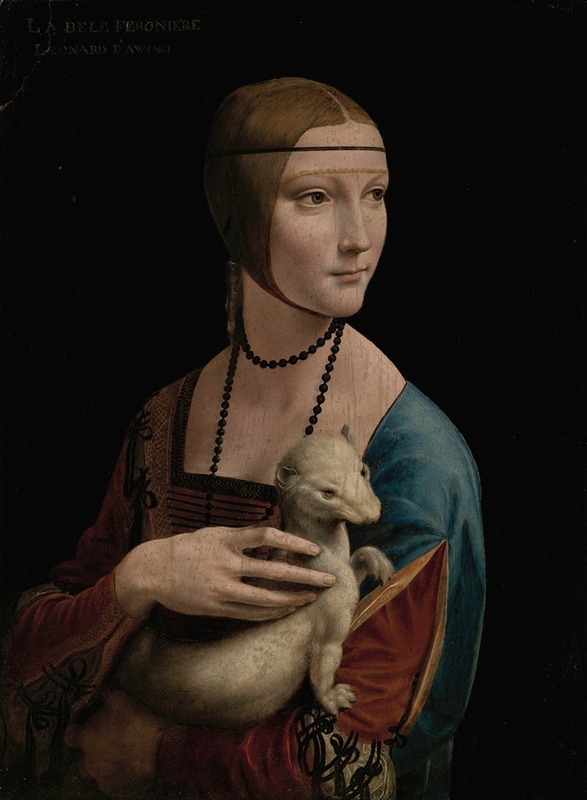
Lady with an Ermine – Portrait of Cecilia Gallerani (ca.1473–1536)
Leonardo da Vinci
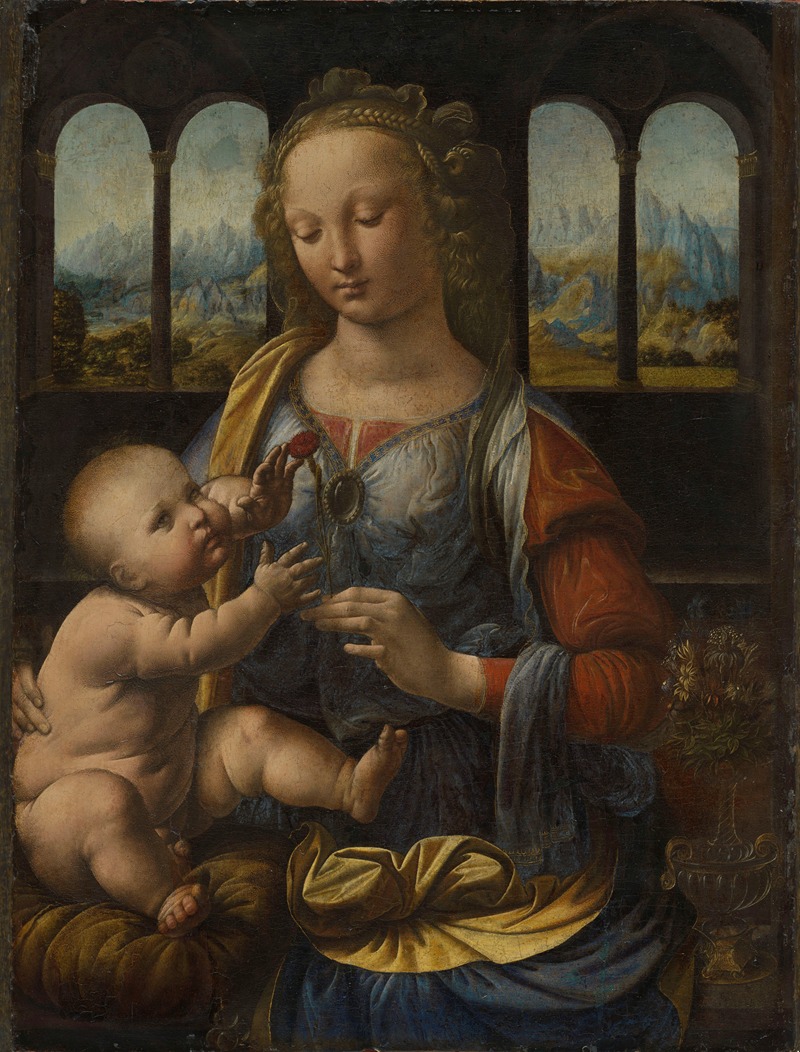
Madonna of the Carnation
Leonardo da Vinci
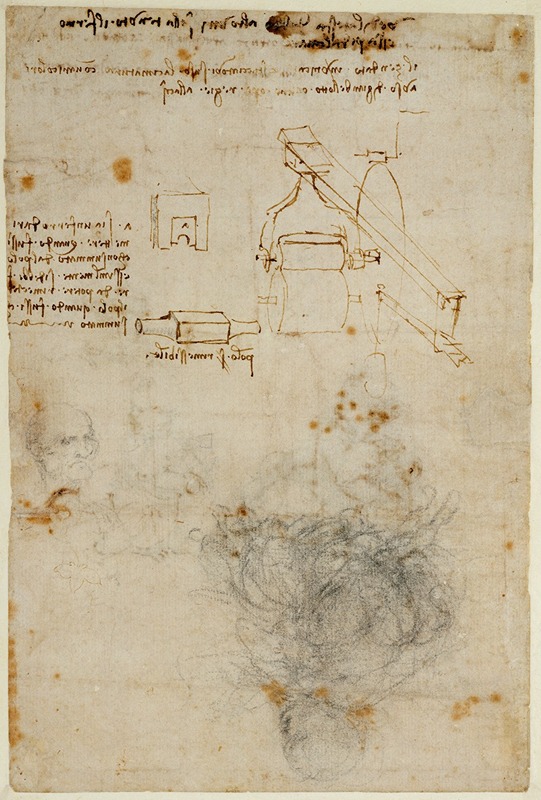
Head of an Old Man, and Studies of Machinery
Leonardo da Vinci
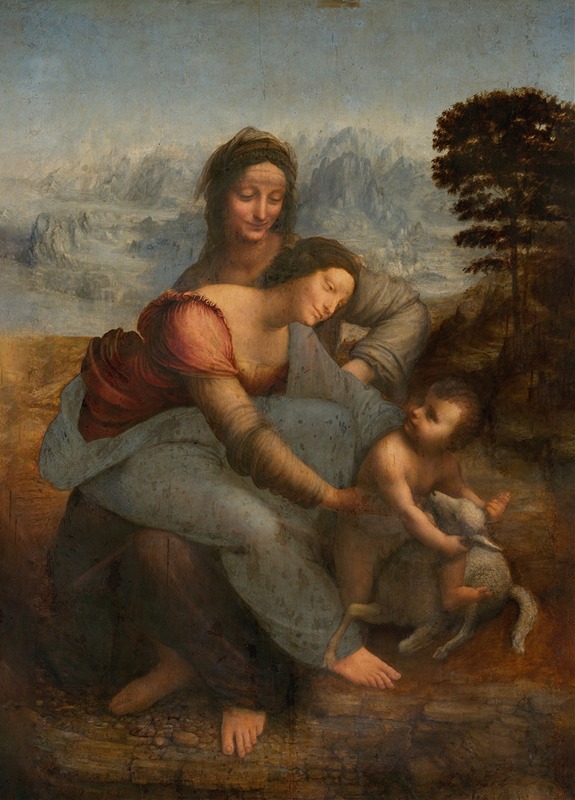
The Virgin and Child with St. Anne
Leonardo da Vinci
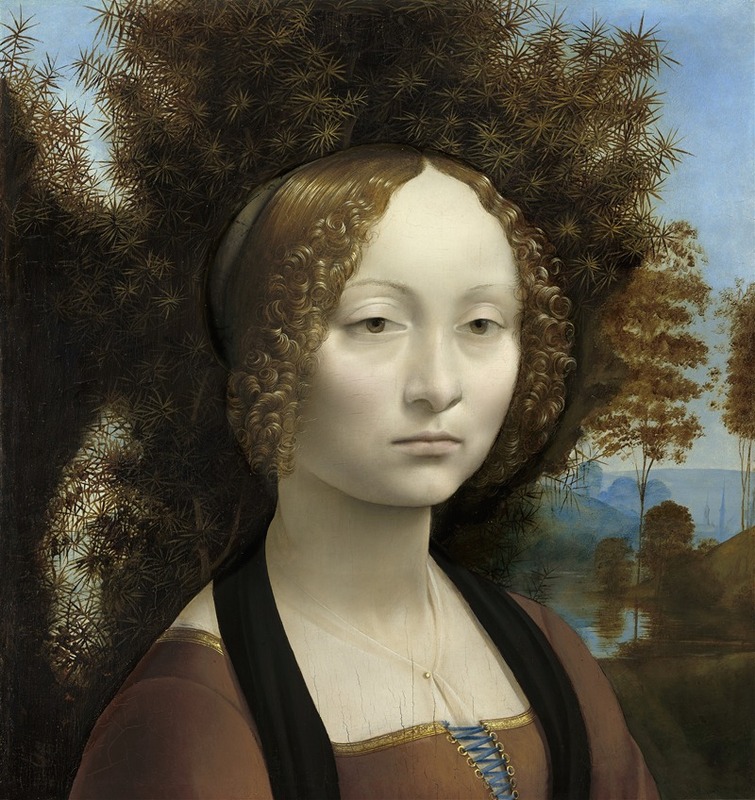
Ginevra de’ Benci (obverse)
Leonardo da Vinci
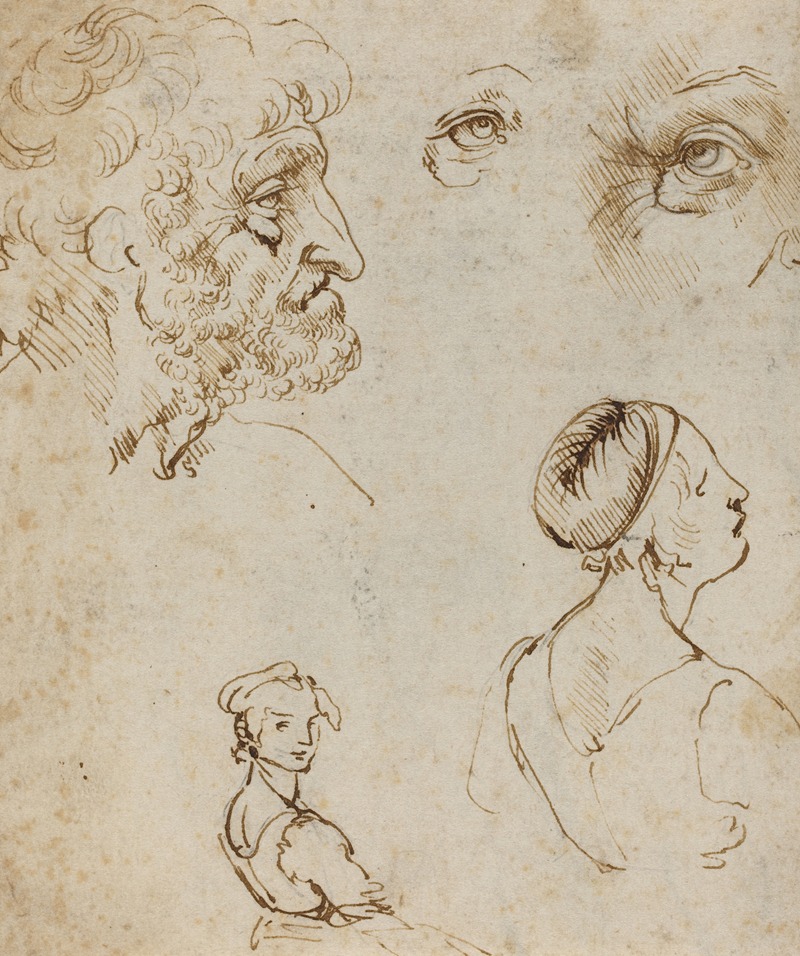
Sheet of Studies
Leonardo da Vinci
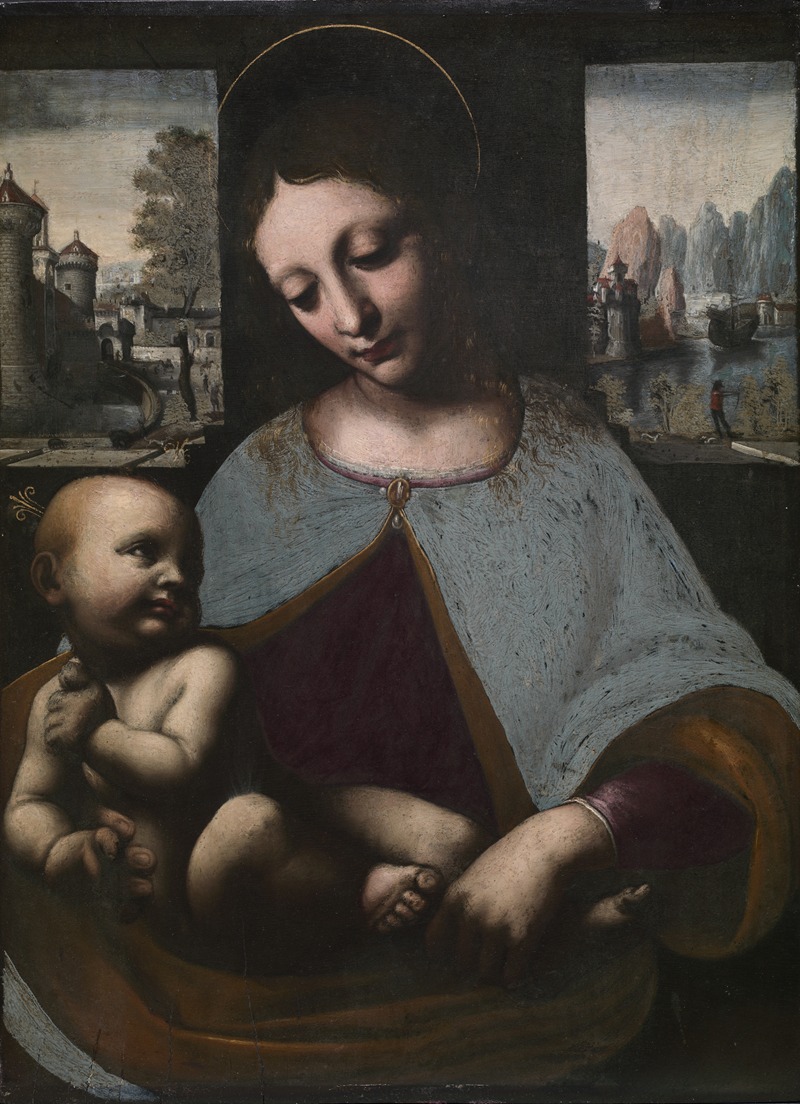
Virgin and Child
Leonardo da Vinci
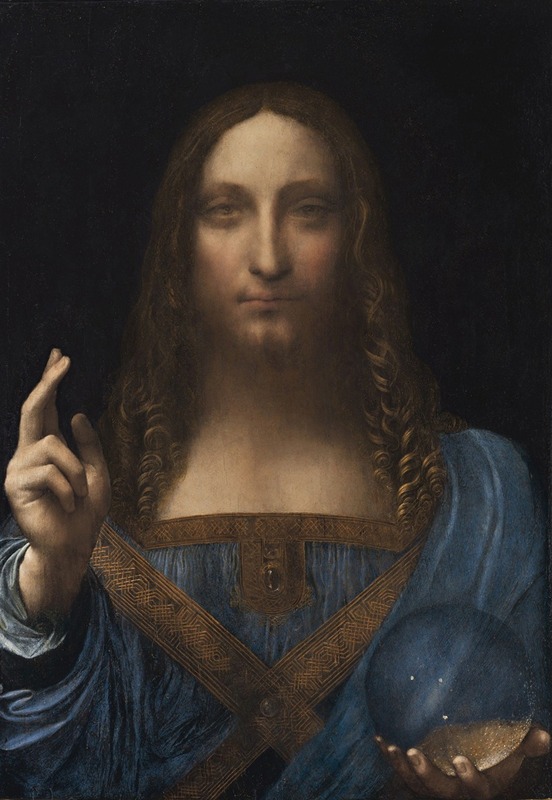
Salvator Mundi
Leonardo da Vinci
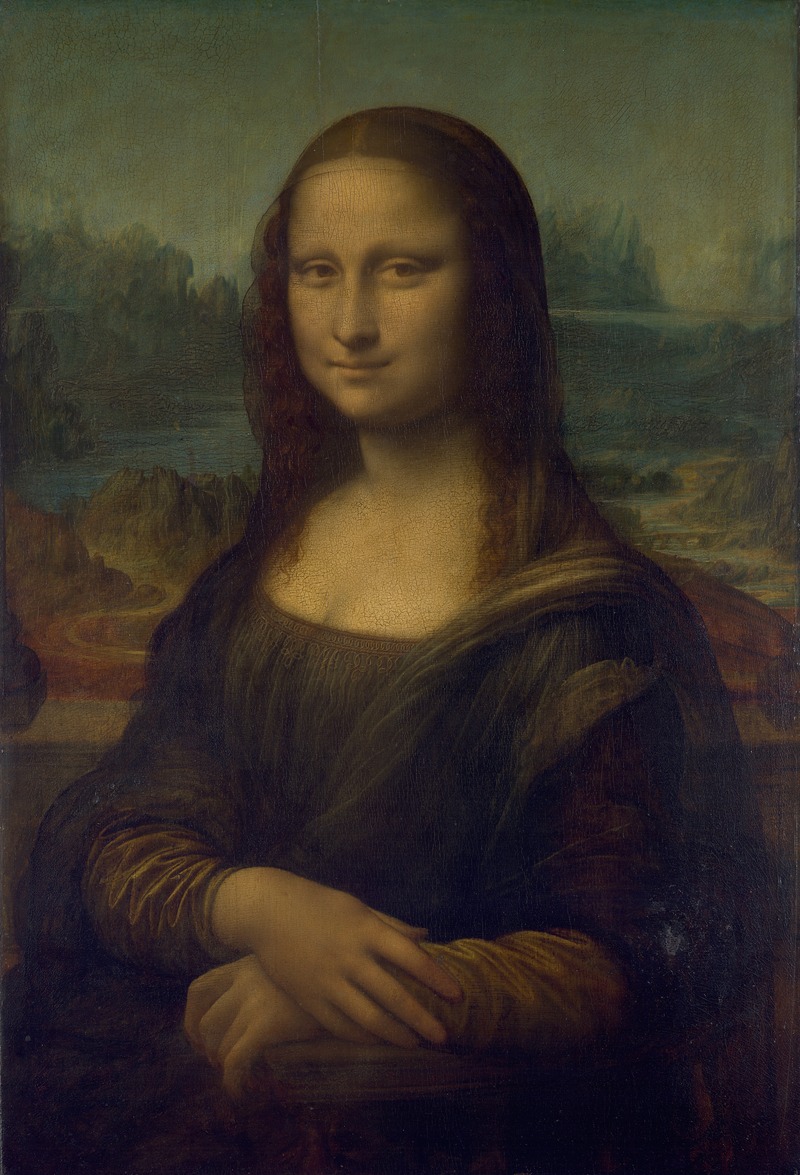
The Mona Lisa
Leonardo da Vinci

Wreath of Laurel, Palm, and Juniper with a Scroll inscribed Virtutem Forma Decorat
Leonardo da Vinci