Discover insights about this artwork
Ecce homo — History & Facts
In Ecce homo, Peter Paul Rubens presents a powerful depiction of Christ crowned with thorns. The painting features rich colors, with deep reds and earthy tones dominating the palette. Christ's expression is one of sorrow and resignation, evoking empathy from the viewer.
The background is dark, emphasizing the figure of Christ in the foreground. This artwork is an oil on canvas, typical of Rubens' Baroque style, characterized by dramatic lighting and emotional intensity. The dimensions are approximately 100 x 80 cm, making it a sizable piece that commands attention. Viewers can observe Rubens' skillful brushwork, which adds texture and depth to the flesh tones.
The contrast between light and shadow enhances the three-dimensionality of the figure. Peter Paul Rubens was a leading figure in the Baroque movement, known for his vibrant compositions and dynamic figures. Ecce homo is significant as it reflects the artist's deep engagement with religious themes and his ability to convey human emotion. An interesting fact about this work is that it was created during a time when Rubens was heavily influenced by the Counter-Reformation, which sought to inspire piety through art.
This painting exemplifies that mission by portraying Christ in a moment of profound suffering.
More Artworks by Peter Paul Rubens
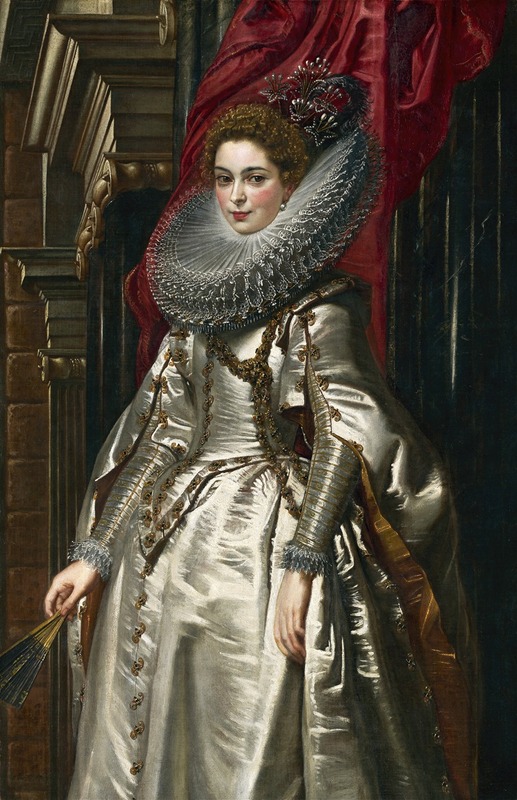
Marchesa Brigida Spinola Doria
Peter Paul Rubens
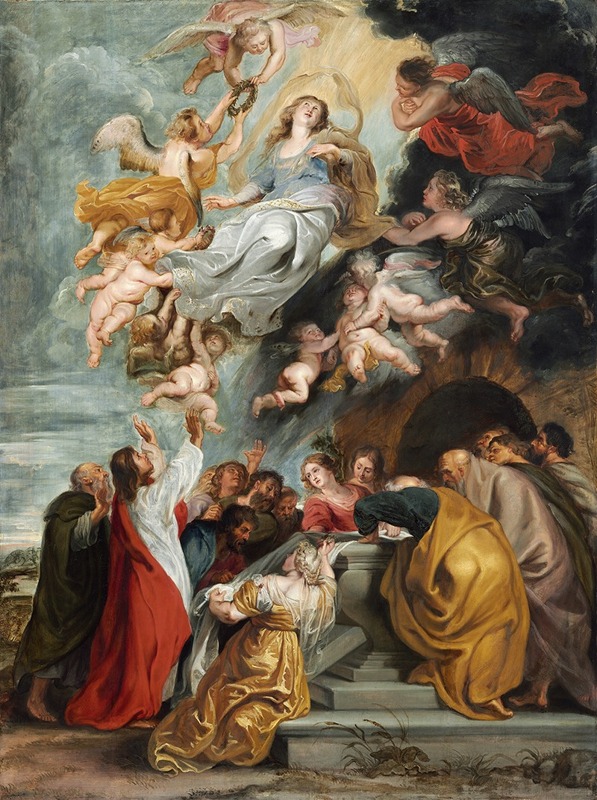
The Assumption of the Virgin
Peter Paul Rubens

Saint Teresa of Ávila Interceding for Souls in Purgatory
Peter Paul Rubens
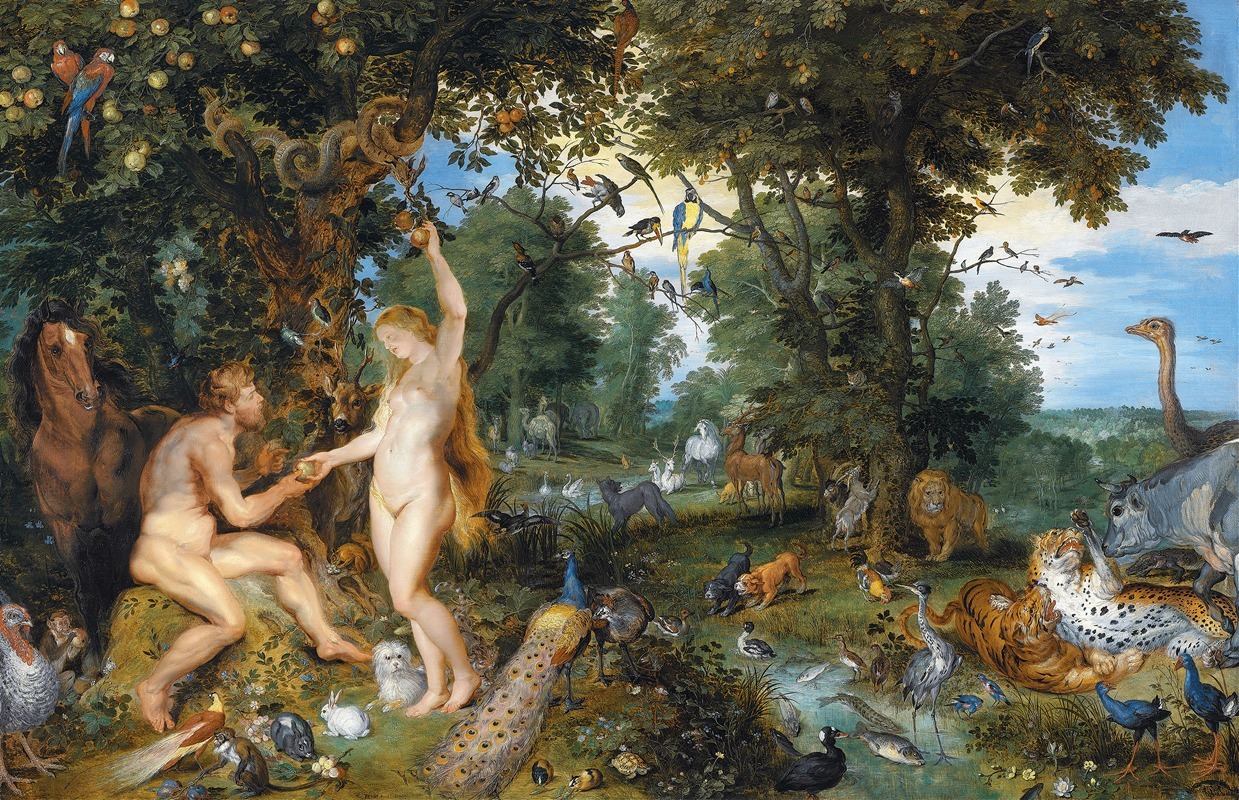
The Garden of Eden with the Fall of Man
Peter Paul Rubens
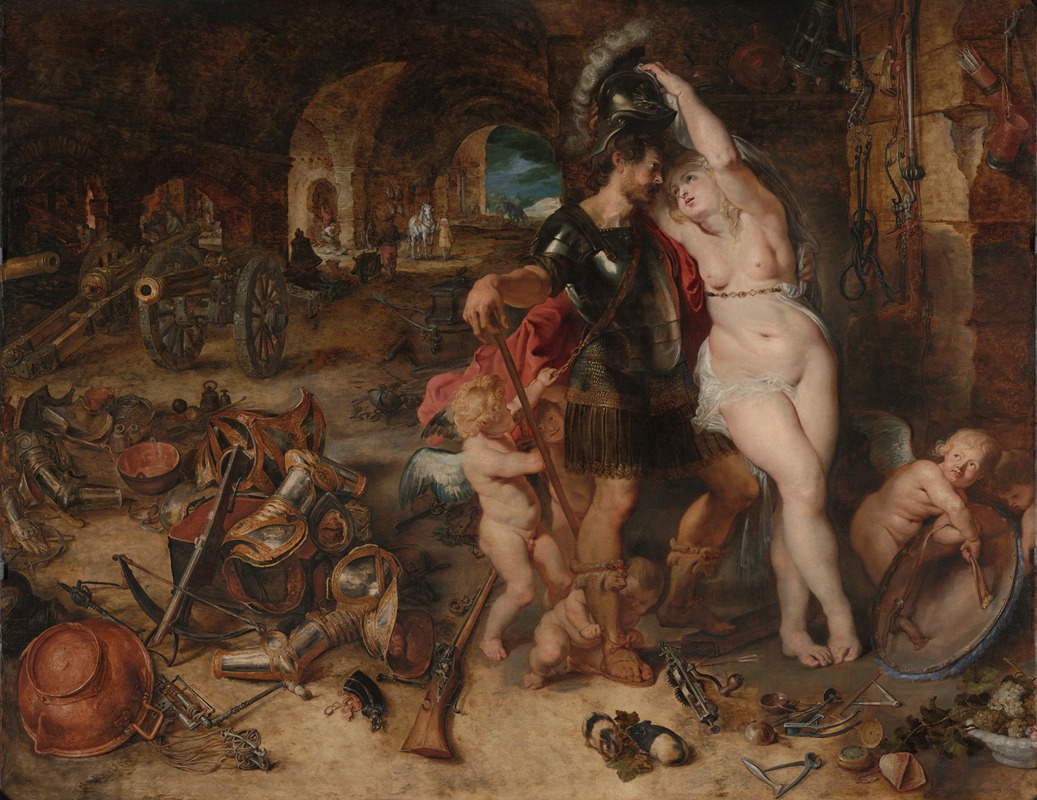
The Return From War,Mars Disarmed By Venus
Peter Paul Rubens
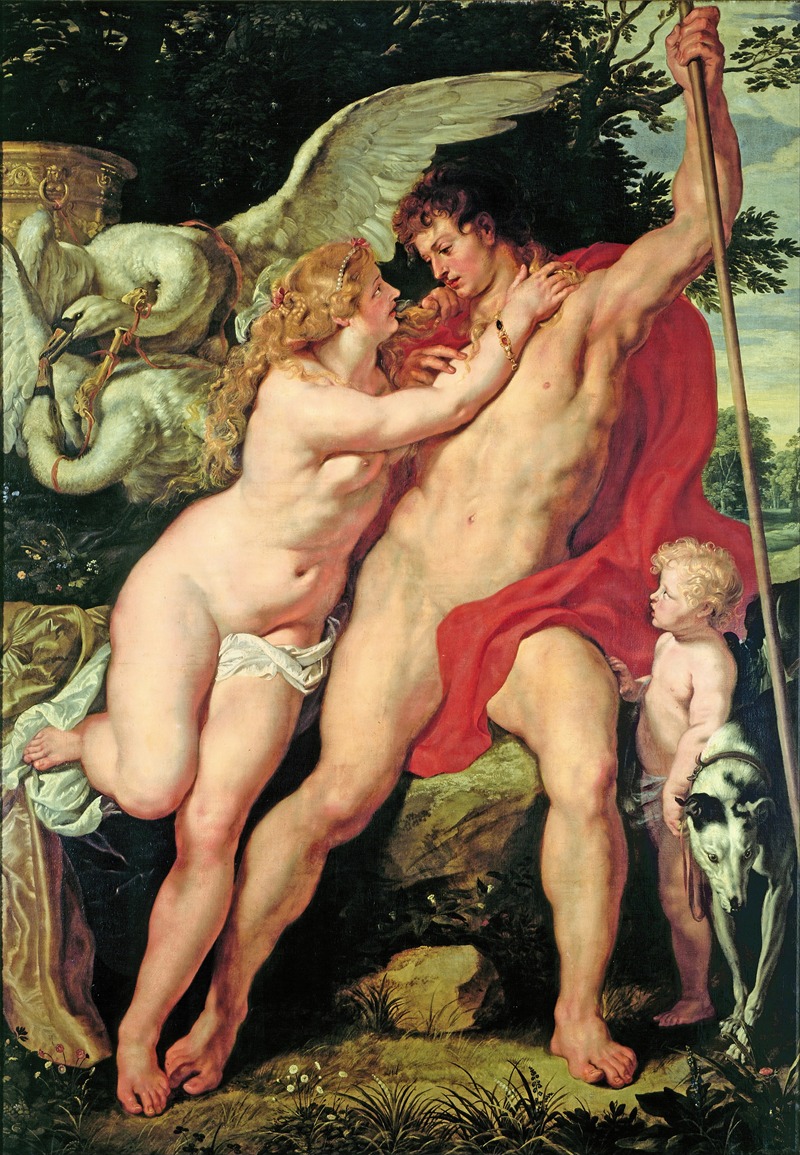
Venus and Adonis
Peter Paul Rubens
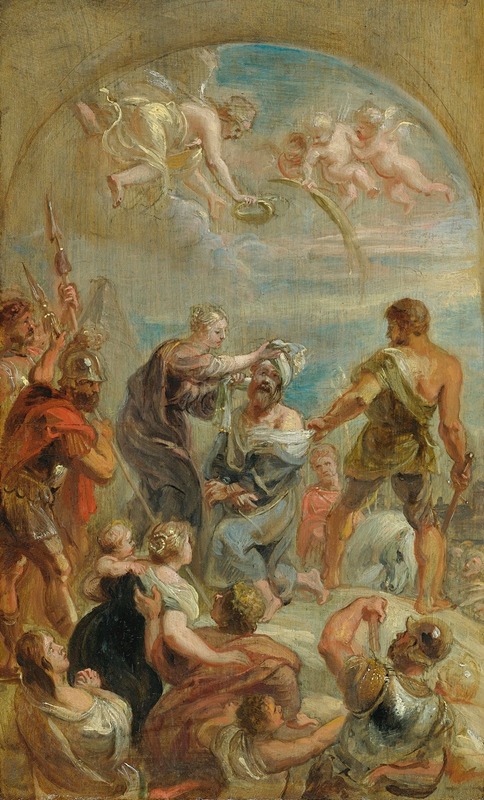
The Martyrdom Of Saint Paul
Peter Paul Rubens
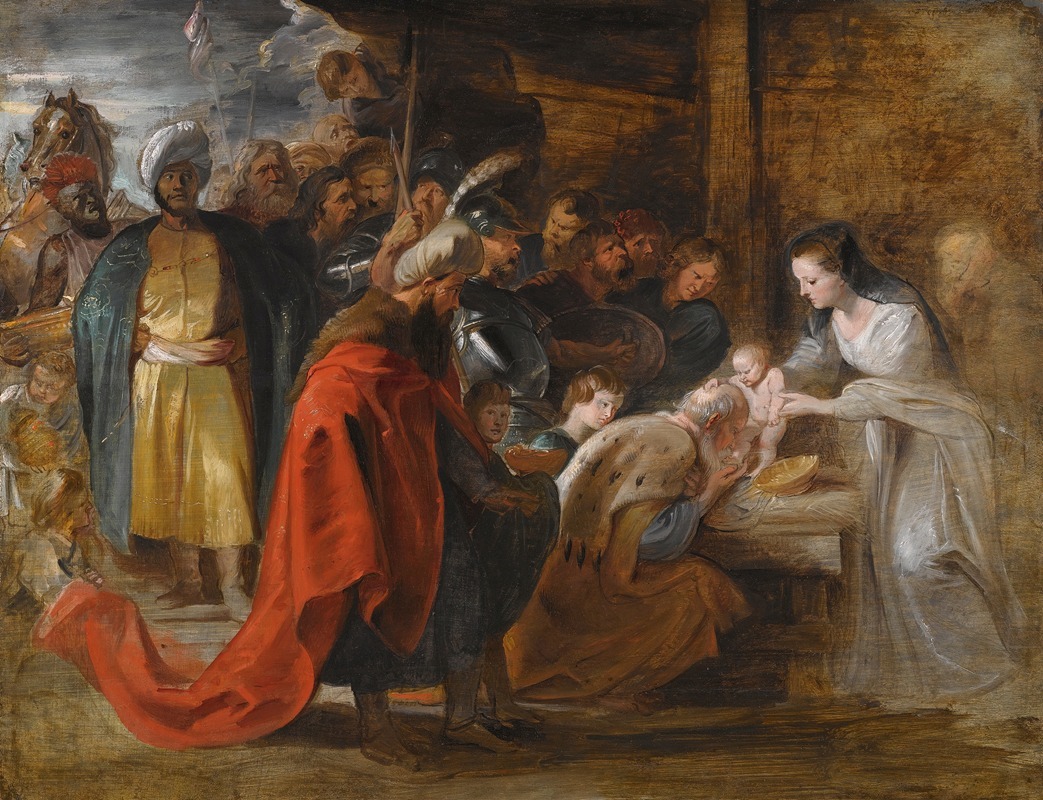
The Adoration Of The Magi
Peter Paul Rubens
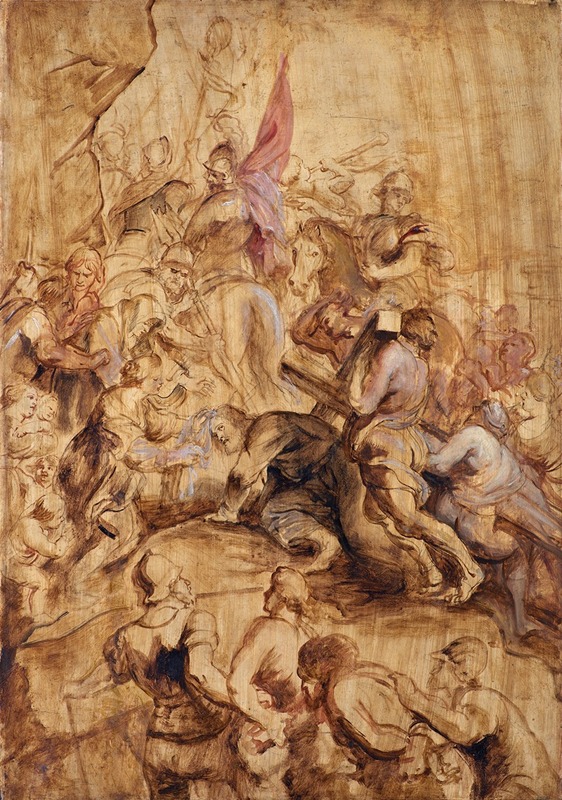
The Ascent to Calvary. The Bearing of the Cross
Peter Paul Rubens
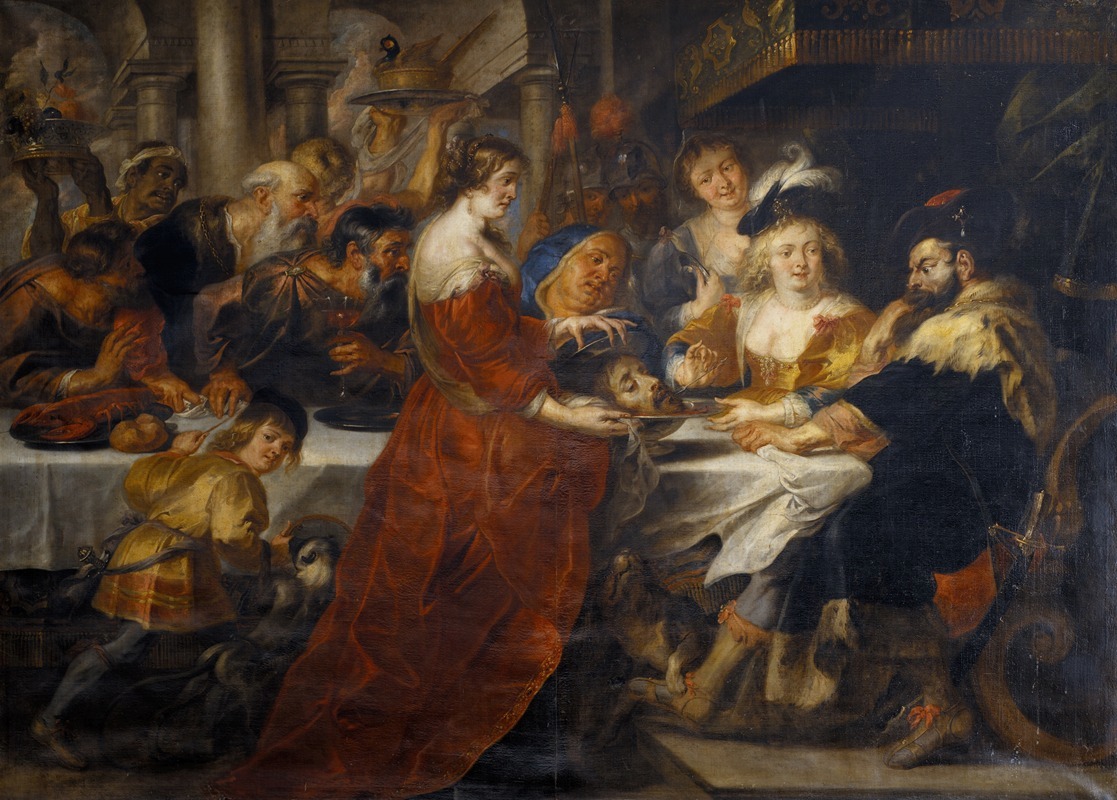
The Feast of Herod. Salome Bringing the Head of St John the Baptist on a Charger
Peter Paul Rubens