Discover insights about this artwork
The Assumption of the Virgin — History & Facts
In The Assumption of the Virgin, Peter Paul Rubens presents a vibrant scene filled with dynamic movement. The painting features the Virgin Mary ascending into the heavens, surrounded by angels and a radiant light. Rich colors such as deep blues, golds, and whites dominate the canvas, creating a sense of drama and celebration.
The figures are depicted with a sense of realism and emotion, enhancing the spiritual significance of the moment. This artwork is an oil on canvas, measuring approximately 400 x 300 cm. Rubens employs a Baroque style characterized by dramatic contrasts of light and shadow, known as chiaroscuro. The composition is carefully arranged, leading the viewer's eye towards the central figure of the Virgin.
The use of vibrant colors and dynamic poses of the figures adds to the overall impact of the piece. Peter Paul Rubens was a leading figure of the Baroque movement, known for his energetic compositions and rich color palette. The Assumption of the Virgin is one of his significant works, created during a time when he was heavily influenced by the Counter-Reformation. An interesting fact about this painting is that it was originally commissioned for the Cathedral of Our Lady in Antwerp, reflecting the importance of the Virgin Mary in Catholic devotion during that period.
More Artworks by Peter Paul Rubens
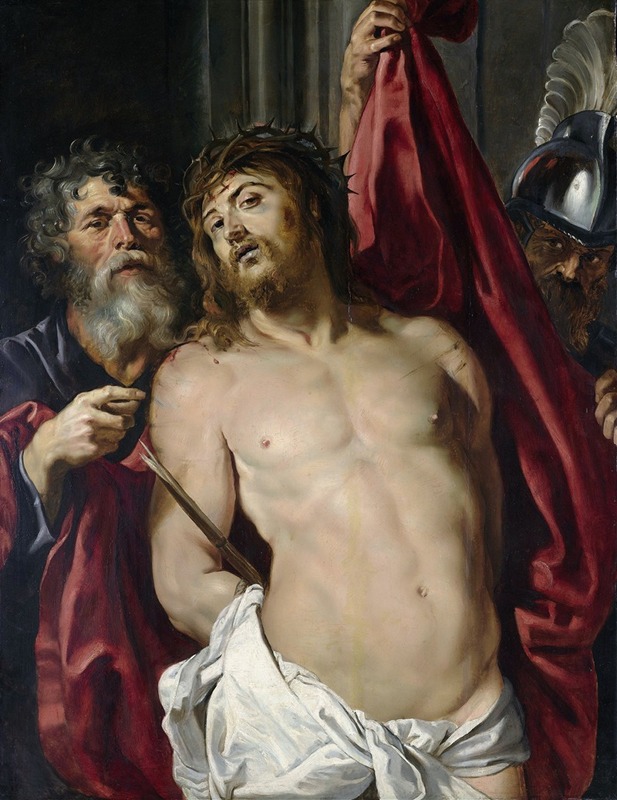
Ecce homo
Peter Paul Rubens
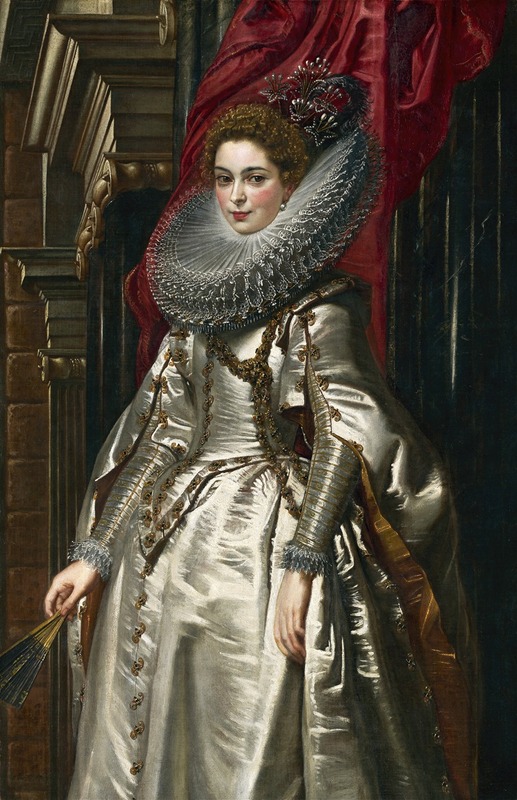
Marchesa Brigida Spinola Doria
Peter Paul Rubens

Saint Teresa of Ávila Interceding for Souls in Purgatory
Peter Paul Rubens
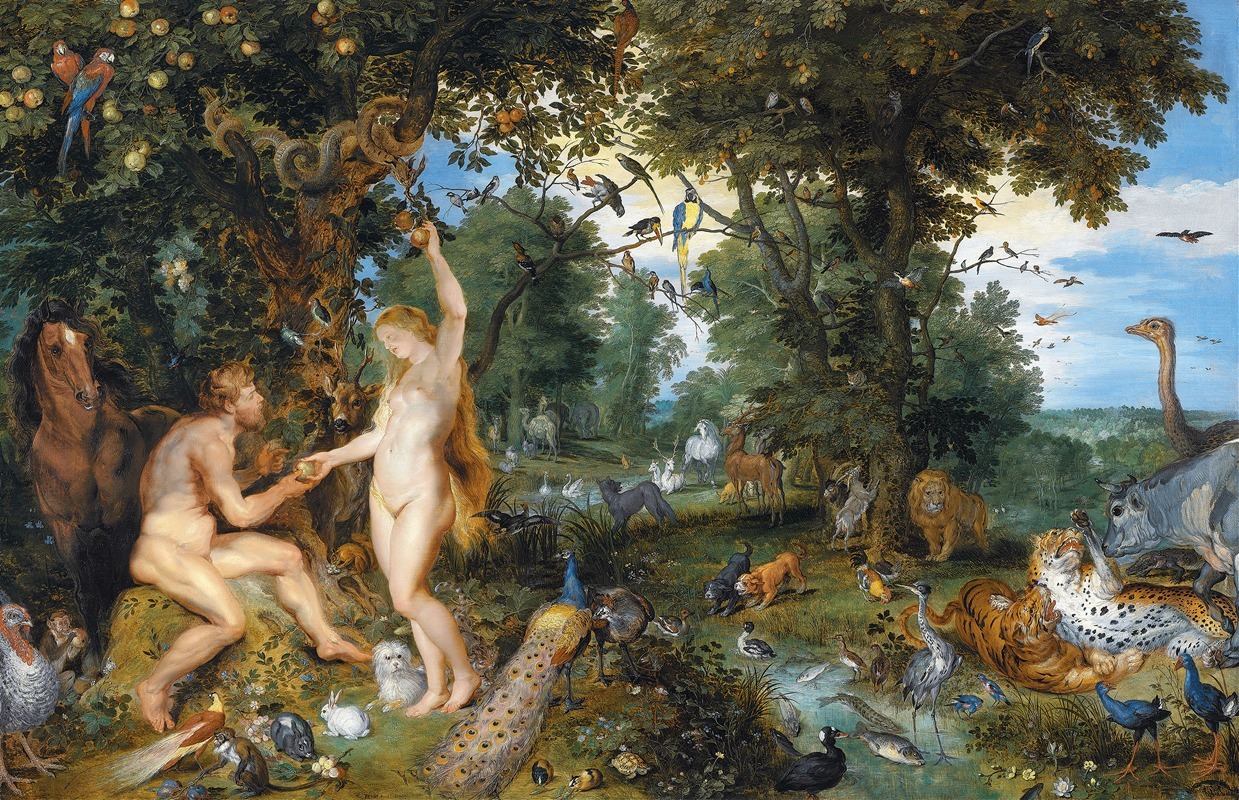
The Garden of Eden with the Fall of Man
Peter Paul Rubens
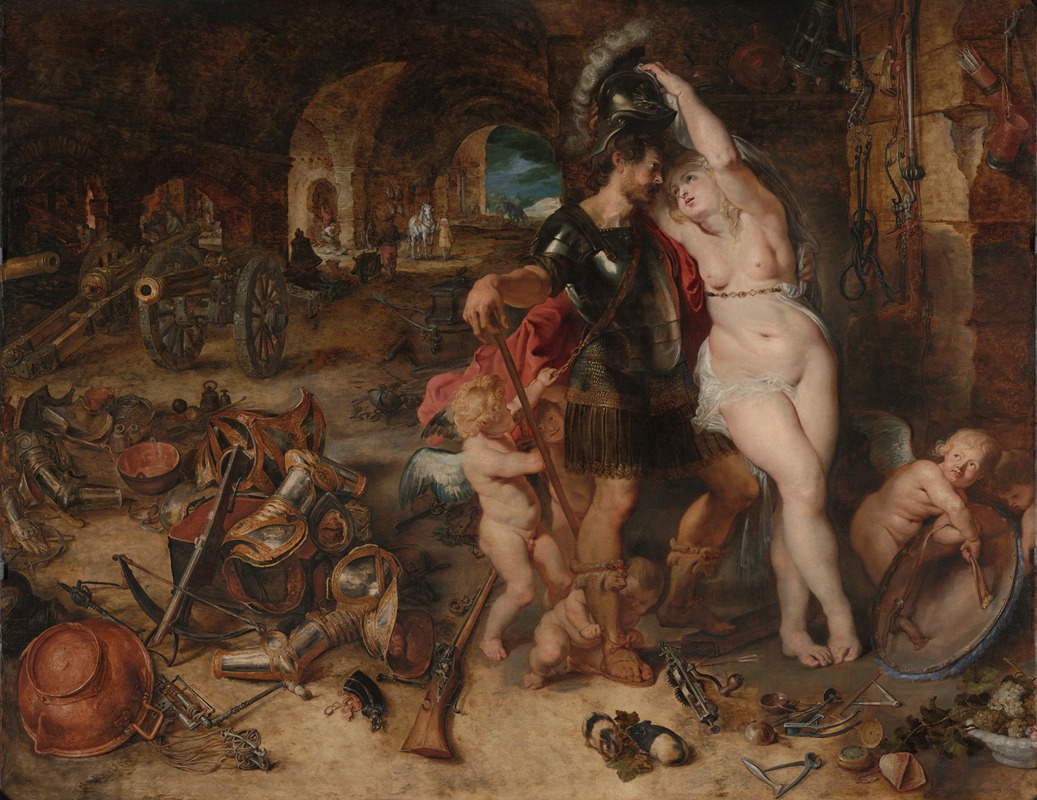
The Return From War,Mars Disarmed By Venus
Peter Paul Rubens
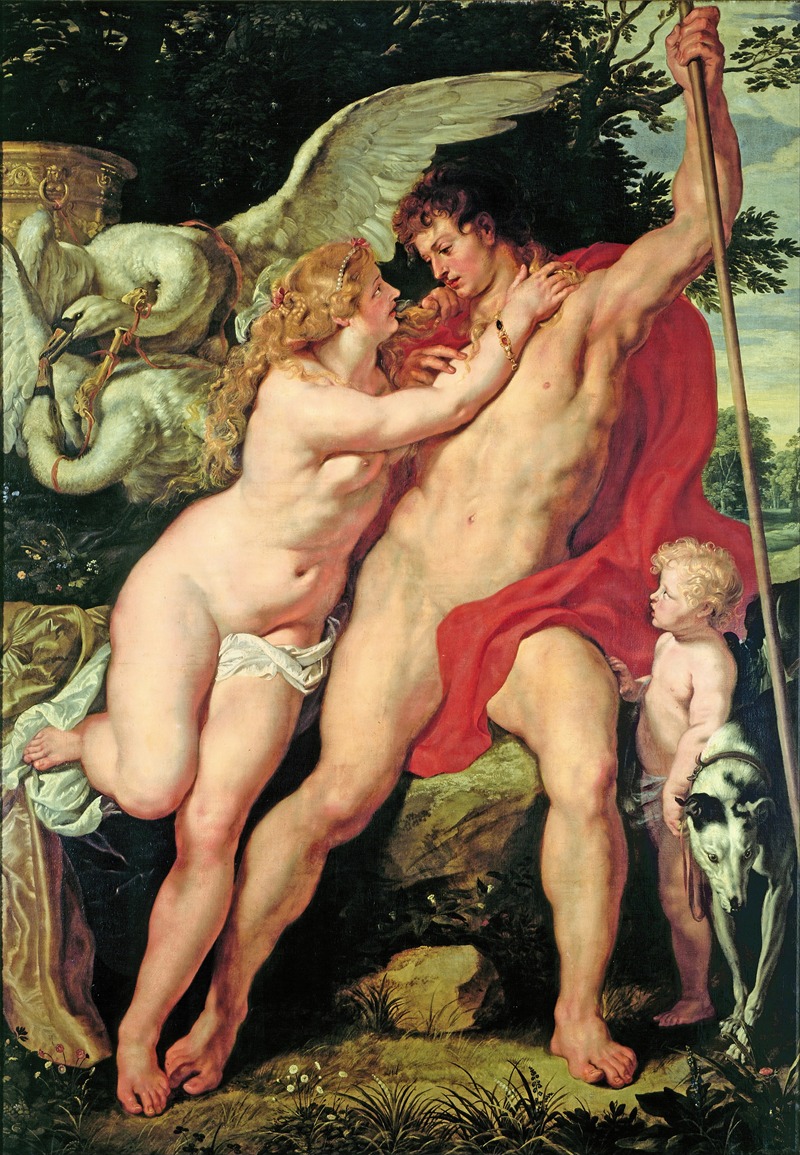
Venus and Adonis
Peter Paul Rubens
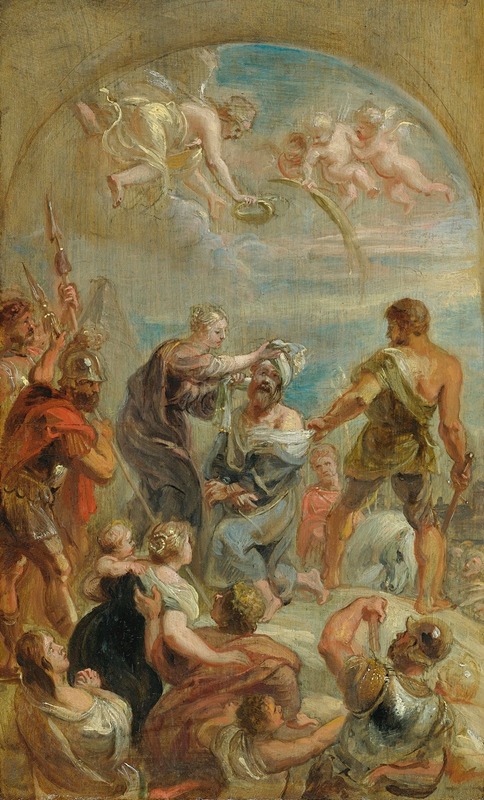
The Martyrdom Of Saint Paul
Peter Paul Rubens
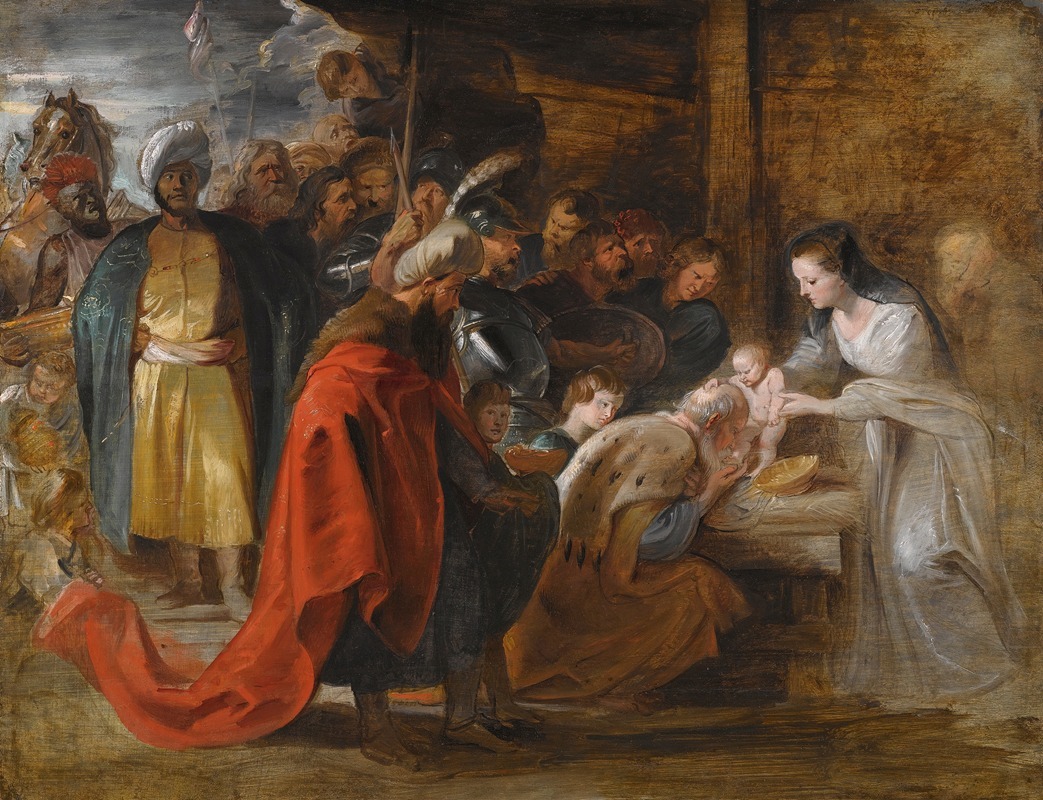
The Adoration Of The Magi
Peter Paul Rubens
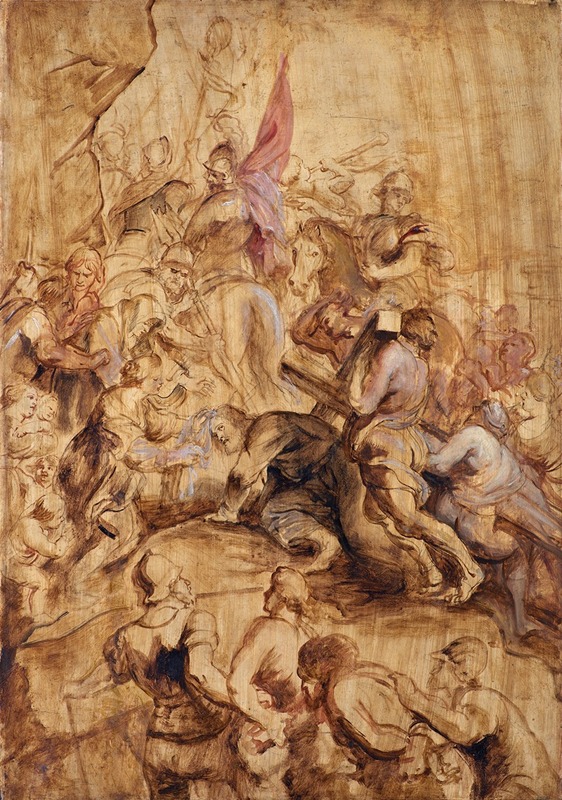
The Ascent to Calvary. The Bearing of the Cross
Peter Paul Rubens
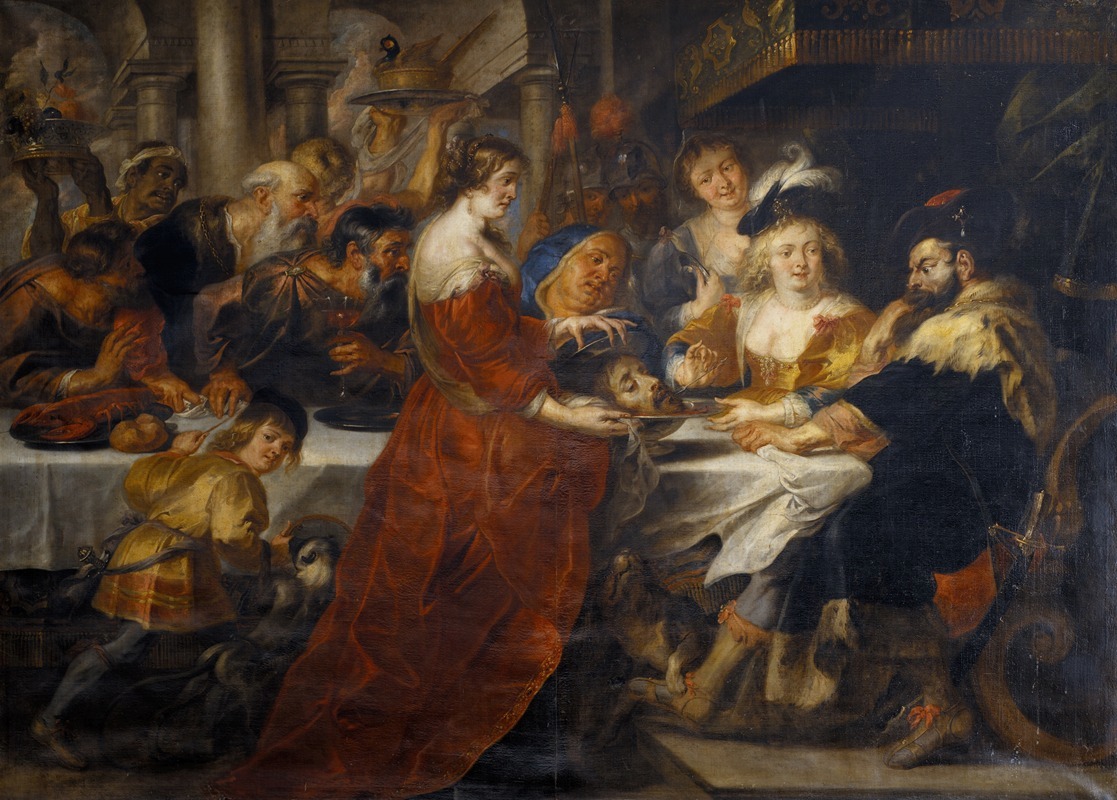
The Feast of Herod. Salome Bringing the Head of St John the Baptist on a Charger
Peter Paul Rubens