Discover insights about this artwork
Madonna of the Carnation — History & Facts
In Madonna of the Carnation, Leonardo da Vinci depicts the Virgin Mary holding the Christ Child. The painting features soft colors, primarily blues and reds, creating a serene atmosphere. Mary is shown with a gentle expression, emphasizing her maternal bond with the child.
The background is simple, focusing attention on the figures in the foreground. The painting is executed in oil on panel, a common medium during the Renaissance. Da Vinci's technique showcases his mastery of light and shadow, creating a three-dimensional effect. The details in the clothing and the delicate features of Mary and Christ are particularly noteworthy.
The use of the carnation flower symbolizes love and purity. Leonardo da Vinci painted this work around 1478, during his early career in Florence. It is considered one of his notable religious portraits. An interesting fact is that the carnation flower in the painting is often interpreted as a symbol of divine love.
This work reflects the artist's deep understanding of human emotion and connection.
More Artworks by Leonardo da Vinci
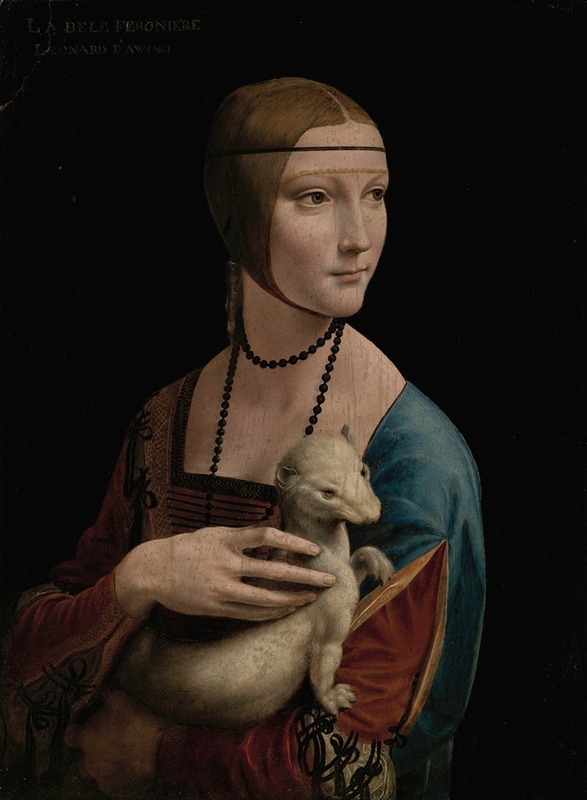
Lady with an Ermine – Portrait of Cecilia Gallerani (ca.1473–1536)
Leonardo da Vinci
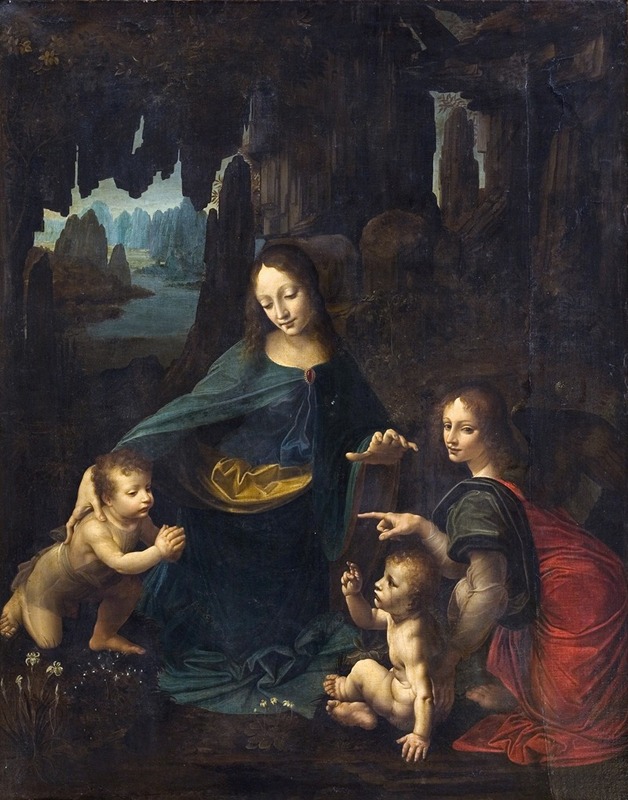
The Virgin of the Rocks
Leonardo da Vinci
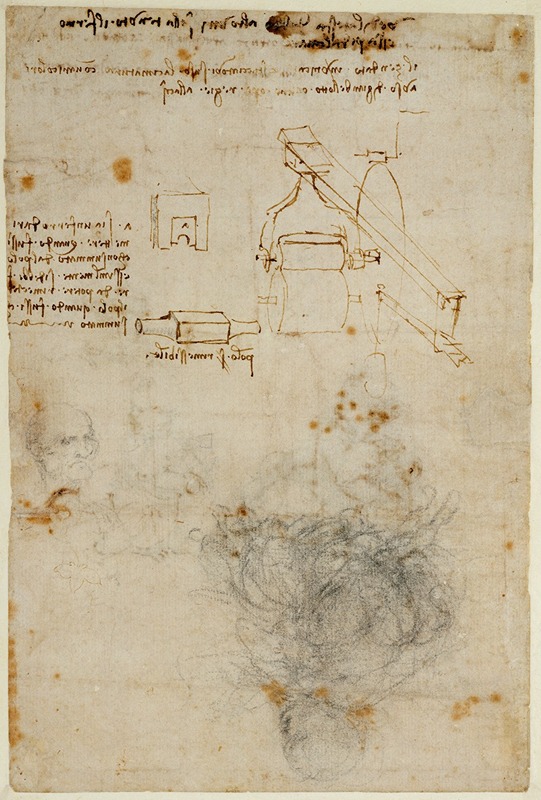
Head of an Old Man, and Studies of Machinery
Leonardo da Vinci
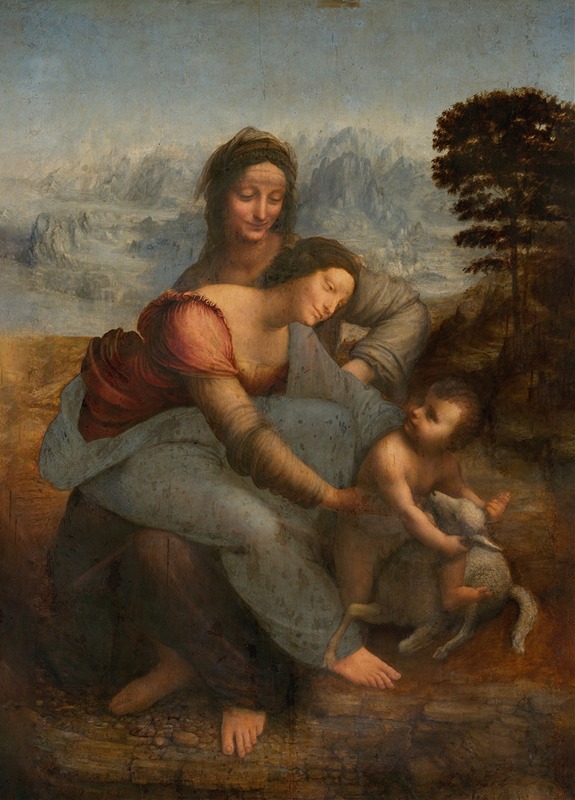
The Virgin and Child with St. Anne
Leonardo da Vinci
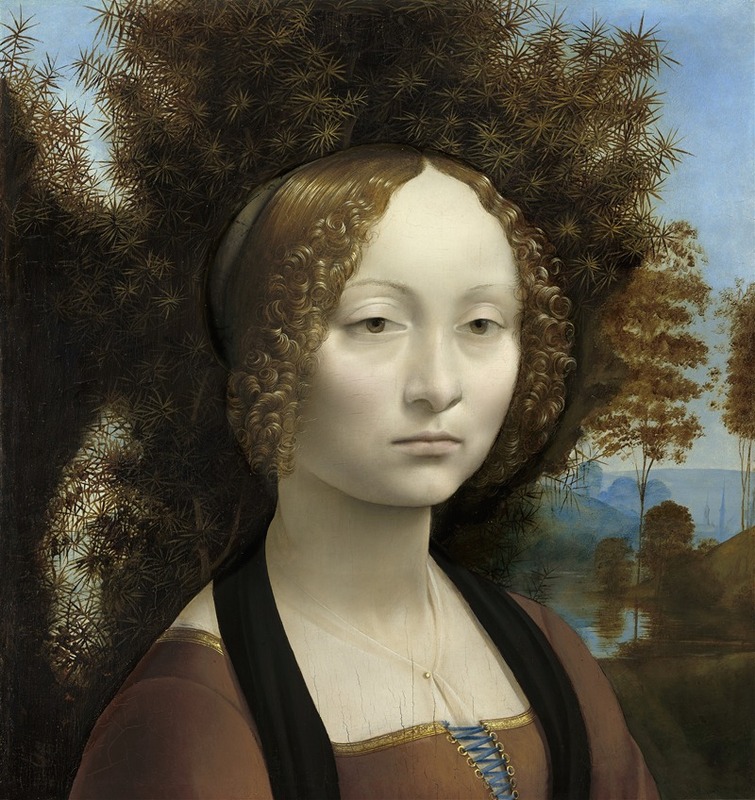
Ginevra de’ Benci (obverse)
Leonardo da Vinci
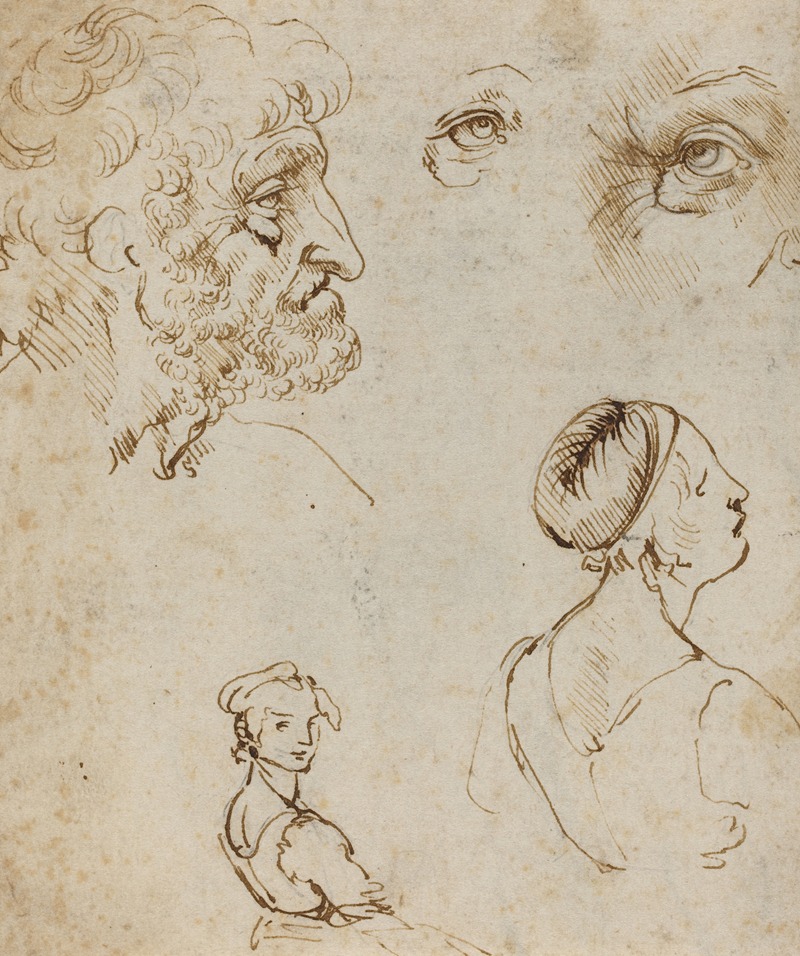
Sheet of Studies
Leonardo da Vinci
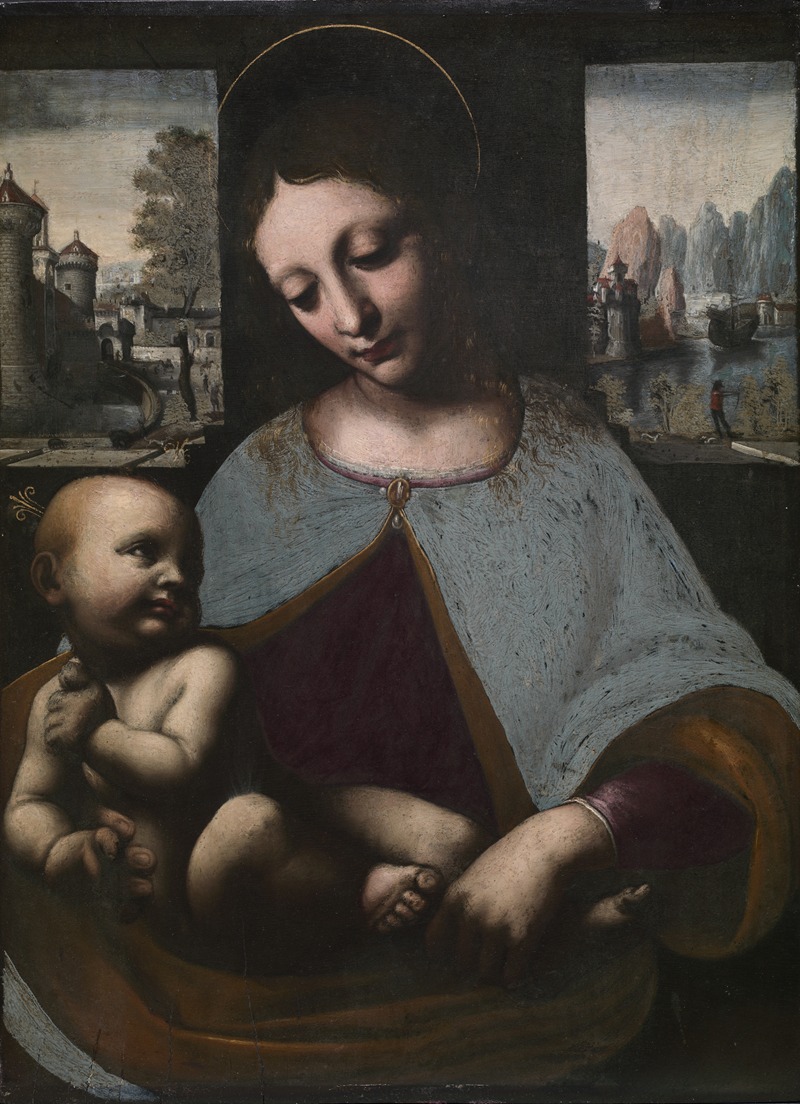
Virgin and Child
Leonardo da Vinci
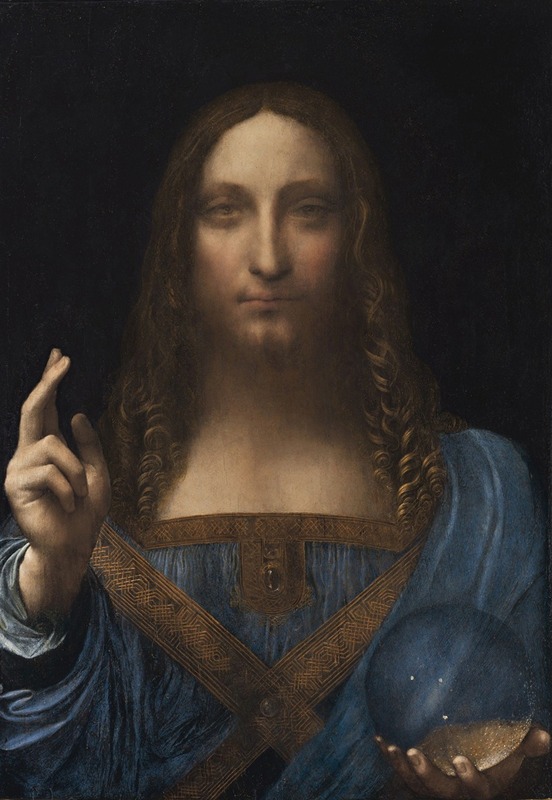
Salvator Mundi
Leonardo da Vinci
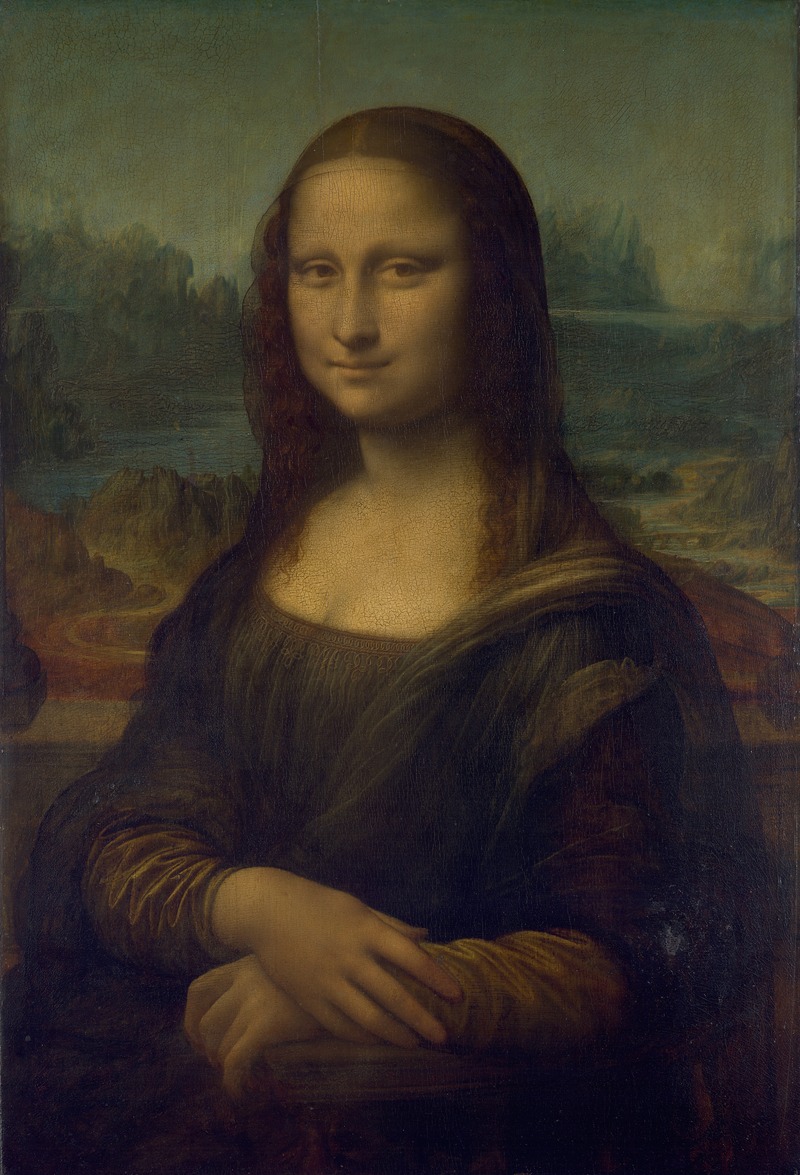
The Mona Lisa
Leonardo da Vinci

Wreath of Laurel, Palm, and Juniper with a Scroll inscribed Virtutem Forma Decorat
Leonardo da Vinci