
Twee liefdesparen en een nar — History & Facts
Where does light end, and longing begin? In the delicate interplay of shadow and illumination, we find the essence of deep emotion intertwined with human connection. Look to the center of the composition, where two couples stand closely intertwined, their bodies a tapestry of intimacy and vulnerability. Notice the way the warm light caresses their faces, casting gentle shadows that hint at both joy and sorrow. The muted colors—earthy browns and soft greens—speak of a somber reality, contrasting sharply with the bright fabric of the jester’s costume, who stands slightly apart, observing.
This juxtaposition creates a tension, drawing the viewer's attention to the bittersweet moment shared between the lovers. The jester, a figure of folly, subtly complicates the scene. His laughter seems a haunting echo against the backdrop of the couples’ tenderness, suggesting that joy is often a mask for grief. The gentle tilt of a head, the soft grasp of hands, and the longing gazes between the lovers reveal unspoken stories of love, loss, and the fragility of happiness.
Each detail serves to elevate the emotional landscape, allowing us to feel both the warmth of their connection and the chill of impending separation. Hans Sebald Beham created this work in 1535, a time when the Northern Renaissance was flourishing in Germany. As a former member of the circle surrounding Albrecht Dürer, Beham was immersed in an environment of artistic innovation and exploration. During this period, he grappled with the complexities of human emotion and the transient nature of relationships, themes that resonate deeply in Twee liefdesparen en een nar.
More Artworks by Hans Sebald Beham
Browse all →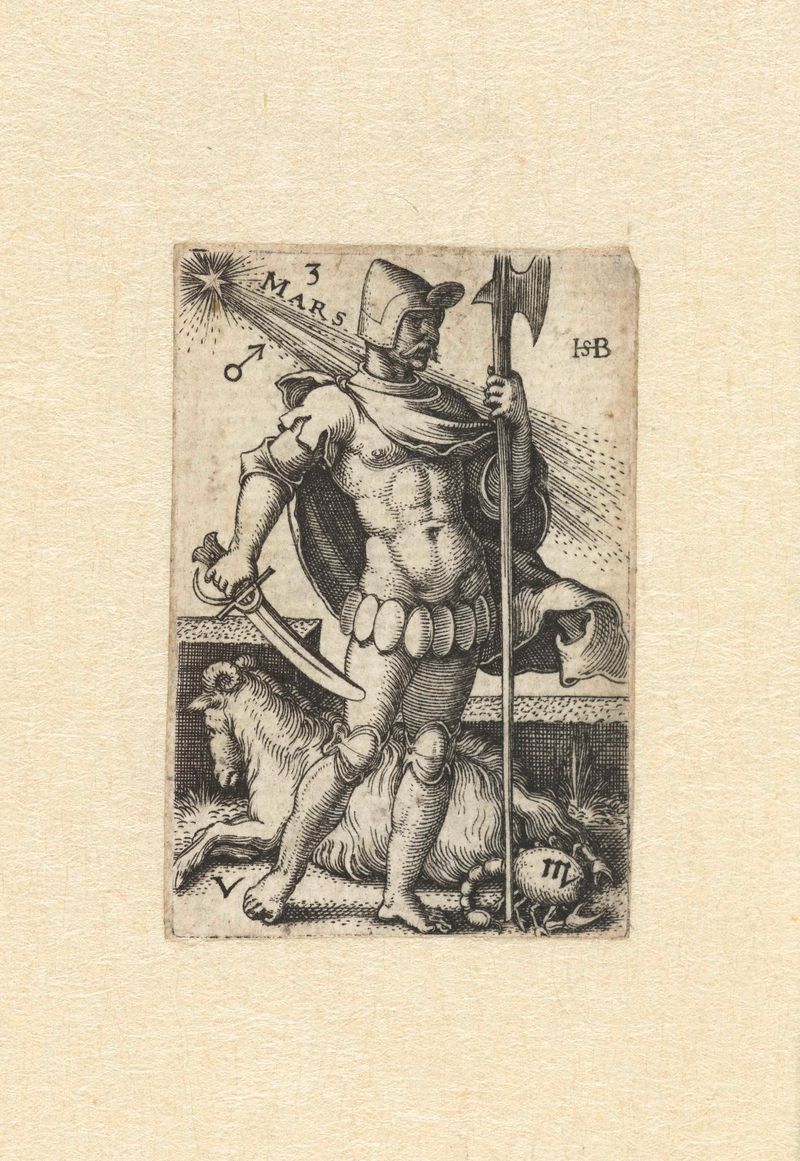
Mars met sterrenbeelden Ram en Schorpioen
Hans Sebald Beham

Achilles in gevecht met Hector
Hans Sebald Beham
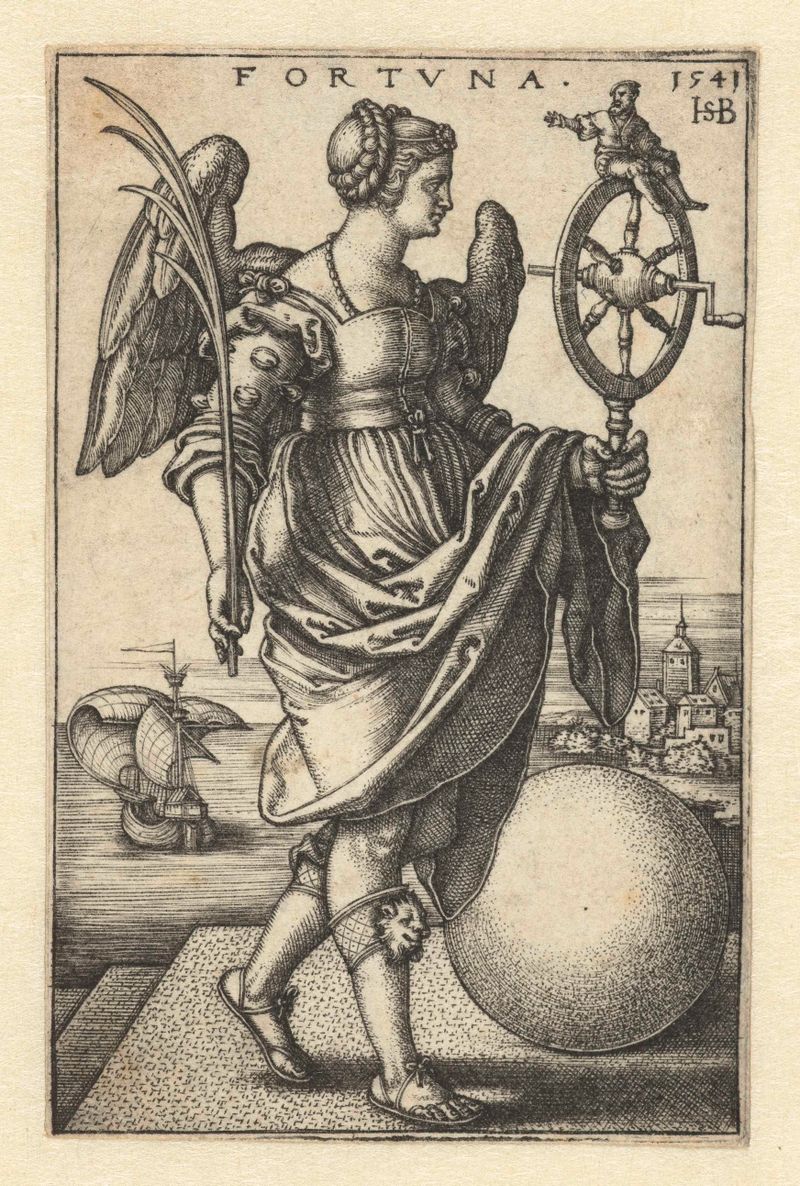
Fortuna
Hans Sebald Beham

Hercules worstelt met Antaeus
Hans Sebald Beham

Twee muzikanten met schalmey en doedelzak
Hans Sebald Beham

Voorzichtigheid (Prudentia)
Hans Sebald Beham

Hercules in gevecht met de Trojanen
Hans Sebald Beham
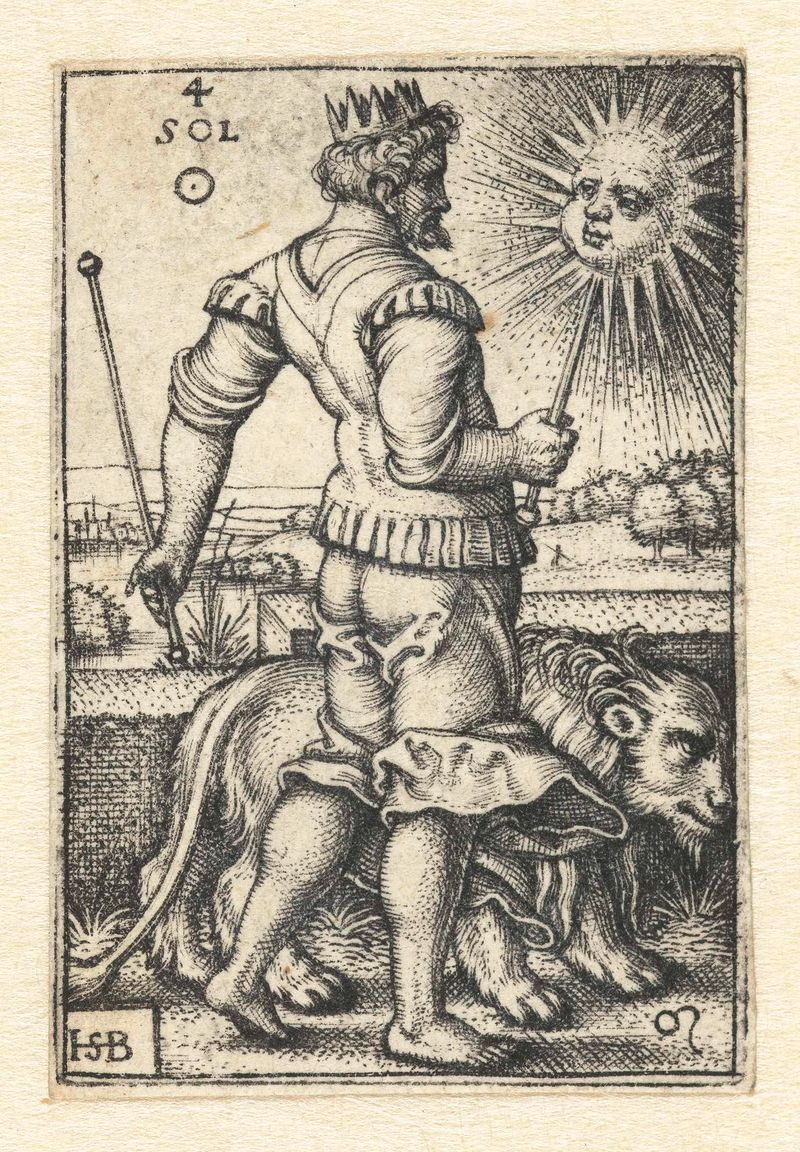
Apollo (Sol) met sterrenbeeld Leeuw
Hans Sebald Beham
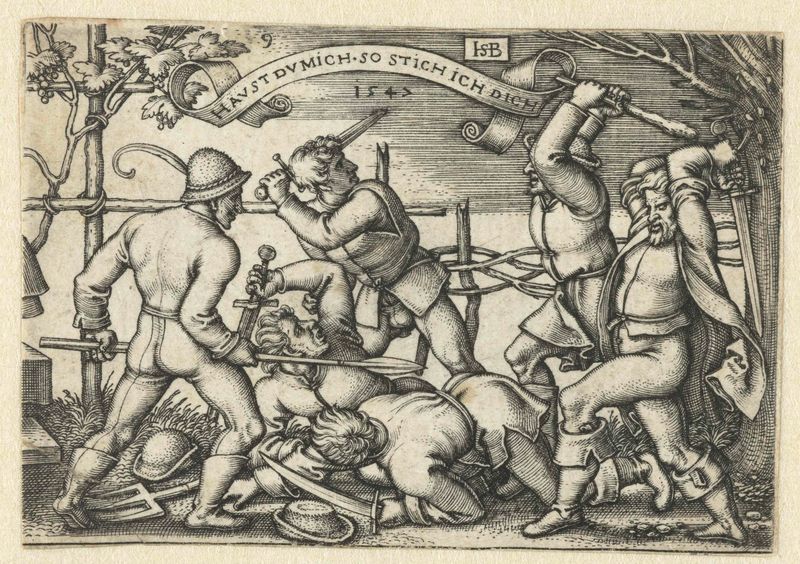
Vechtende boeren met zwaarden
Hans Sebald Beham
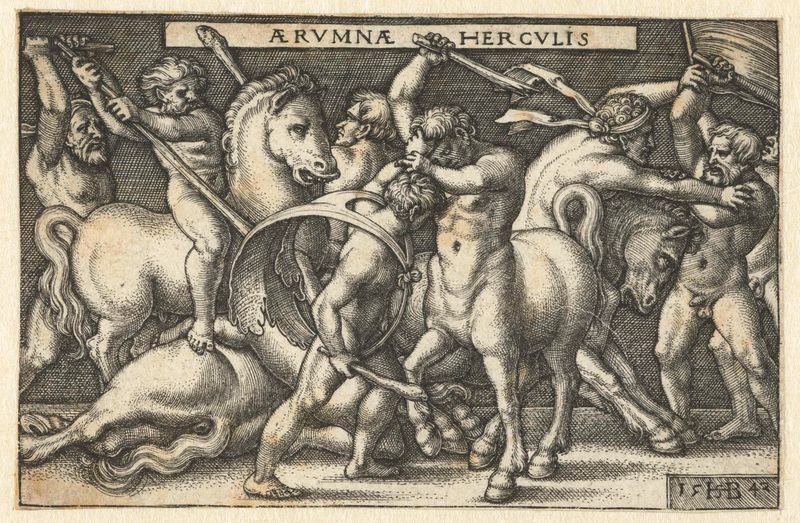
Hercules in gevecht met centaurs
Hans Sebald Beham





