
Twee nonnen — History & Facts
Is this a mirror — or a memory? The interplay of reflection and reality invites us to ponder the layers of truth embedded within the serene visage of two cloistered figures. Focus on the tenderness of the figures’ expressions, as they embody a fleeting moment of connection that defies the confines of their attire. Look closely at the delicate play of light filtering through the soft, muted tones of their garments, which blend harmoniously with the warm hues of the background. Notice how the artist’s meticulous brushwork captures the texture of their veils and the luster of their skin, drawing the viewer into an intimate dialogue with the subjects. The contrast between the nuns’ solemnity and the subtle warmth of the scene evokes a sense of nostalgia, suggesting a world both sacred and intimate.
Hidden within the folds of their robes are stories of devotion and sacrifice, while their gaze reflects a longing for connection, a yearning for understanding beyond cloistered walls. This emotional tension between isolation and companionship resonates deeply, making us question the nature of their bond and the life experiences they share. The artist, working between 1478 and 1482, was active in the Netherlands, a period marked by the flourishing of the Northern Renaissance. In a time when art was increasingly used to explore personal piety and human emotion, this work exemplifies the intricate balance between tradition and innovation that defined the era.
The artist’s ability to convey spiritual depth through naturalism would significantly influence subsequent generations, as they navigated their own explorations of faith and identity.
More Artworks by Meester van het Amsterdamse Kabinet
Browse all →
De Heilige Familie bij de rozenstruik
Meester van het Amsterdamse Kabinet

Hertenjacht
Meester van het Amsterdamse Kabinet
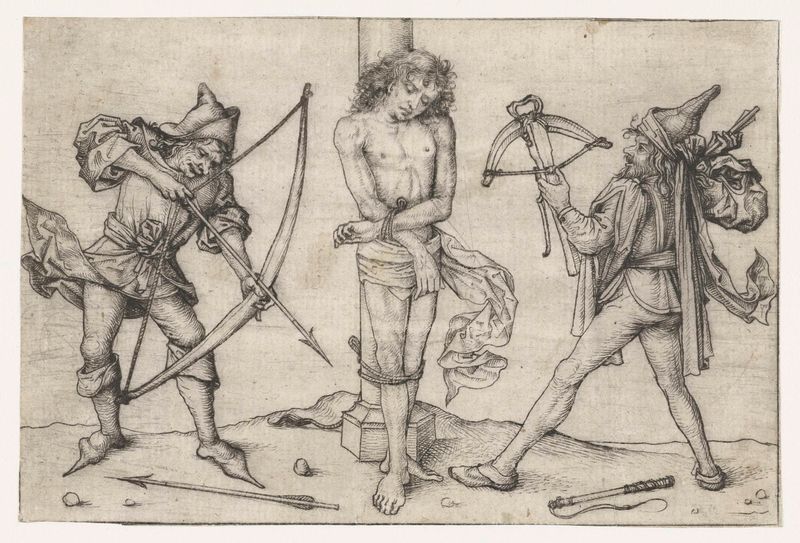
Heilige Sebastiaan met boogschutters
Meester van het Amsterdamse Kabinet

Het lichaam van Christus ondersteund door twee engelen
Meester van het Amsterdamse Kabinet

Heilige Anna-te-Drieën
Meester van het Amsterdamse Kabinet

Heilige Barbara (grote versie)
Meester van het Amsterdamse Kabinet
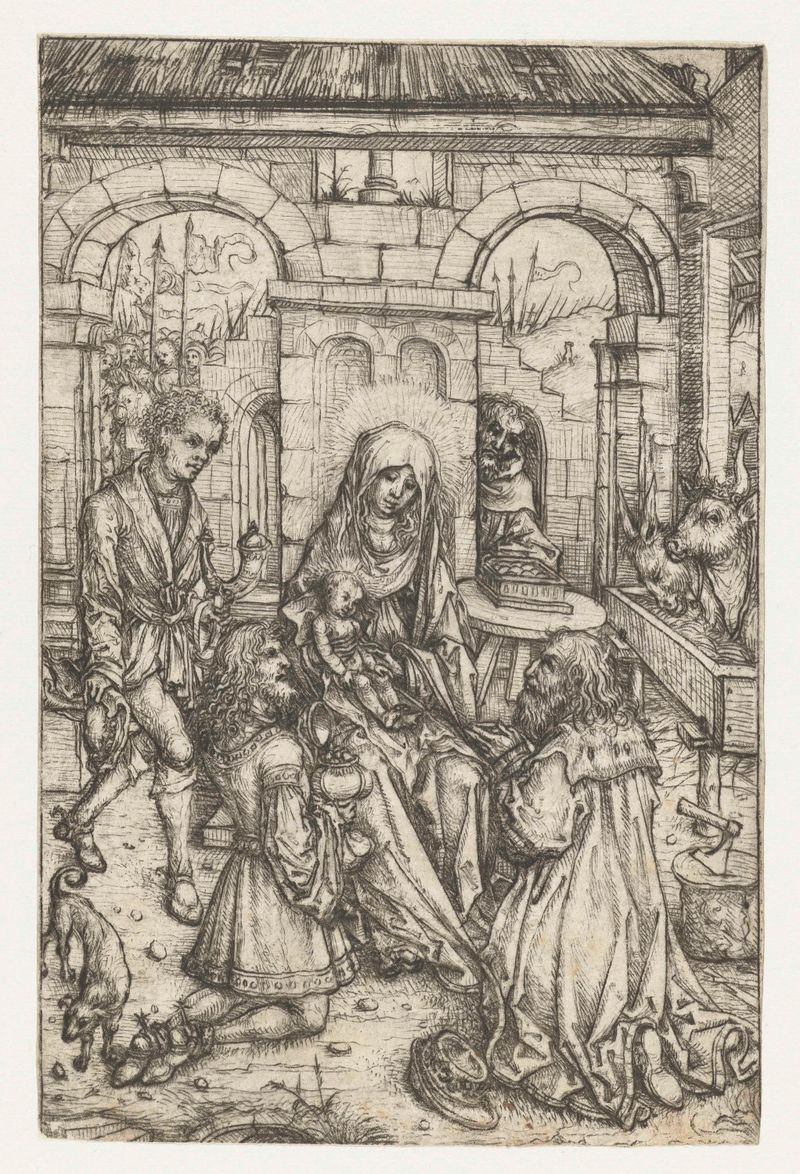
Aanbidding der koningen
Meester van het Amsterdamse Kabinet
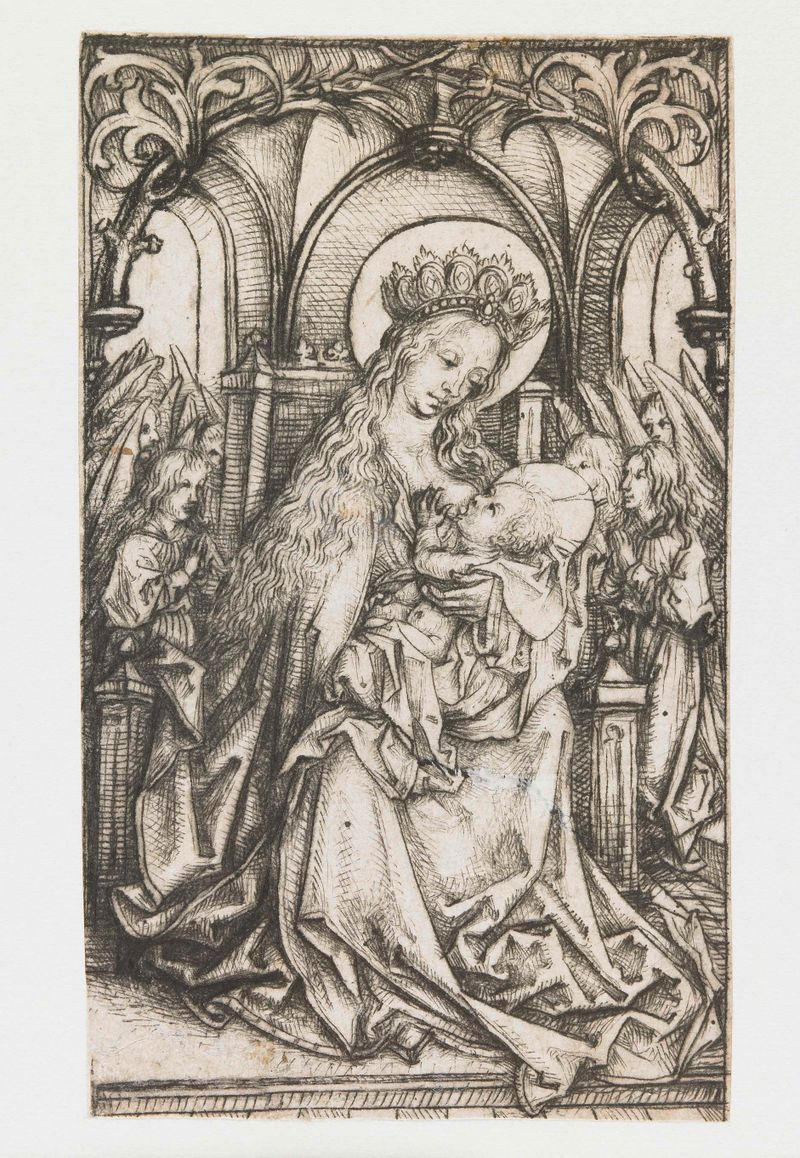
Tronende Madonna door engelen aanbeden
Meester van het Amsterdamse Kabinet

Het zegenend Christuskind
Meester van het Amsterdamse Kabinet
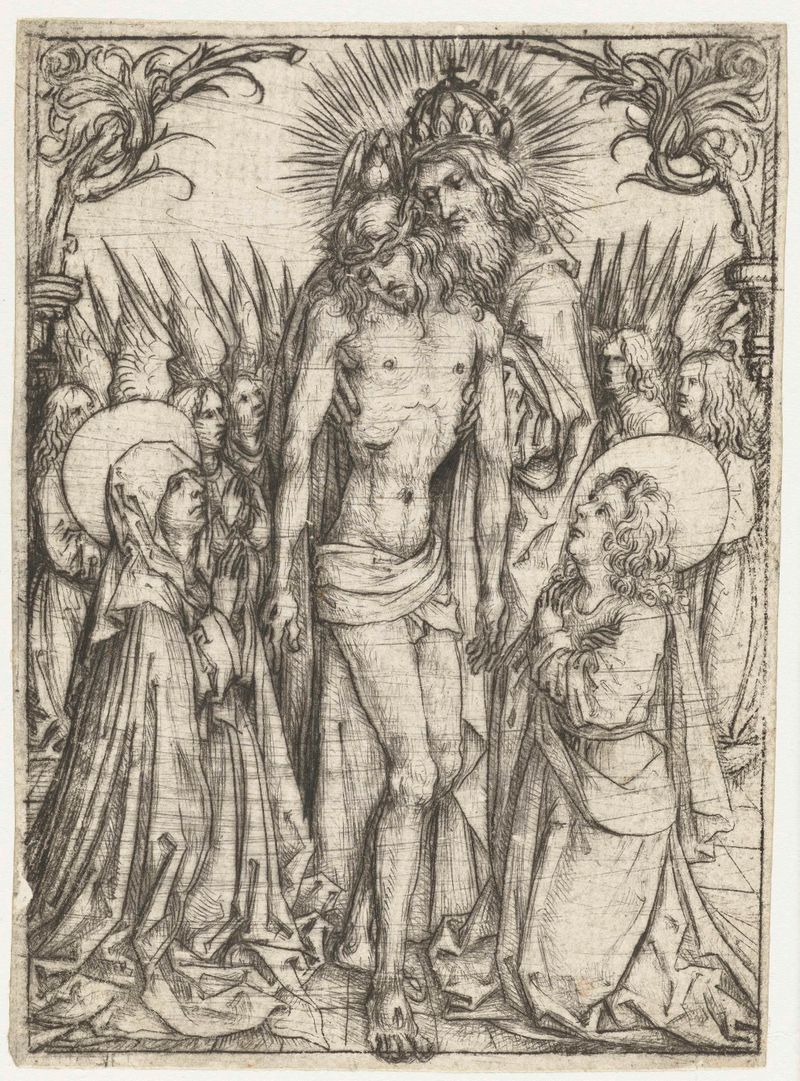
Aanbidding van de Heilige Drieëenheid door Maria, Johannes de Evangelist en engelen
Meester van het Amsterdamse Kabinet
More Religious Art
Browse all →
The Return of the Prodigal Son
Rembrandt van Rijn

The Garden of Earthly Delights
El Bosco

Count Orgaz’ funeral
El Greco

The Hundred Guilder Print: the central piece with Christ preaching, the plate arched
Rembrandt van Rijn

The Descent from the Cross
Rogier van der Weyden

The return of the prodigal son
Rembrandt van Rijn