
Twee schepen: een ijzeren varken en een waterschip — History & Facts
In a realm where chaos often overshadows serenity, the delicate balance found in this artwork serves as a gentle reminder of harmony amid contrast. Focus on the intricate details of the vessels depicted. To the left, the iron pig stands solidly, its metallic surface reflecting light with an almost unyielding presence. Meanwhile, the watership on the right appears fluid, the softness of its contours evoking a sense of movement and grace.
The artist’s choice of muted colors juxtaposes these two subjects, creating a visual dialogue that invites contemplation on the coexistence of strength and vulnerability. Delve deeper into the symbolism of the two ships. The iron pig can be seen as a representation of industrial power and permanence, while the watership may symbolize the ephemeral nature of life and emotion. Together, they embody the tension between stability and fluidity, suggesting the importance of balance in our own lives.
The gentle waves around the watership amplify this duality, reminding us that even in stillness, change is ever-present. Created around the mid-18th century, this piece emerges from a period marked by shifting artistic paradigms and the onset of the Enlightenment. While the artist remains unknown, this work encapsulates the era’s exploration of rationality and emotion. As the world began to turn toward new ideas, this painting reflects a deep appreciation for the equilibrium found in the interplay between manmade and natural forms.
More Artworks by Unknown Artist
Browse all →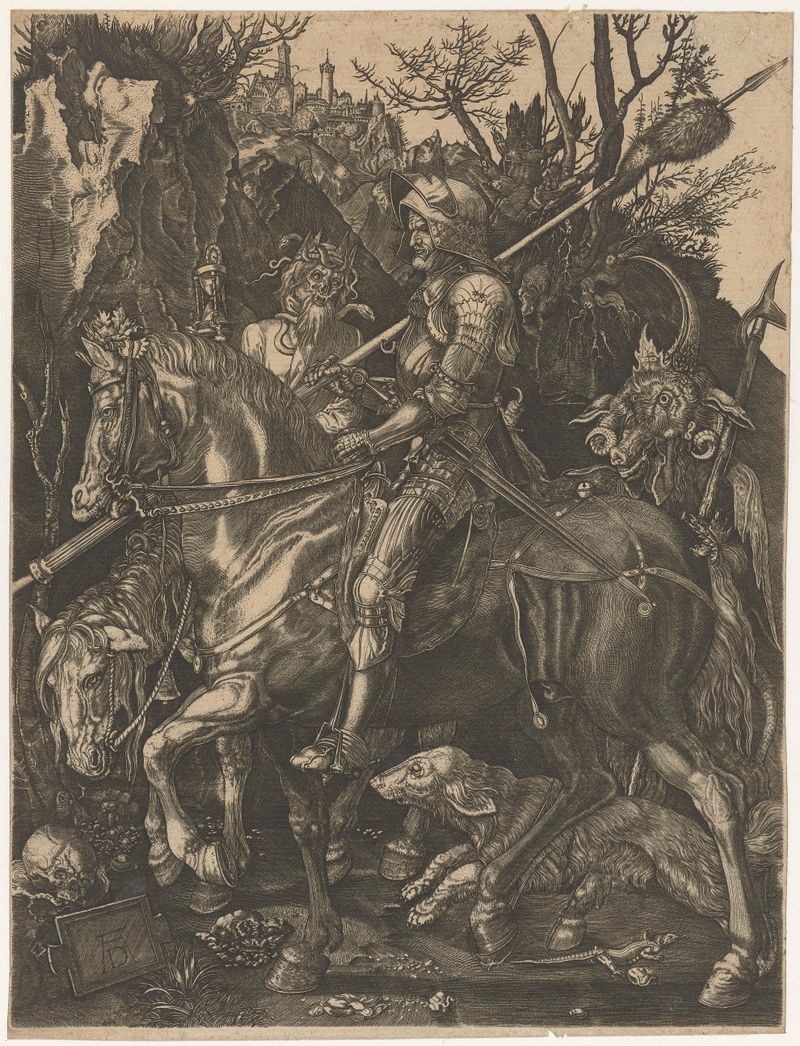
Ridder, Dood en Duivel
Unknown Artist
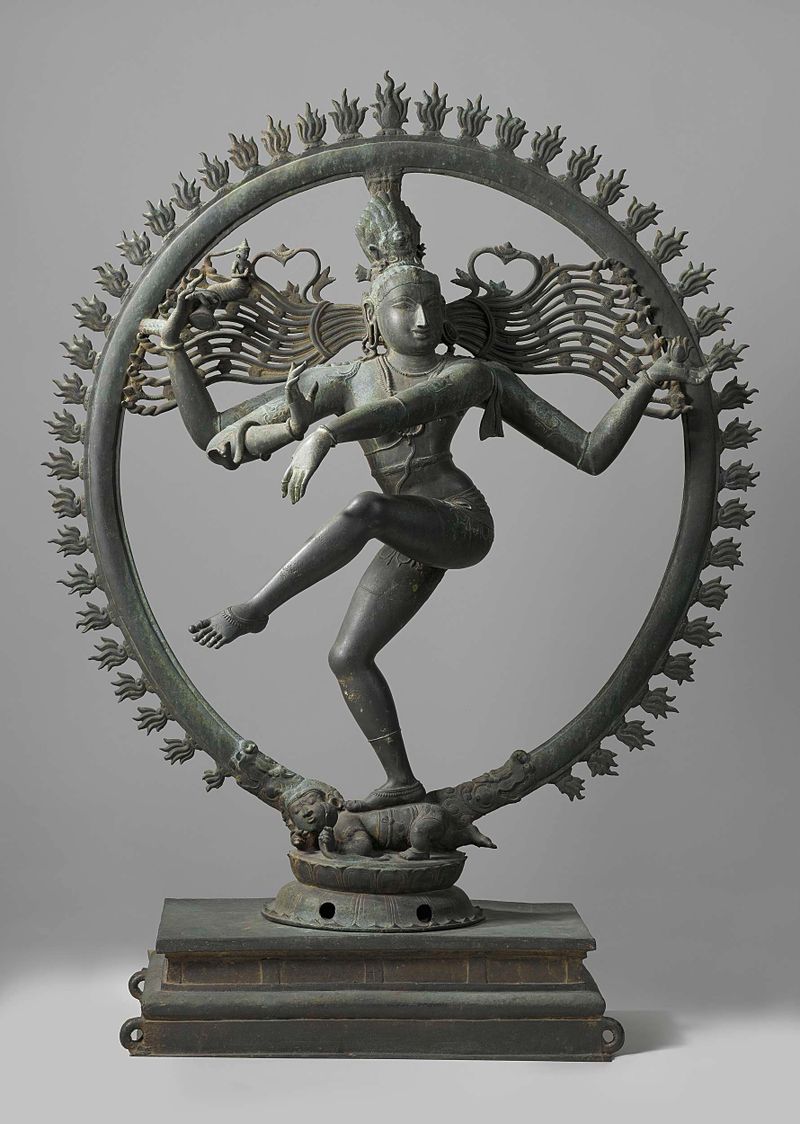
Shiva Nataraja
Unknown Artist
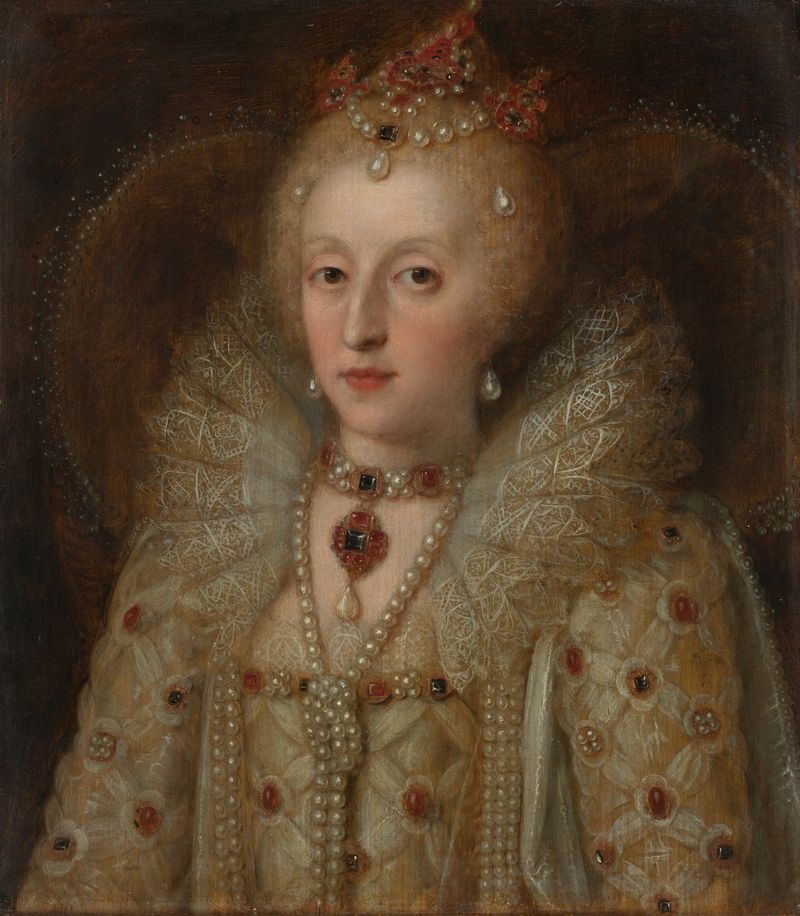
Portrait of Elizabeth I, Queen of England
Unknown Artist
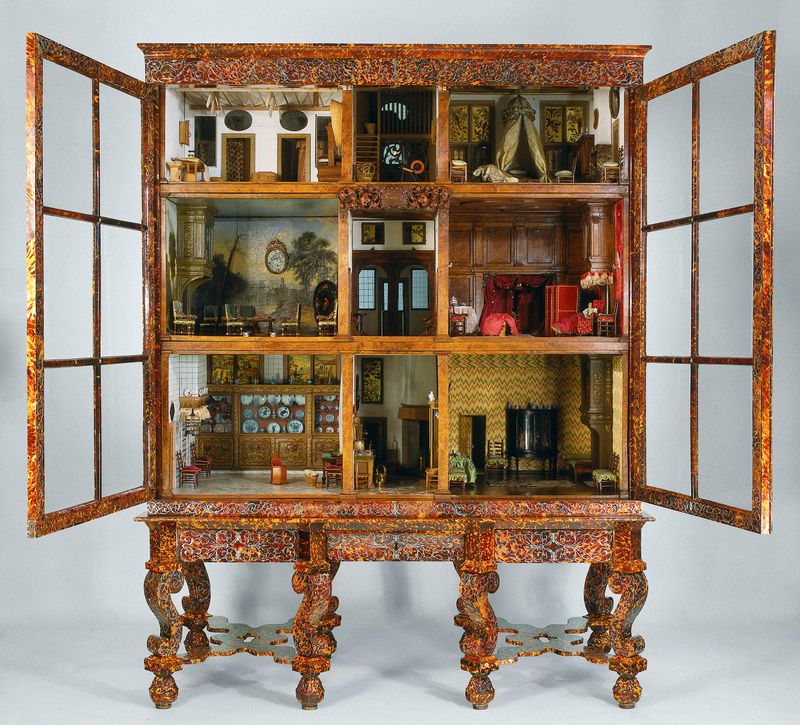
Dolls’ house of Petronella Oortman
Unknown Artist
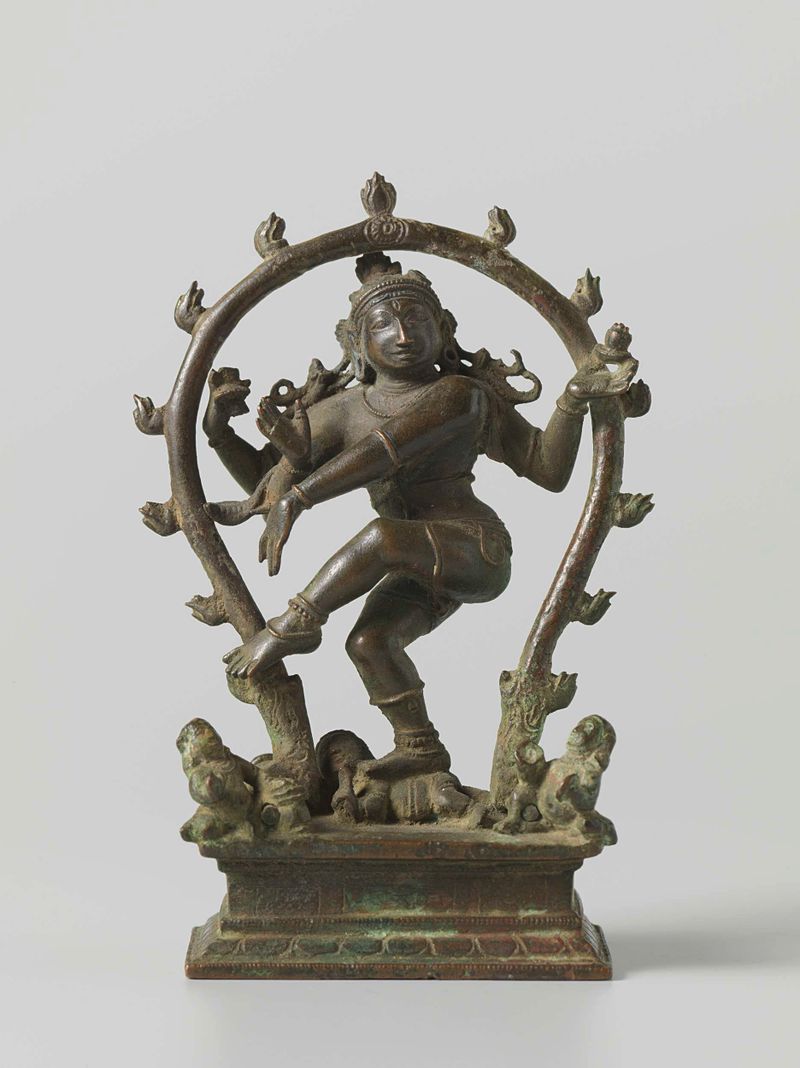
Shiva Nataraja
Unknown Artist

The Tale of Genji
Unknown Artist

The Tale of Genji
Unknown Artist

Cong
Unknown Artist
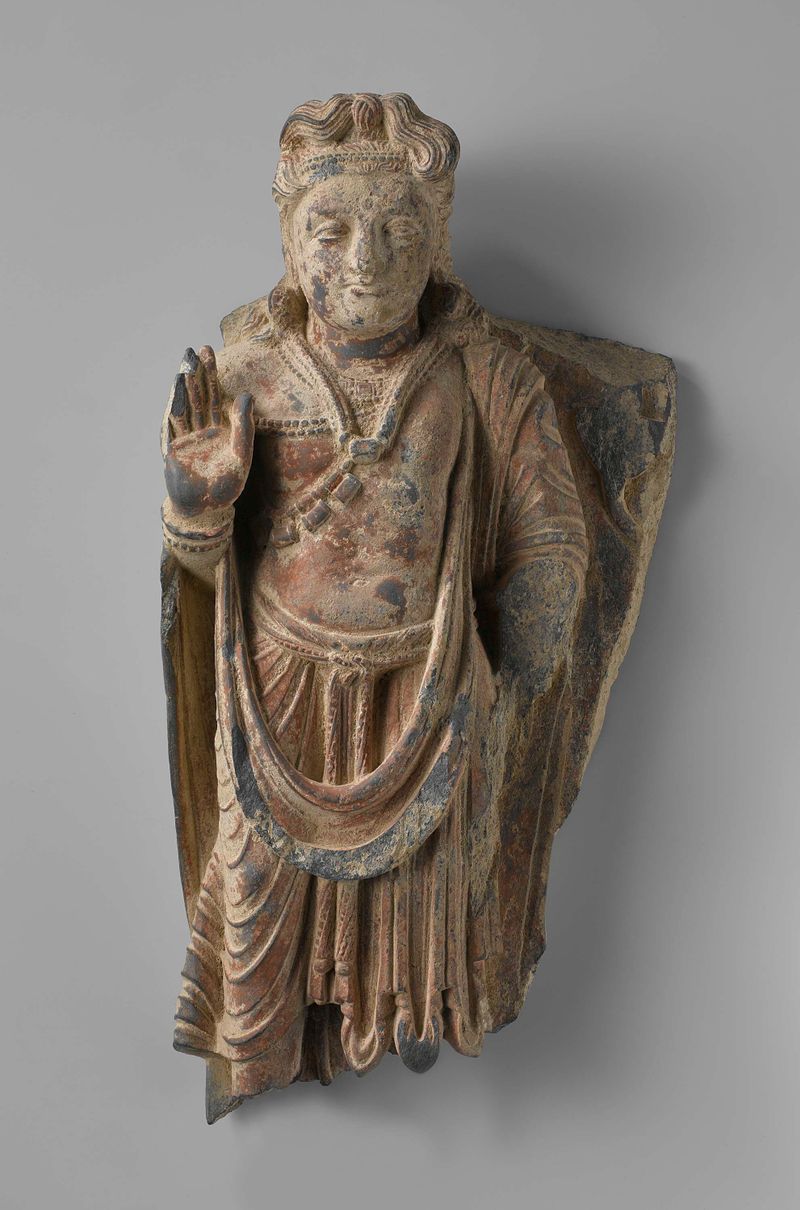
The bodhisattva Maitreya
Unknown Artist

Teabowl with a 'hare's fur' glaze
Unknown Artist





