
Discover insights about this artwork
Two Tahitian Women in a Landscape — History & Facts
In Two Tahitian Women in a Landscape, Paul Gauguin presents two women in traditional Tahitian attire, surrounded by a lush, tropical landscape. The colors are vibrant, with rich greens and blues dominating the scene. The figures are painted with bold, flat areas of color, emphasizing their forms against the background.
This work captures the essence of Tahiti's natural beauty and cultural identity. The painting is executed in oil on canvas, a medium that allows for the vivid colors and textures seen in Gauguin's work. The approximate dimensions are 90 x 73 cm, making it a sizable piece that draws the viewer in. The composition is characterized by its strong use of color and simplified forms, typical of Gauguin's Post-Impressionist style.
The brushwork is expressive, contributing to the overall emotional impact of the piece. Paul Gauguin created Two Tahitian Women in a Landscape during his time in Tahiti, where he sought to escape European society and explore a more primitive way of life. This painting reflects his fascination with the local culture and the natural environment. An interesting fact about this work is that it exemplifies Gauguin's departure from traditional European techniques, embracing a more symbolic and expressive approach.
The painting is now housed in the Musee d'Orsay in Paris, France.
More Artworks by Paul Gauguin
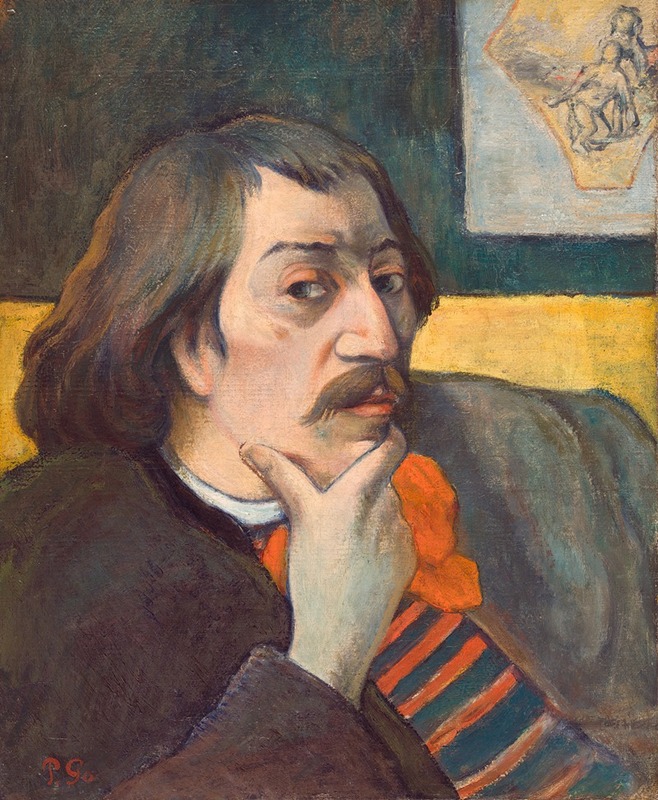
Self Portrait
Paul Gauguin
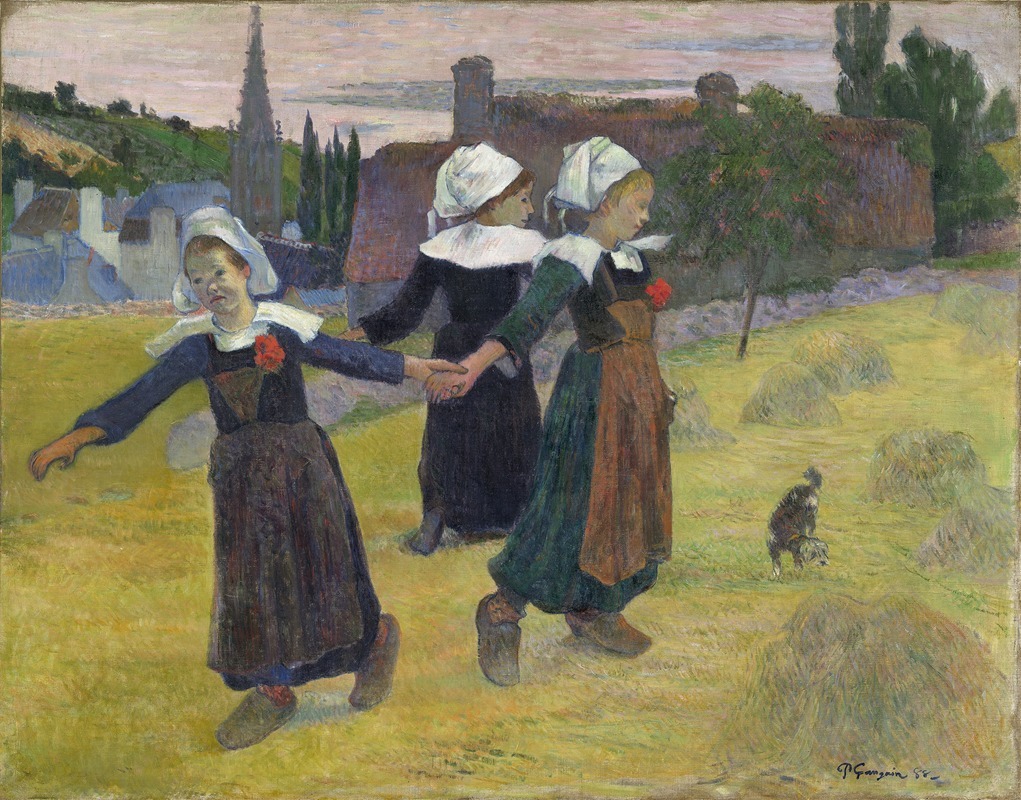
Breton Girls Dancing,Pont-Aven
Paul Gauguin
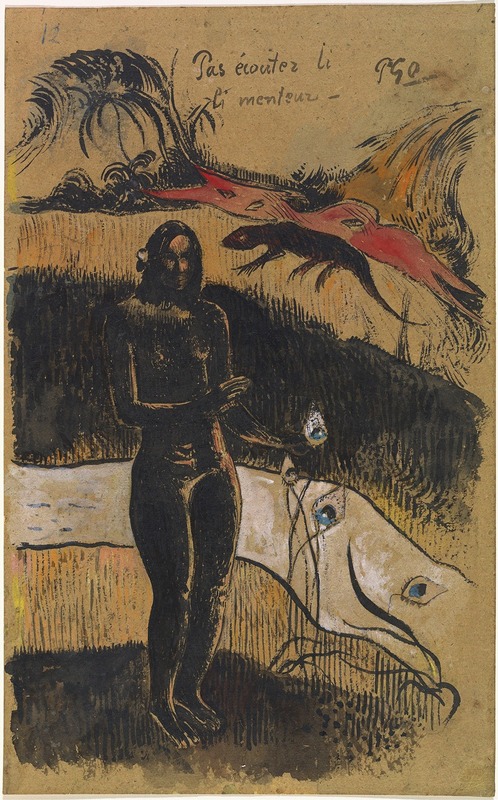
Nave Nave Fenua
Paul Gauguin
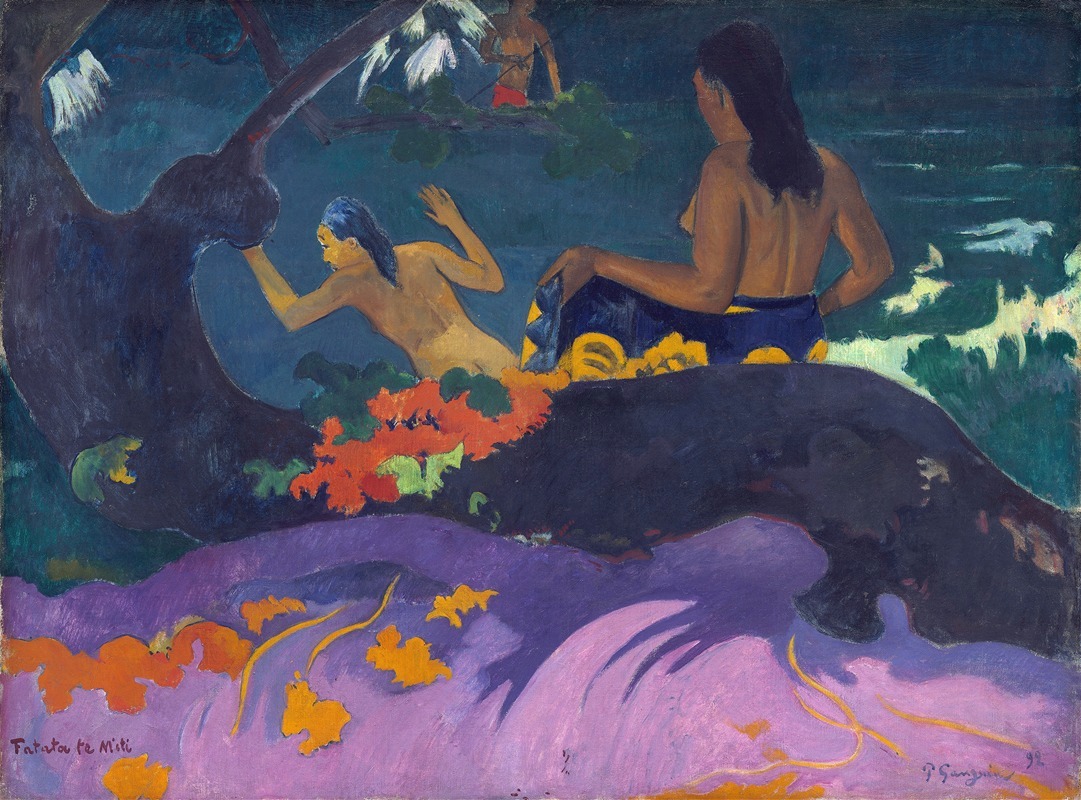
Fatata te Miti (By the Sea)
Paul Gauguin
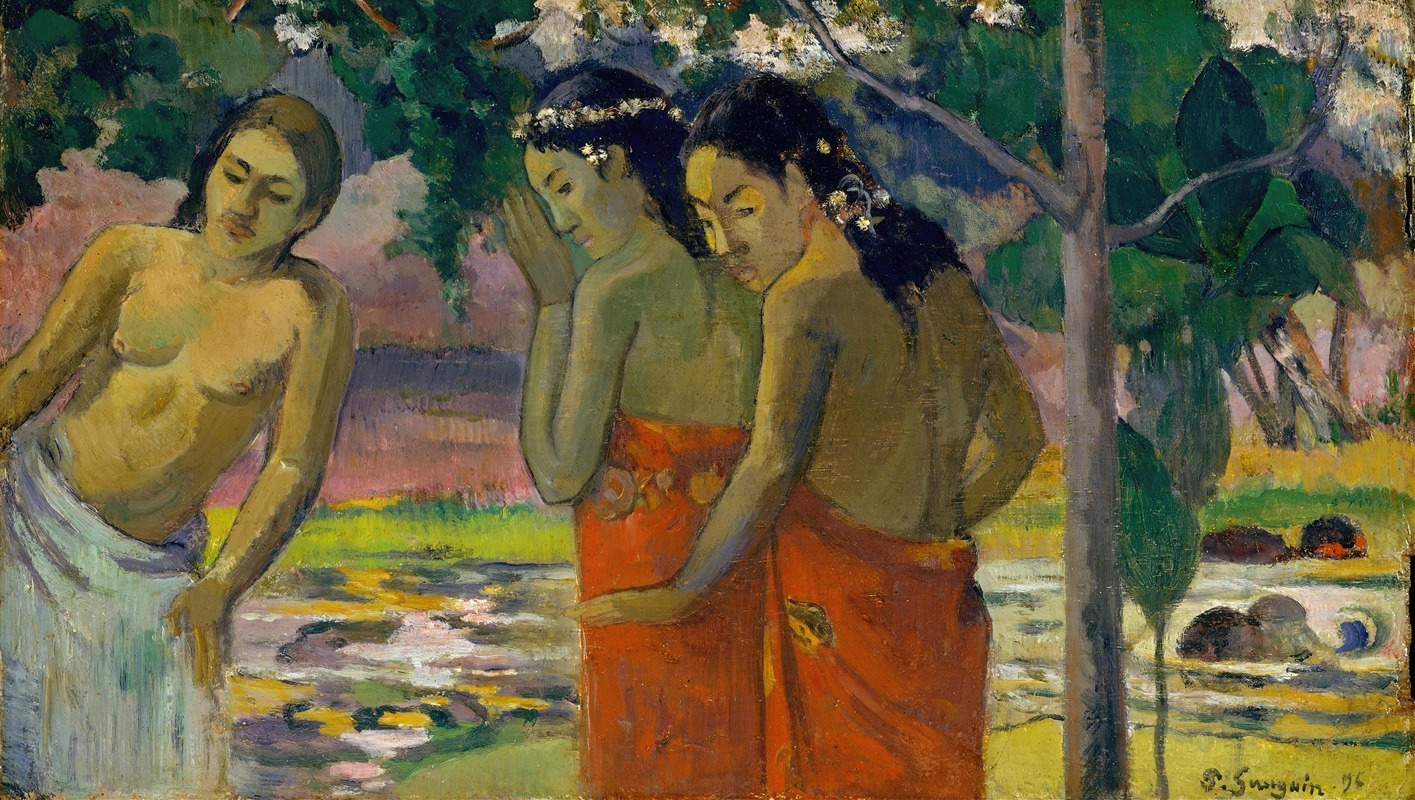
Three Tahitian Women
Paul Gauguin
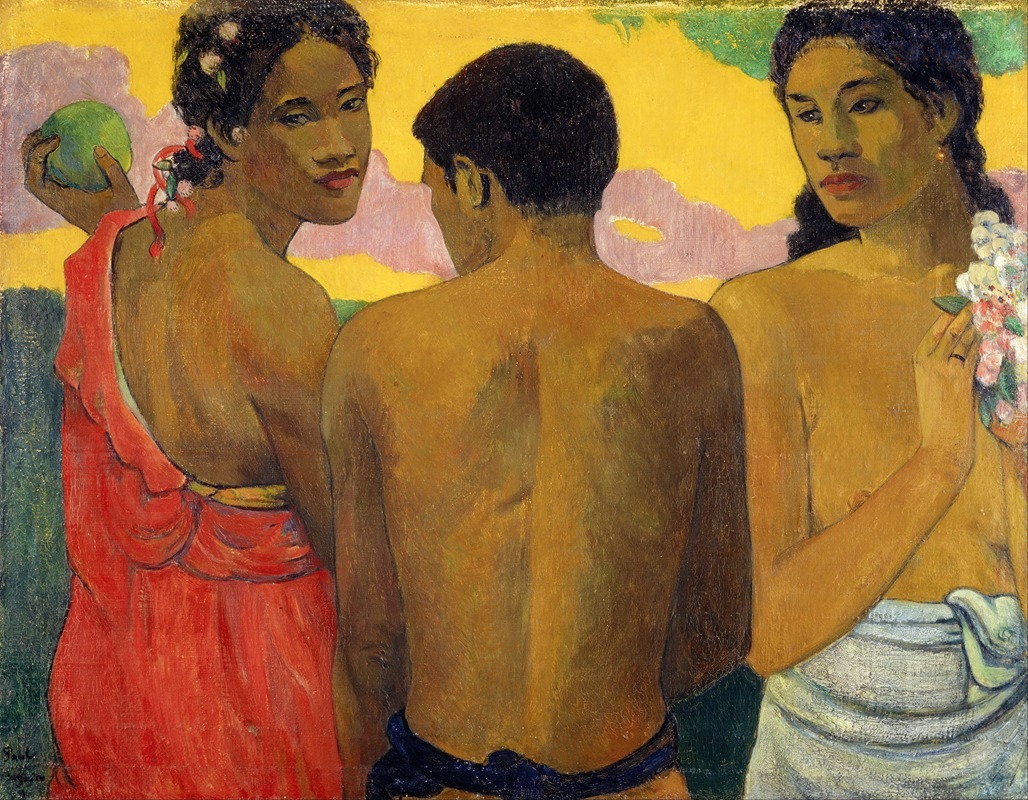
Three Tahitians
Paul Gauguin
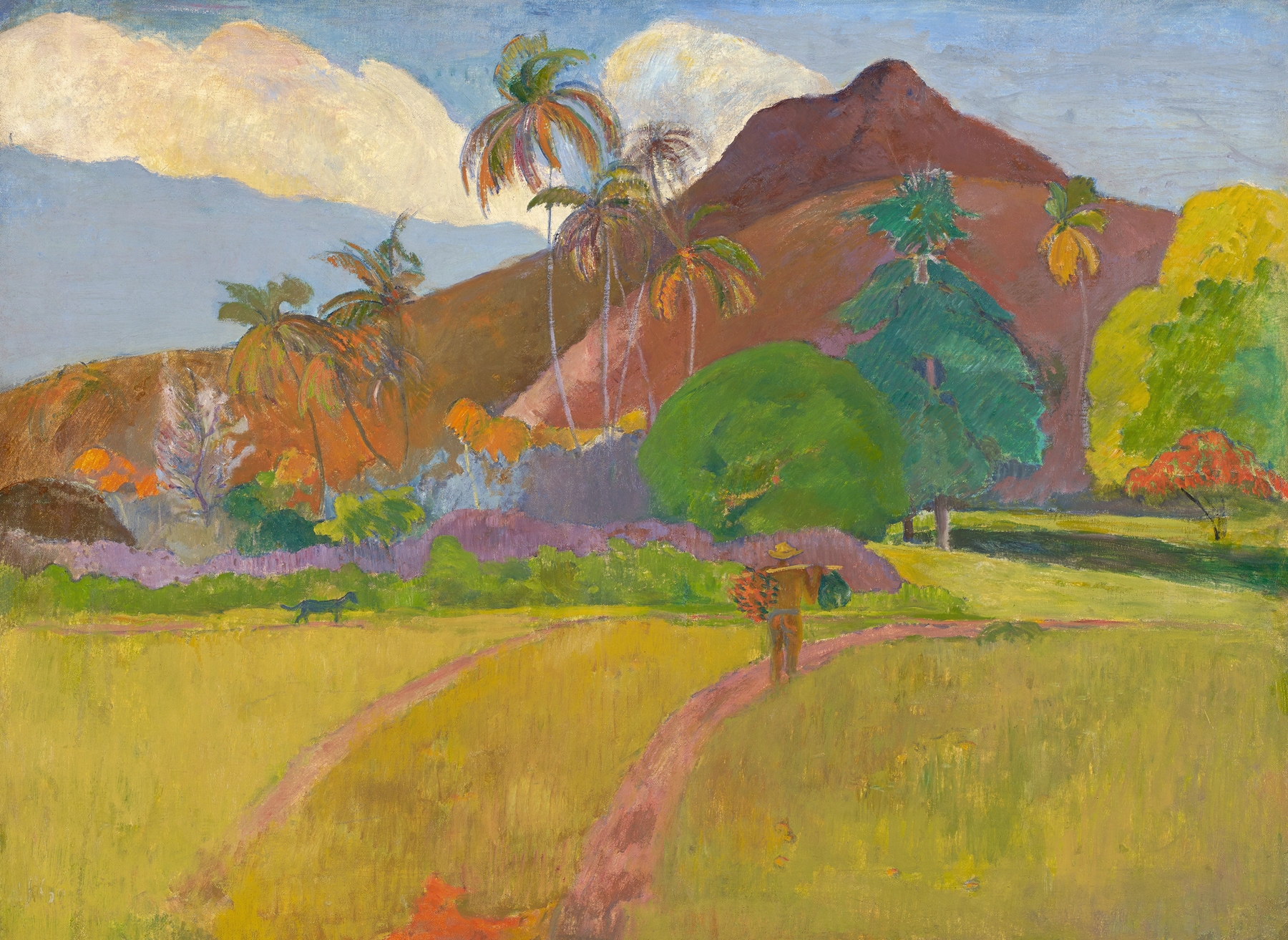
Tahitian Landscape
Paul Gauguin
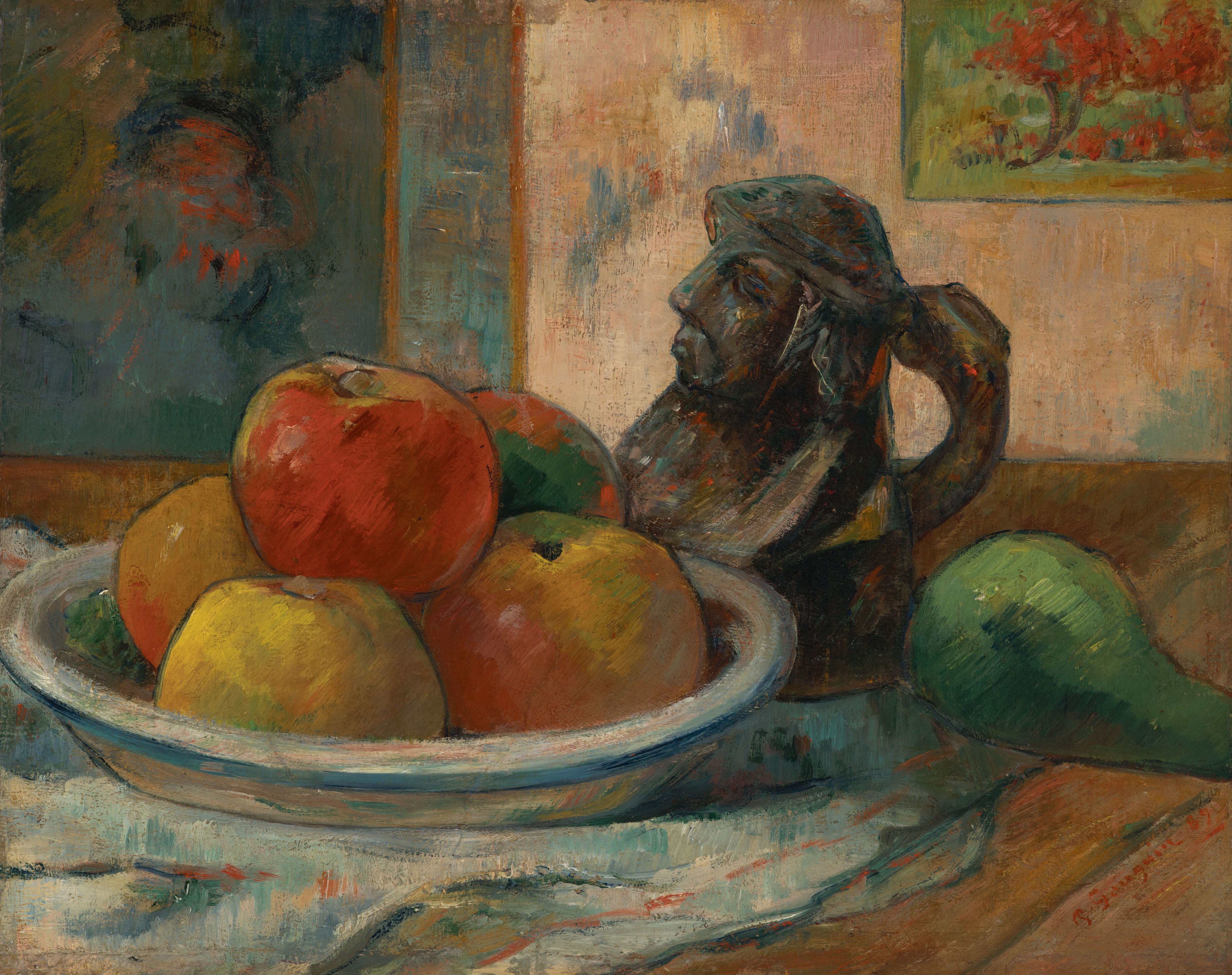
Still Life with Apples, a Pear, and a Ceramic Portrait Jug
Paul Gauguin
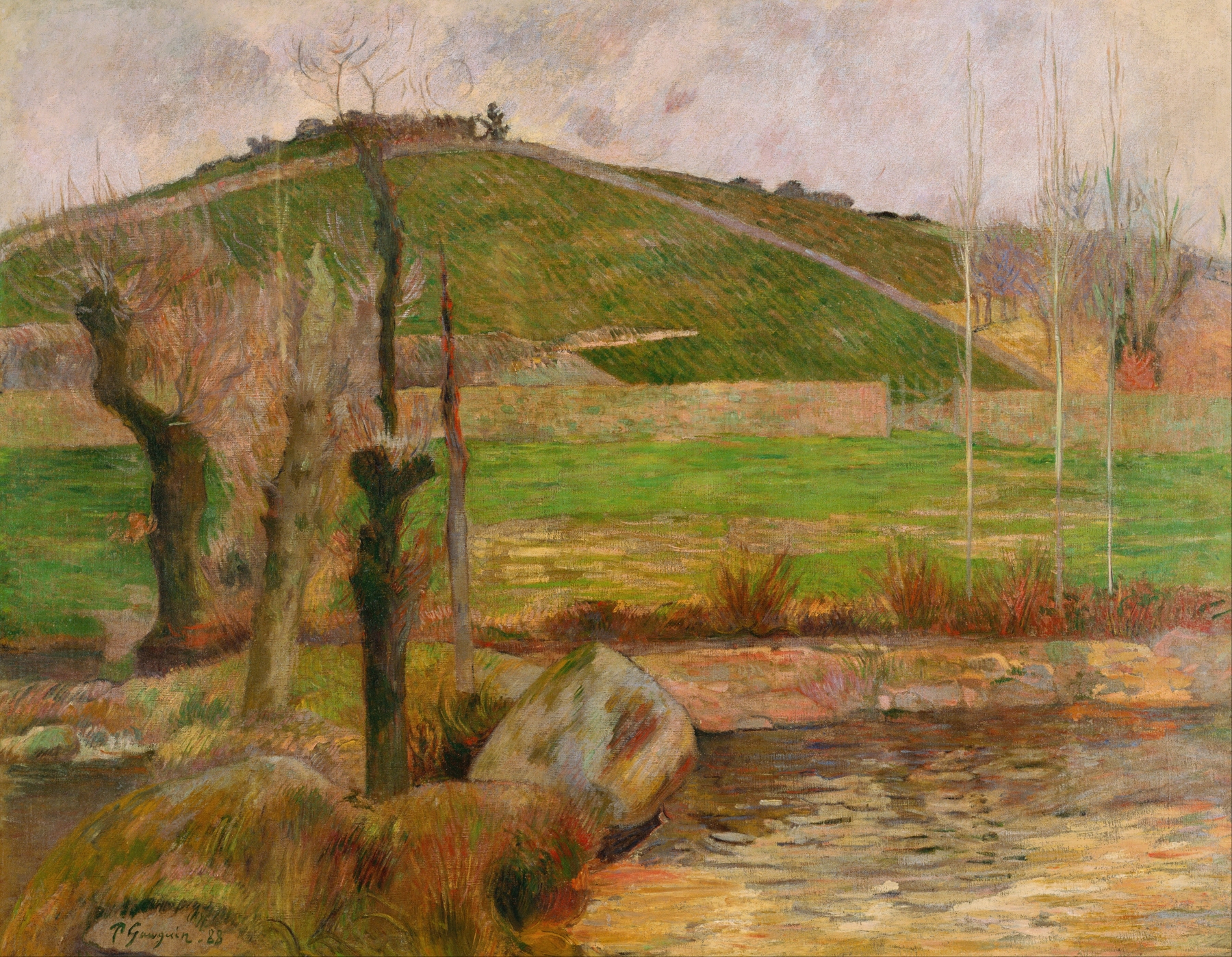
Landscape near Pont-Aven
Paul Gauguin

No te aha oe riri (Why Are You Angry?)
Paul Gauguin
More Landscape Art
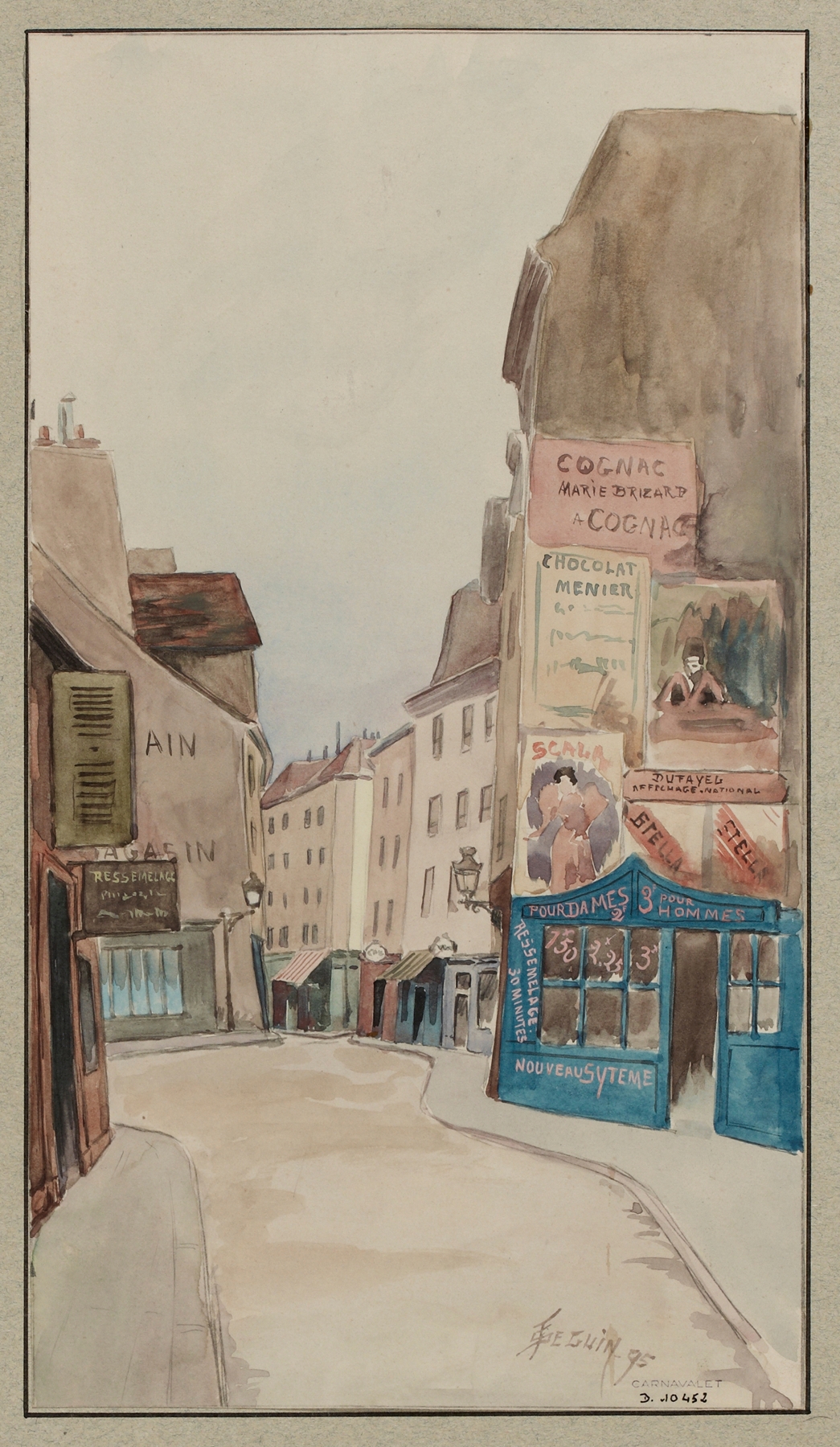
Rue Descartes
F. Séguin
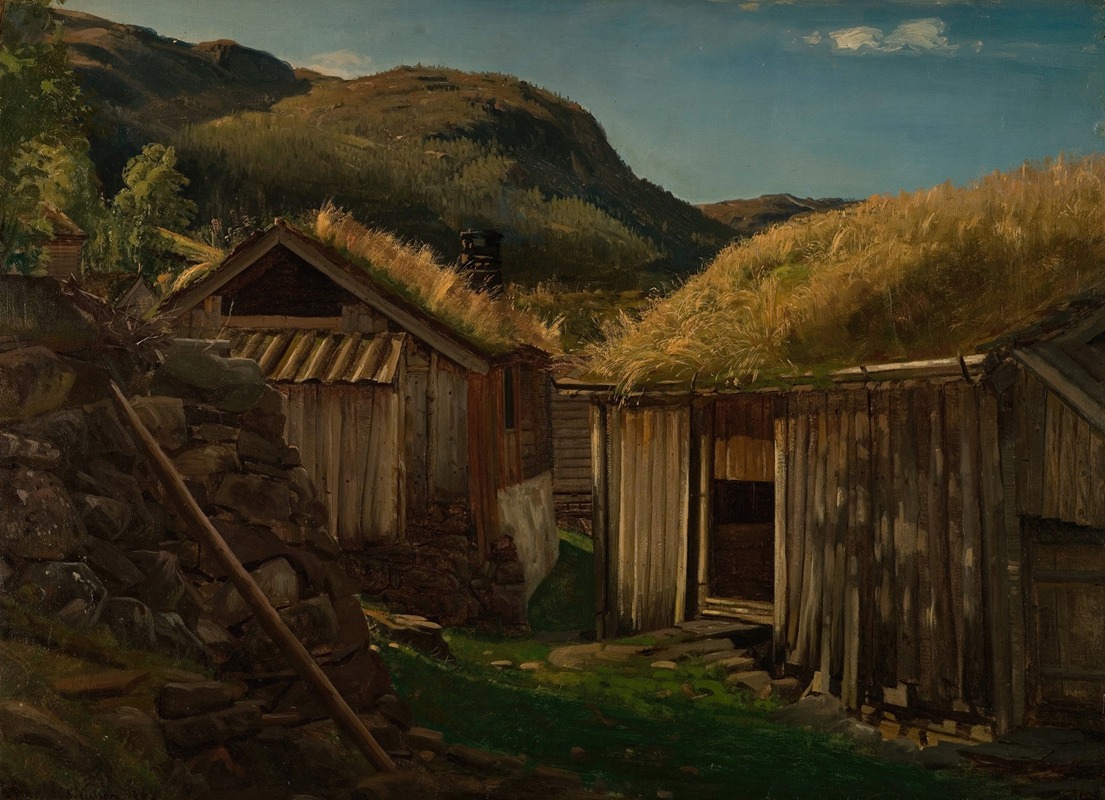
Aarhus, Suldal, Ryfylke
Amaldus Nielsen
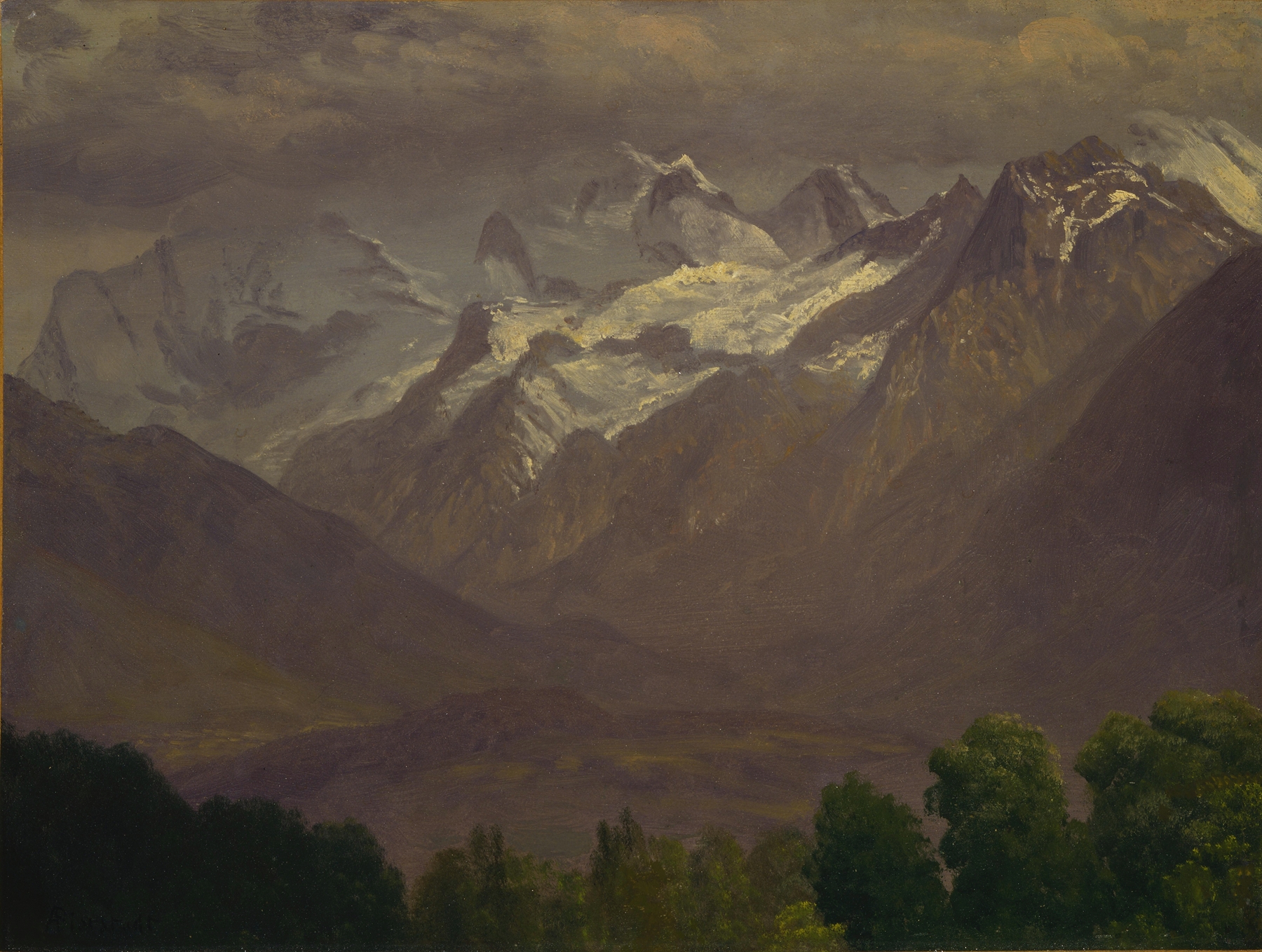
In the High Mountains
Albert Bierstadt
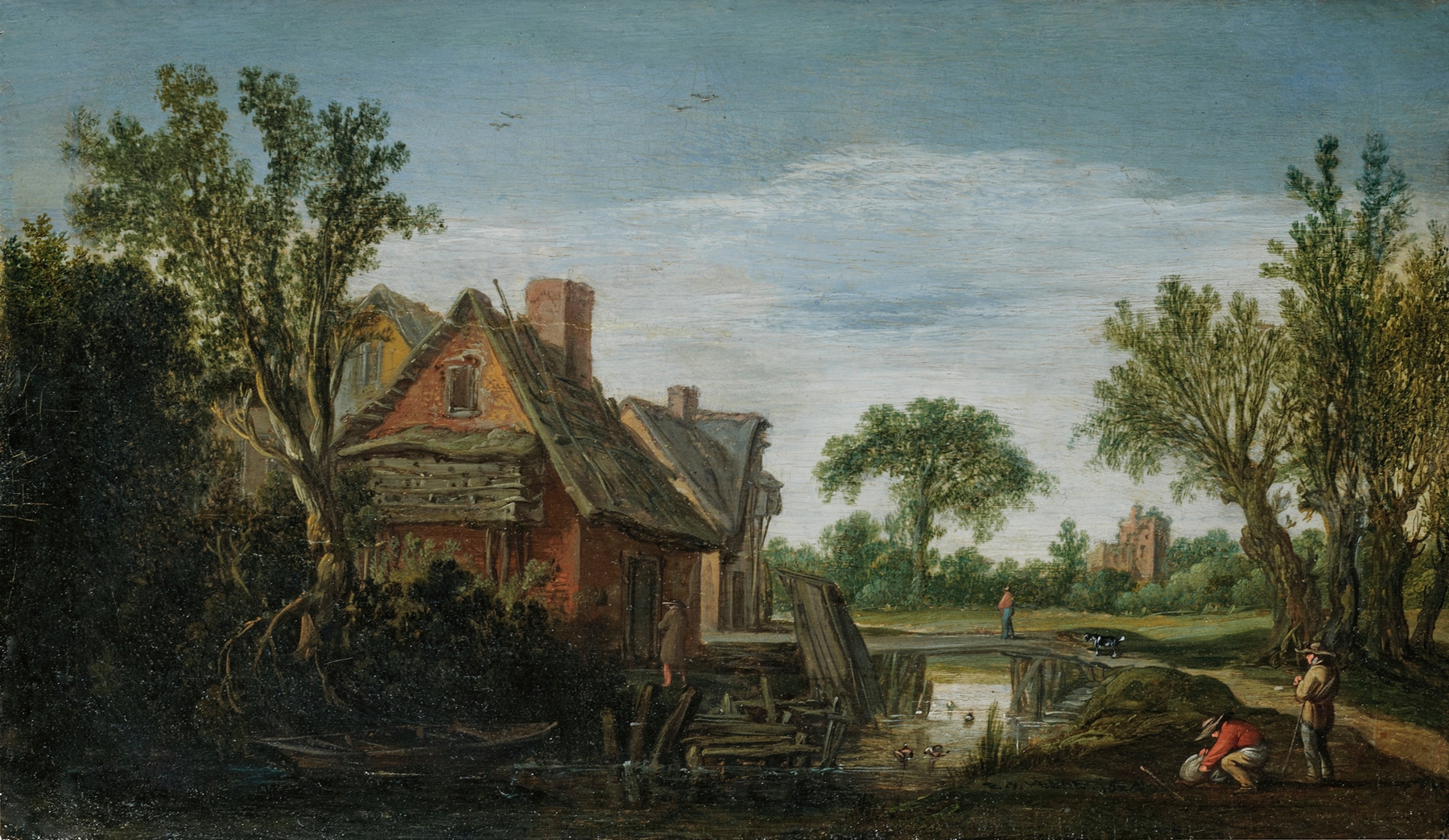
The Hague A Wooded River Landscape With Figures On A Path On A River Bank Beside A Village, A Bridge Beyond
Esaias van de Velde
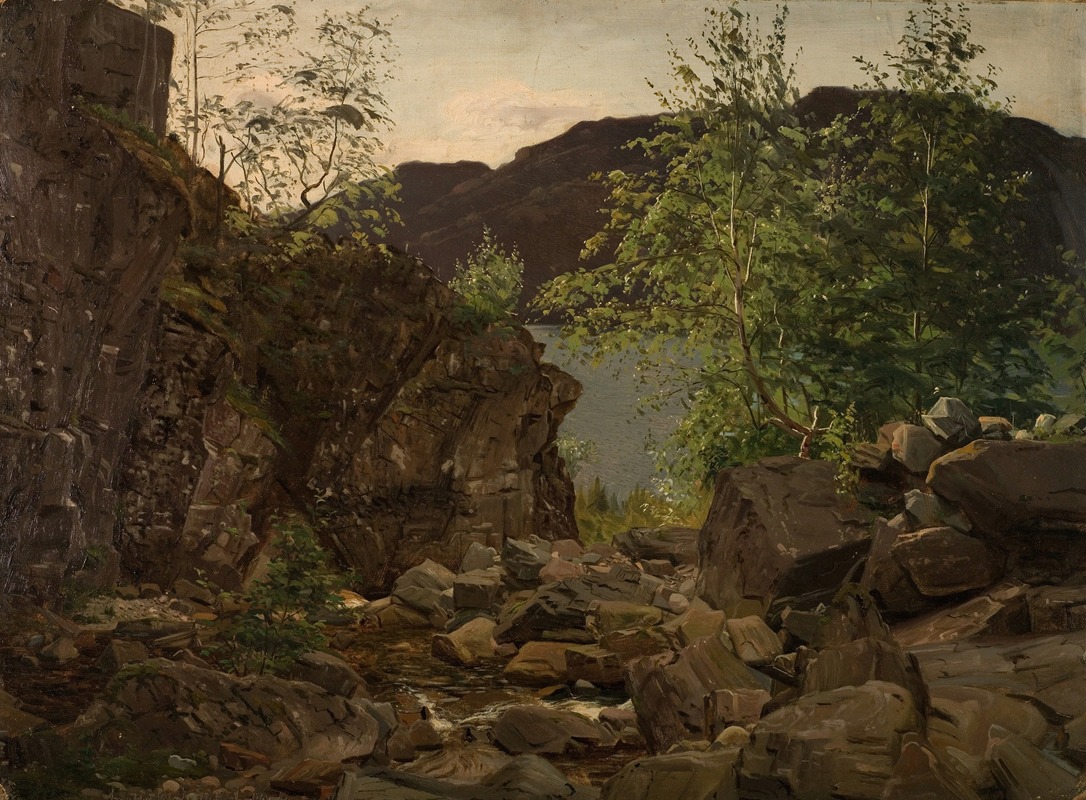
Aarhus, Suldal, Ryfylke
Amaldus Nielsen
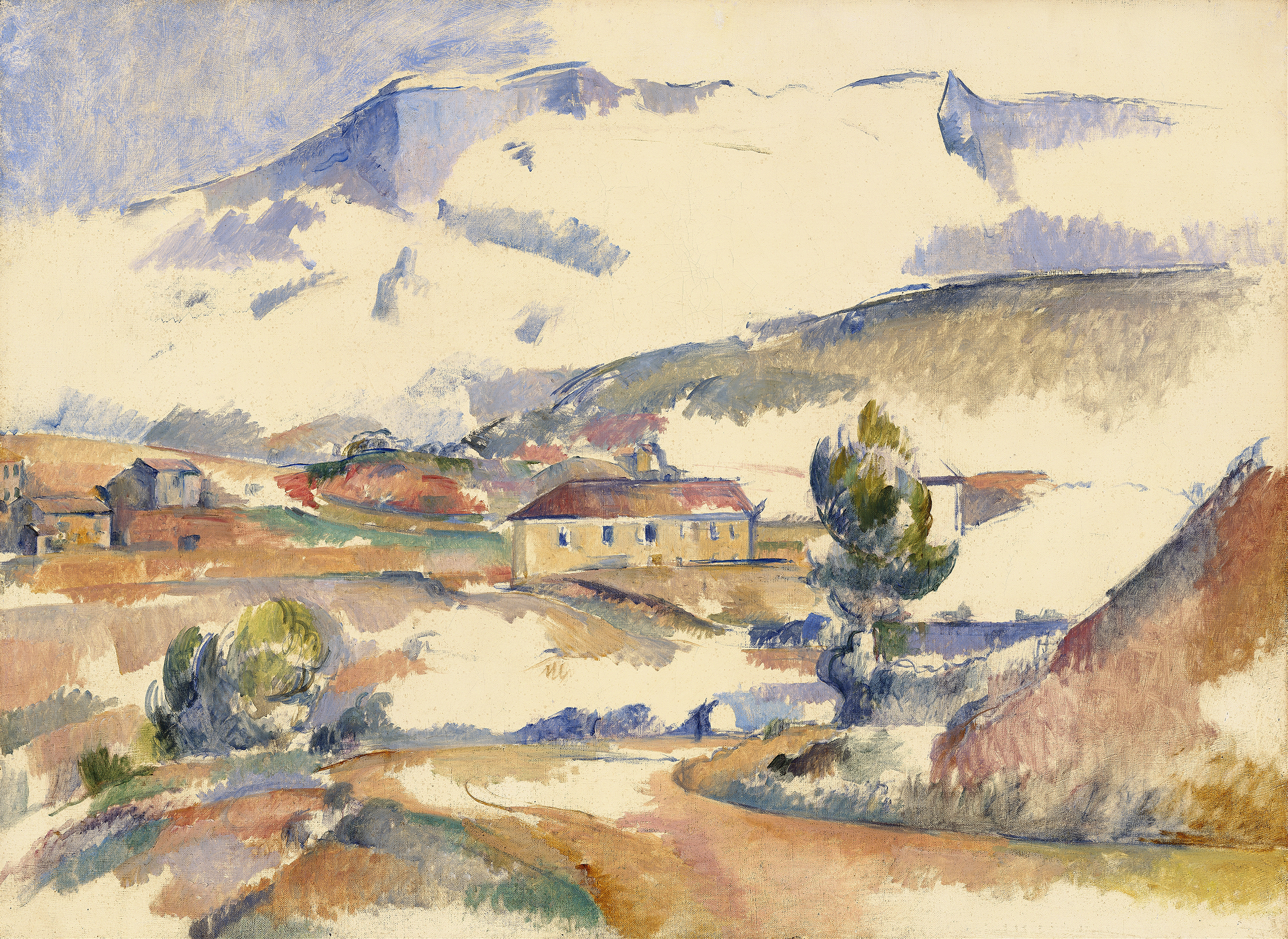
Montagne Sainte-Victoire,from near Gardanne
Paul Cezanne