
Two Views of Dutch East India Company Trading Posts; Lawec in Cambodia and Banda in the Southern Moluccas — History & Facts
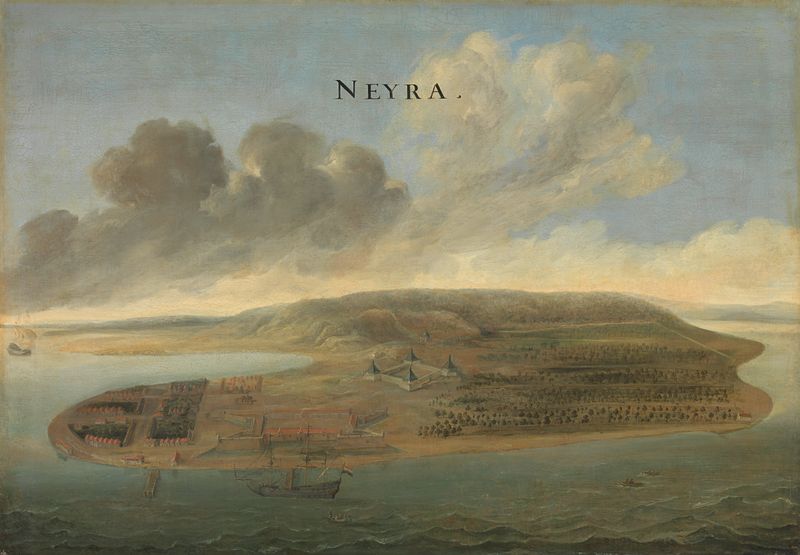
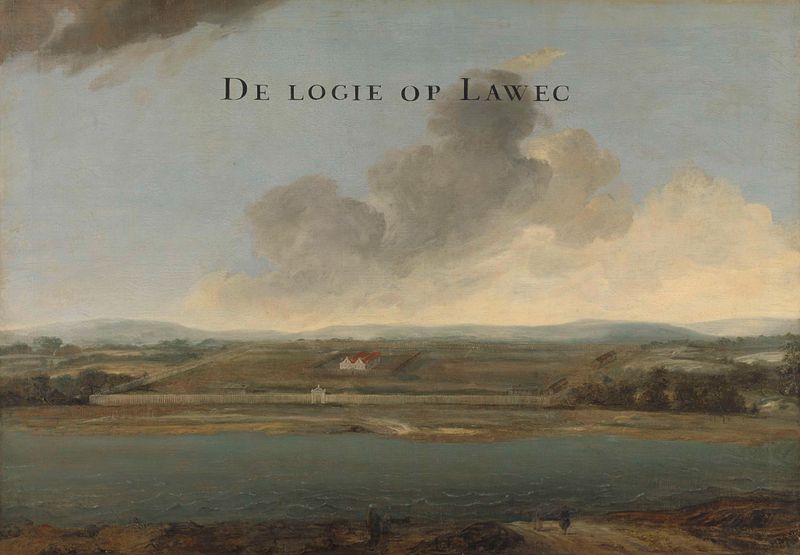
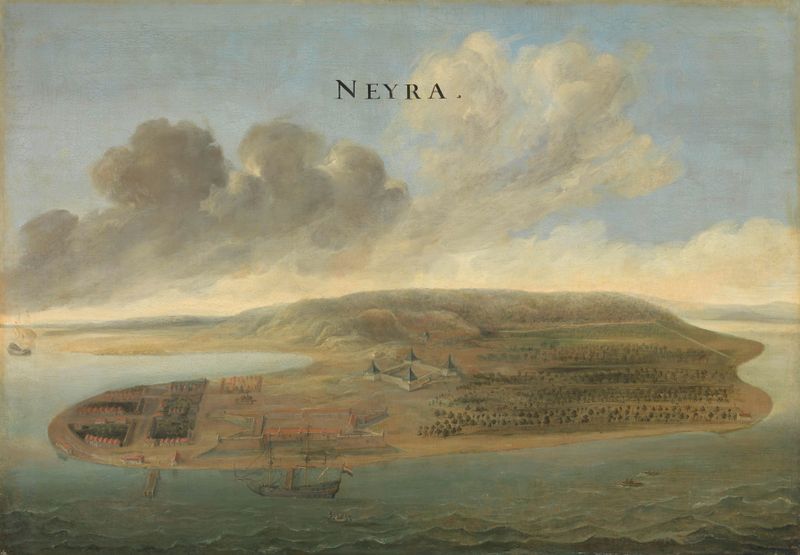
Is this a mirror — or a memory? The swirling chaos of commerce and conquest blurs the lines of time and place, capturing a moment where ambition meets the untamed world. Look to the left where the bustling trading post at Lawec unfolds. The vibrant hues of ochre and azure evoke the shimmering waters of Cambodia, contrasting with the earthy tones of the palm trees swaying above. Your gaze naturally follows the diagonal lines of the ships' sails, stretching across the canvas, guiding you toward the lively interaction between traders and local inhabitants.
Notice how the light dances across the water, suggesting both opportunity and danger in equal measure. Amidst the vivid scenes, subtle tensions emerge. The duality of the composition reflects not only the geographical distance between Lawec and Banda but also a deeper conflict between cultures. In the tradesmen’s animated gestures, one might detect desperation overshadowed by hope, revealing the chaos of human desire.
The juxtaposition of serene tropical landscapes against the frenetic activity of commerce embodies the struggle for balance between nature and civilization. Painted between 1662 and 1663, the artist found himself in a period marked by the Dutch Republic's peak in maritime power, yet fraught with competition and conflict. Vinckboons, known for his meticulous detail and rich colors, sought to illustrate the complex dynamics of trade and colonization during this era. The artwork serves as a testament to both the promise and peril of expansion into foreign lands, capturing a moment where ambition and chaos intertwine.
More Artworks by Johannes Vinckboons
Browse all →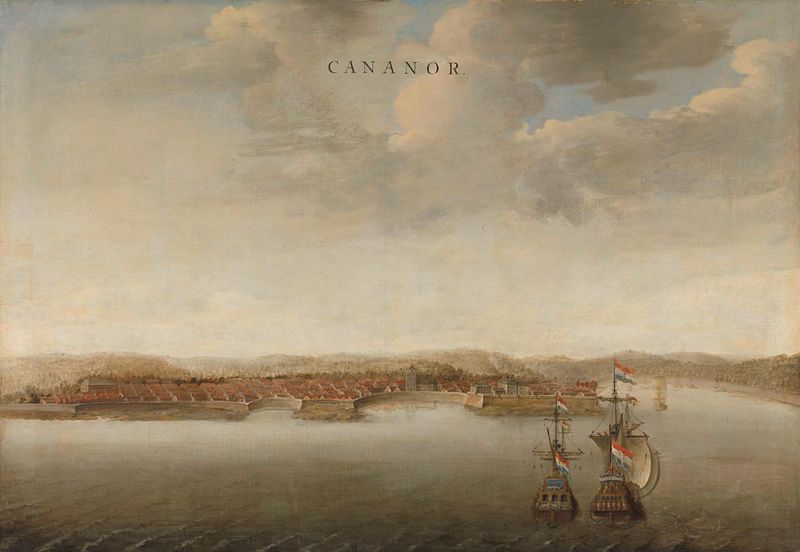
Trading posts of the Dutch East India Company (VOC)
Johannes Vinckboons
Two Views of Dutch East India Company Trading Posts: Lawec in Cambodia and Banda in the Southern Moluccas
Johannes Vinckboons

View of Canton in China
Johannes Vinckboons
Two Views of Dutch East India Company Trading Posts: Lawec in Cambodia and Banda in the Southern Moluccas
Johannes Vinckboons

View of Cochin on the Malabar Coast of India
Johannes Vinckboons
Two Views of Dutch East India Company Trading Posts; Lawec in Cambodia and Banda in the Southern Moluccas
Johannes Vinckboons
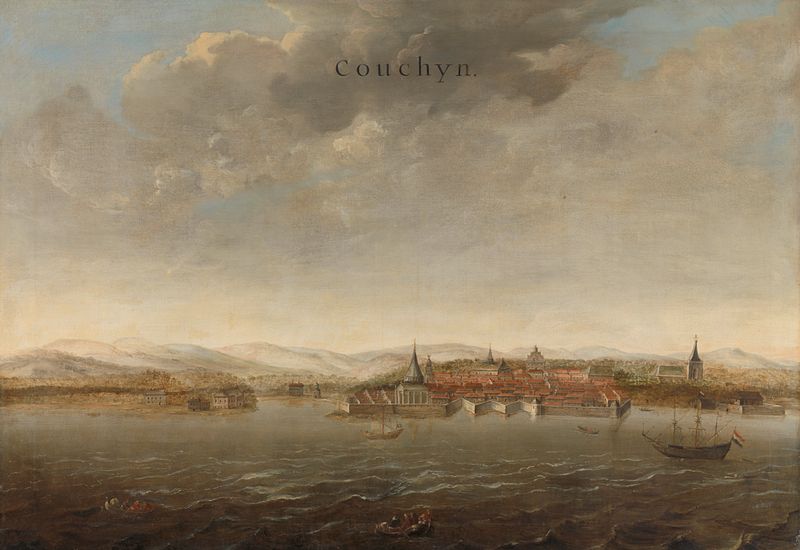
Trading posts of the Dutch East India Company (VOC)
Johannes Vinckboons
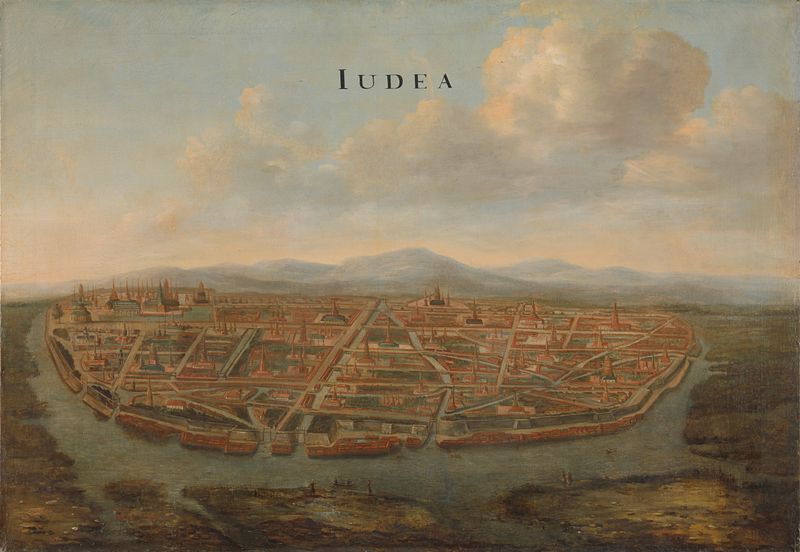
Trading posts of the Dutch East India Company (VOC)
Johannes Vinckboons
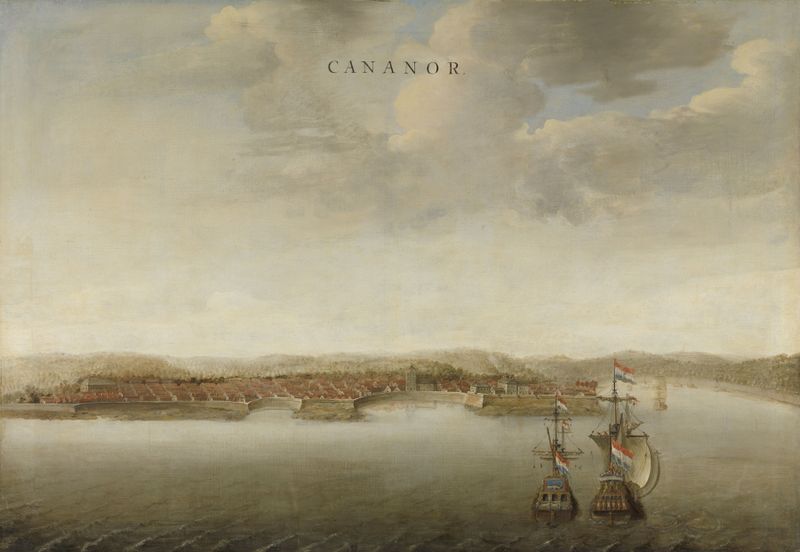
View of Cannanore on the Malabar Coast in India
Johannes Vinckboons
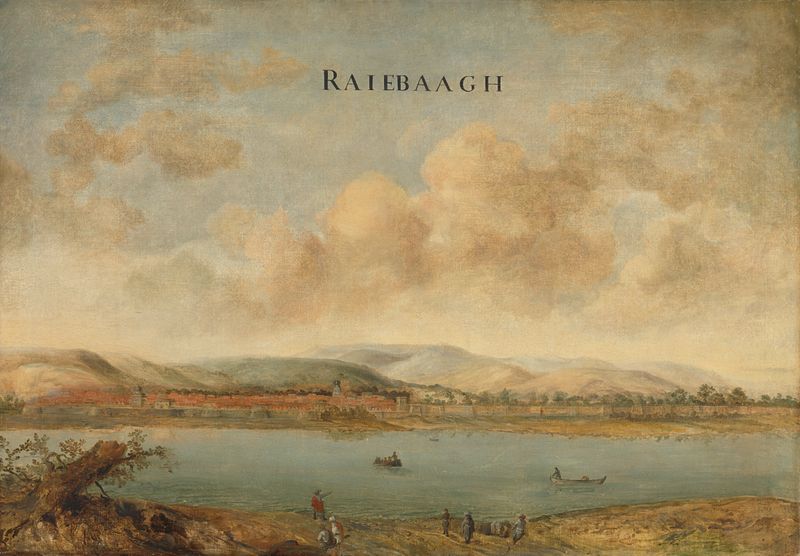
View of the City of Raiebaagh in Visiapoer, India
Johannes Vinckboons
More Historical Art
Browse all →
The Night Watch Militia Company of District II under the Command of Captain Frans Banninck Cocq
Rembrandt van Rijn

Lincoln Memorial
Henry Bacon

The Third of May 1808
Francisco de Goya

Isaac and Rebecca, Known as ‘The Jewish Bride’
Rembrandt van Rijn

The Charge of the Mamelukes (1814)
Francisco de Goya

De vier ruiters van de apocalyps
Albrecht Dürer