
Tyrolean Shrine — History & Facts
In the delicate interplay between memory and imagination, we find a sanctuary where time suspends itself, allowing for introspection and quiet reflection. Look to the center of the canvas, where the shrine's ornate structure rises against a soft backdrop of earthy tones. Notice how the light gently caresses the details of the altar, illuminating the rich textures and vibrant colors that suggest devotion and history. Sargent’s brushwork, both fluid and precise, draws the eye to the intricate carvings and the serene expressions etched into the figures surrounding the shrine, inviting viewers to pause and consider the weight of their significance. As you explore further, consider the juxtaposition of the ornate and the humble.
The shrine, a symbol of reverence, stands in contrast to the simplicity of the surrounding landscape, which whispers of nature’s unadorned beauty. This tension between the sacred and the natural evokes a sense of nostalgia, prompting reflections on personal beliefs and the cherished moments that shape our identities. The quiet presence of the shrine serves as a gateway to the past, connecting memory with the act of creation itself. In 1871, Sargent created this work while living in Europe, longing for recognition and grappling with the expectations of the art world.
The burgeoning impressionist movement was reshaping the landscape of artistic expression, and Sargent’s unique style, poised between realism and impressionism, began to emerge. This painting marks a pivotal moment in his career, revealing his ability to capture both the grandeur and the intimacy of human experience.
More Artworks by John Singer Sargent
Browse all →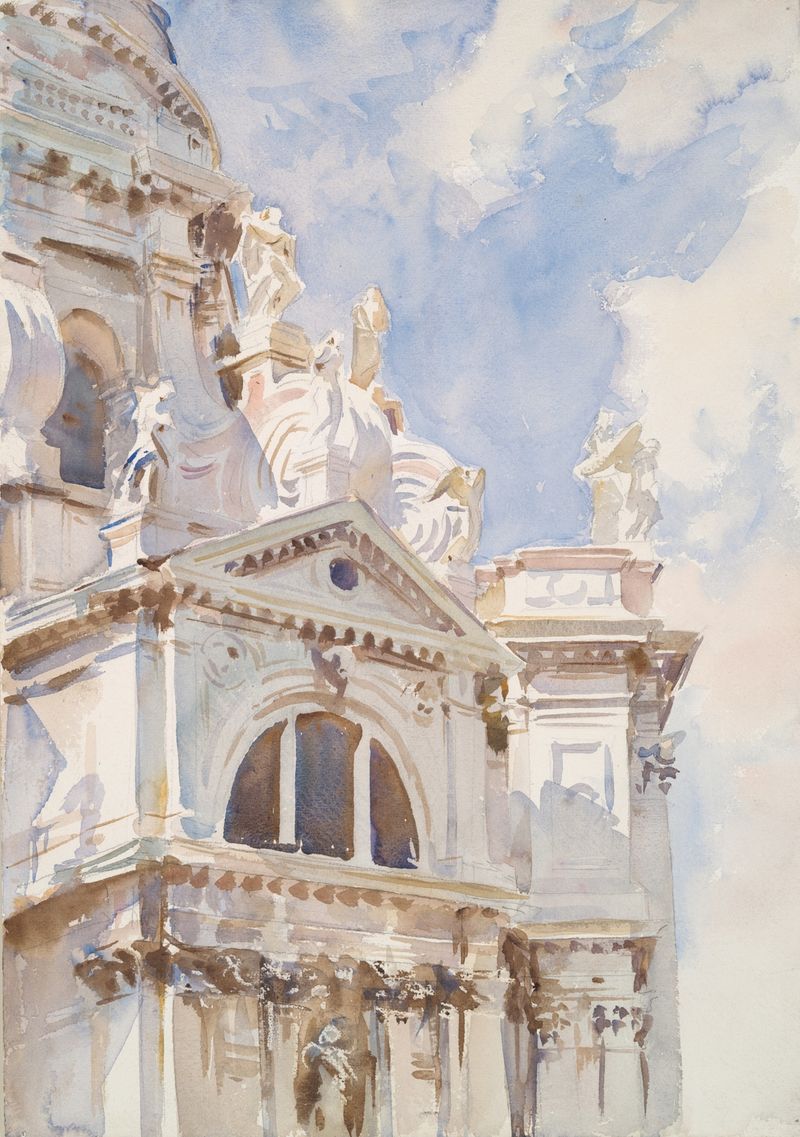
The Salute, Venice
John Singer Sargent

Mrs. Charles Deering (Marion Denison Whipple)
John Singer Sargent
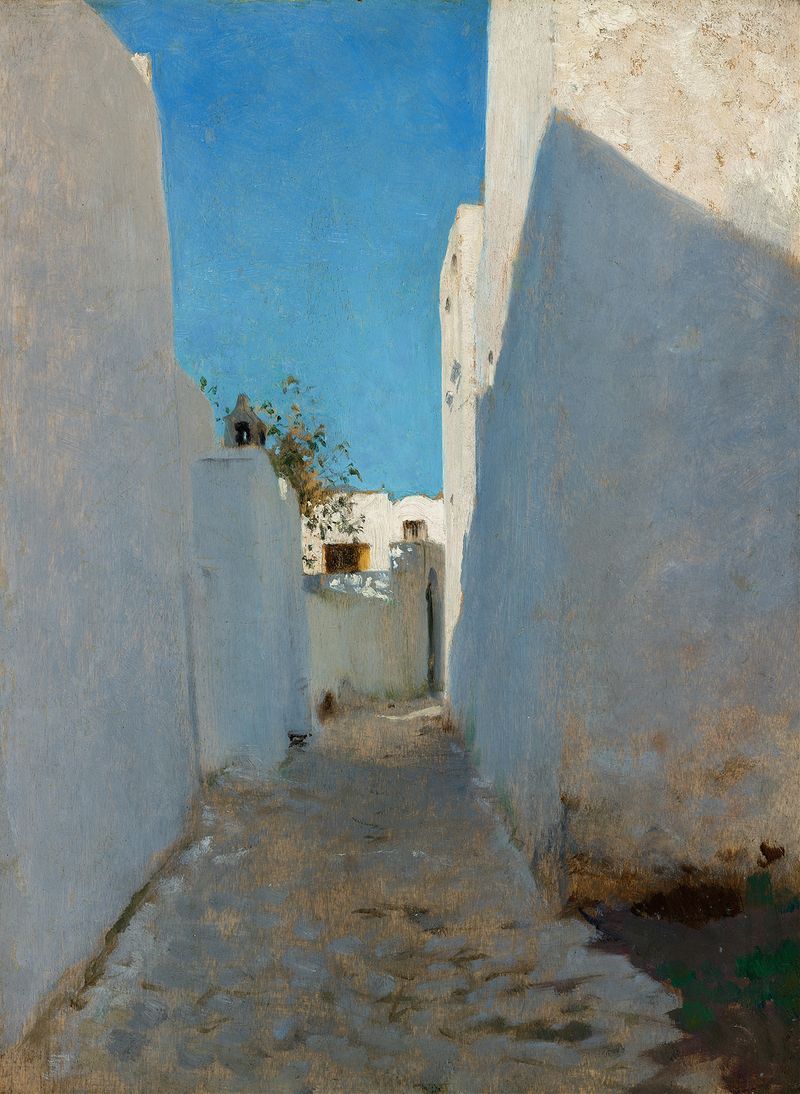
A Moroccan Street Scene
John Singer Sargent
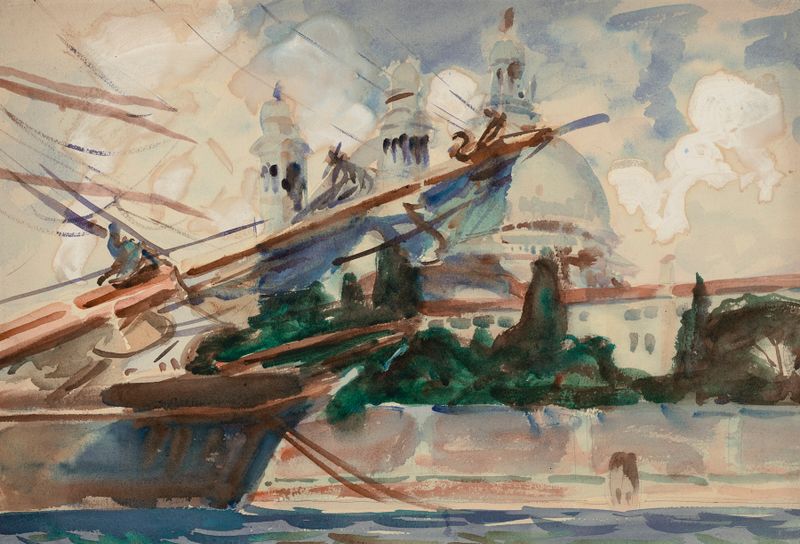
The Salute, Venice
John Singer Sargent
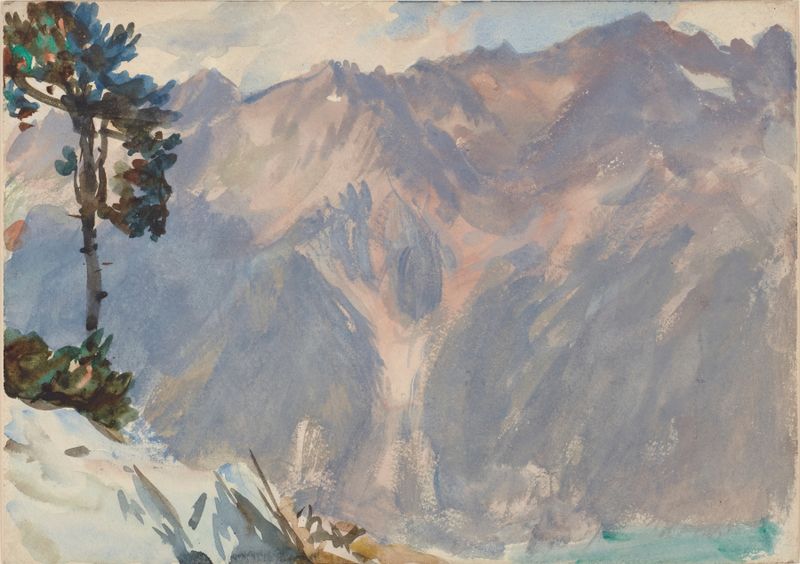
Tyrol
John Singer Sargent
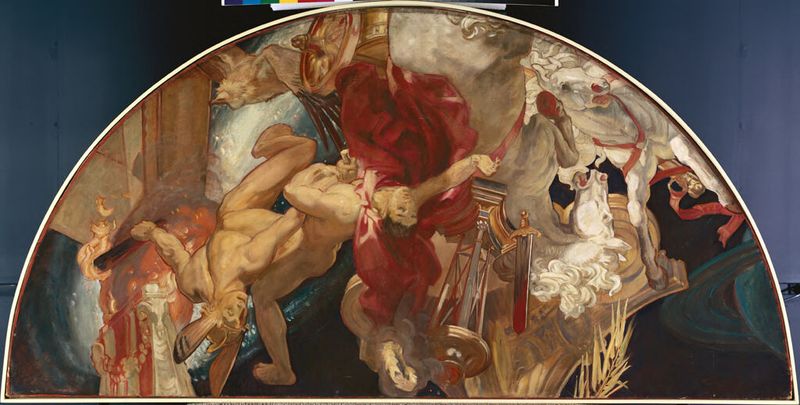
Study for "Gog and Magog," for the Boston Public Library
John Singer Sargent
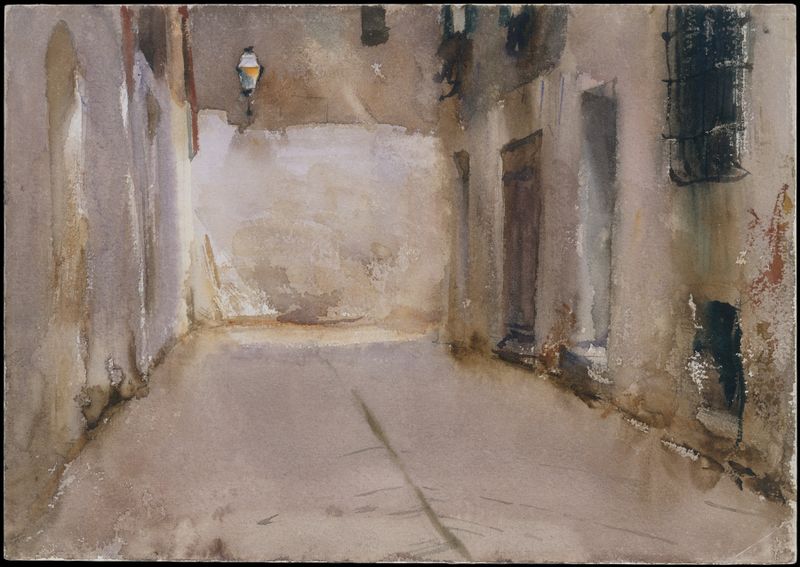
Venice
John Singer Sargent
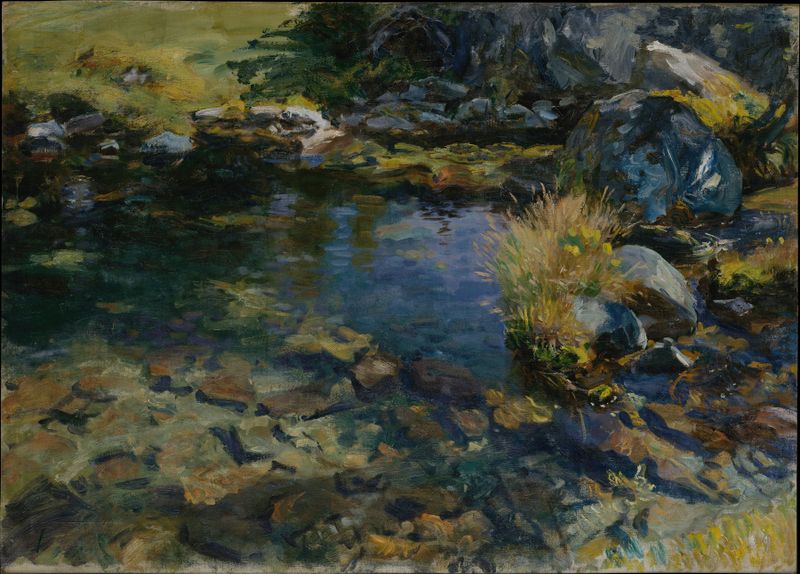
Alpine Pool
John Singer Sargent
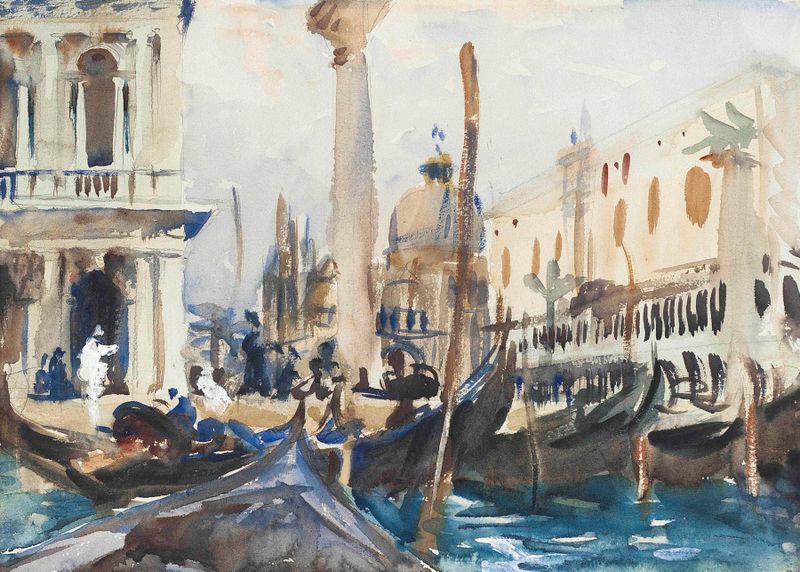
The Piazzetta with Gondolas
John Singer Sargent
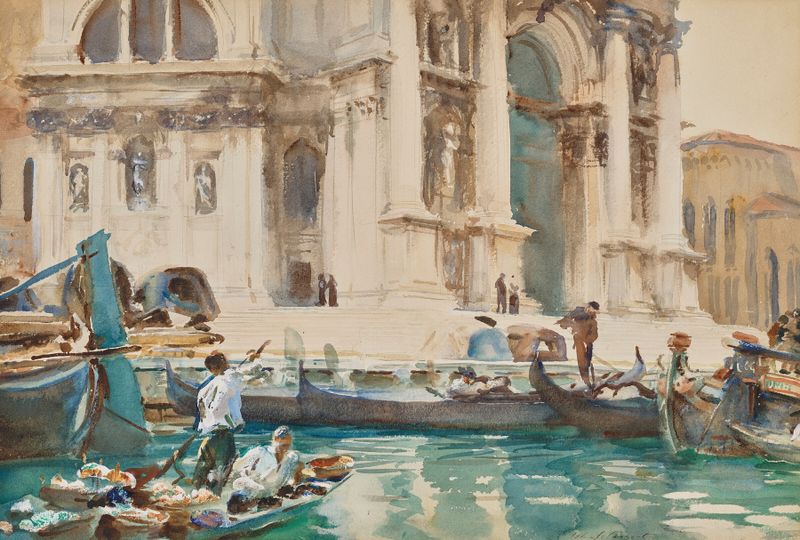
The Façade of La Salute, Venice
John Singer Sargent
More Religious Art
Browse all →
The Return of the Prodigal Son
Rembrandt van Rijn

The Garden of Earthly Delights
El Bosco

Count Orgaz’ funeral
El Greco

The Hundred Guilder Print: the central piece with Christ preaching, the plate arched
Rembrandt van Rijn

The Descent from the Cross
Rogier van der Weyden

The return of the prodigal son
Rembrandt van Rijn