
Tyrolese Crucifix — History & Facts
In the world of art, beauty emerges from the interplay of light and shadow, revealing the profound truths within the human experience. Focus on the central crucifix, dramatic yet serene, as it dominates the canvas with its intense presence. The ochres and deep browns swirl around it, creating a warm, almost living atmosphere. Notice how light dances across the figure, accentuating the contours of Christ’s body, illuminating the delicate fabric of the garments that drape around him.
This thoughtful interplay of color and light draws you inward, inviting contemplation of the divine. Yet beneath this radiance, tension weaves through the painting. The juxtaposition of the crucifix with the background hints at a struggle between faith and doubt. The ethereal glow surrounding the figure contrasts with the muted earthiness of the surrounding space, suggesting a longing for transcendence amidst despair.
The tension between the sacred and the mundane urges the viewer to confront their own beliefs and uncertainties, rendering the crucifix not just a symbol of suffering, but also of hope. John Singer Sargent painted Tyrolese Crucifix in 1914, during a pivotal moment in his career when he was transitioning from portrait painting to more introspective subjects. At this time, Europe was on the brink of World War I, and the looming darkness of impending conflict influenced artists, leading to explorations of deeper emotional themes. Sargent's shift reflects not only personal evolution but also a broader artistic movement towards capturing the complexities of human experience in light of societal upheaval.
More Artworks by John Singer Sargent
Browse all →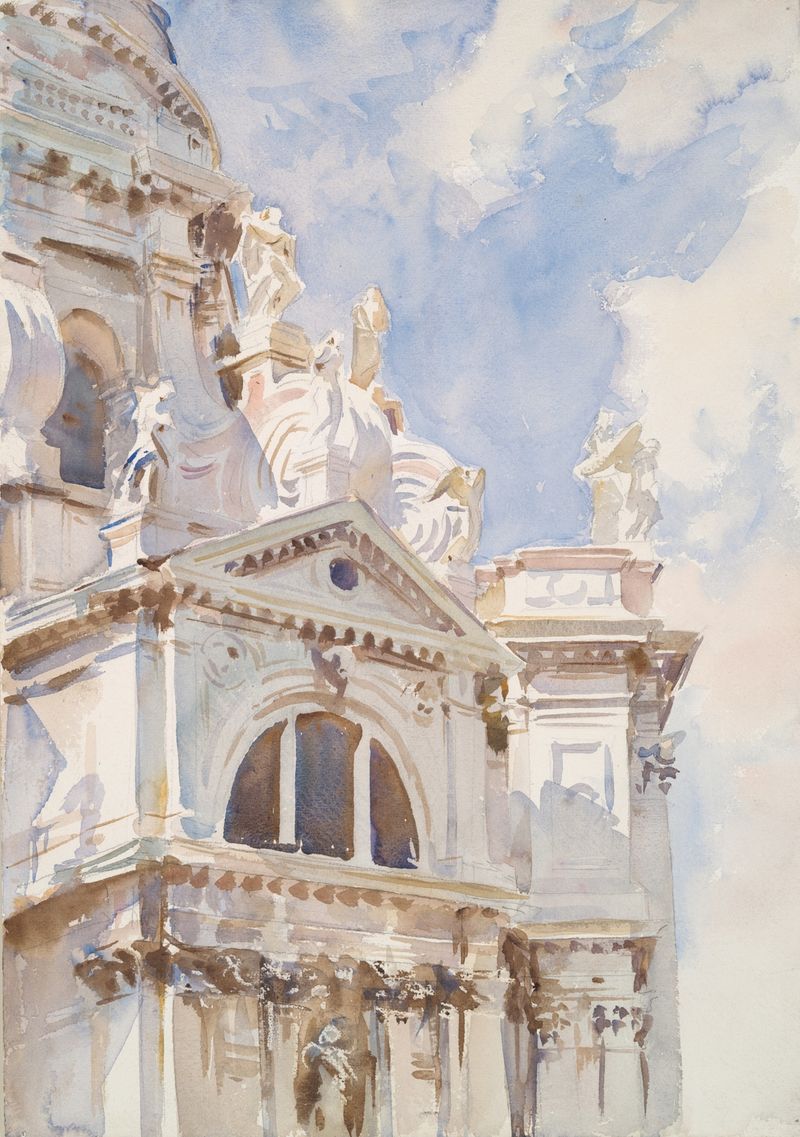
The Salute, Venice
John Singer Sargent

Mrs. Charles Deering (Marion Denison Whipple)
John Singer Sargent
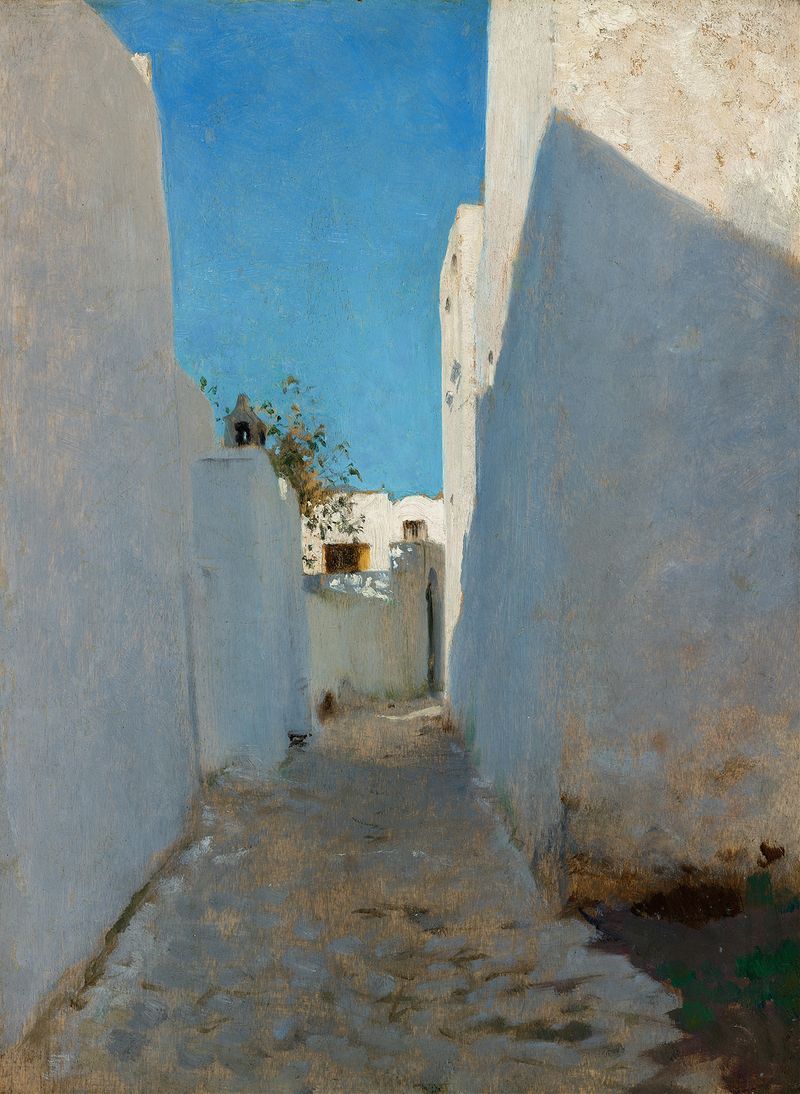
A Moroccan Street Scene
John Singer Sargent
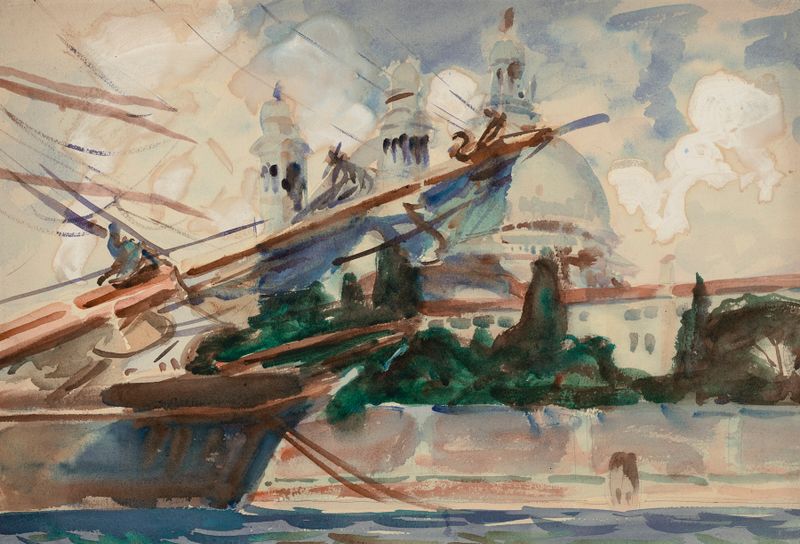
The Salute, Venice
John Singer Sargent
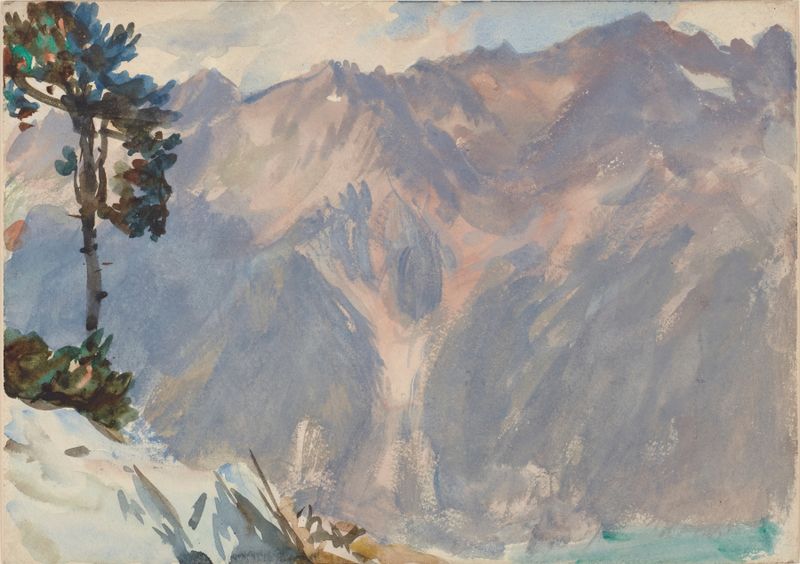
Tyrol
John Singer Sargent
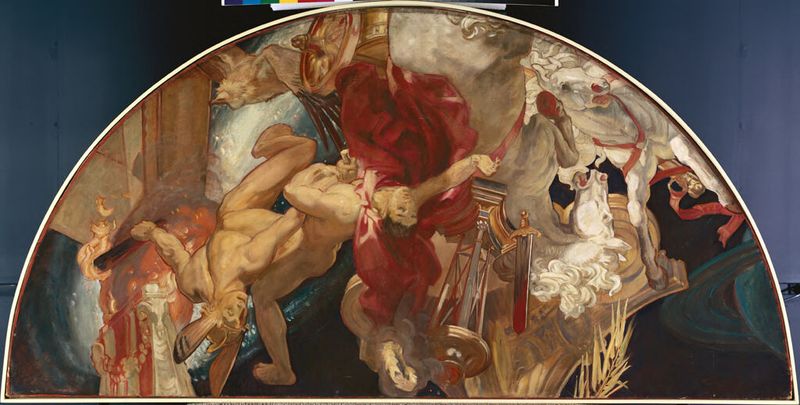
Study for "Gog and Magog," for the Boston Public Library
John Singer Sargent
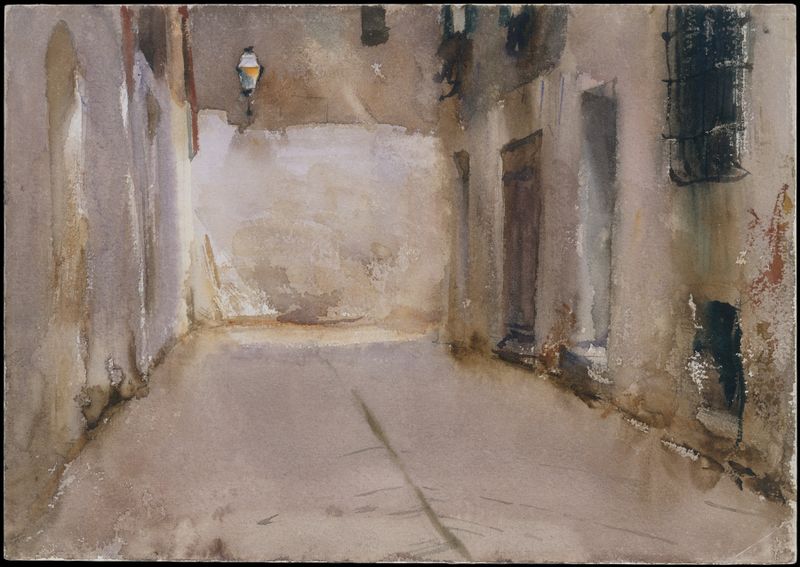
Venice
John Singer Sargent
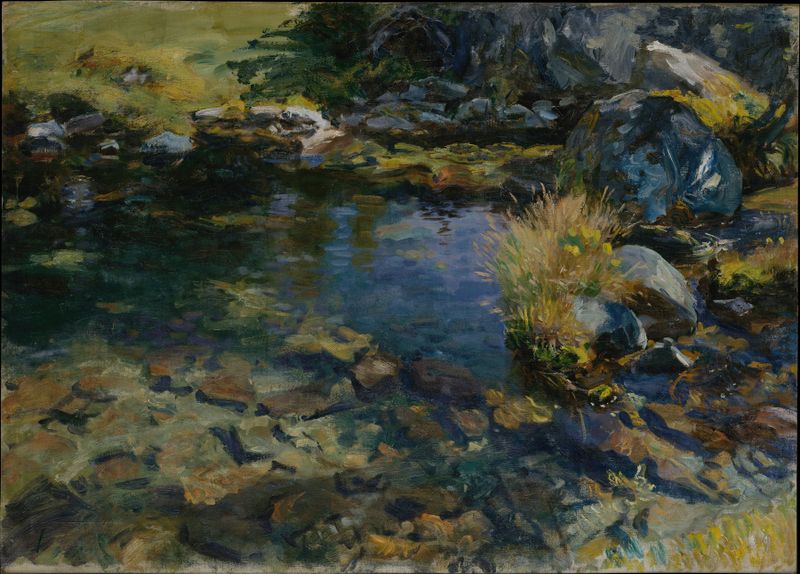
Alpine Pool
John Singer Sargent
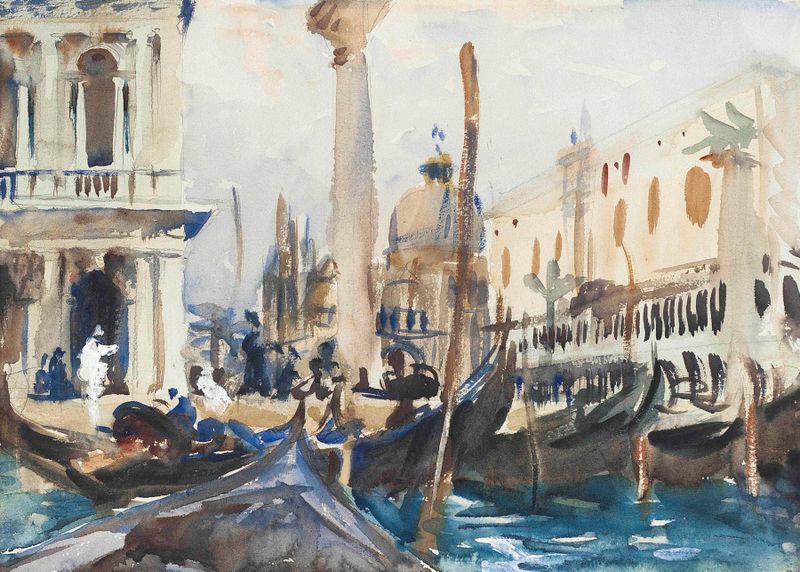
The Piazzetta with Gondolas
John Singer Sargent
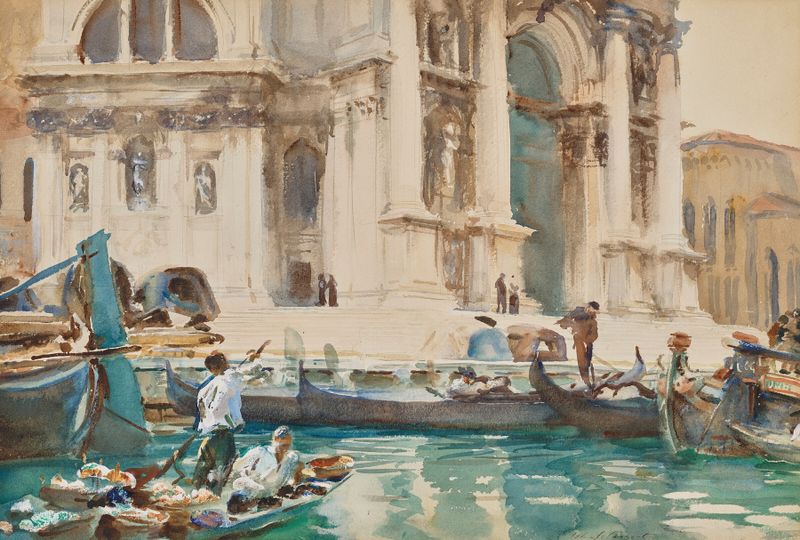
The Façade of La Salute, Venice
John Singer Sargent
More Religious Art
Browse all →
The Return of the Prodigal Son
Rembrandt van Rijn

The Garden of Earthly Delights
El Bosco

Count Orgaz’ funeral
El Greco

The Hundred Guilder Print: the central piece with Christ preaching, the plate arched
Rembrandt van Rijn

The Descent from the Cross
Rogier van der Weyden

The return of the prodigal son
Rembrandt van Rijn