Uithangarm, verz. Mannheimer. — History & Facts
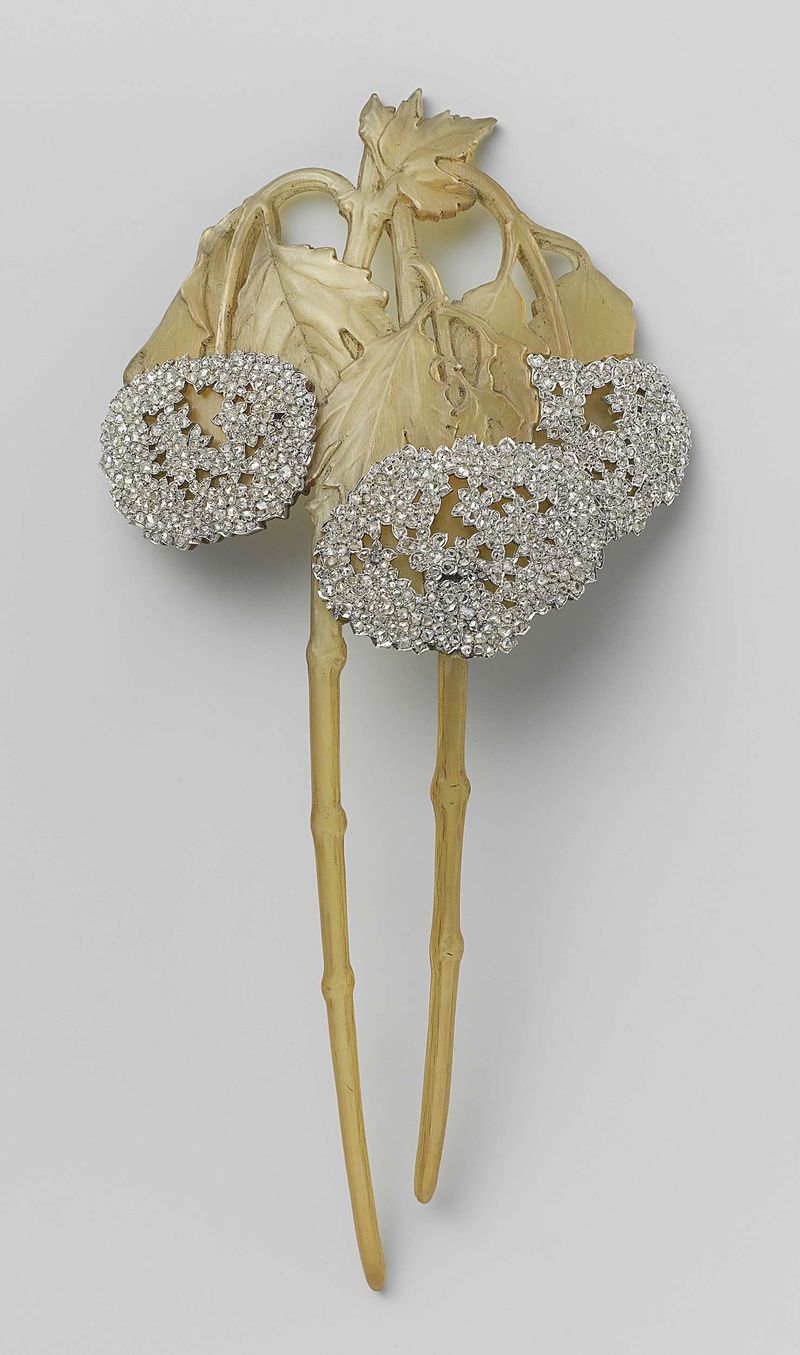
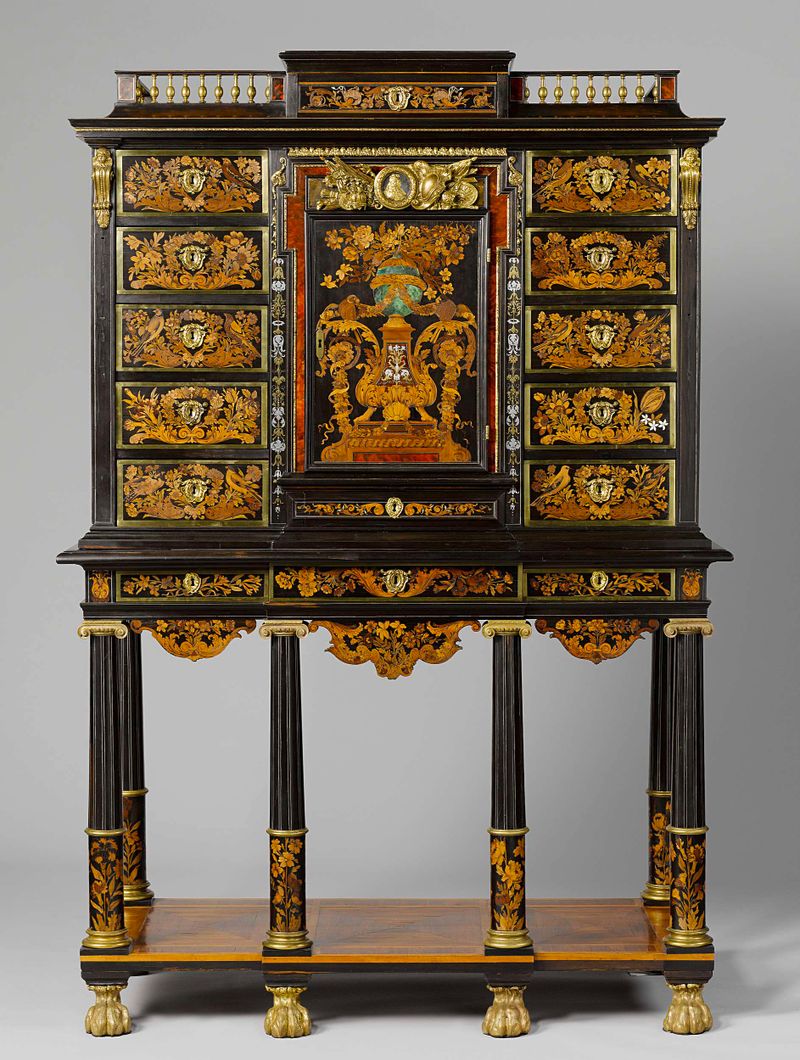
What lies in the unspoken depths of desire reveals itself through exquisite artistry, inviting the viewer into a world where emotion and form seamlessly converge. Look to the center of the composition, where the intricate details of the uithangarm — a decorative sign — draw your attention. Notice how the delicate brushwork captures the swirling patterns of leaves and flowers, each petal seemingly alive. The vibrant colors emerge with a subtle luminosity, reflecting the skilled use of oils that lend depth and richness to the piece.
The carefully balanced composition creates a sense of harmony while the intricate ornamentation pulls you into the story within. Delve deeper into the contrasts presented in this work: the tension between the solid structure of the sign and the fluidity of the floral designs evokes a yearning for beauty amidst the mundane. The ornamental detail suggests a desire for connection, perhaps a longing for the past, yet the sign's presence hints at commerce and passage — a reminder of the transient nature of human ambition. Each brushstroke communicates an ache for permanence in a world that is ever-changing. This piece, attributed to an unknown artist in 1700, emerged during a time of vibrant artistic exploration across Europe.
The late baroque period, marked by ornate detail and emotional expression, saw artists grappling with themes of identity and aspiration amidst shifting societal landscapes. In this context, the creation of Uithangarm, verz. Mannheimer reflects a moment where artistry served as a bridge between desire and reality, capturing the essence of human experience in a fleeting world.