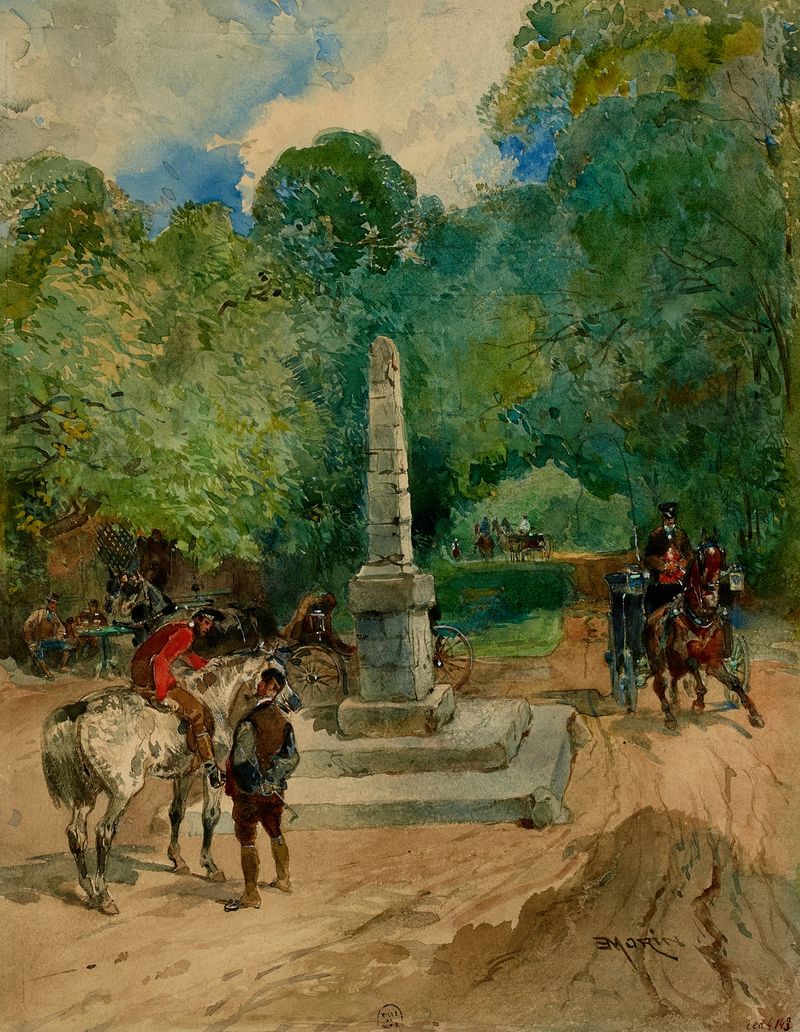
Un coin des boulevards — History & Facts
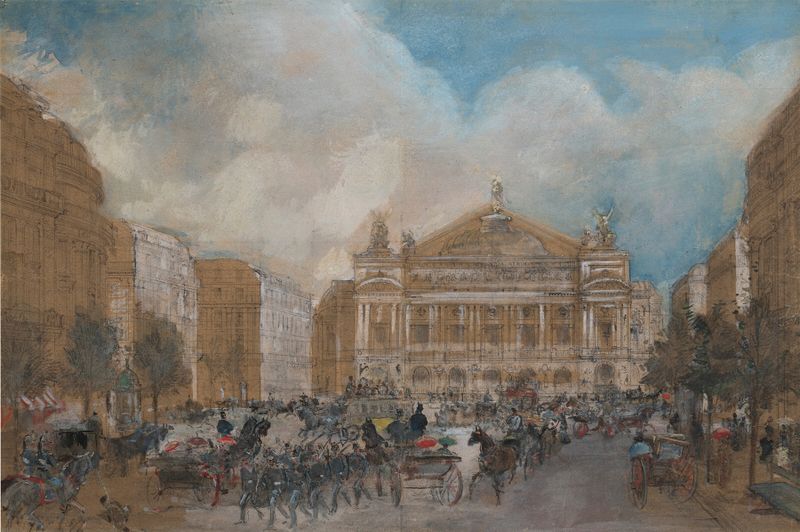
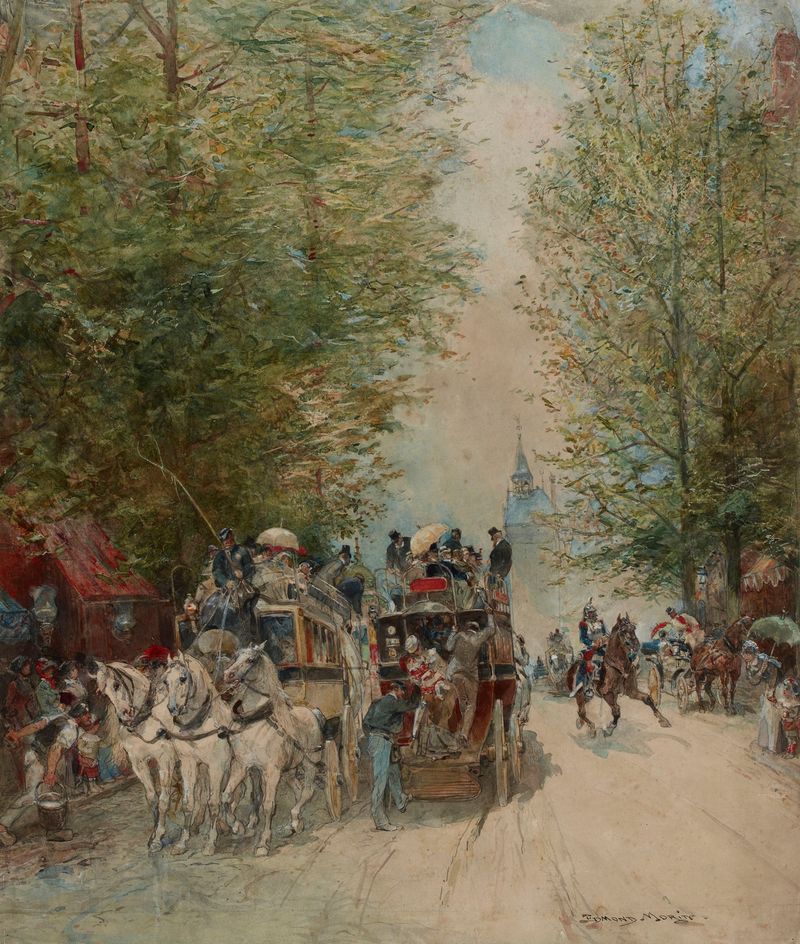
What secret hides in the quiet of the canvas? In the stillness of Un coin des boulevards, a world waits to be awakened, beckoning the viewer to explore its depths. Look to the left at the muted hues of the street, where the cobblestones glisten faintly under a soft, diffused light. Notice how the shadows stretch languidly between the buildings, creating a sense of both enclosure and possibility. The composition balances the intimacy of the urban space with a hint of bustling life just beyond the frame, encouraging the eye to move restlessly across the scene as if searching for a heartbeat. Delve deeper into the contrasts at play; the light that dances between the shadows speaks to a fleeting moment caught between solitude and the potential for connection.
A solitary figure stands near the corner, seemingly lost in thought, embodying the tension between isolation and community. The warm earth tones against the cooler, shadowy background evoke a sense of nostalgia and longing, inviting reflections on what lies just out of reach. Edmond Morin created Un coin des boulevards during a tumultuous period between 1915 and 1945, a time marked by the aftermath of World War I and the encroaching shadow of World War II. Living in France, Morin’s work reflected the shifting moods of urban life amid political and social change.
His keen interest in capturing everyday moments in a city setting positioned him as a significant figure in the transition to modern art, resonating with audiences who yearned for a sense of place in a rapidly evolving world.