
Un Noyer Dans La Prairie De Thomery — History & Facts
Art reveals the soul when the world turns away. In Un Noyer Dans La Prairie De Thomery, the serene presence of a solitary walnut tree stands as a testament to nature's resilience against the passage of time. Look to the center of the canvas, where the tree stretches its branches, adorned with lush foliage. The vibrant greens contrast with the muted earth tones of the surrounding landscape, creating a focal point that draws the eye.
Notice how the gentle brushstrokes convey the softness of the grass beneath and the shifting light above, suggesting an ephemeral moment in nature. Sisley’s deft use of color and light instills a sense of tranquility, inviting viewers to pause and reflect. The painting contrasts the solidity of the tree with the fluidity of the surrounding environment, symbolizing endurance amidst change. The expansive sky, painted in delicate blues and whites, offers a sense of openness and freedom, juxtaposed against the grounded presence of the walnut tree.
This interplay evokes a feeling of solitude, underscoring the truth that beauty can often be found in the most unassuming places. Created in 1880 while living in the rustic charm of France’s countryside, the artist was deeply influenced by the Impressionist movement. At this time, Sisley faced personal challenges, including financial struggles, yet his work flourished, capturing fleeting moments of beauty with unwavering dedication. This piece reflects not only his technical prowess but also his emotional connection to the landscapes that shaped his artistic vision.
More Artworks by Alfred Sisley
Browse all →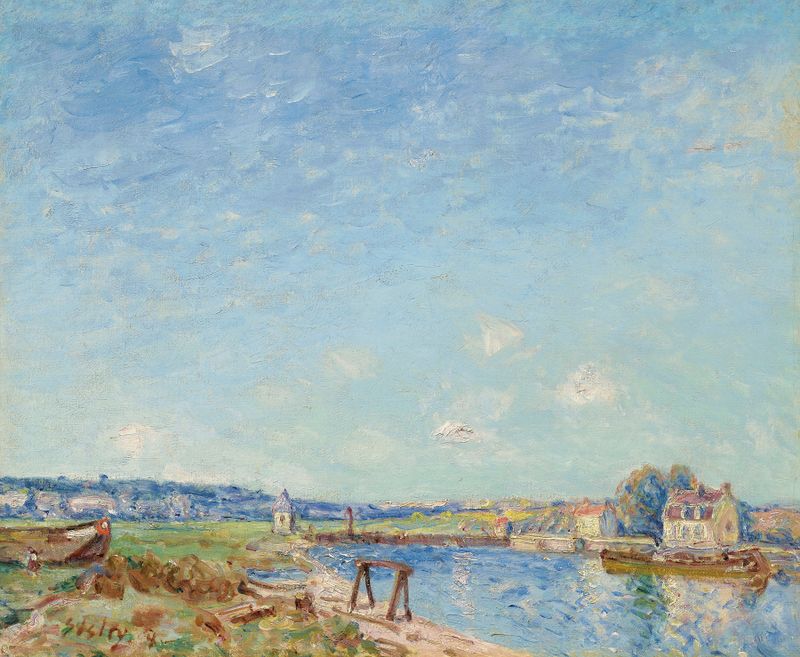
Le Loing à Saint-Mammès
Alfred Sisley
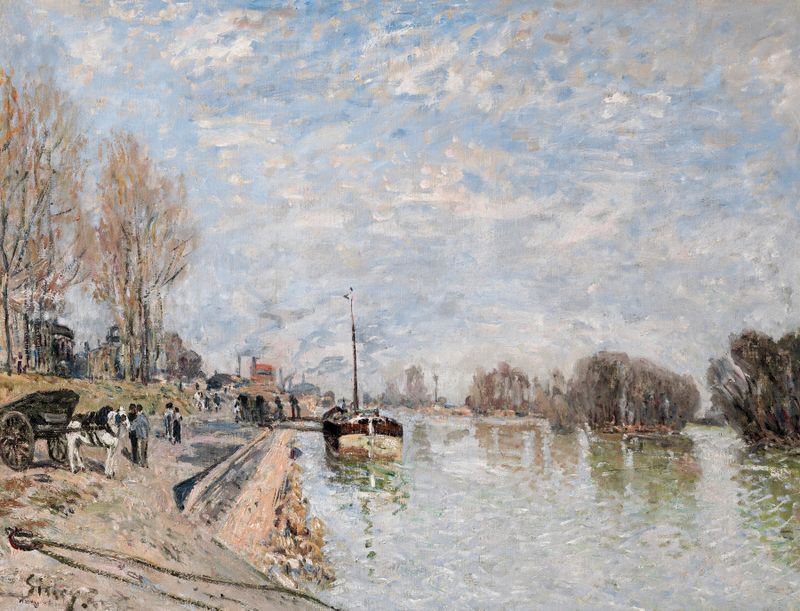
La Seine à Suresnes
Alfred Sisley
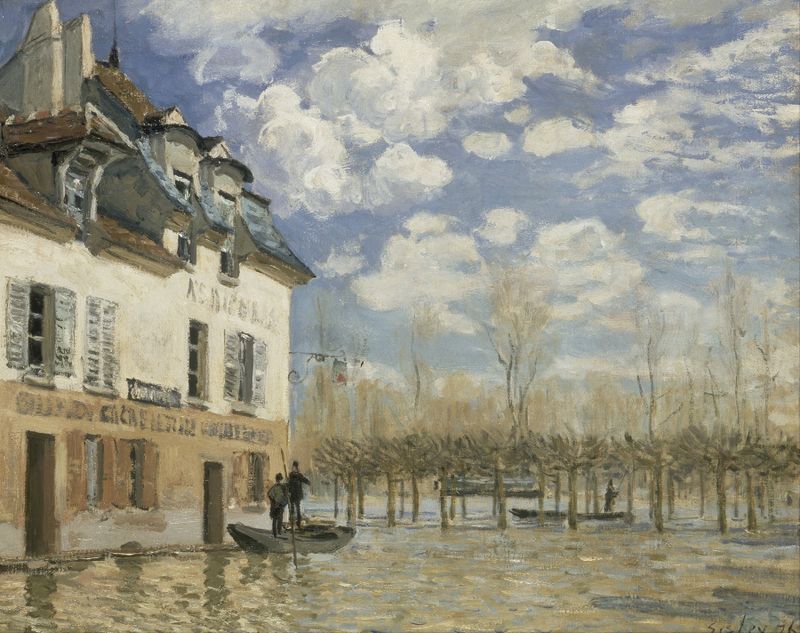
Boat in the Flood at Port Marly
Alfred Sisley
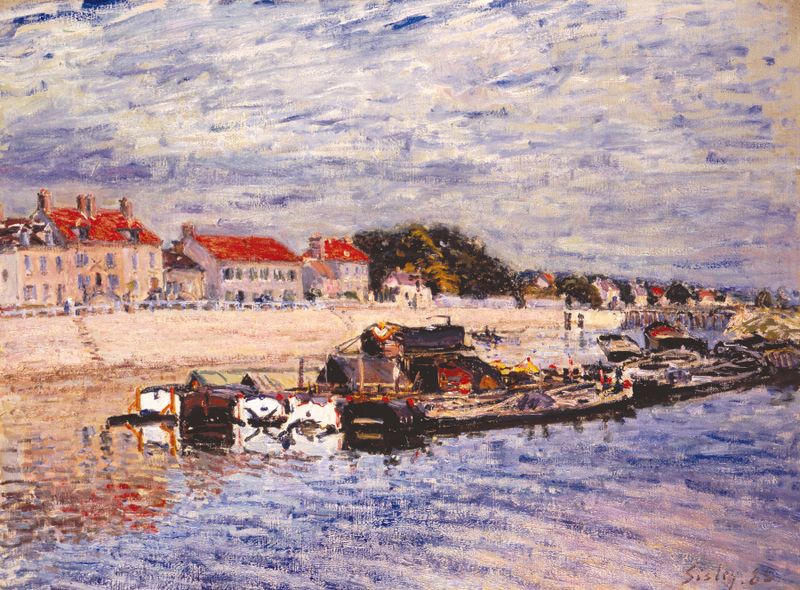
Barges on the Loing at Saint-Mammès
Alfred Sisley

L’allée des peupliers au bord du Loing
Alfred Sisley

Molesey Weir, Hampton Court
Alfred Sisley
Effet De Neige À Louveciennes
Alfred Sisley
Printemps au bord du Loing
Alfred Sisley
Le Loing À Moret, En Été
Alfred Sisley
Les bords du Loing près de Moret
Alfred Sisley





