
Under the willow trees — History & Facts
Is this a mirror — or a memory? In Under the Willow Trees, the boundary between reality and reflection blurs, inviting the viewer to ponder the delicate balance between nature and the human experience. Focus on the sprawling willow branches that cascade downwards, their vibrant greens creating a serene canopy. The tranquil waters beneath them mirror the lush hues above, forming a harmonious dialogue between the two elements. Notice the gentle ripples in the water, subtly suggesting the passage of time and the fleeting nature of peace.
The artist’s choice of soft brush strokes and a muted color palette enhances the calm atmosphere, drawing you into this moment of quiet contemplation. Within this peaceful setting lies a profound contrast. The willows, often symbols of sorrow, evoke a bittersweet nostalgia, while the reflection in the water serves as a reminder of the beauty that exists even in moments of loss. There is an inherent tension in the way light dances on the surface, suggesting illumination amidst the shadows of memory.
The interplay between the solid and the ephemeral creates a balance that resonates deeply with the viewer’s own experiences, prompting introspection about their own moments of tranquility and reflection. Johan Hendrik Weissenbruch painted this work during a period when the Dutch art scene was undergoing significant shifts, moving from Romanticism towards Impressionism. The late 19th century was marked by a growing fascination with capturing the nuances of light and atmosphere. As Weissenbruch immersed himself in the natural landscapes of his homeland, he sought to convey a sense of introspective serenity, establishing himself as a key figure in the development of Dutch landscape painting.
More Artworks by Johan Hendrik Weissenbruch
Browse all →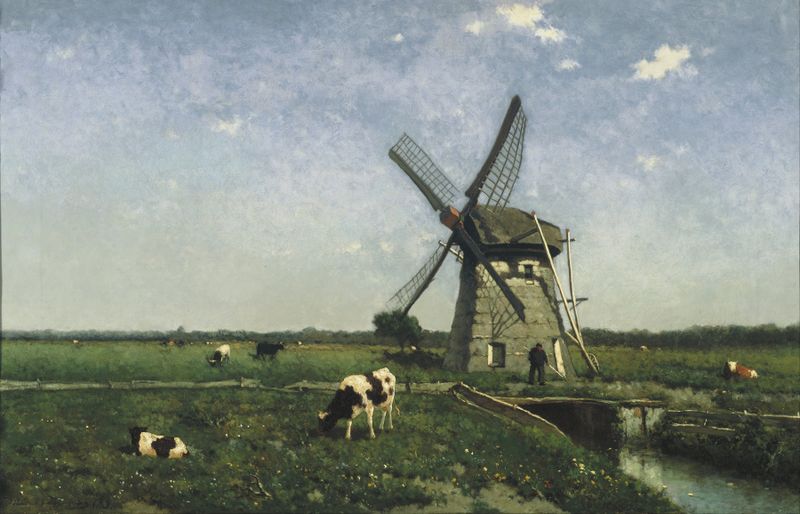
Landscape with Windmill near Schiedam
Johan Hendrik Weissenbruch
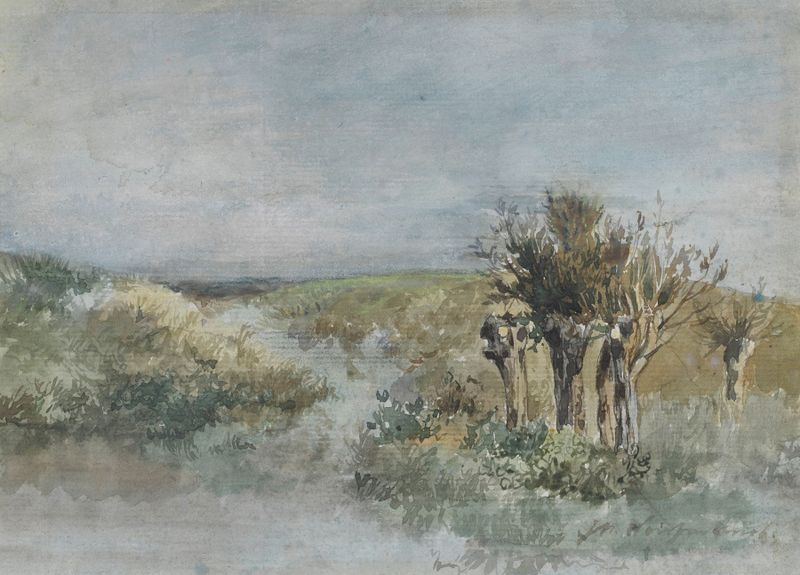
Landschap met knotwilgen langs een sloot
Johan Hendrik Weissenbruch
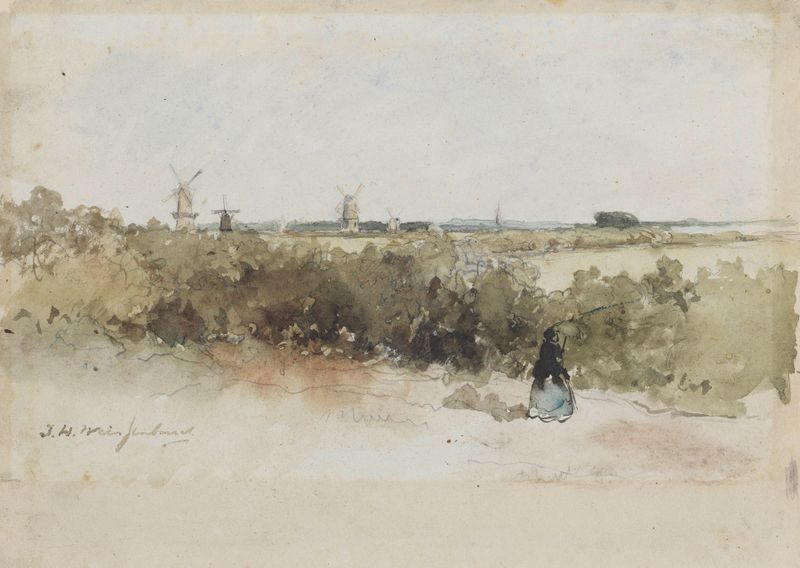
Landschap met windmolens
Johan Hendrik Weissenbruch
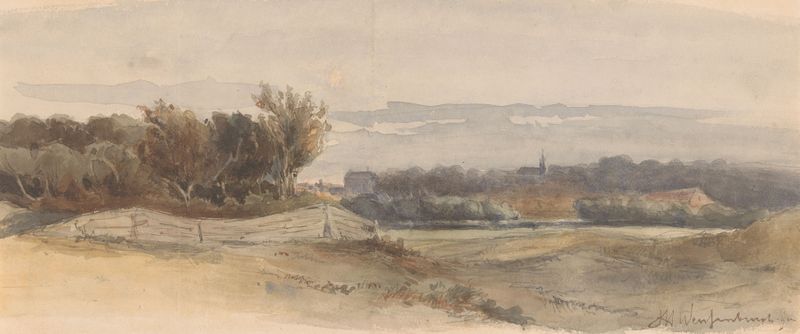
Panoramisch landschap
Johan Hendrik Weissenbruch
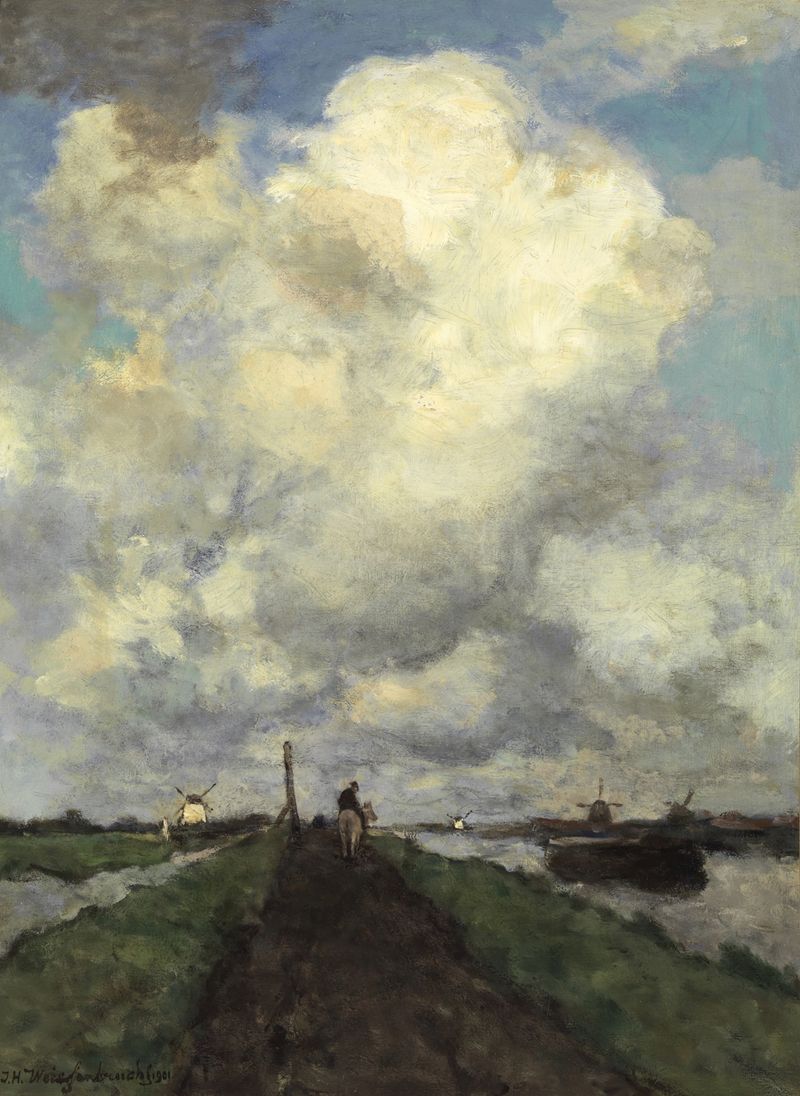
De witte wolk
Johan Hendrik Weissenbruch
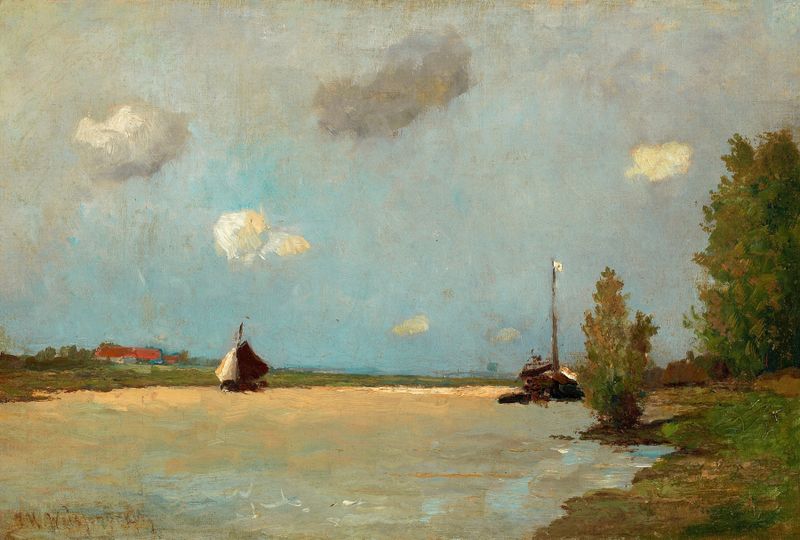
Dutch Landscape with Boats
Johan Hendrik Weissenbruch
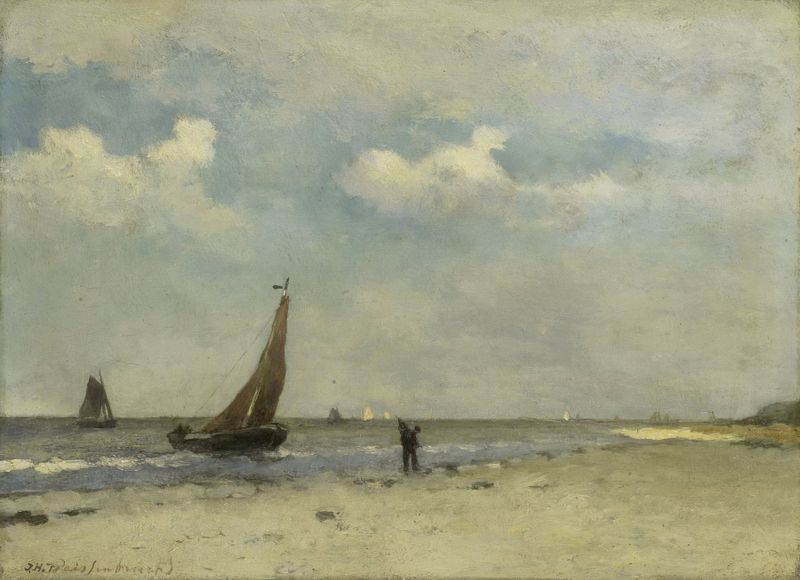
Beach Scene
Johan Hendrik Weissenbruch
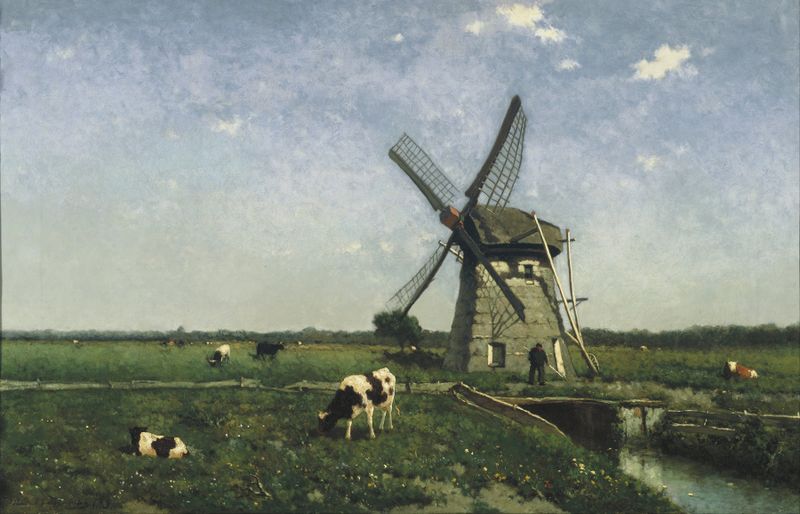
Landscape with Windmill near Schiedam
Johan Hendrik Weissenbruch
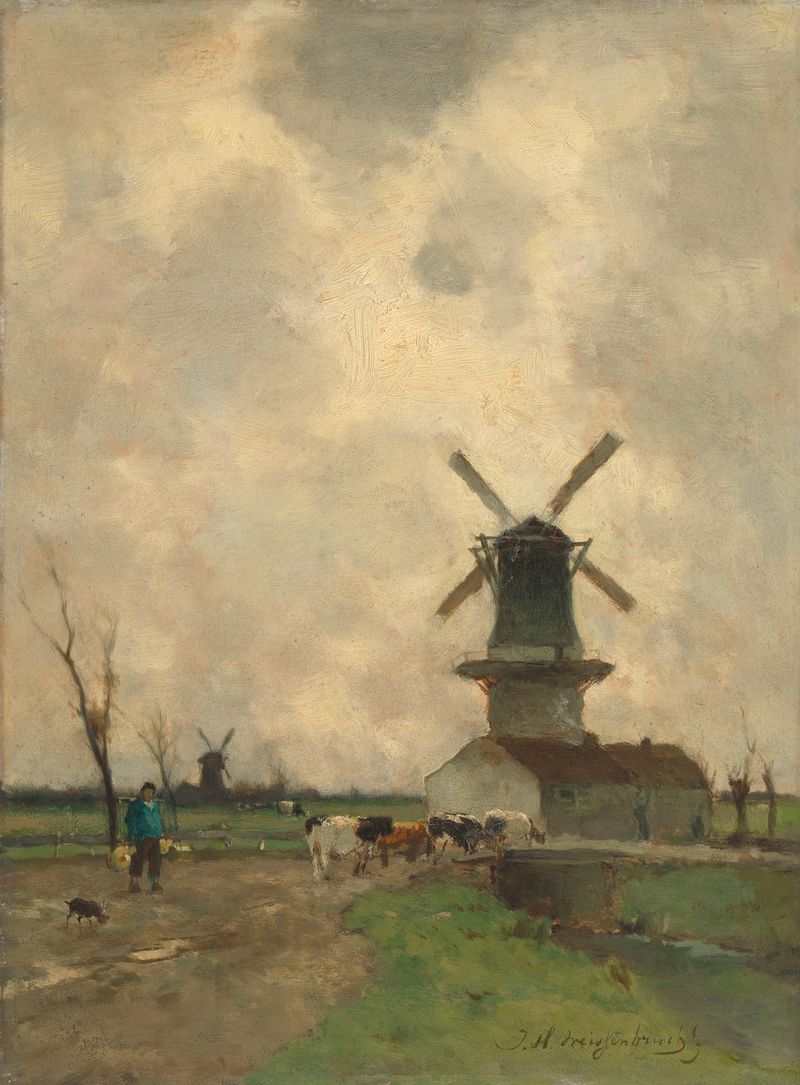
The Mill
Johan Hendrik Weissenbruch
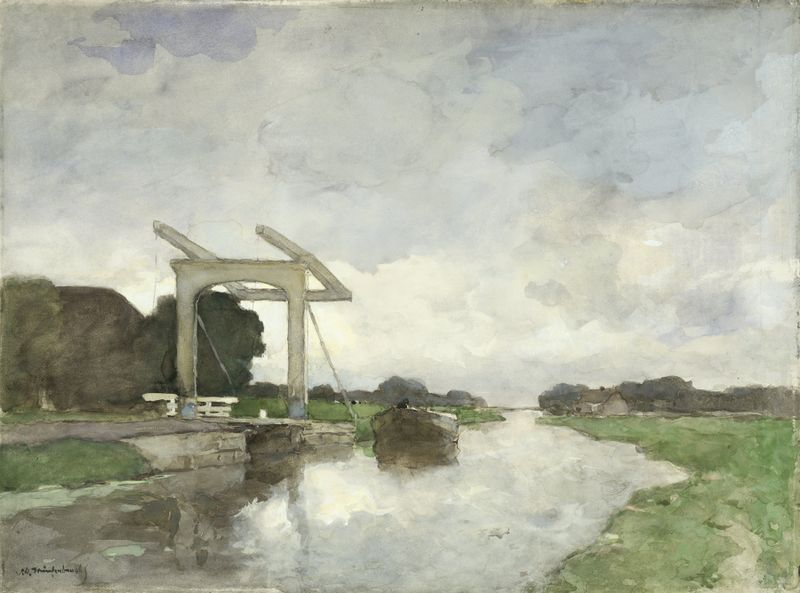
Drawbridge at Noorden
Johan Hendrik Weissenbruch





