
Uri-See — History & Facts
Can paint confess what words never could? The quiet reverberations of memory resonate through every brushstroke, inviting us to step into the unspoken depths of experience and emotion. Look to the left at the delicate interplay of light and shadow, where soft hues blend seamlessly, creating an ethereal atmosphere. Notice how the artist captures the essence of nostalgia through muted colors that evoke a sense of longing. The composition draws the eye toward the central figures, rendered with a gentle precision that allows their expressions to convey a silent story.
Each detail, from the gentle curves of their forms to the subtle textures of the surrounding landscape, enhances the feeling of a moment frozen in time. Delve deeper, and you may uncover the tension between presence and absence. The figures seem both connected and distant, suggesting a shared history marred by unspoken words. The tranquil environment serves as a mirror to their emotions, a serene facade that belies the complexity of their inner lives.
Perhaps this painting is a meditation on memory itself — a reminder of the bittersweet nature of recollection, where joy and sorrow intertwine. Carel Nicolaas Storm van 's-Gravesande created Uri-See during a time of profound change in the art world, around the early 20th century. Working in the Netherlands, he was influenced by the evolving styles of Impressionism and Symbolism, which sought to convey not just the visible, but the emotional landscapes of life. This period was marked by a shift toward introspective themes, reflecting the artist's own explorations of memory and identity in a rapidly modernizing society.
More Artworks by Carel Nicolaas Storm van 's-Gravesande
Browse all →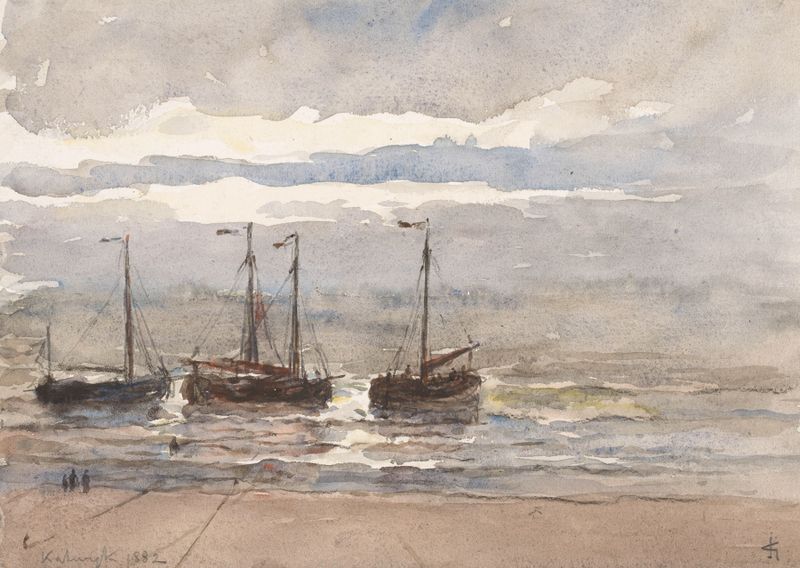
Vissersschepen op het strand van Katwijk bij opkomende vloed
Carel Nicolaas Storm van 's-Gravesande
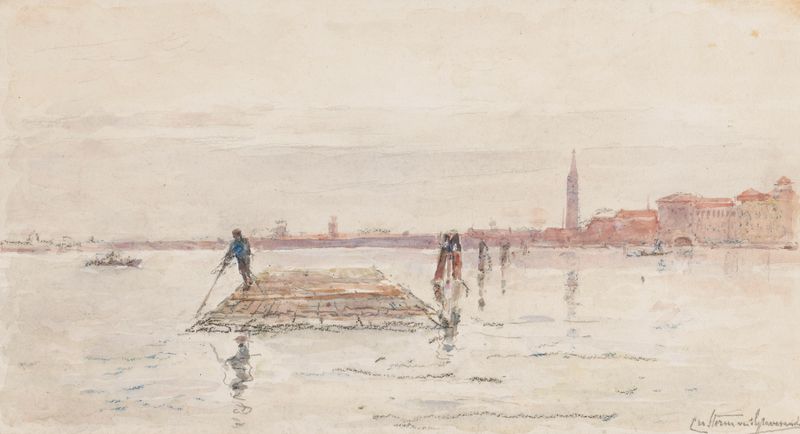
Gezicht op Venetië vanaf het water, met op de voorgrond in het water een houten vlot
Carel Nicolaas Storm van 's-Gravesande
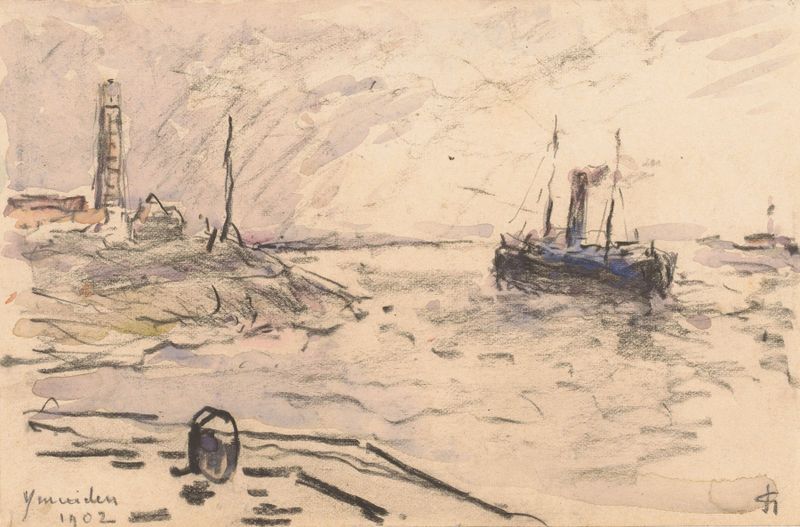
Gezicht op de kust van IJmuiden met vuurtoren en schip
Carel Nicolaas Storm van 's-Gravesande
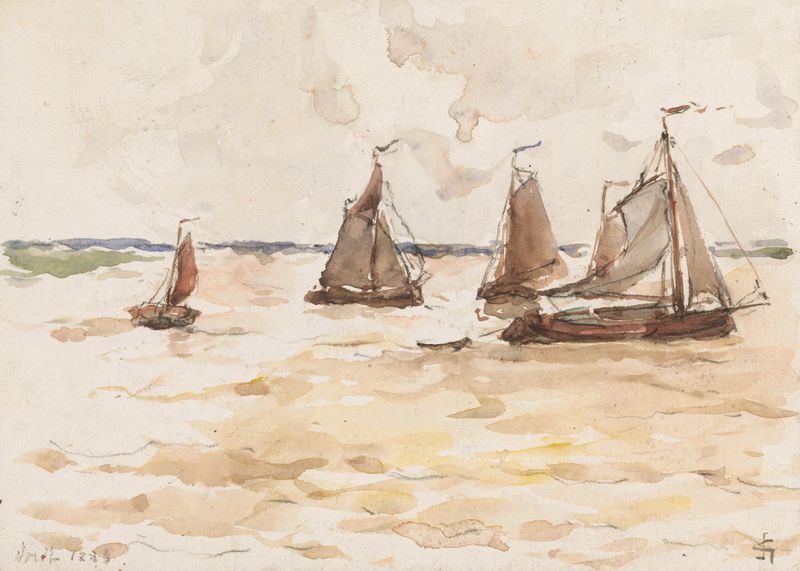
Vissersschepen op een rivier
Carel Nicolaas Storm van 's-Gravesande
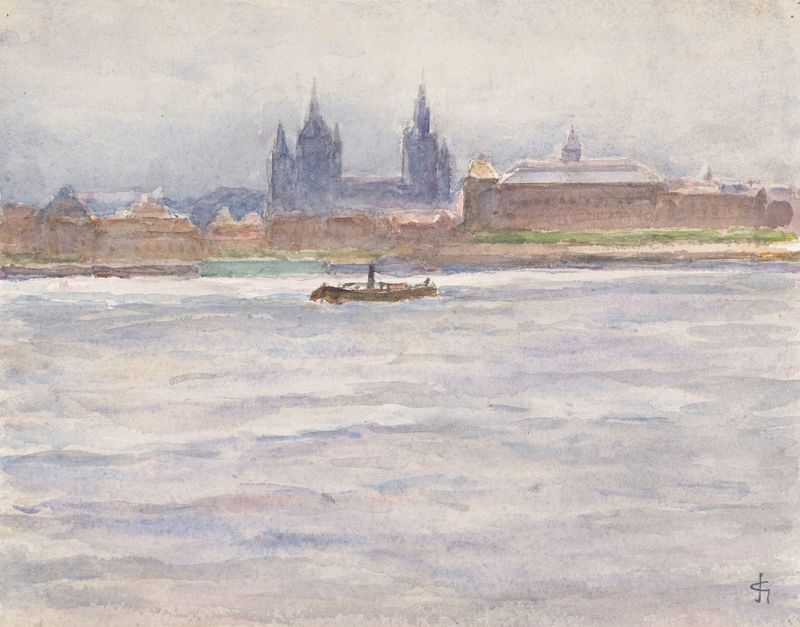
Gezicht op Mainz vanaf de rivier
Carel Nicolaas Storm van 's-Gravesande
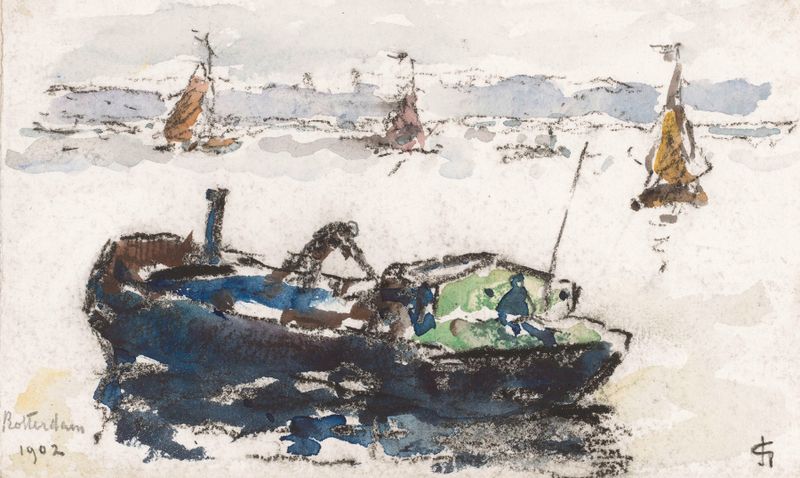
Gezicht op de Maas bij Rotterdam
Carel Nicolaas Storm van 's-Gravesande
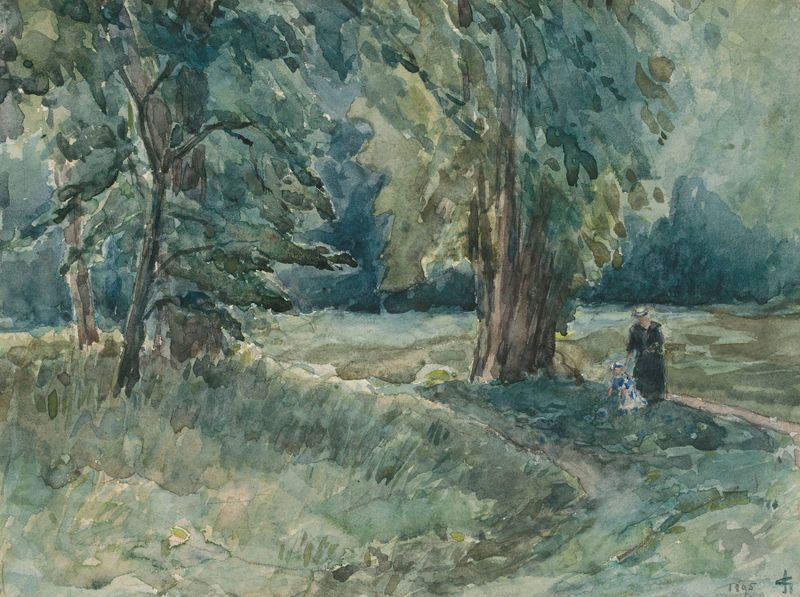
Mevrouw Storm van ‘s Gravesande geboren Clifford met haar dochter in het park van Bieberich
Carel Nicolaas Storm van 's-Gravesande
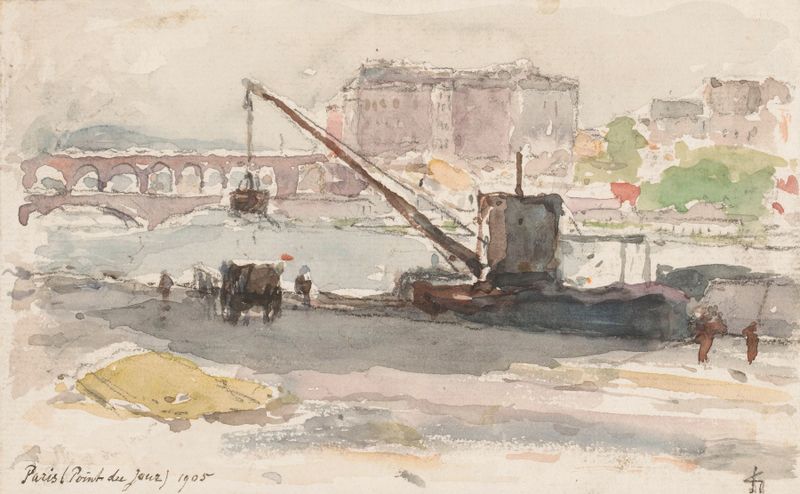
Point du Jour, Parijs
Carel Nicolaas Storm van 's-Gravesande
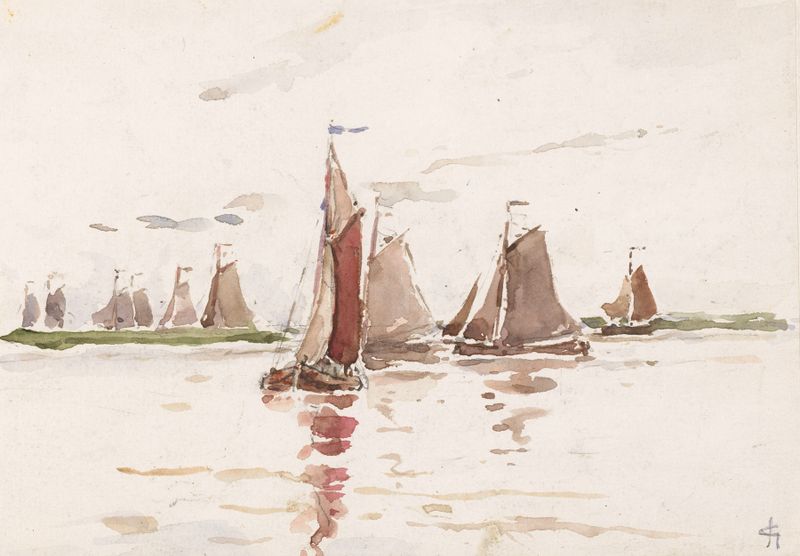
Vissersschepen op een rivier
Carel Nicolaas Storm van 's-Gravesande
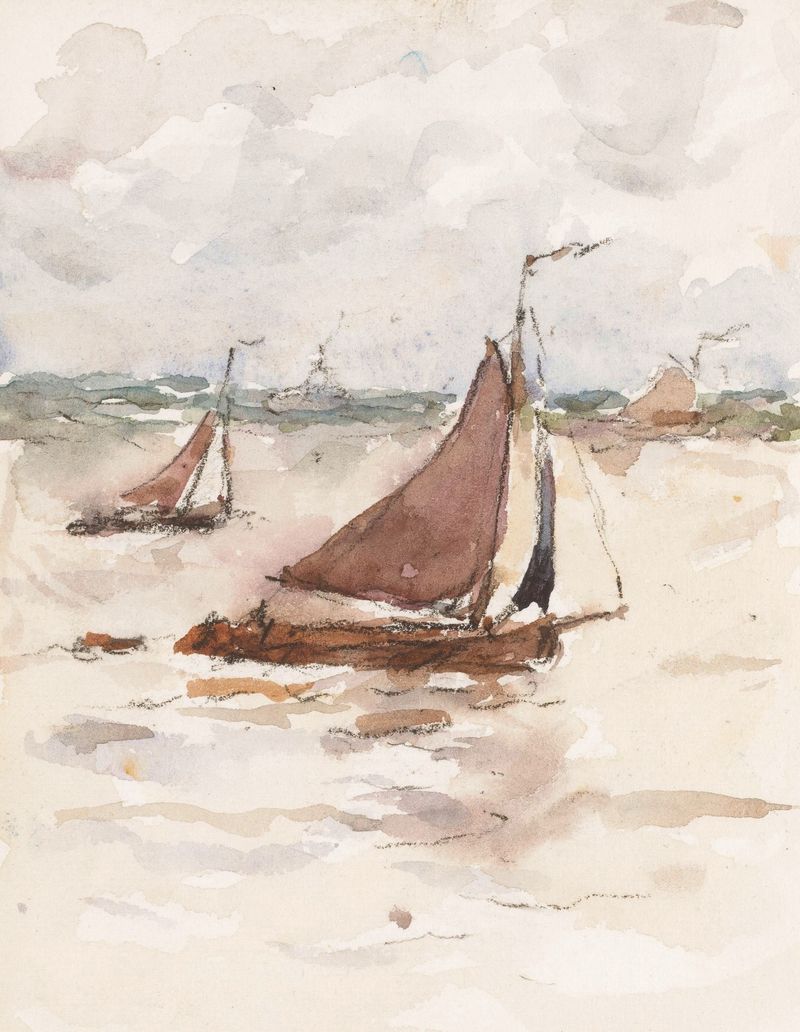
Zeilende vissersschepen op de Schelde
Carel Nicolaas Storm van 's-Gravesande





