
U.S. Capitol after burning by the British — History & Facts
Art reveals the soul when the world turns away. In times of devastation and despair, how does one capture the essence of transformation? Look to the foreground, where the charred remains of the Capitol rise like the bones of a fallen giant. The artist employs a muted palette of grays and browns, evoking not just destruction but also the resilience that follows adversity.
The smoke wisps dance against a somber sky, drawing your gaze upward, pressing the viewer into the haunting stillness that encapsulates the moment. The intricate details of the building's architecture, now marred, remind us of its former grandeur, starkly contrasting with its current state. Embedded within this scene is a tension between ruin and rebirth. The smoldering ruins symbolize the fragility of democracy, while the distant horizon hints at renewal, suggesting that from ashes, hope can rise again.
Each brushstroke narrates the story of a nation grappling with its identity. Shadows linger in the corners, representing the collective grief of a populace yet to fully comprehend their losses, while the light breaking through the clouds speaks to the indomitable spirit that carries forth. George Munger created this poignant work in 1814, shortly after the British burned the Capitol during the War of 1812. Living in a tumultuous period marked by national turmoil and burgeoning identity, Munger reflected the collective trauma of his time, keenly aware of the significance of this architectural symbol.
The artwork stands not only as a record of devastation but also as a testament to the endurance of a nation finding its way back from the brink.
More Historical Art
Browse all →
The Night Watch Militia Company of District II under the Command of Captain Frans Banninck Cocq
Rembrandt van Rijn
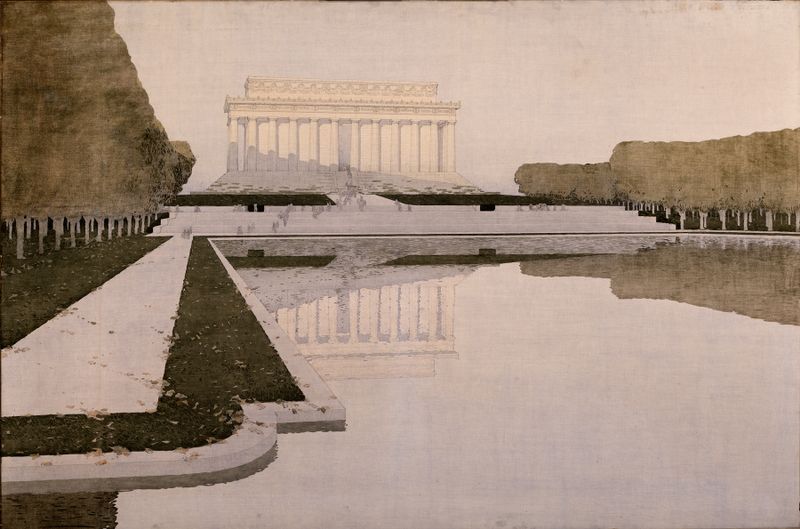
Lincoln Memorial
Henry Bacon
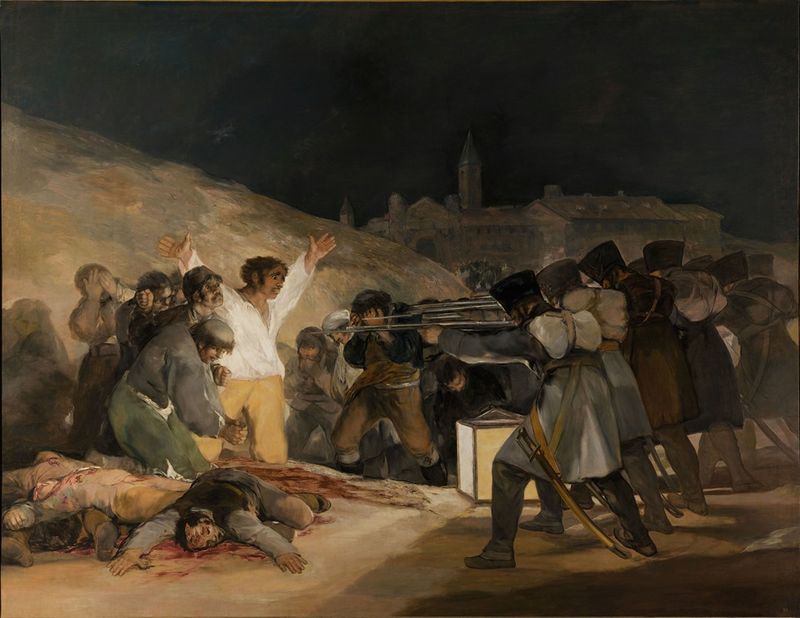
The Third of May 1808
Francisco de Goya

Isaac and Rebecca, Known as ‘The Jewish Bride’
Rembrandt van Rijn
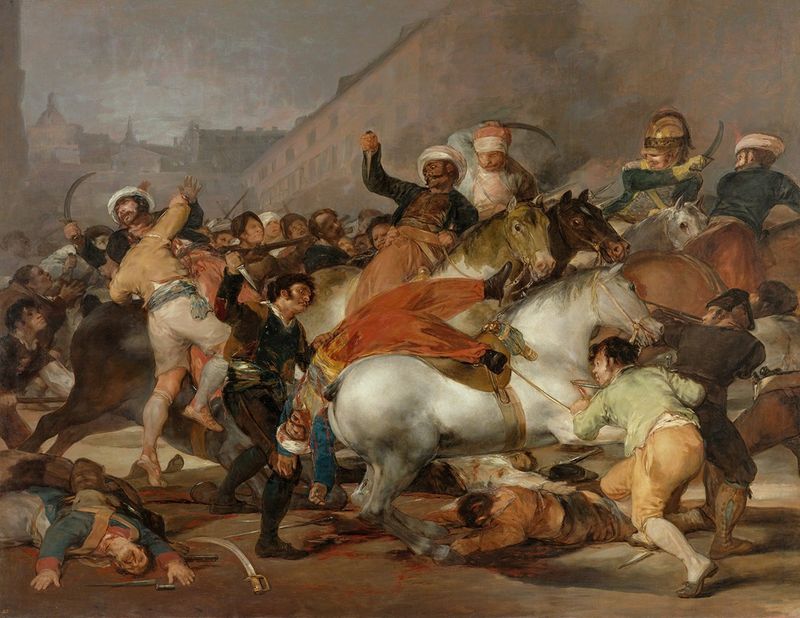
The Charge of the Mamelukes (1814)
Francisco de Goya
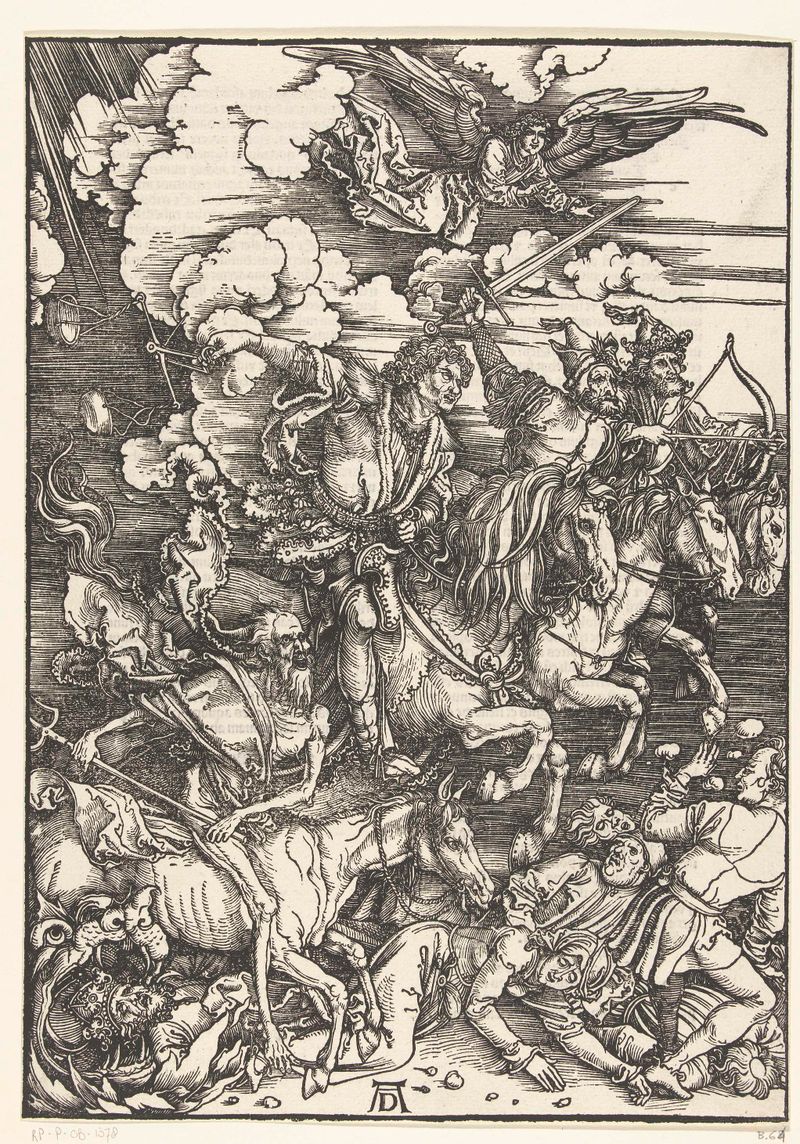
De vier ruiters van de apocalyps
Albrecht Dürer