
Ushima Shrine in Hongo District — History & Facts
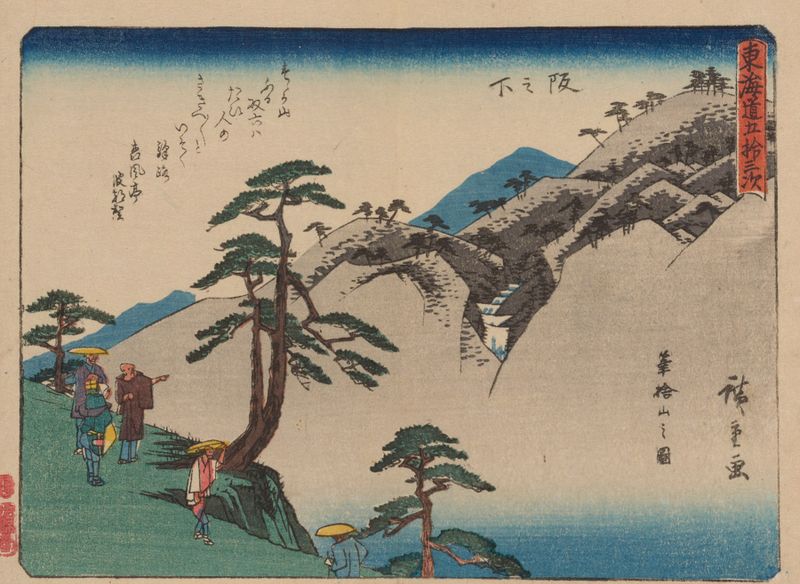
In the stillness of time captured through ink and color, longing for the past intertwines with a promise of eternity. Look to the foreground where delicate figures traverse a winding path, the subtle curve of their bodies suggesting a gentle movement amidst a tranquil landscape. Notice how the vibrant hues of emerald greens and warm earth tones of the trees contrast with the serene blue of the sky, each stroke inviting you deeper into Hiroshige’s world. The shrine stands majestically in the background, almost ethereal against the rich tapestry of nature, drawing the viewer's gaze and framing the scene with its iconic silhouette. The painting evokes a sense of nostalgia, an emotional tension between the fleeting nature of life and the steadfastness of tradition.
The figures are small, yet their purposeful strides symbolize a connection to their heritage, while the foliage whispers stories of seasons past. Here, the juxtaposition of the delicate cherry blossoms in bloom—symbolizing the ephemeral beauty of existence—against the enduring structure of the shrine poses profound questions about memory and legacy. Utagawa Hiroshige created Ushima Shrine in Hongo District in 1825 during a period of flourishing woodblock print art in Japan. At this time, he was exploring new techniques and perspectives, striving to communicate the beauty of landscapes and everyday moments.
This era marked a cultural shift, where art began to reflect the nuances of human experience and the natural world, setting the stage for his celebrated mastery.
More Artworks by Utagawa Hiroshige
Browse all →
Sudden Shower over Shin Ohashi Bridge and Atake (Ohashi Atake no yudachi), from the series "One Hundred Famous Views of Edo (Meisho Edo hyakkei)"
Utagawa Hiroshige
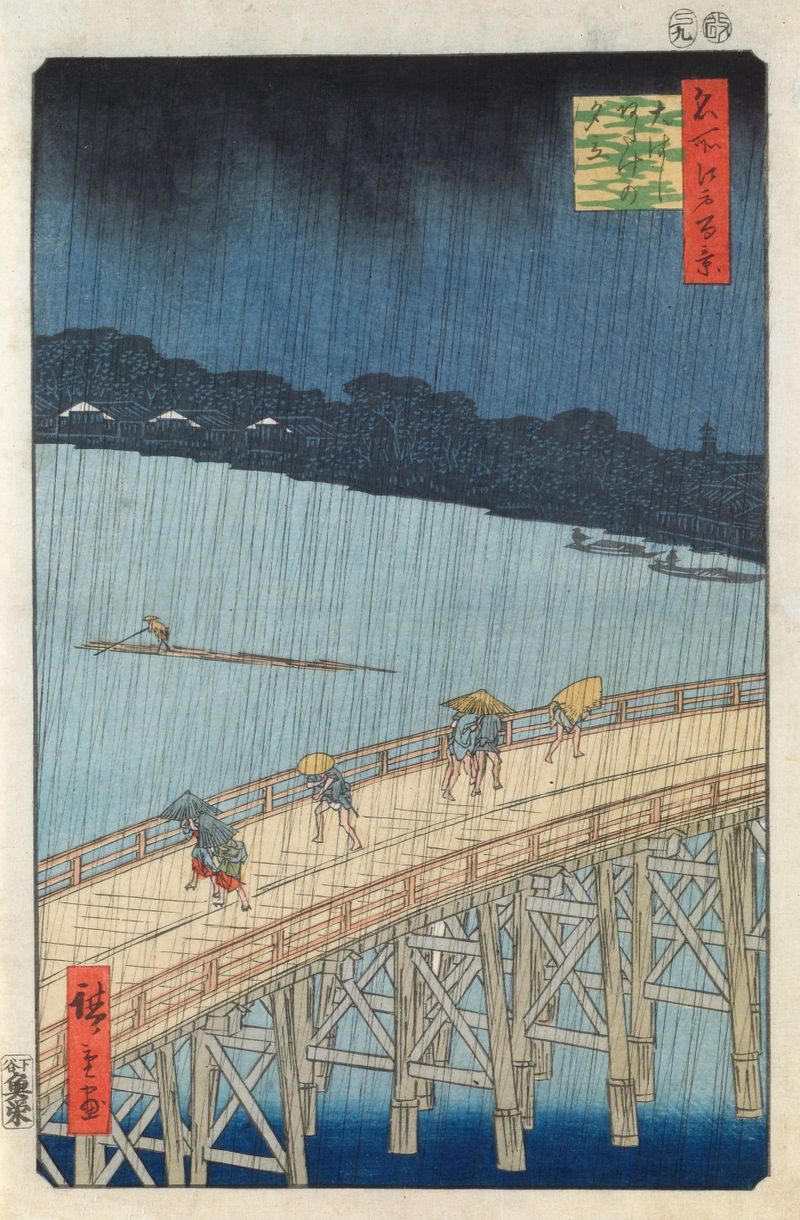
Sudden Shower Over Ohashi Bridge and Atake
Utagawa Hiroshige
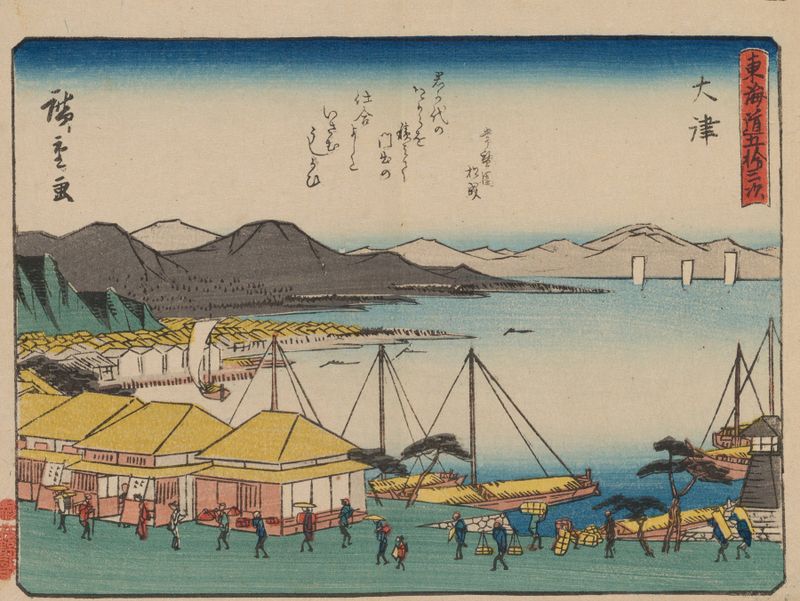
Tokaido gojusantsugi, Pl.54
Utagawa Hiroshige
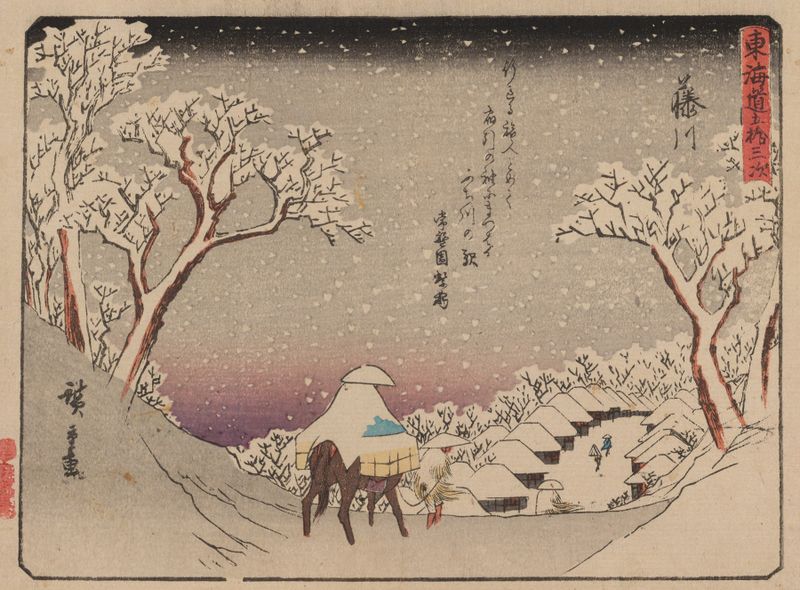
Tokaido gojusantsugi, Pl.38
Utagawa Hiroshige
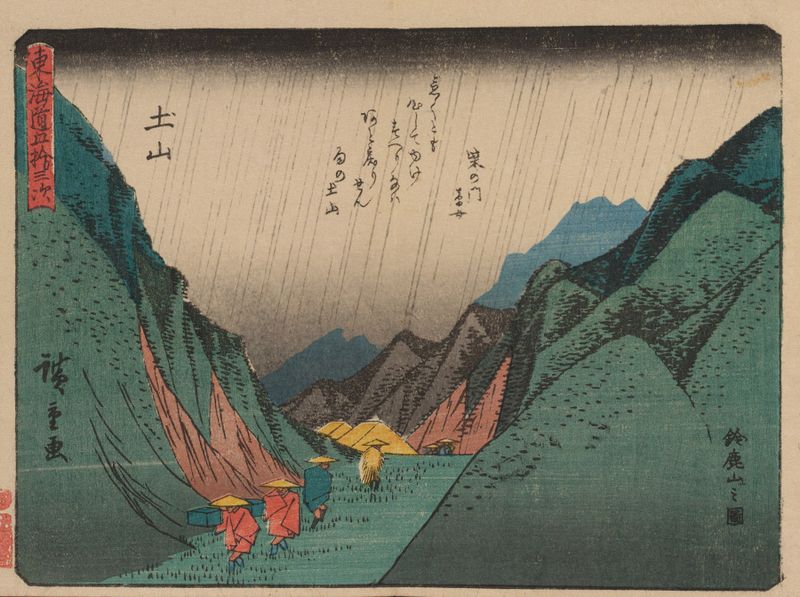
Tokaido gojusantsugi, Pl.50
Utagawa Hiroshige
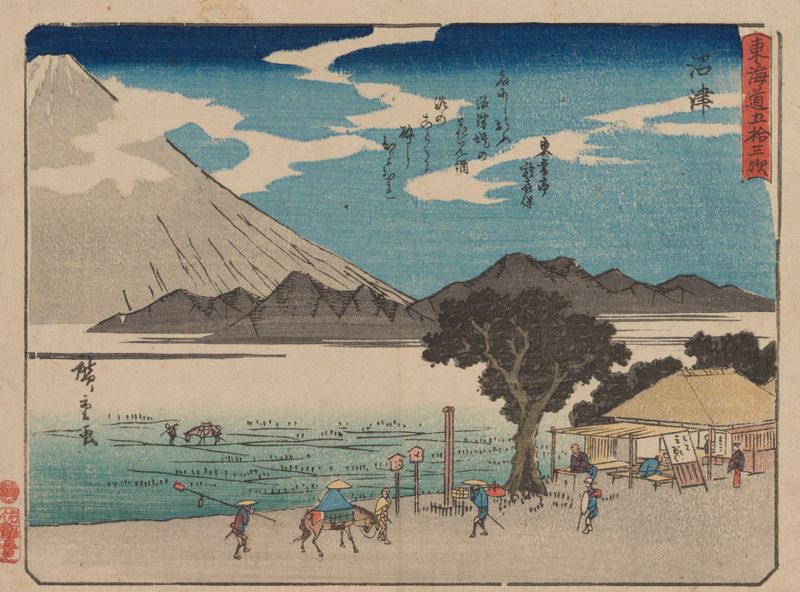
Tokaido gojusantsugi, Pl.13
Utagawa Hiroshige
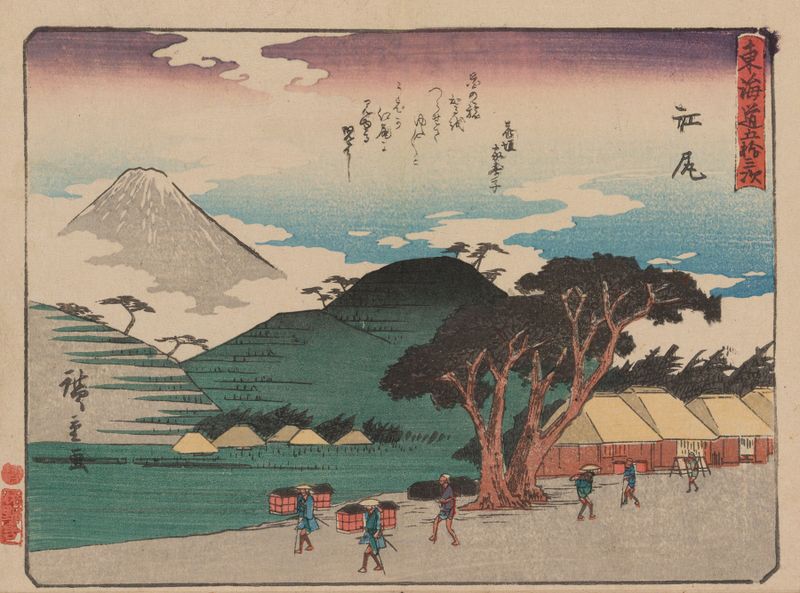
Tokaido gojusantsugi, Pl.19
Utagawa Hiroshige
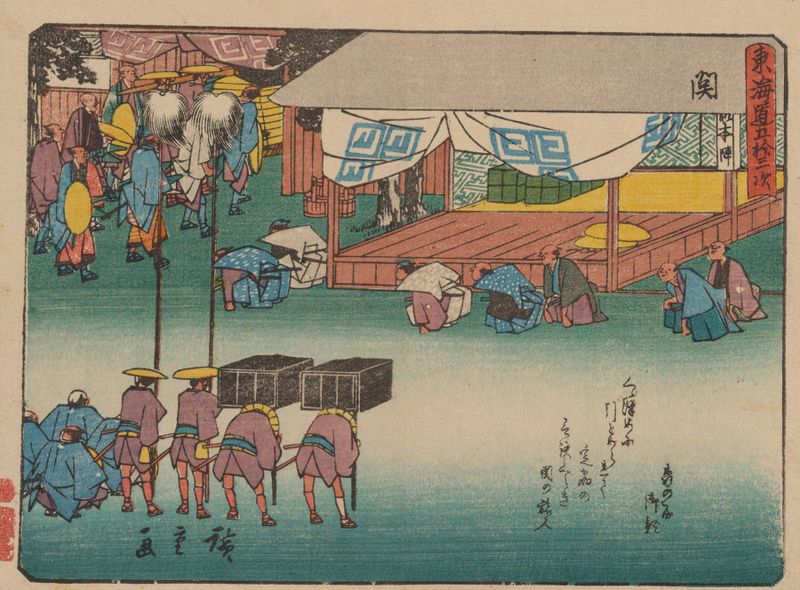
Tokaido gojusantsugi, Pl.48
Utagawa Hiroshige
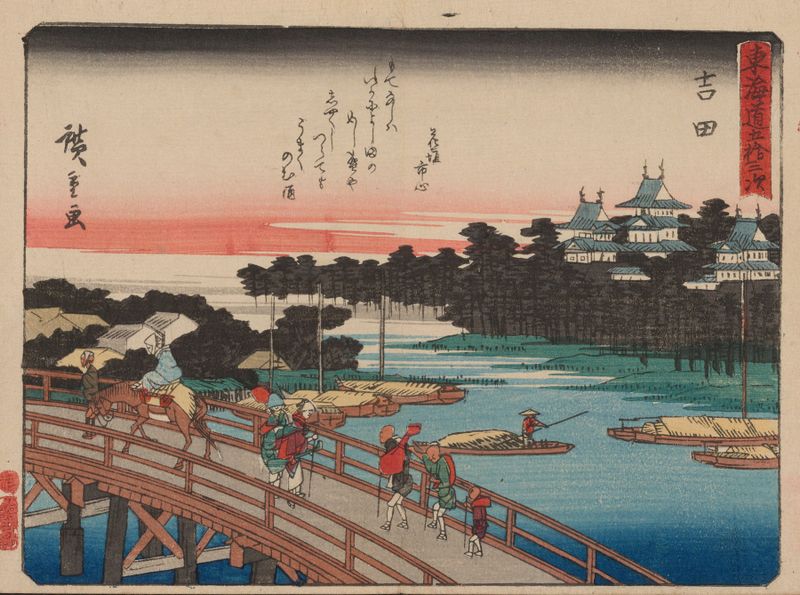
Tokaido gojusantsugi, Pl.35
Utagawa Hiroshige
Tokaido gojusantsugi, Pl.49
Utagawa Hiroshige





