
Vaandeldrager — History & Facts
In the quietude of Vaandeldrager, we encounter the weight of decay, a poignant reminder of fleeting time and fading glory. The flagbearer stands solemnly, a figure poised between the past and a future obscured, inviting contemplation of life’s transience. Look to the left, where the intricate details of the banner draw the eye first. The delicate brushwork reveals a tapestry of symbols, each woven with layers of meaning.
The muted palette—earthy browns and deep greens—emphasizes the gravity of the moment, as soft light cascades over the figure, highlighting the worn textures of fabric and skin. Notice how the subtle interplay of shadow and light creates depth, emphasizing the figure’s isolation against a backdrop that seems to whisper of a time long gone. Within this stillness lies a stark contrast between the resolute grip on the banner and the encroaching decay symbolized by the aged fabric. The figure’s expression is one of unwavering determination juxtaposed with the fragility of existence, suggesting a tension between duty and the inevitable decline.
The choice of a solitary figure hints at the loneliness that often accompanies legacy—a reminder that even the most vibrant colors eventually fade into darkness. In 1526, Hans Sebald Beham painted Vaandeldrager during a time of significant artistic transition in Germany. As the Northern Renaissance blossomed, he sought to merge humanist ideals with the distinct styles of his predecessors. This era marked a growing fascination with individualism and the complexities of the human experience, underscoring the poignant themes of decay and the passage of time that resonate throughout his work.
More Artworks by Hans Sebald Beham
Browse all →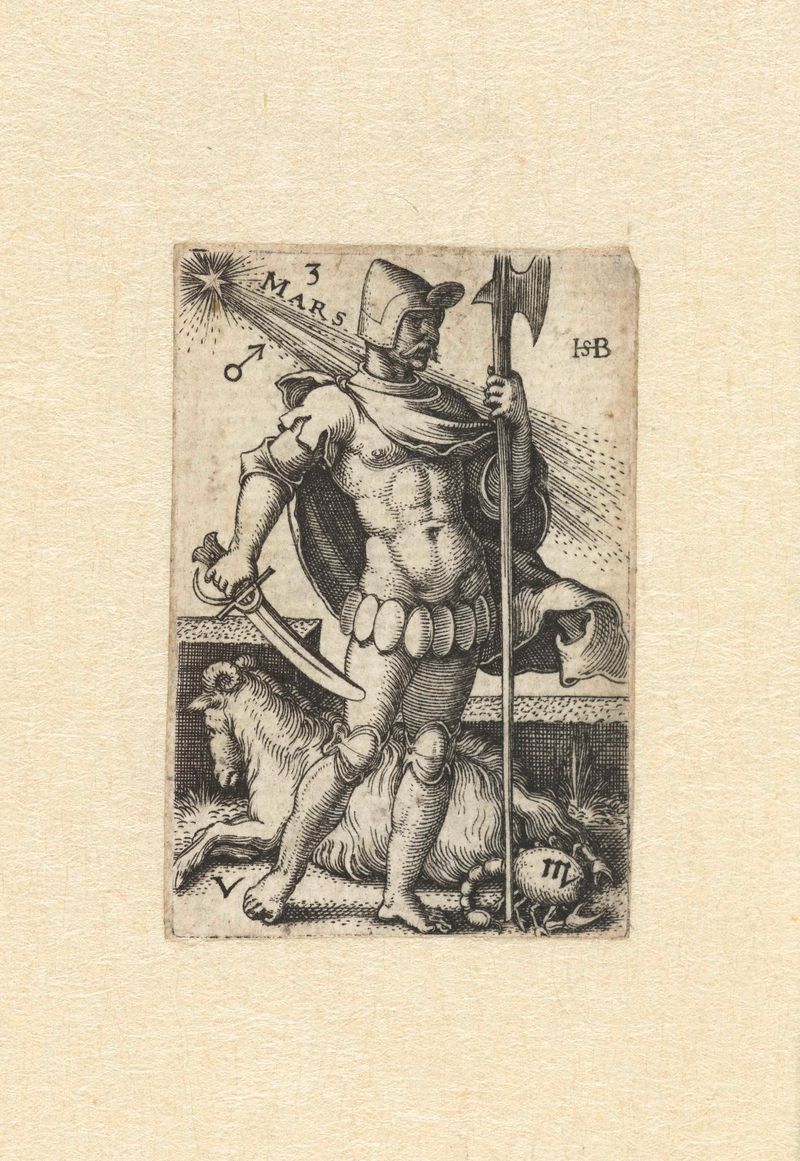
Mars met sterrenbeelden Ram en Schorpioen
Hans Sebald Beham

Achilles in gevecht met Hector
Hans Sebald Beham
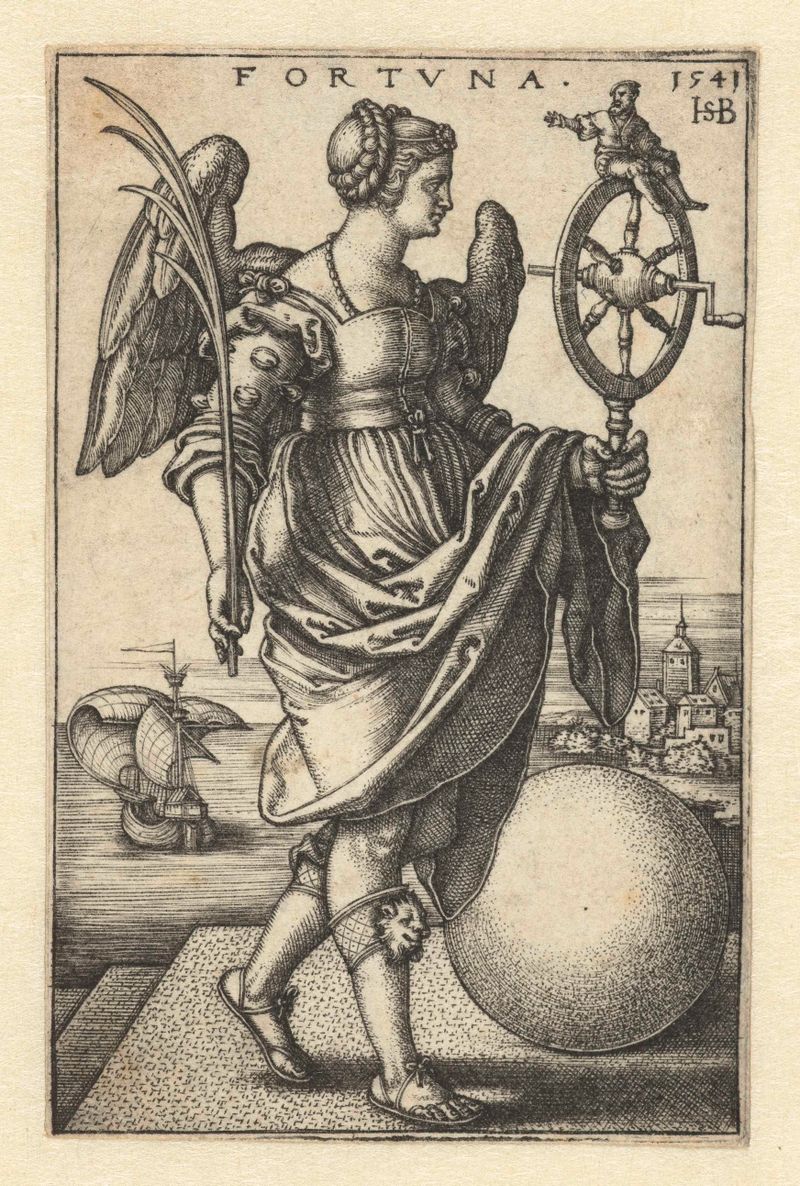
Fortuna
Hans Sebald Beham

Hercules worstelt met Antaeus
Hans Sebald Beham

Twee muzikanten met schalmey en doedelzak
Hans Sebald Beham

Voorzichtigheid (Prudentia)
Hans Sebald Beham

Hercules in gevecht met de Trojanen
Hans Sebald Beham
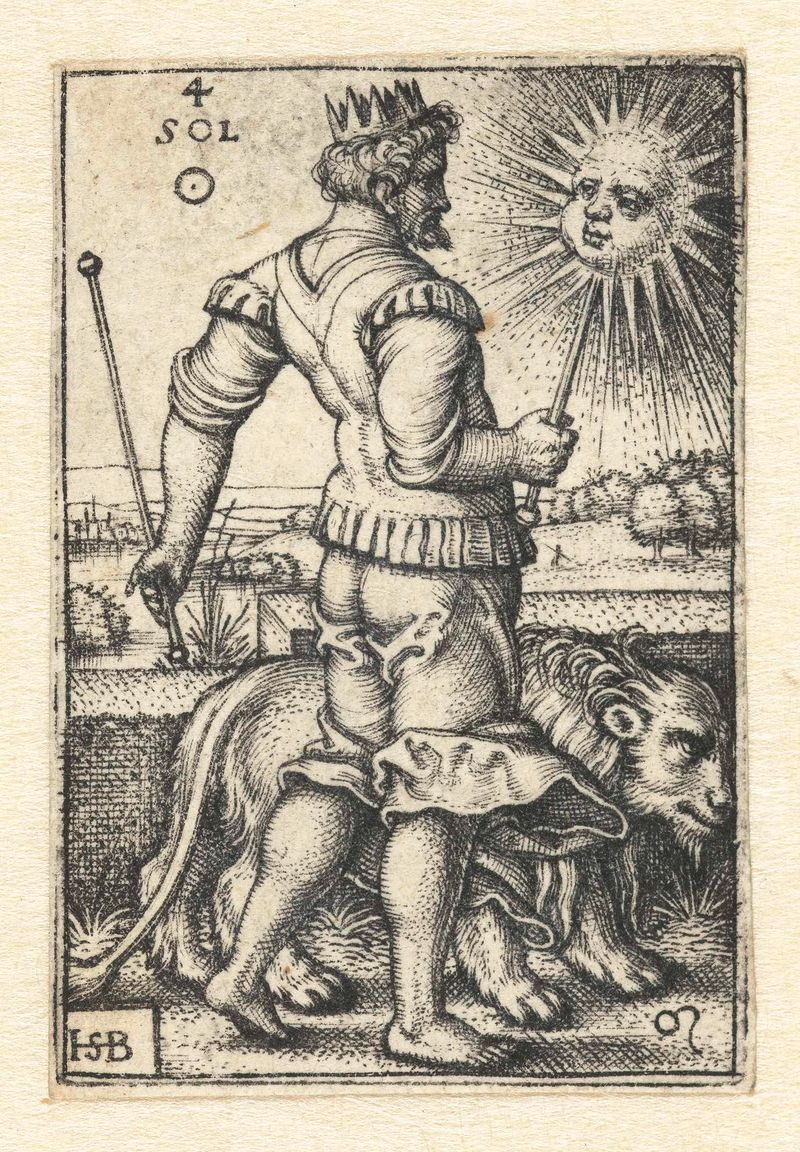
Apollo (Sol) met sterrenbeeld Leeuw
Hans Sebald Beham
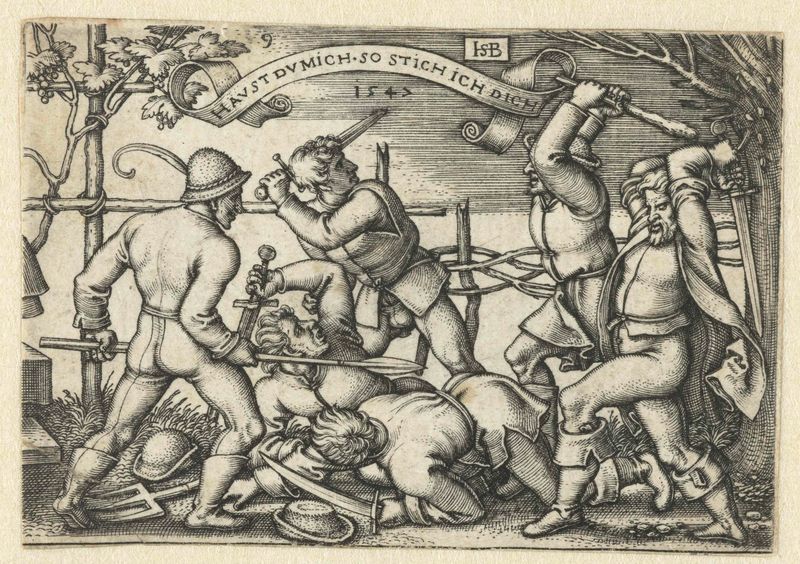
Vechtende boeren met zwaarden
Hans Sebald Beham
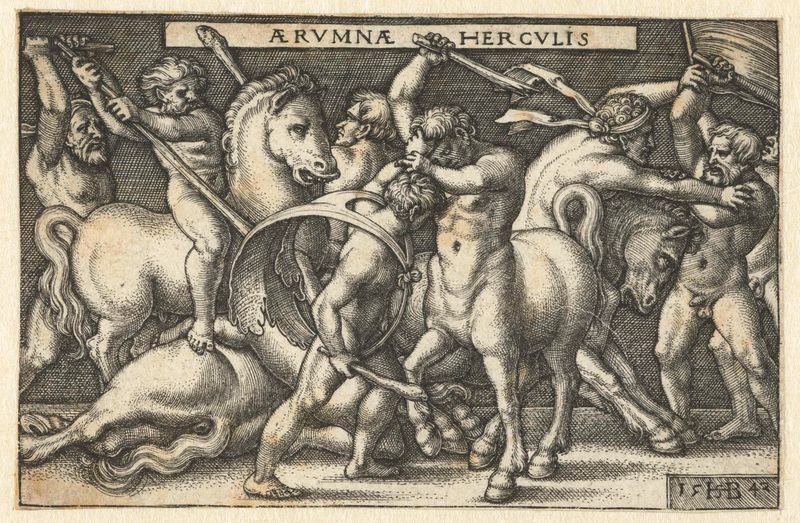
Hercules in gevecht met centaurs
Hans Sebald Beham





