
Vaandeldrager — History & Facts
In the stillness of 1519, a vivid moment captures the essence of ecstasy, revealing a world where emotion dances just beneath the surface. Look closely at the figure, the vaandeldrager, holding the vibrant banner aloft. Notice how the bold reds and golds of the fabric contrast with the cool, muted background, drawing your gaze to the triumphant gesture of the bearer. The intricate details etched into the banner speak of a narrative beyond mere decoration, hinting at a rich symbolism that suggests victory and the passage of time.
The chiaroscuro technique softens the edges of the figure, lending an ethereal quality to the scene, as if the moment could dissolve into a dream at any moment. The tension between the ornate embellishments and the simplicity of the figure creates a striking duality. One can sense a yearning for celebration intertwined with an awareness of the fleeting nature of joy. Amidst the opulence, the figure’s serene expression bears the weight of anticipation, suggesting that ecstasy is both a destination and a journey.
The contrast between the vivid colors and the starkness of the surroundings emphasizes this profound emotional complexity, inviting a viewer to contemplate the duality of human experience. Beham created this work during a period of artistic flourishing in Northern Europe, reflecting the changing tides of the Renaissance. Living in Nuremberg, he was influenced by humanism and the burgeoning focus on individuality and expression. The early 16th century was a time of both innovation and tension, as artistic freedoms blossomed alongside the societal upheaval that would soon unfold.
More Artworks by Hans Sebald Beham
Browse all →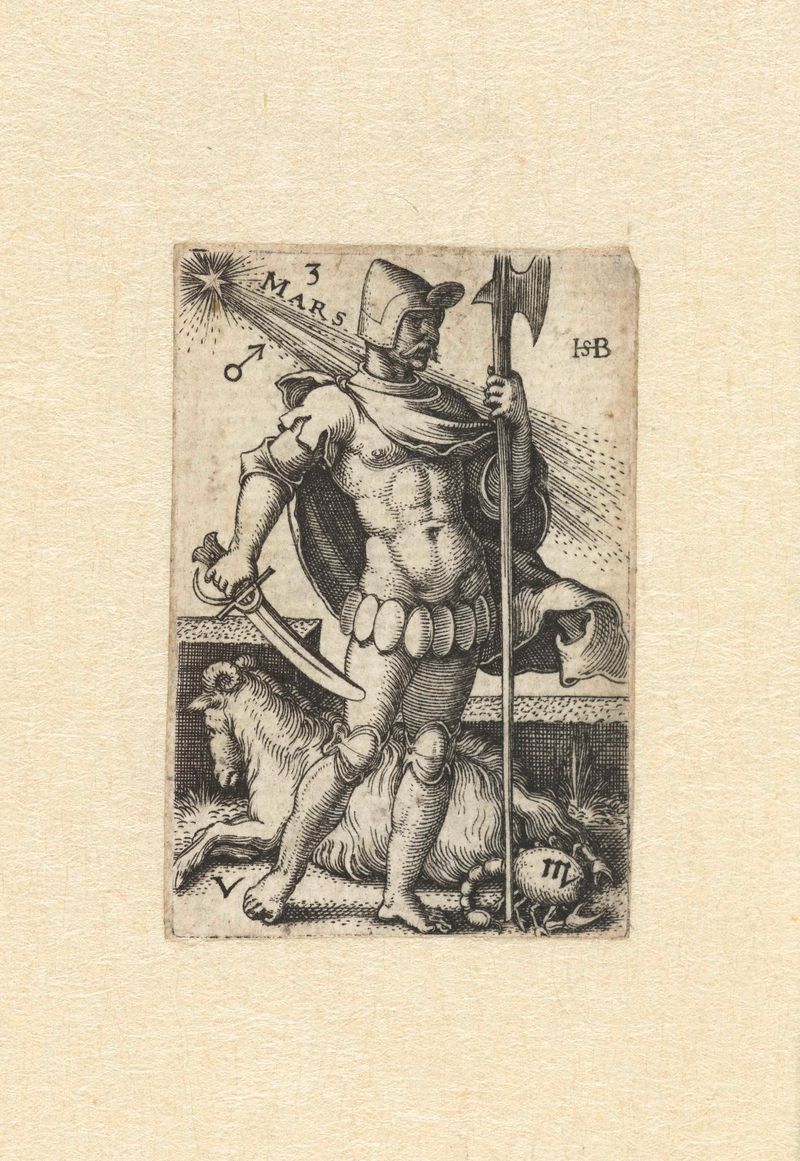
Mars met sterrenbeelden Ram en Schorpioen
Hans Sebald Beham

Achilles in gevecht met Hector
Hans Sebald Beham
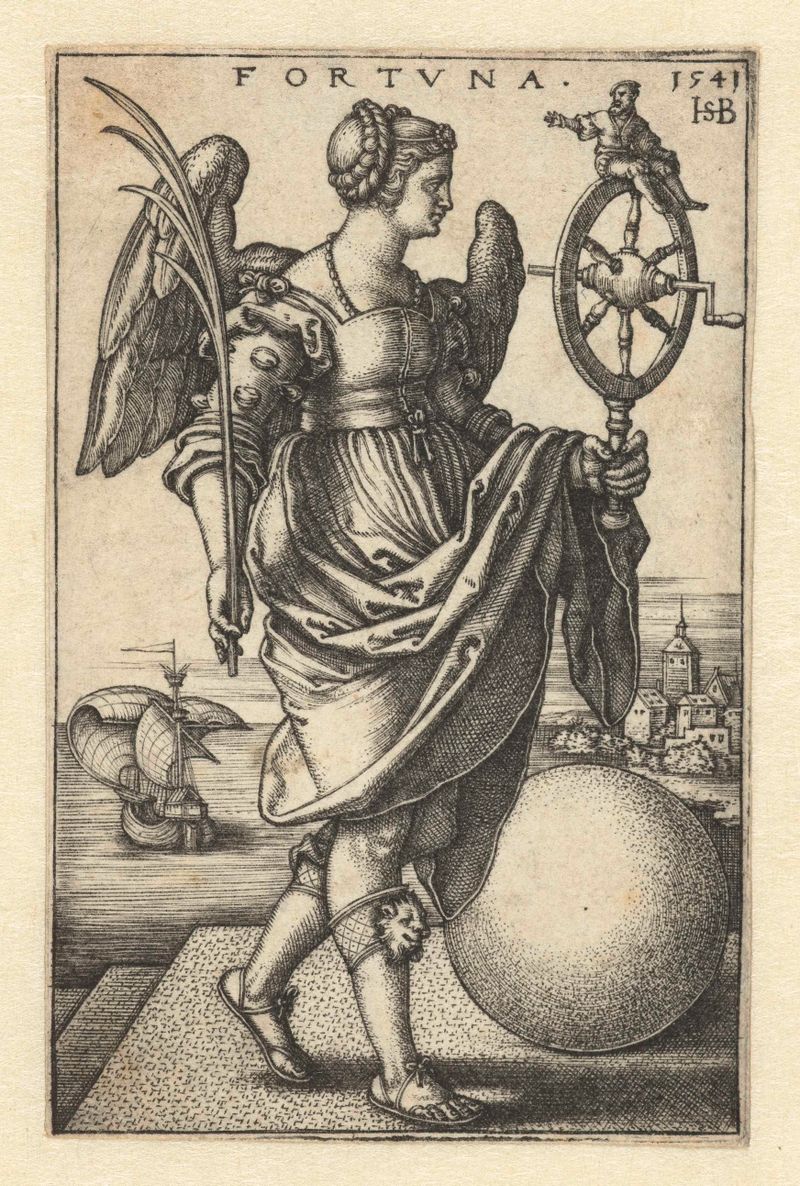
Fortuna
Hans Sebald Beham

Hercules worstelt met Antaeus
Hans Sebald Beham

Twee muzikanten met schalmey en doedelzak
Hans Sebald Beham

Voorzichtigheid (Prudentia)
Hans Sebald Beham

Hercules in gevecht met de Trojanen
Hans Sebald Beham
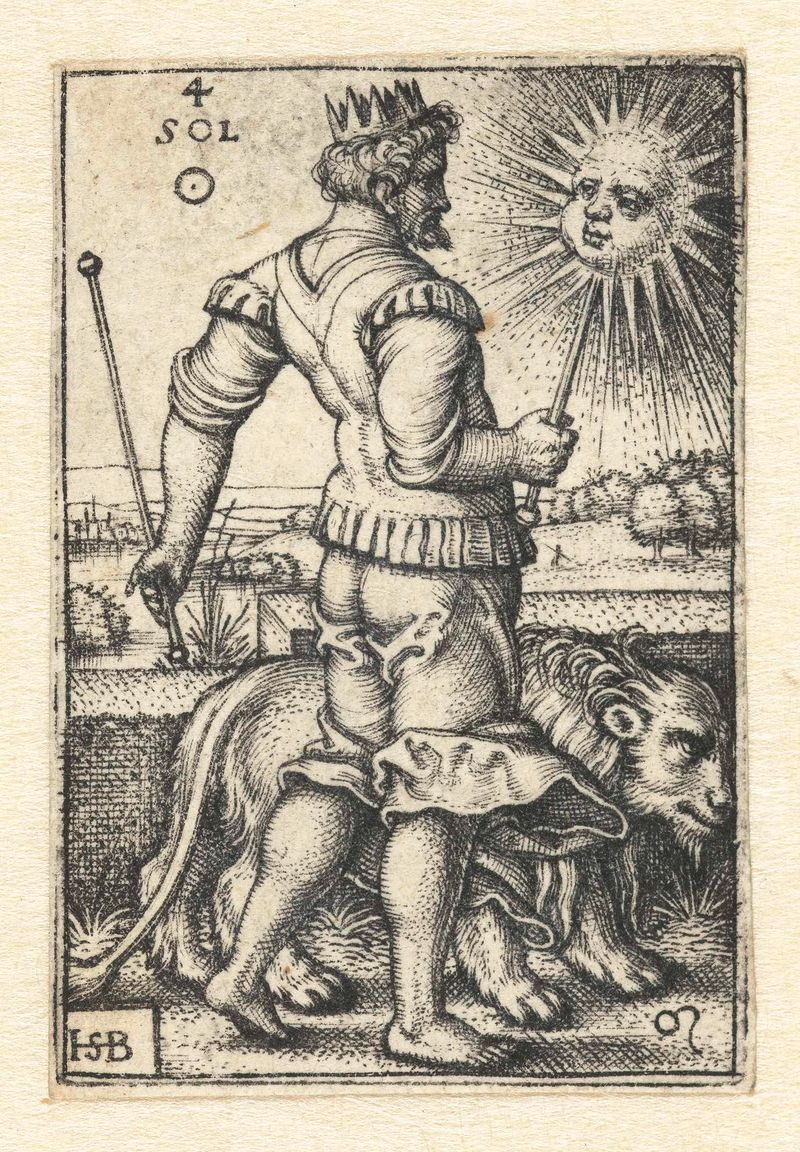
Apollo (Sol) met sterrenbeeld Leeuw
Hans Sebald Beham
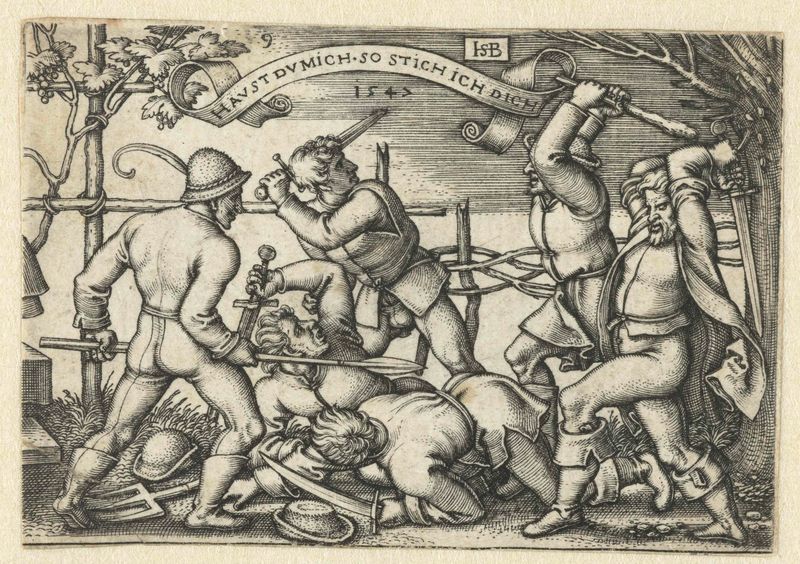
Vechtende boeren met zwaarden
Hans Sebald Beham
Hercules in gevecht met centaurs
Hans Sebald Beham





