
Valley of the Meuse — History & Facts
What secret hides in the quiet of the canvas? The interplay of color and form evokes a profound sense of awe, inviting the viewer into a world both vibrant and serene. Look to the left at the gentle undulations of the hills, where soft greens blend seamlessly into the tranquil blues of the sky. This careful layering of colors creates depth, while strokes of white add a shimmering quality to the water below. Notice how the light plays across the landscape, illuminating patches of the valley that breathe with life, while others remain shrouded in shadow, hinting at mysteries yet to be revealed. The juxtaposition of the lively colors against the calm waters speaks to the eternal dance between nature and emotion.
Each element, from the lush foliage to the distant horizon, invites contemplation, suggesting that within the stillness lies an undercurrent of movement and change. The delicate balance of realism and abstraction encourages a dialogue between the viewer and the painted world, drawing attention to nature’s quiet beauty and inherent fragility. In 1925, Emile Othon Friesz was based in Paris, a time when the Post-Impressionist movement was evolving into more expressive forms. The artist, deeply influenced by his surroundings and the burgeoning modernist scene, sought to capture the essence of landscapes with vivid colors and dynamic brushwork.
This painting reflects the broader artistic shift towards abstraction while maintaining a reverence for the natural world.
More Artworks by Emile Othon Friesz
Browse all →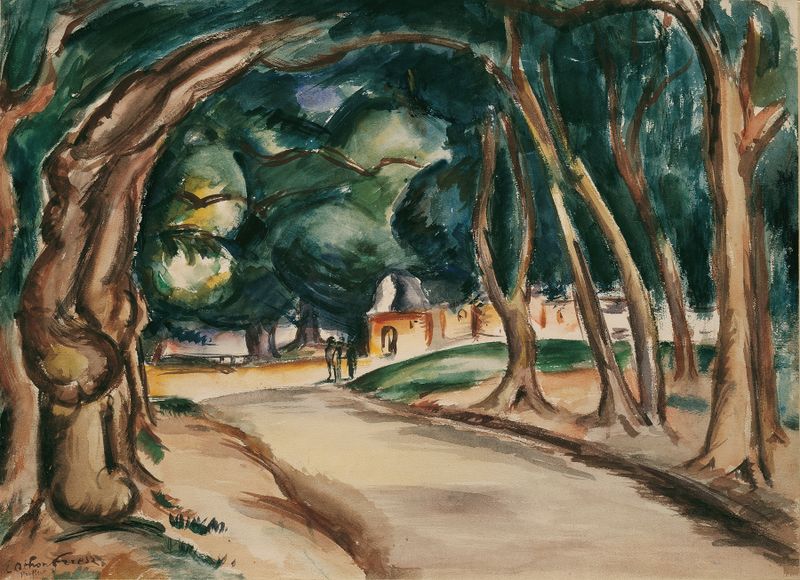
Allee
Emile Othon Friesz
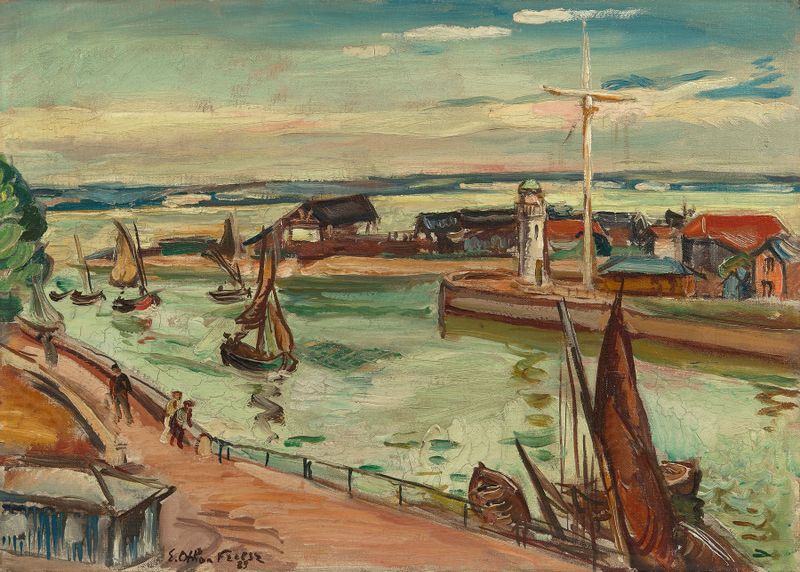
Sortie de port à Honfleur
Emile Othon Friesz
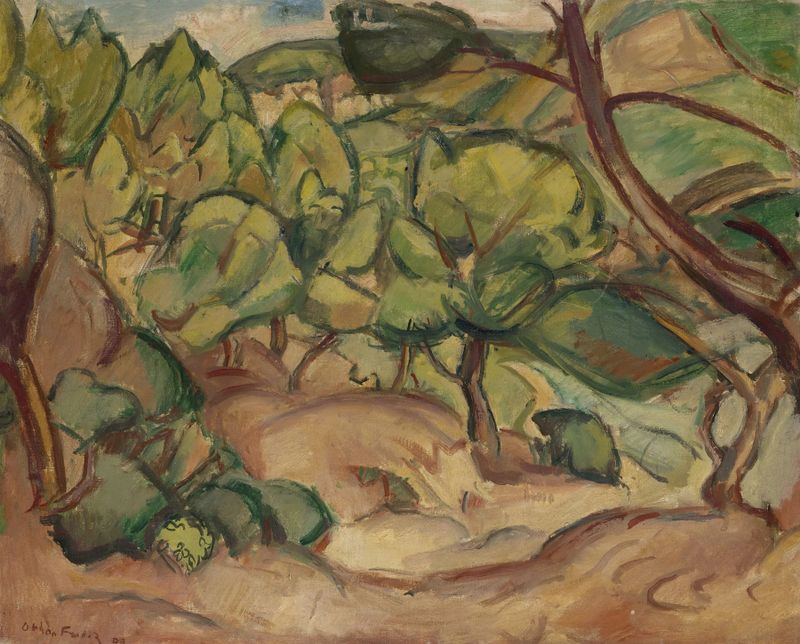
Dans les pins
Emile Othon Friesz
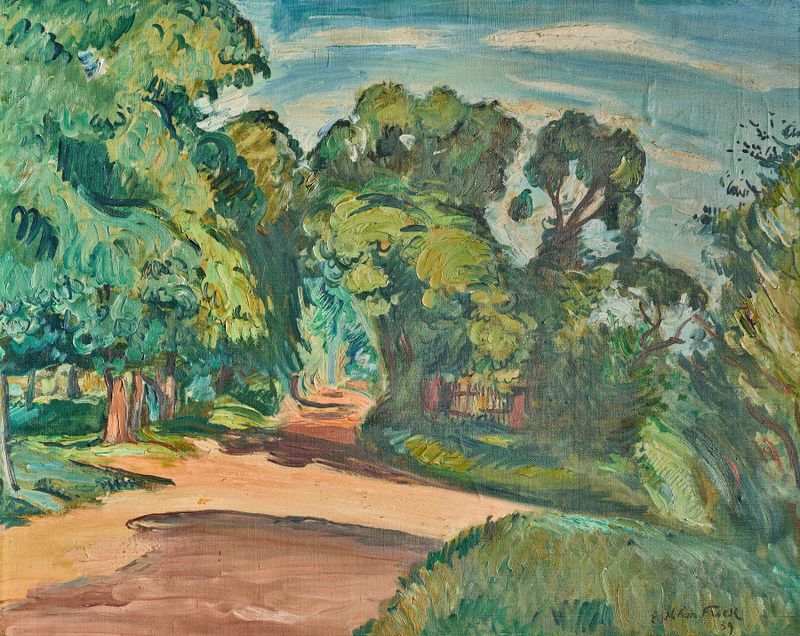
La croisée des chemins
Emile Othon Friesz
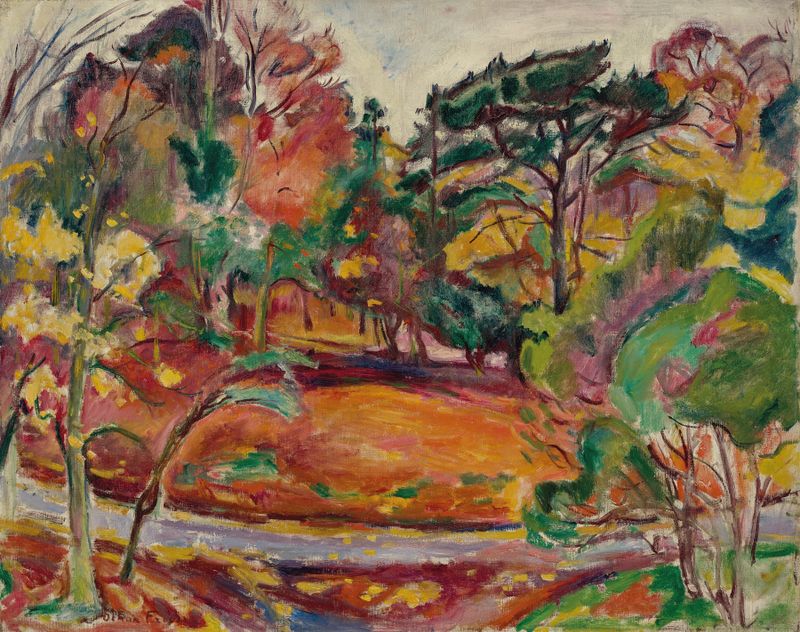
Automne à Honfleur, la Côte de Grâce
Emile Othon Friesz
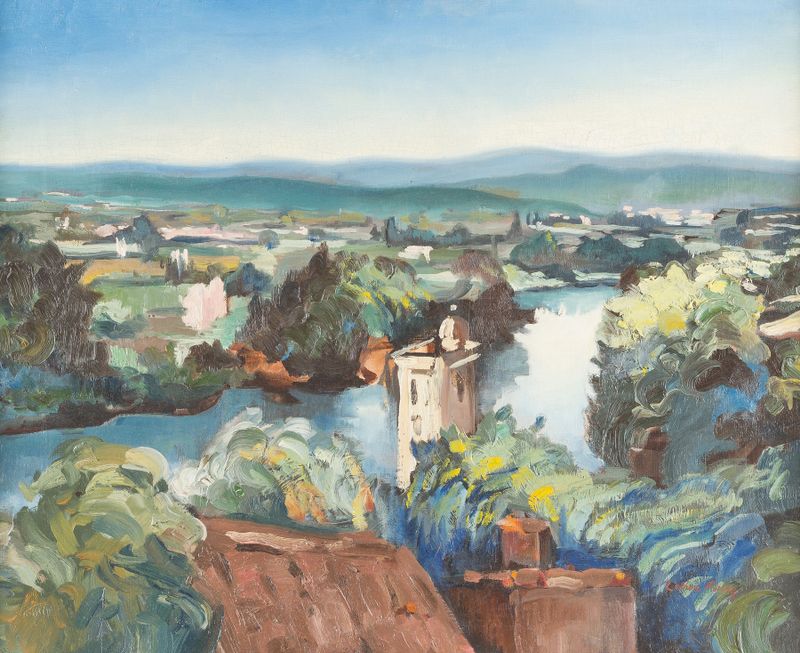
View to the horizon
Emile Othon Friesz
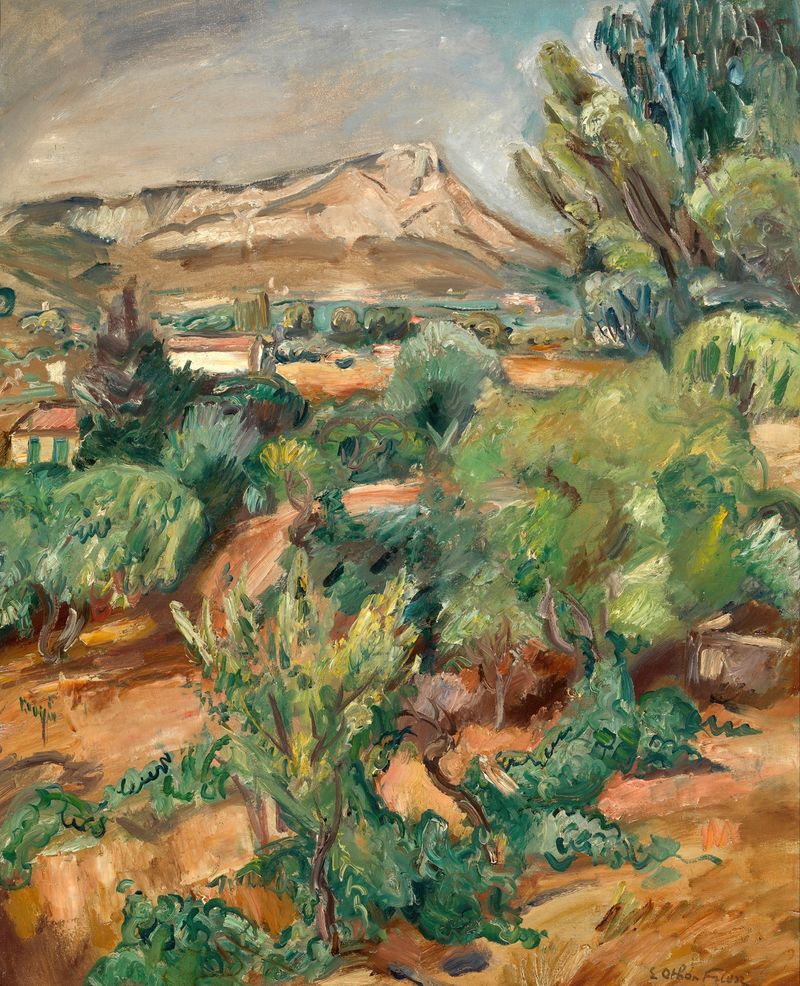
The Mountain Coudon Seen from Cap Brun
Emile Othon Friesz
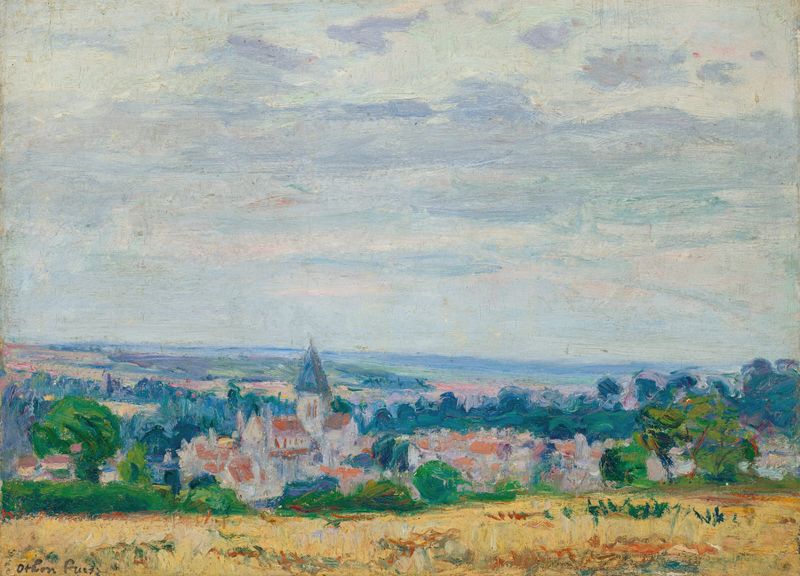
Falaise
Emile Othon Friesz
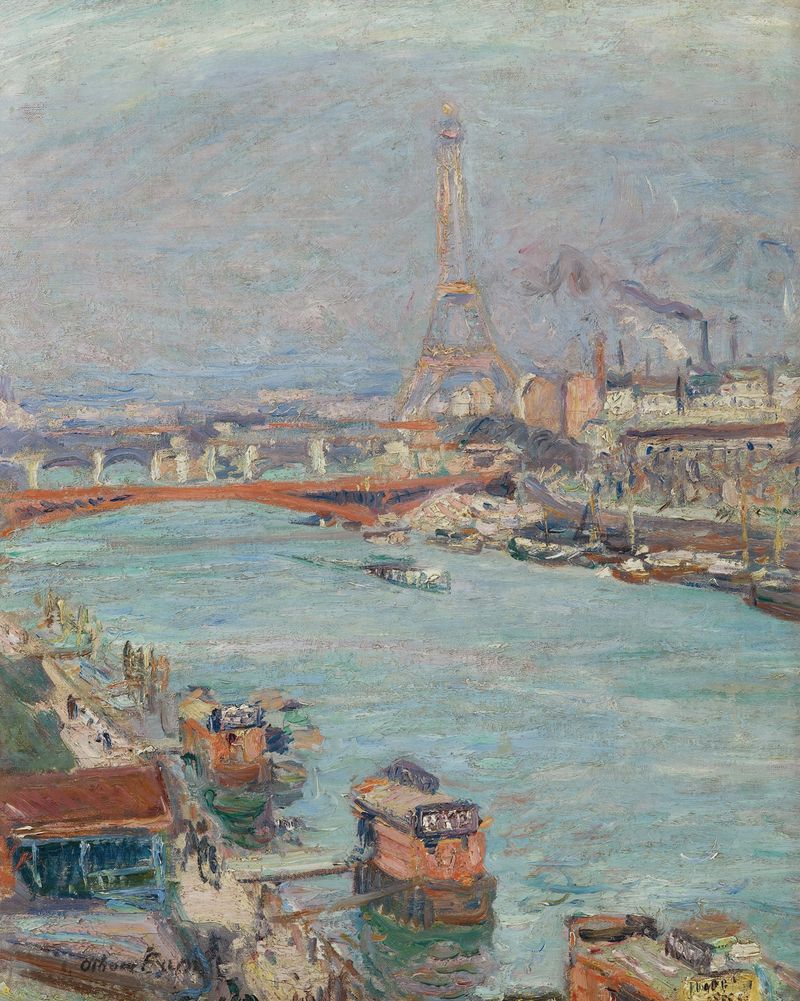
La Seine À Paris, La Tour Eiffel, Le Jour
Emile Othon Friesz
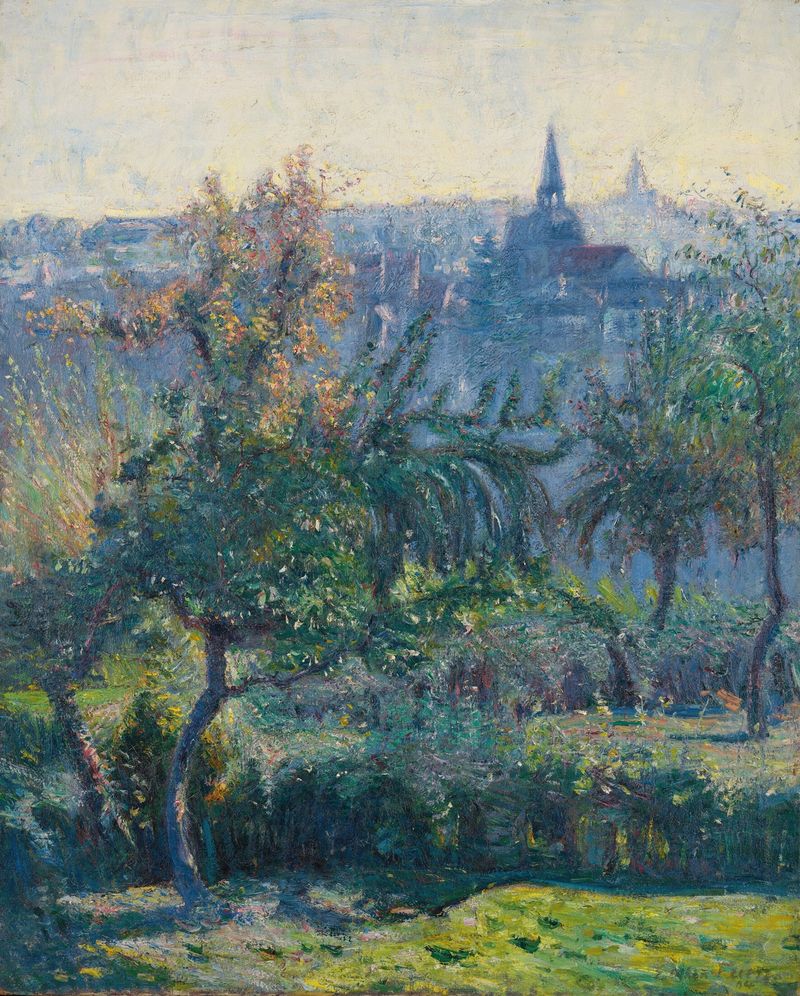
Falaise
Emile Othon Friesz





