
Van Ness Mansion — History & Facts
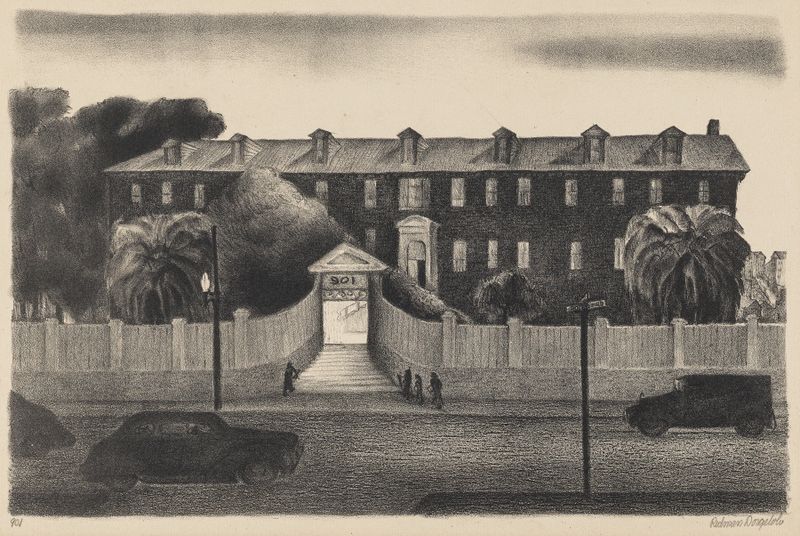
In the quiet interstice of creation, the act of seeing transforms into revelation. Here, where the artist's brush meets the canvas, imagination unfurls like a delicate flower, beckoning us to explore the depths of artistry. Focus first on the vibrant hues that envelop the canvas. The rich greens and blues of the architecture command attention, offering a striking contrast to the warm earth tones surrounding it.
Look closely to the intricate details of the windows, each frame a narrative unto itself, reflecting the light in a way that invites contemplation. The composition skillfully balances structure and organic form, creating a dialogue between the mansion and its environment that is both harmonious and arresting. Yet, beneath the surface, the work harbors layers of meaning. The looming presence of the mansion suggests the weight of history, while the whispers of nature encroaching upon it speak to the inevitable passage of time.
The interplay between color and shadow evokes a sense of nostalgia, prompting a reflection on permanence and transience in our lives. These contrasts invite viewers to consider not just what is depicted, but what remains unspoken. Marguerite Redman Dorgeloh created Van Ness Mansion during a period when American art was exploring new avenues of expression, likely in the early 20th century. As the art world underwent significant transformation, with movements like Impressionism and the burgeoning interest in regionalism, the artist found herself at the crossroads of tradition and innovation.
It was a time marked by experimentation, and her work reflects a deep engagement with the artistic conversations of her era.
More Artworks by Marguerite Redman Dorgeloh
Browse all →
Pacific Cable Car, San Francisco
Marguerite Redman Dorgeloh
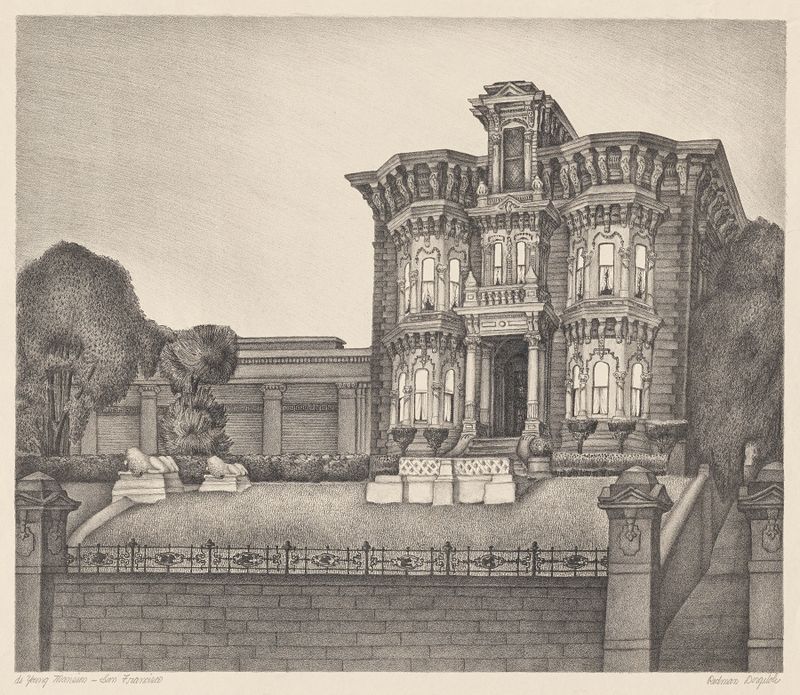
M.H. de Young Mansion, San Francisco
Marguerite Redman Dorgeloh

Battleship House, San Francisco
Marguerite Redman Dorgeloh

Pacific Cable Car–San Francisco
Marguerite Redman Dorgeloh
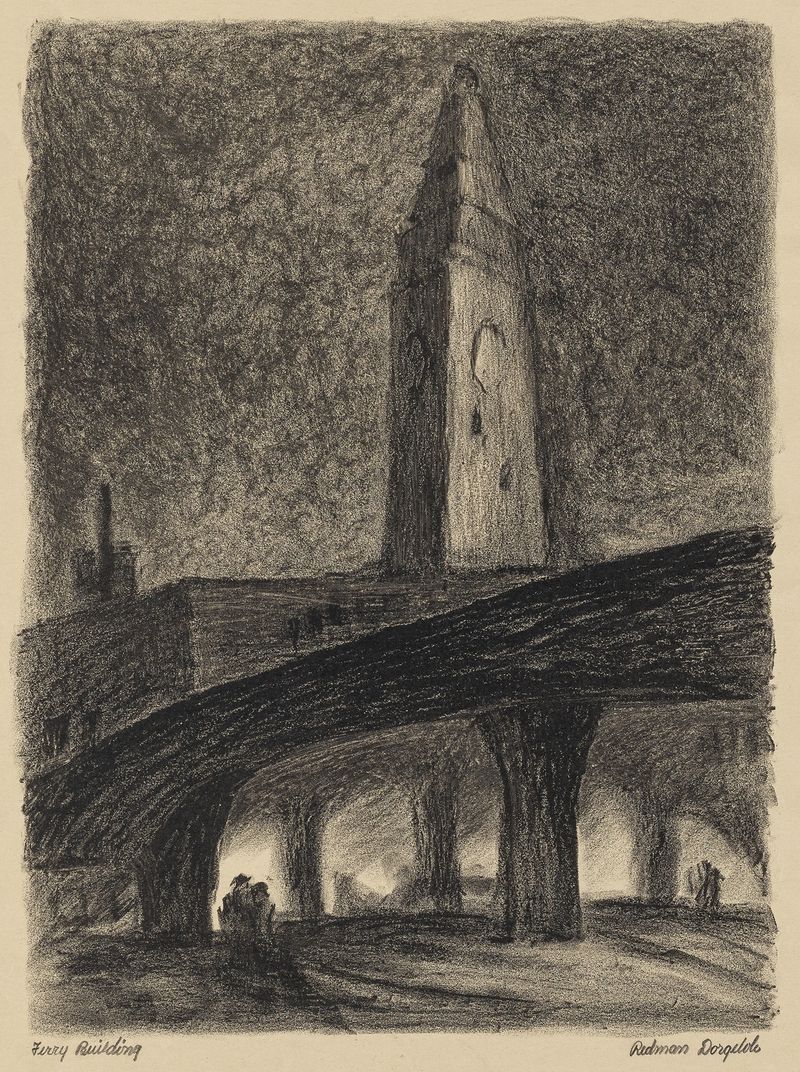
Ferry Building
Marguerite Redman Dorgeloh
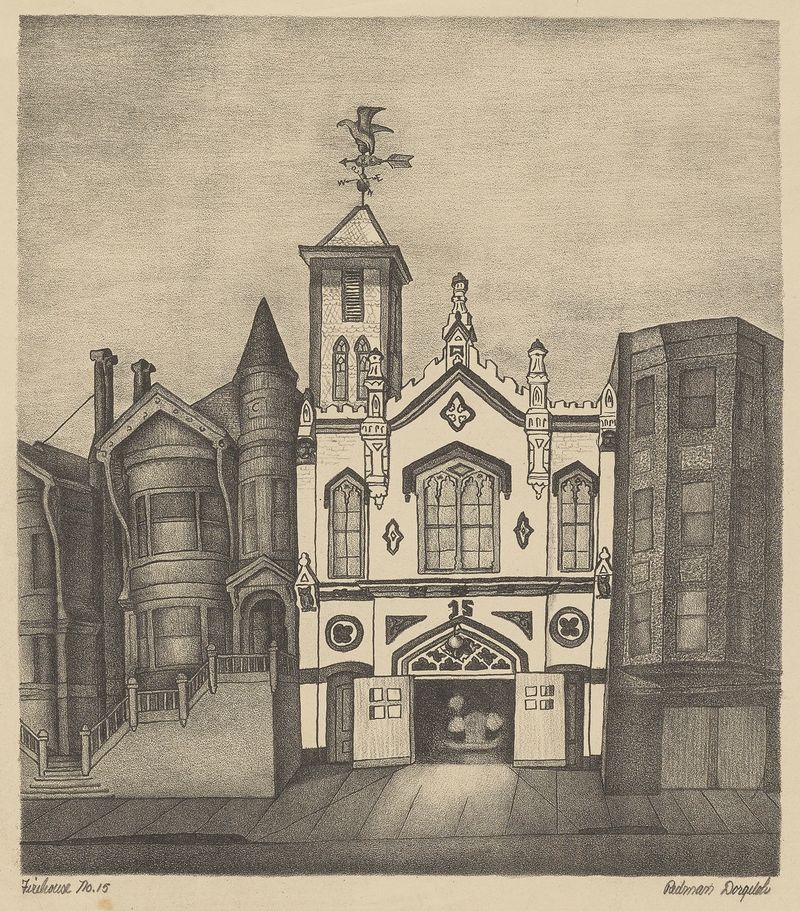
Firehouse No. 15
Marguerite Redman Dorgeloh

Danish Church, San Francisco
Marguerite Redman Dorgeloh
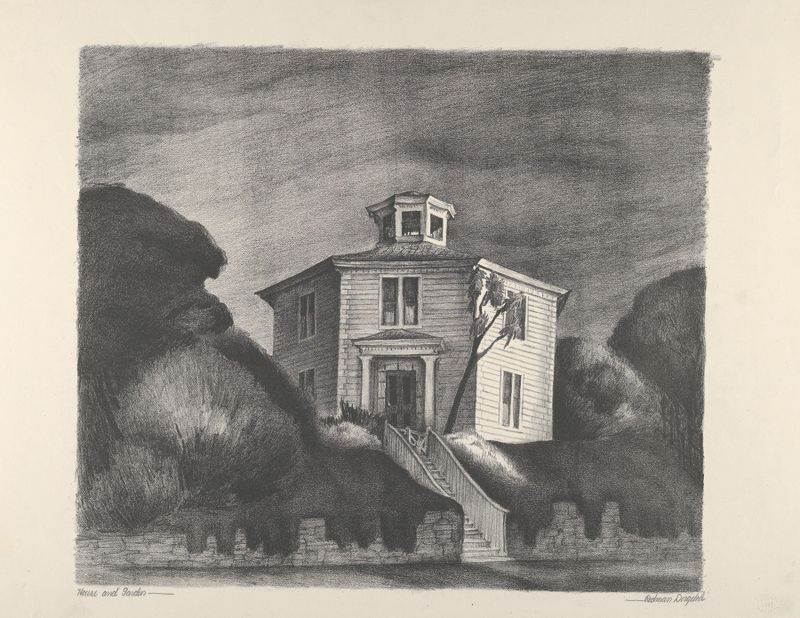
House and Garden
Marguerite Redman Dorgeloh
901 (Street View, Unidentified Building)
Marguerite Redman Dorgeloh

Danish Church, San Francisco
Marguerite Redman Dorgeloh
More Architecture Art
Browse all →
The statue of Liberty
Frédéric Auguste Bartholdi

View of Houses in Delft, Known as ‘The Little Street’
Johannes Vermeer

View of Houses in Delft, Known as ‘The Little Street’
Johannes Vermeer

The Cathedral in Rouen. The portal, Grey Weather
Claude Monet

The yellow house
Vincent van Gogh

The Church in Auvers-sur-Oise, View from the Chevet
Vincent van Gogh