Varenna aan het Comomeer — History & Facts
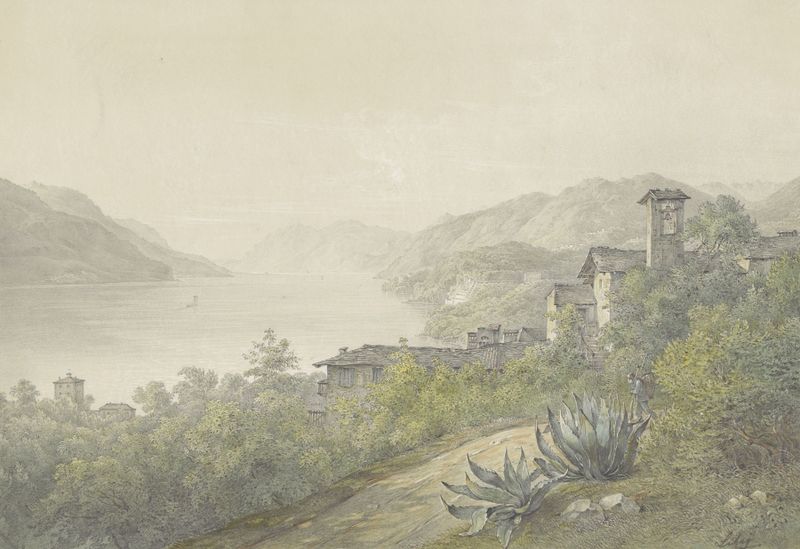
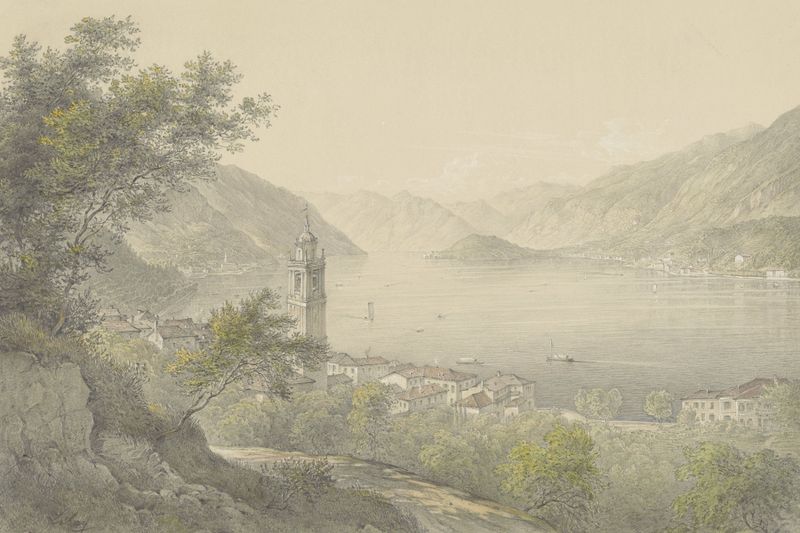
What secret hides in the quiet of the canvas? The stillness of the water reflects a world both familiar and haunting, evoking the bittersweet nature of memory and loss. Focus on the shimmering surface of the lake, where the light dances gently upon the ripples, creating a tapestry of blues and greens. Notice how the quaint village of Varenna nestles against the backdrop of the looming mountains, each house a silent witness to the passing of time. The soft brushstrokes convey a delicate harmony between nature and human presence, yet an underlying tension lingers in the air, suggesting stories untold. The contrast between the vibrant life of the village and the imposing mountains hints at the fragility of existence.
The warmth of the homes stands in stark opposition to the cold, majestic peaks, symbolizing the inevitable separation between joy and sorrow. Small details, like the distant boat floating alone, evoke a sense of longing—a reminder that every fleeting moment is tinged with the awareness of what has been lost. Karoly Lajos Libay painted this landscape during a period of artistic exploration in the 19th century, between 1824 and 1888. Working in Hungary and later Italy, he captured the essence of the Romantic movement while reflecting on the beauty of nature.
At this time, Europe was experiencing shifts both socially and artistically, as artists sought to express deeper emotions through their work, making this piece a poignant testament to the themes of nostalgia and the passage of time.