Venetië; S. Giovanni & Paolo — History & Facts
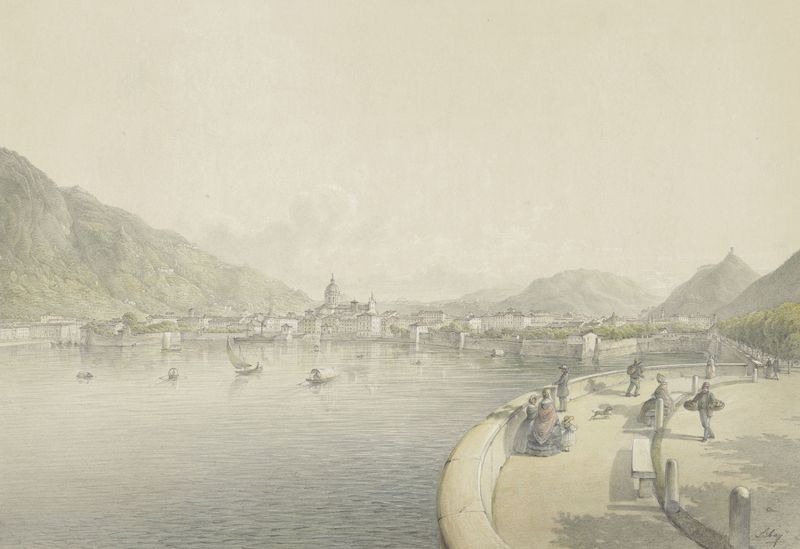
Where does light end, and longing begin? In the delicate balance of color and composition, we find not just a view of Venice, but a yearning for connection and beauty. Focus first on the shimmering water in the foreground, its poetic reflections dancing with the soft hues of the sky. Notice how the light infuses the scene with warmth, illuminating the intricate façades of the buildings that rise gracefully from the canal's edge. The artist employs gentle strokes, creating a sense of movement, as if the city itself breathes and sighs under the caress of the evening sun. Within this serene panorama lies a poignant tension.
The vibrant reds and golds of the architecture contrast with the tranquil blues of the water, suggesting a complex relationship between civilization and nature. The presence of figures in the distance, perhaps engaged in their own fleeting moments of joy or solitude, adds an element of intimacy to the vastness of the scene. Each detail, from the angle of a boat to the fluttering of a flag, weaves a narrative of fleeting ecstasy amidst the static beauty of the moment. In the mid-19th century, Libay painted this masterpiece while living in a Europe rich with artistic exploration.
The romantic movement was flourishing, and the allure of Venice attracted many artists seeking to capture its ethereal beauty. During this period, Libay’s work reflected not only his personal artistic journey but also the broader cultural fascination with landscapes that evoked emotion and nostalgia.