Como — History & Facts
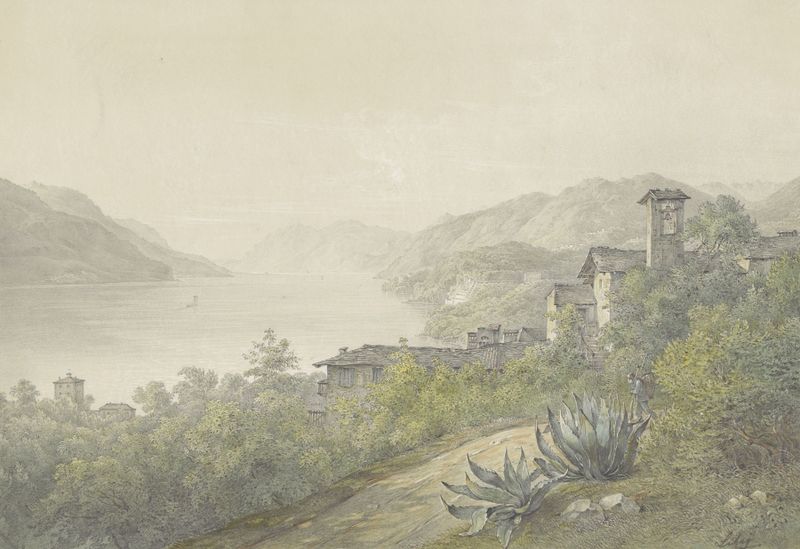
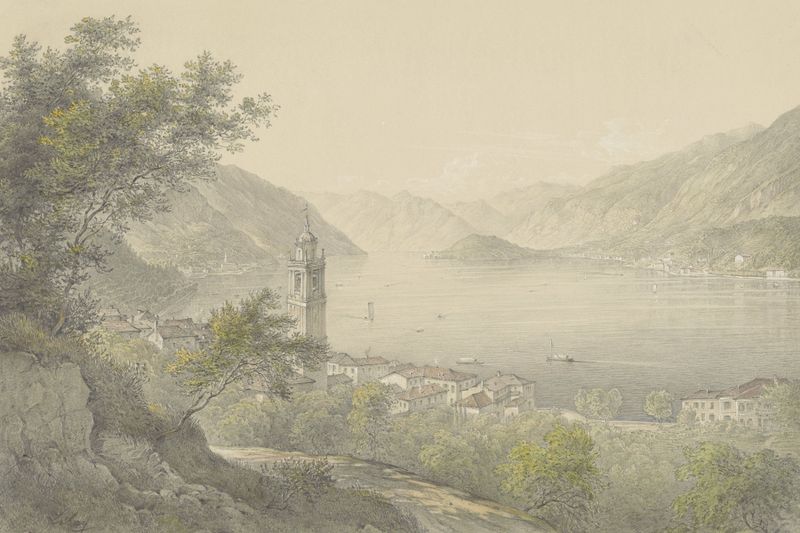
Can paint confess what words never could? In Como, a dreamlike landscape unravels, inviting the viewer to step into a world suspended between reality and imagination. Look first to the serene lake at the center, where the water’s surface mirrors the soft whispers of the surrounding mountains. Notice how Libay uses cool blues and gentle greens to create a tranquil atmosphere, almost as if time itself has slowed. The brushstrokes are both delicate and deliberate, invoking a sense of peace while also hinting at the depth of emotions lurking beneath the surface.
The horizon is kissed by the silken glow of a setting sun, casting golden light that dances across the rippling water, guiding your gaze throughout the canvas. In this delicate interplay of color and light, we find contrasting emotions—the tranquil beauty of nature juxtaposed with the solitude of the figure seated at the lake's edge. The lone presence is enveloped in a contemplative silence, suggesting a yearning for connection or understanding, as if the landscape itself holds the secrets of their heart. The gentle undulation of the water echoes the rhythms of thought, blurring the lines between what is seen and what is felt, transforming the scene into an intimate exploration of longing. Created between 1824 and 1888, Como reflects Libay's artistic journey during a time when Romanticism was thriving in Europe.
Living in Hungary, he captured the beauty of his homeland while infusing his work with a profound sense of introspection. This period marked a significant transition in art, as artists sought to express the depths of human emotion through the sublime attributes of nature, establishing a lasting legacy that resonates even today.