
Vûe prise à Iseltwald, sur le lac de Brientz — History & Facts
What if beauty was never meant to be finished? The tranquility of nature, captured in vibrant colors and sweeping strokes, invites one to ponder the endless cycles of life and art. Look to the serene blue waters at the center of the canvas, where the lake mirrors the soft, rolling hills and the delicate wisps of clouds above. Notice how the artist employs light to breathe life into the landscape; the gentle interplay of sunlight dapples the surface, creating a shimmering effect that holds the gaze. The palette is rich yet harmonious, with greens and blues that evoke a sense of peace and connection to the natural world. Delve deeper into the lush foreground, where subtle details emerge, like the tender brushwork that suggests the rustle of leaves or the quiet stirrings of wildlife.
The contrast between the solid, grounded earth and the ethereal sky reflects a tension between permanence and impermanence, inviting contemplation about the transitory nature of beauty. These elements weave together a narrative of awe, suggesting that moments of splendor exist just beyond the canvas. In the mid-20th century, during a period of profound upheaval in Europe, Heinrich Rieter found solace in capturing landscapes like Vûe prise à Iseltwald, sur le lac de Brientz. Painted between 1915 and 1945, this work reflects both the artist's personal journey and the broader search for serenity amidst chaos.
As nations struggled through war, Rieter’s art became a refuge, his depictions of nature resonating with the yearning for peace and stability.
More Artworks by Heinrich Rieter
Browse all →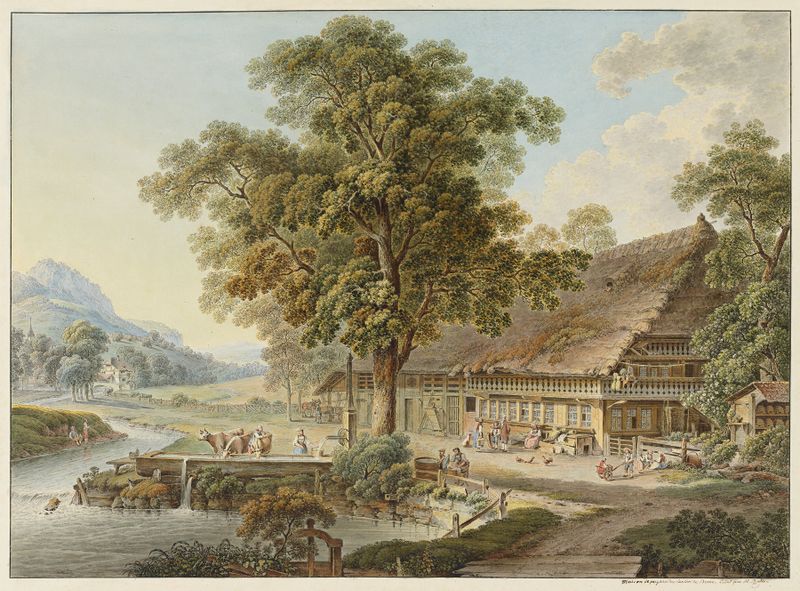
Maison de paysan du Canton de Berne
Heinrich Rieter
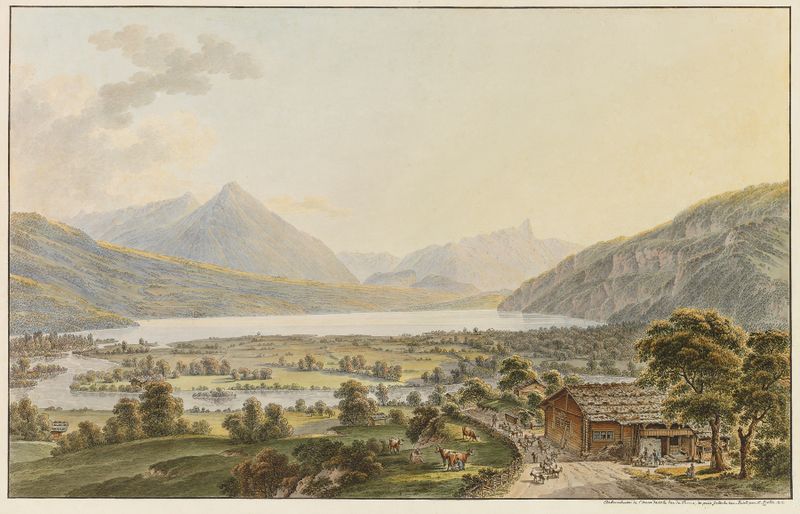
Embouchure de l’Aare dans le lac de Thoun
Heinrich Rieter

Vue de Morat sur le lac du même nom
Heinrich Rieter
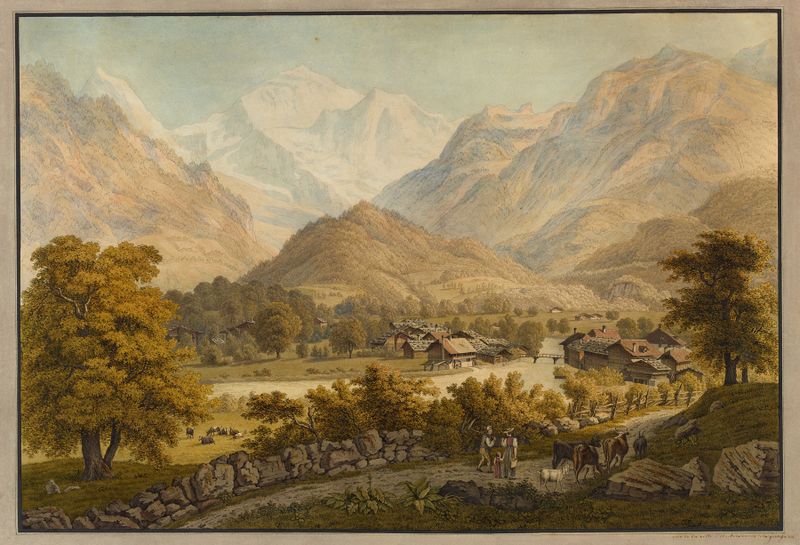
vue de la ville d’Unterseen & de la jungfrau
Heinrich Rieter

La Maison du Paysan
Heinrich Rieter
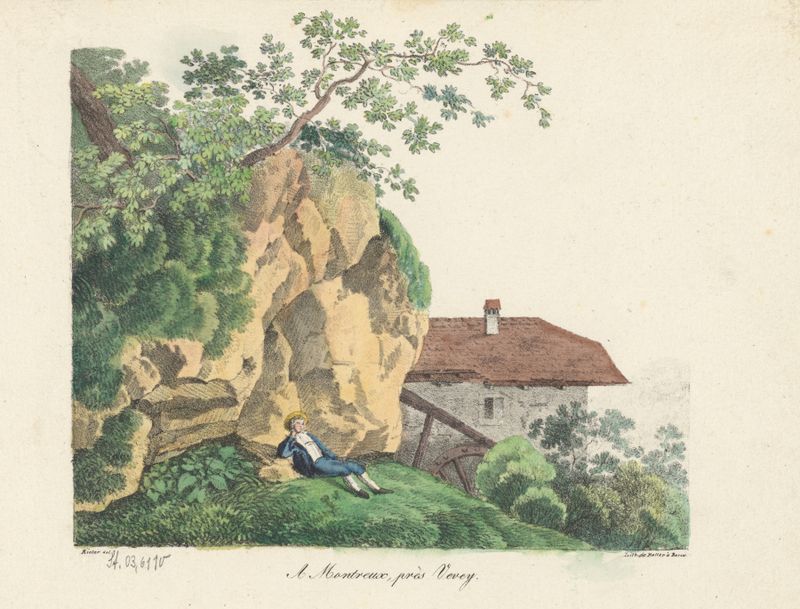
Haller (Bern)
Heinrich Rieter
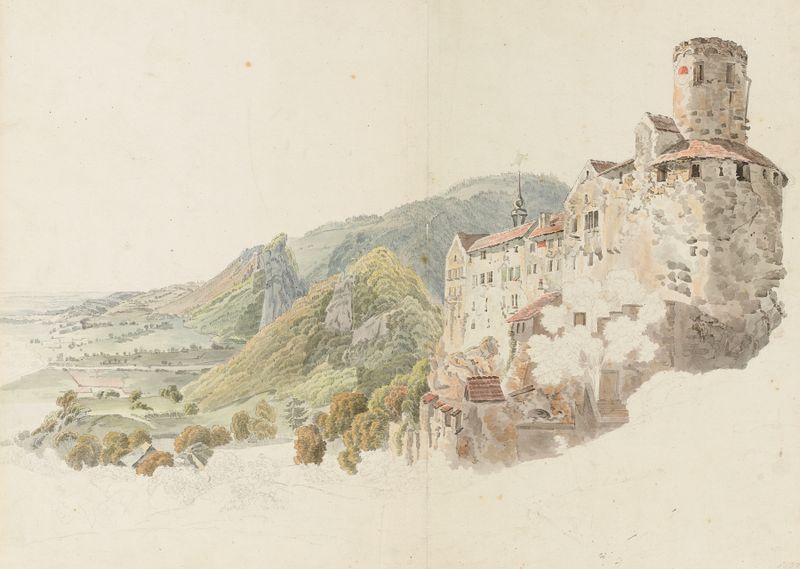
Etude du Chatau de Pechbourg dans le Canton de Soleure
Heinrich Rieter
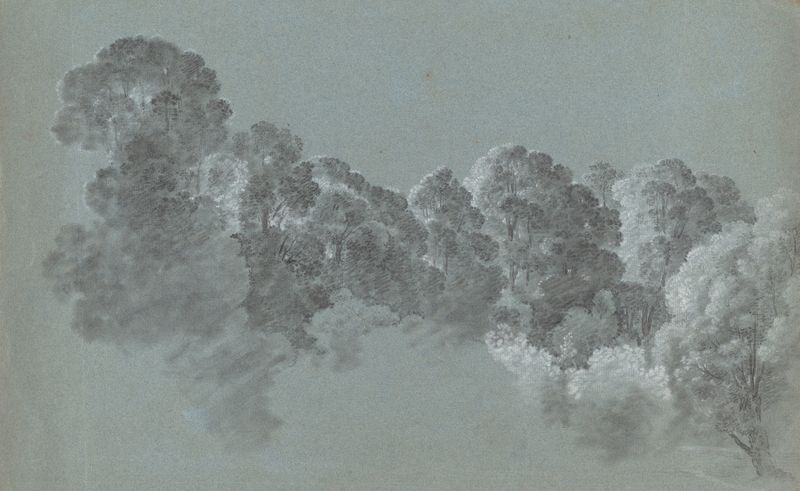
Forest Treetops Struck by Light
Heinrich Rieter
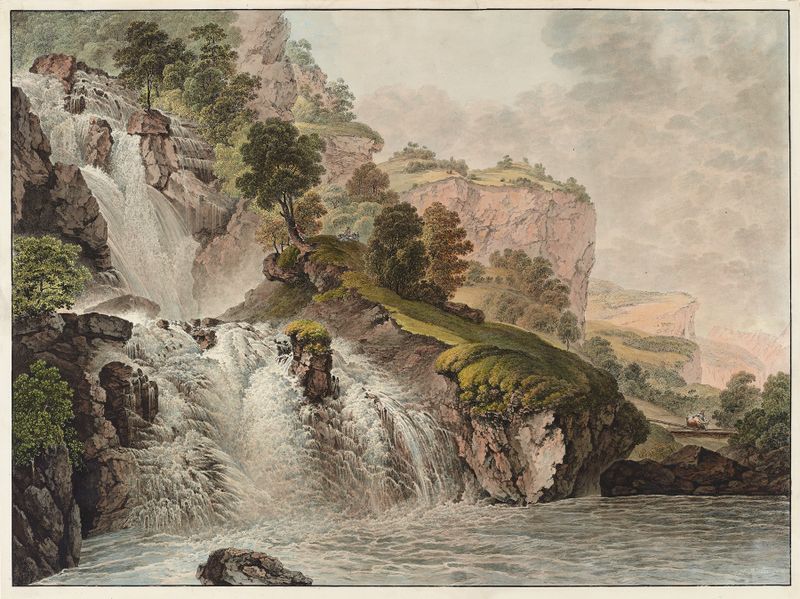
Derniere Cascade du Reichenbach dans la vallèe d’Oberhasli
Heinrich Rieter

Ansicht bei Erlach
Heinrich Rieter





