
La Maison du Paysan — History & Facts
What secret hides in the quiet of the canvas? Behind its muted tones and subtle forms, La Maison du Paysan evokes a haunting sense of emptiness that resonates deeply within the viewer. Look to the center of the composition, where the humble farmhouse stands, its weathered walls a testament to the passing years. Notice how the artist employs soft, earthy hues, blending browns and grays that suggest the weight of solitude. The light filters through an unseen source, casting gentle shadows that stretch and elongate, creating an almost palpable stillness.
The absence of figures heightens the impact of the structure, inviting contemplation of both its history and its isolation. Delve deeper into the intricacies of the scene, where the quietude communicates a profound narrative. The empty surroundings may reflect a longing for connection or the weight of unspoken stories. Each brushstroke captures the essence of abandonment, conjuring emotions tied to loss and nostalgia.
The juxtaposition of the sturdy farmhouse against a stark landscape speaks volumes about resilience amid desolation, challenging the viewer to find beauty in what remains unsaid. During the years from 1915 to 1945, Heinrich Rieter painted La Maison du Paysan amid a world grappling with turmoil and change. Living in Europe during significant sociopolitical upheaval, his art often mirrored the struggles of the time. The focus on rural themes in this piece highlights both the simplicity and complexity of life, reflecting a yearning for stability in an era marked by uncertainty.
More Artworks by Heinrich Rieter
Browse all →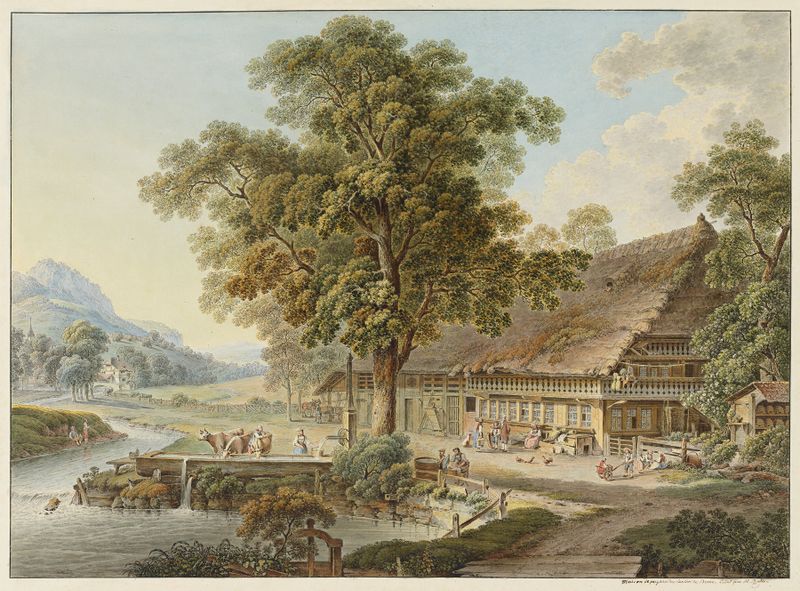
Maison de paysan du Canton de Berne
Heinrich Rieter
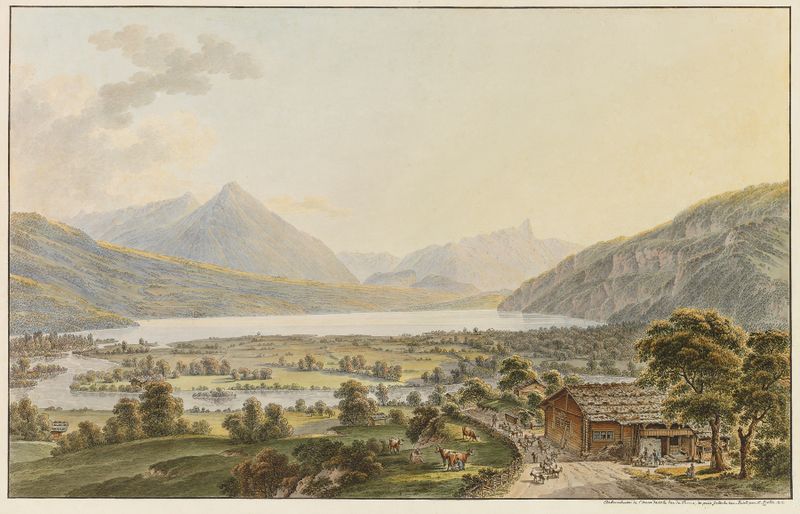
Embouchure de l’Aare dans le lac de Thoun
Heinrich Rieter

Vue de Morat sur le lac du même nom
Heinrich Rieter

Vûe prise à Iseltwald, sur le lac de Brientz
Heinrich Rieter
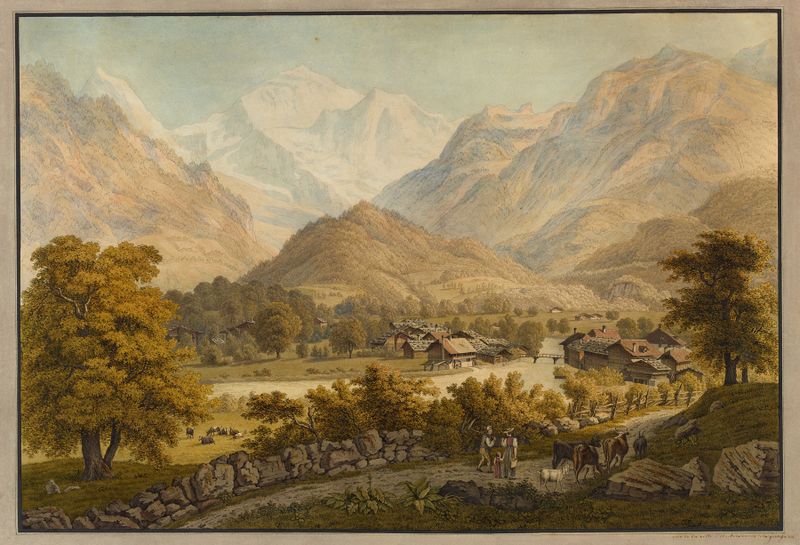
vue de la ville d’Unterseen & de la jungfrau
Heinrich Rieter
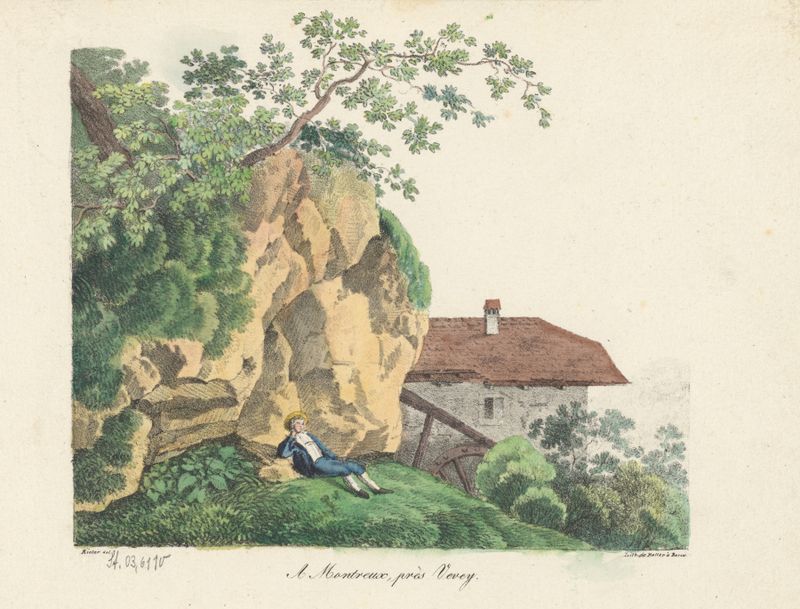
Haller (Bern)
Heinrich Rieter
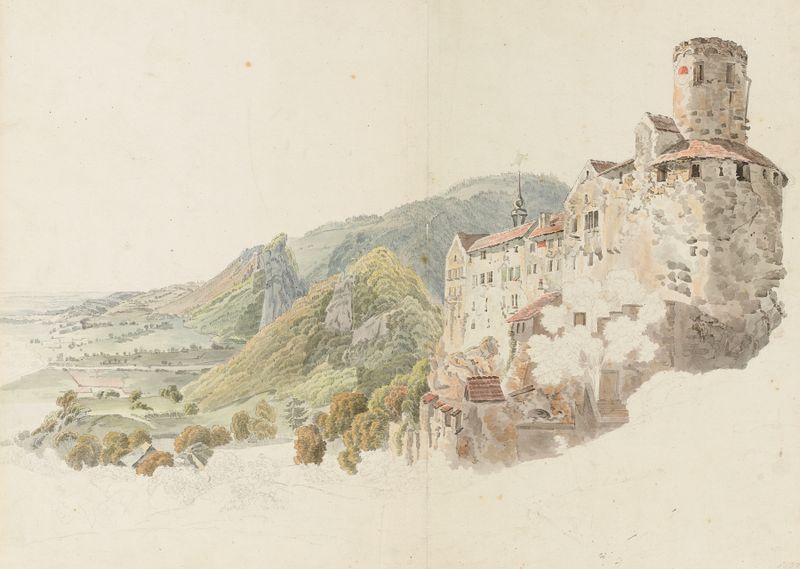
Etude du Chatau de Pechbourg dans le Canton de Soleure
Heinrich Rieter
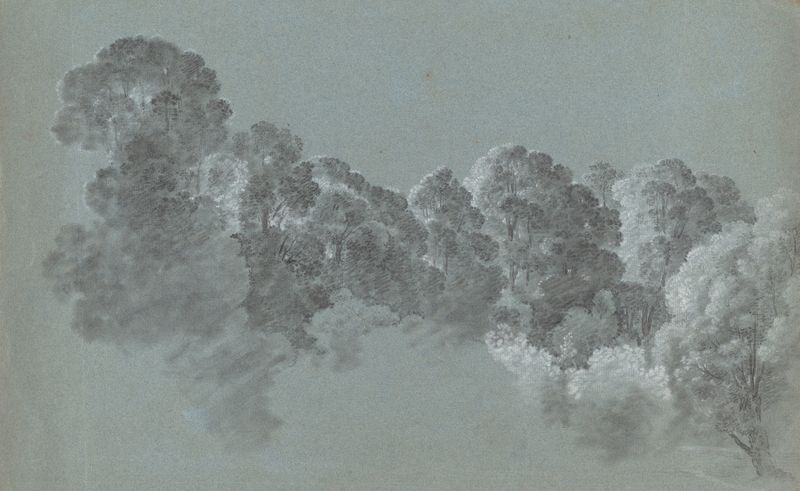
Forest Treetops Struck by Light
Heinrich Rieter
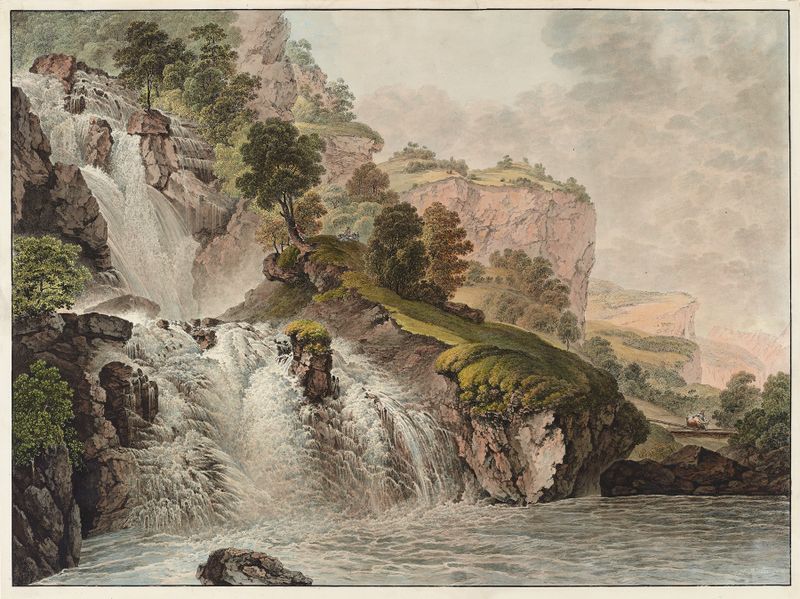
Derniere Cascade du Reichenbach dans la vallèe d’Oberhasli
Heinrich Rieter

Ansicht bei Erlach
Heinrich Rieter
More Architecture Art
Browse all →
The statue of Liberty
Frédéric Auguste Bartholdi

View of Houses in Delft, Known as ‘The Little Street’
Johannes Vermeer

View of Houses in Delft, Known as ‘The Little Street’
Johannes Vermeer

The Cathedral in Rouen. The portal, Grey Weather
Claude Monet

The yellow house
Vincent van Gogh

The Church in Auvers-sur-Oise, View from the Chevet
Vincent van Gogh