Discover insights about this artwork
Ved brønden uden for landsbyen — History & Facts
What secret hides in the quiet of the canvas? The stillness of innocence echoes through its depths, inviting us to peer into a world untouched by time. Look to the left at the well, its stones worn and weathered, a silent witness to the lives that revolve around it. The soft, muted color palette evokes a sense of nostalgia, while delicate brushwork captures the gentle textures of fabric and earth. Notice how the light filters through the trees, illuminating the figures that gather, their gestures imbued with a sense of camaraderie and simplicity.
Each character seems to embody a story, their expressions reflecting a shared moment of peace in rural life. Beneath the surface, the painting conveys a world of contrasts. The serenity of the scene is tinged with a subtle tension, as the well symbolizes both sustenance and the depths of untold secrets. The villagers, engaged in their mundane tasks, evoke a profound innocence, yet the viewer senses an undercurrent of longing—perhaps for adventure or escape from the confines of their surroundings.
These small details combine to present a rich tapestry of rural existence, where every glance and whisper holds the weight of unspoken histories. Wilhelm Marstrand created Ved brønden uden for landsbyen during a period marked by the rise of Romanticism in Denmark, between 1810 and 1873. At this time, he was exploring the nuances of rural life, striving to capture the essence of simplicity alongside complex emotional landscapes. His work reflects a growing interest in the everyday lives of ordinary people, a movement that resonated with the shifting cultural landscape of his era.
More Artworks by Wilhelm Marstrand
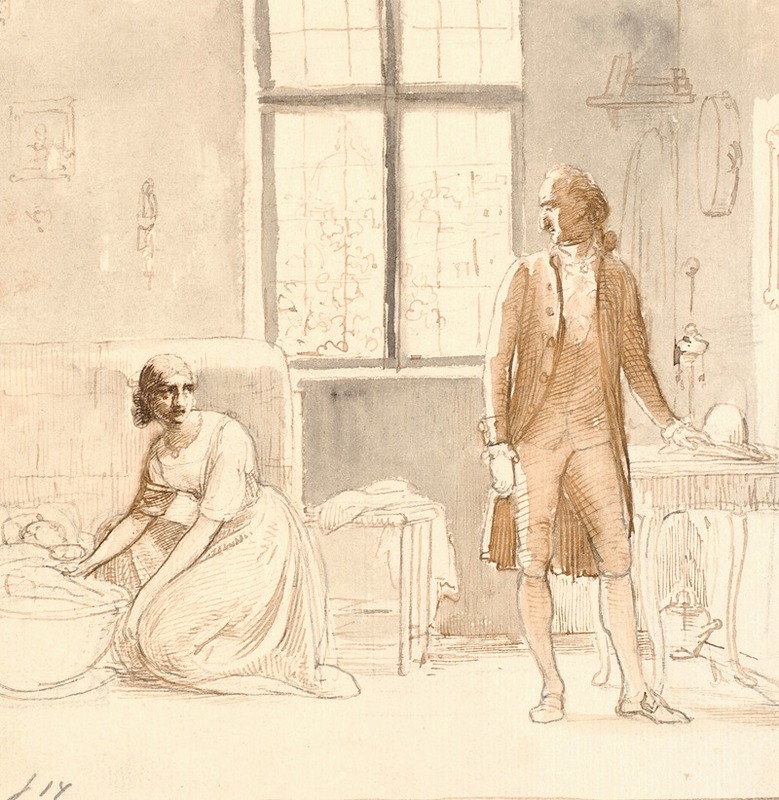
Goethe hos enken i Rom
Wilhelm Marstrand
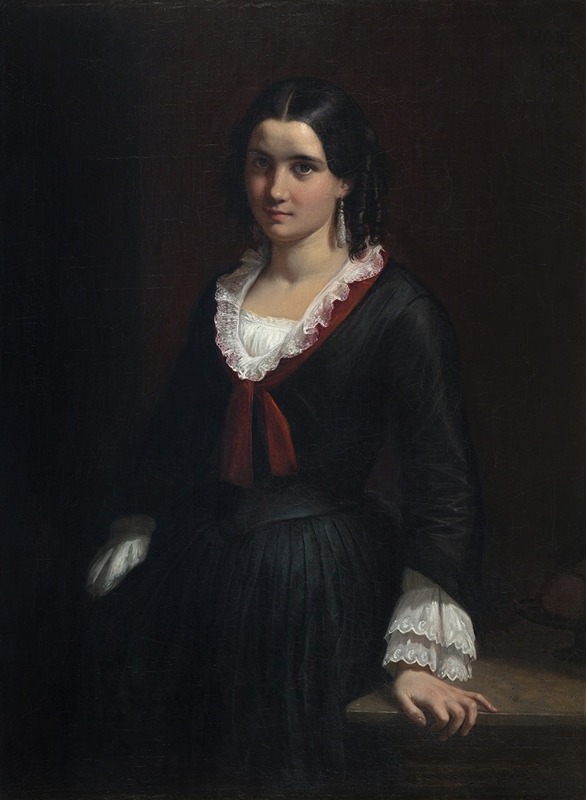
Portrait of Miss Vilhelmine (Ville) Hage, later Mrs. Heise (1838-1912)
Wilhelm Marstrand
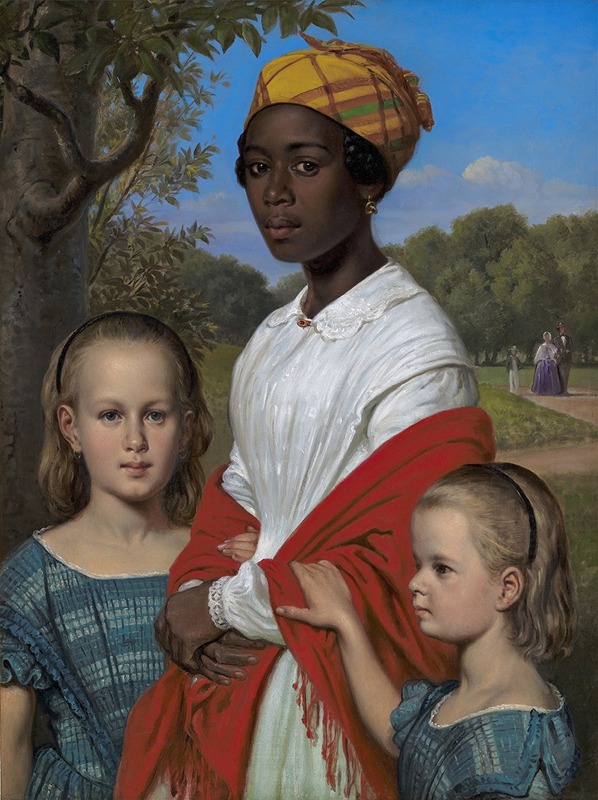
Portrait of Otto Marstrand’s two Daughters and their West-Indian Nanny, Justina Antoine, in the Frederiksberg Gardens near Copenhagen
Wilhelm Marstrand
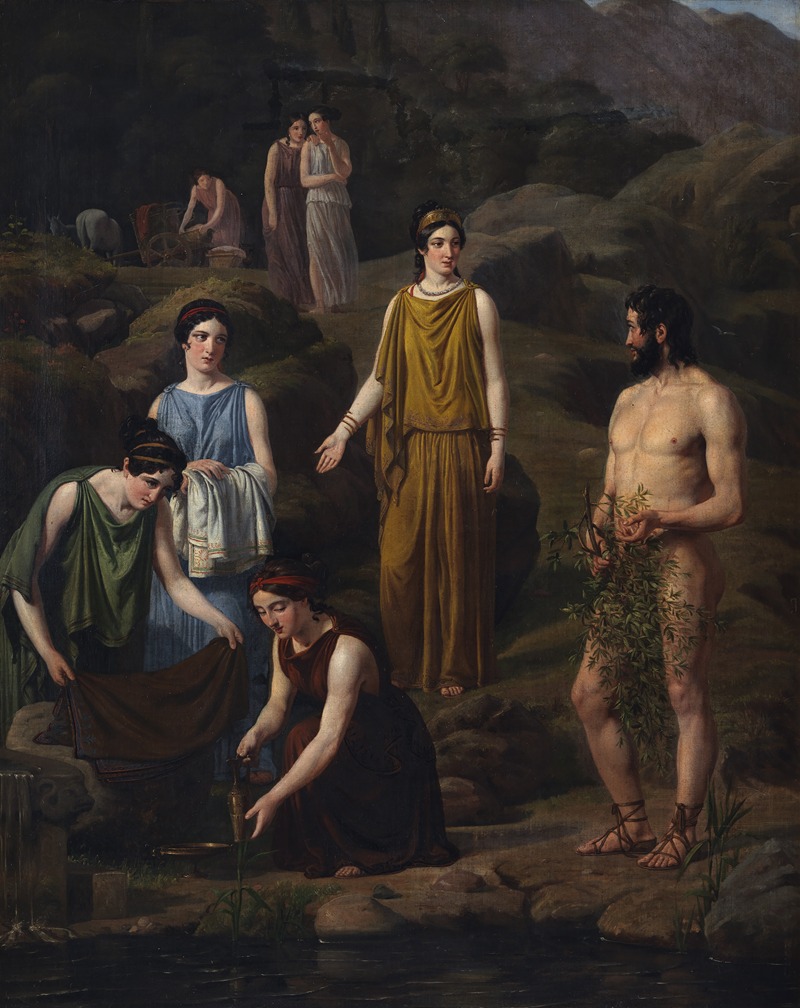
Nausikaa bringer den skibbrudne Odysseus klæder
Wilhelm Marstrand
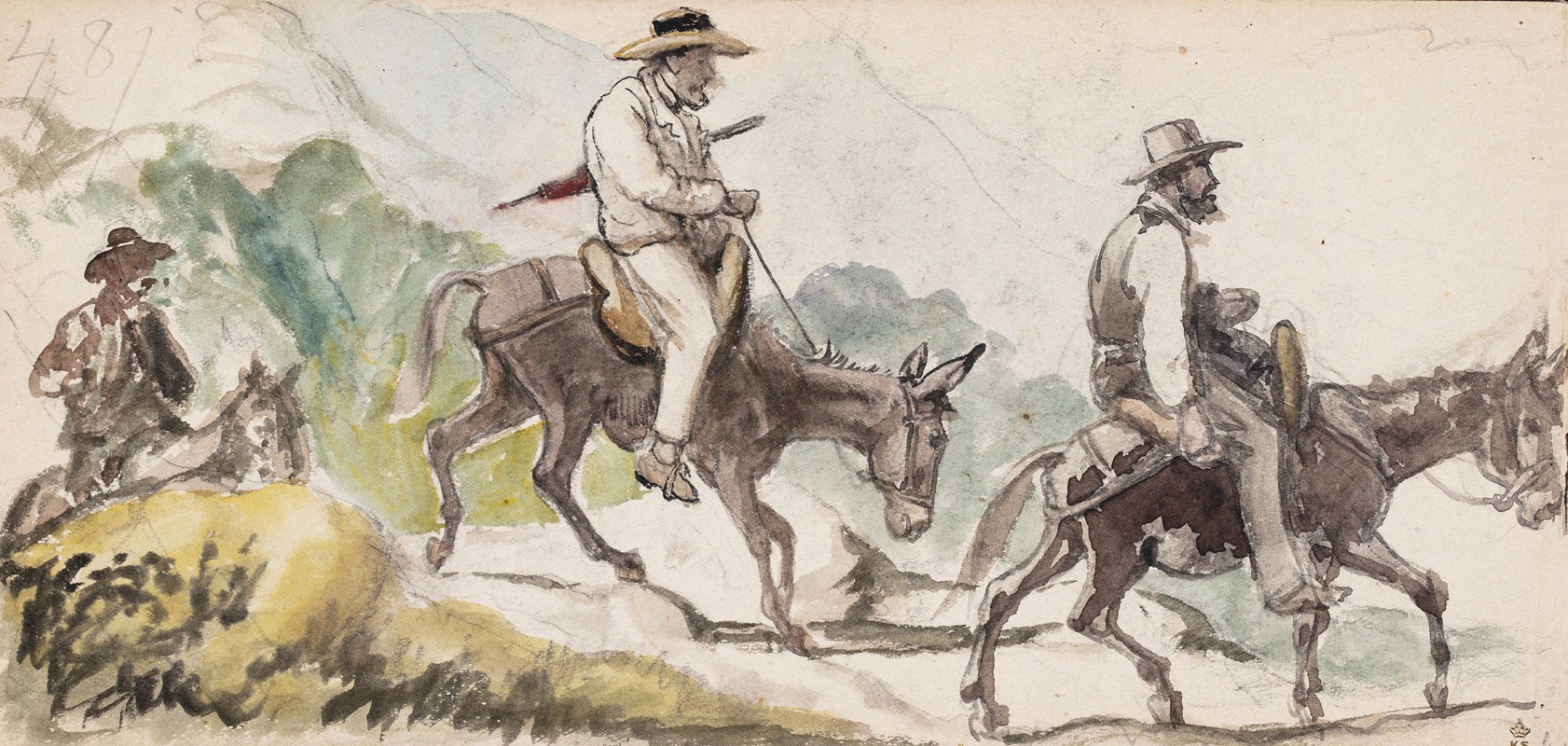
Blank
Wilhelm Marstrand
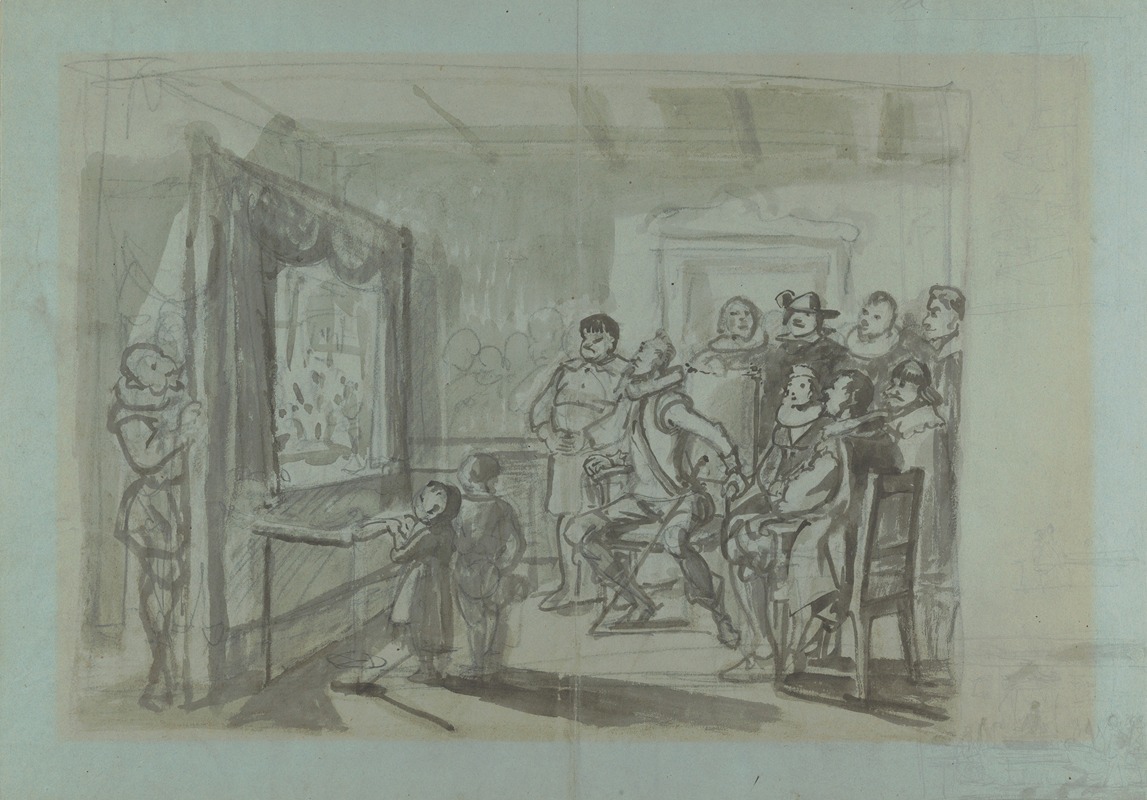
Don Quixote and Others Attending Master Peter’s Puppet Show
Wilhelm Marstrand
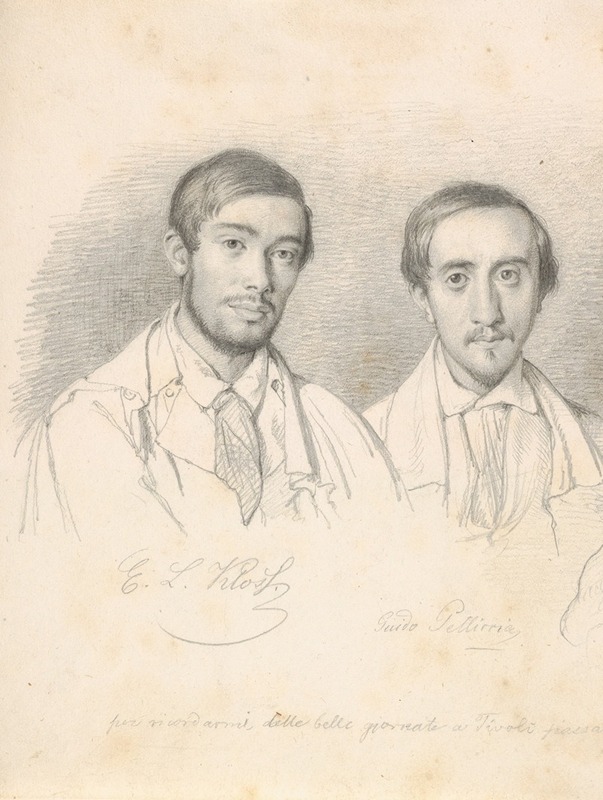
Double Portrait of the Artists E.F. Kloss and G. Pellicia
Wilhelm Marstrand
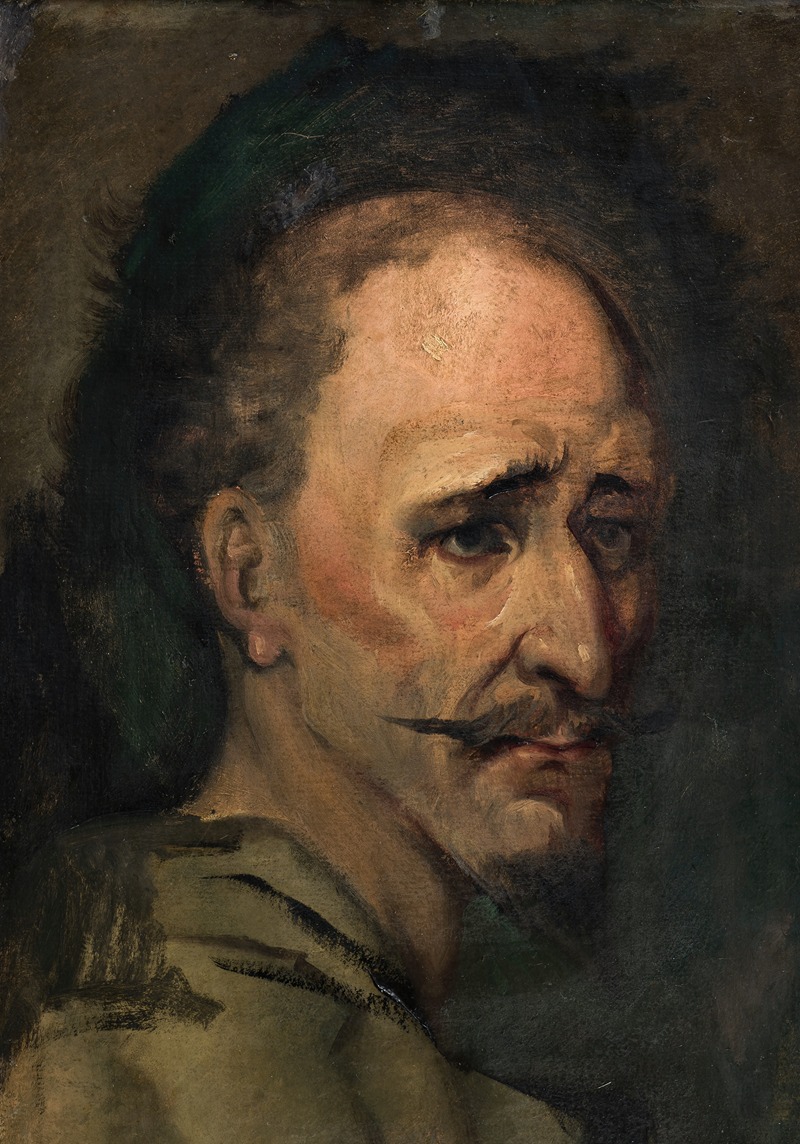
Don Quixote
Wilhelm Marstrand
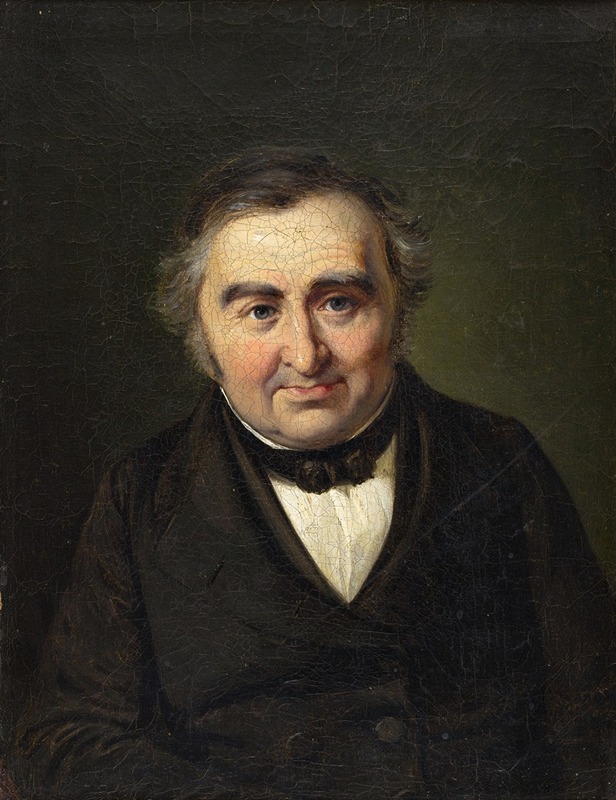
Etatsråd M.L. Nathanson
Wilhelm Marstrand
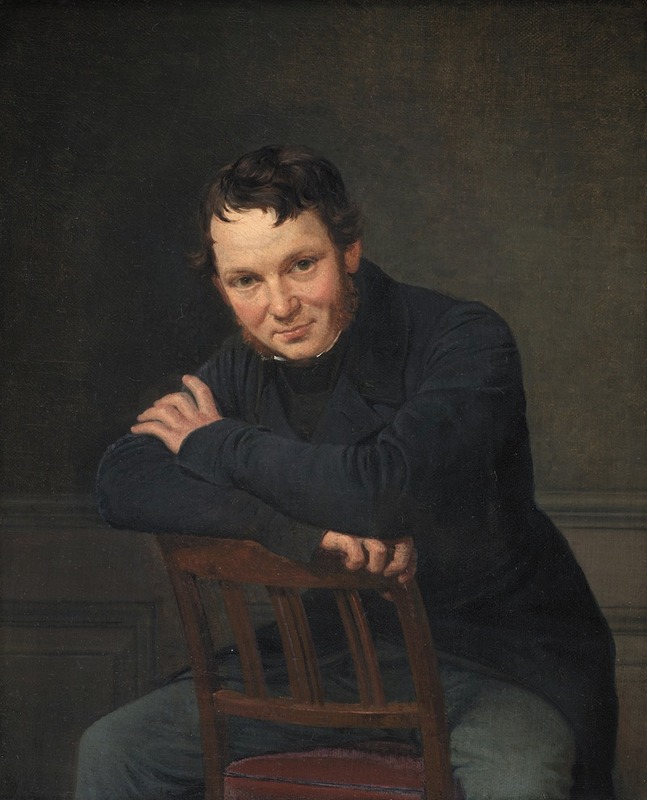
Gottlieb Bindesbøll, Danish Architect
Wilhelm Marstrand