Vega — History & Facts
In the dance of color and form, time flickers like the wings of a moth, both delicate and eternal. Look to the center of the canvas, where swirling blues and greens converge, creating an ethereal atmosphere reminiscent of twilight. The gentle curves interlace with bold strokes, drawing the eye into a realm of abstraction that ignites the imagination. Notice the luminous quality of the paint, where light seems to pulse, suggesting a heartbeat beneath the surface — a testament to the artist's emotional investment in each layer. Within this vibrant tapestry, one can glimpse the essence of time both fleeting and infinite.
The spirals may symbolize cycles of life, while the contrasting colors evoke memories — some vivid, others softly fading. As the viewer contemplates, the interplay between movement and stillness offers a profound reflection on the passage of existence and the transient nature of experience. In the 1920s, Davies was nestled in the burgeoning world of American modernism, exploring the realms of fantasy and the subconscious. Living in New York, amidst a dynamic art scene, he sought to push boundaries, merging abstraction with emotional resonance.
Vega stands as a pivotal work during a period of personal exploration and artistic experimentation, encapsulating a time when new ideas flourished and the very essence of art was being redefined.
More Artworks by Arthur Bowen Davies
Browse all →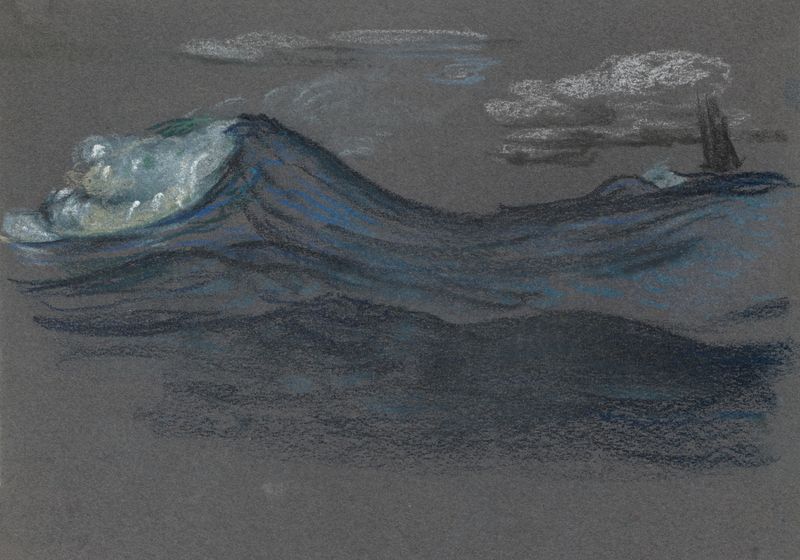
Ocean Swells
Arthur Bowen Davies

Silver Springs
Arthur Bowen Davies
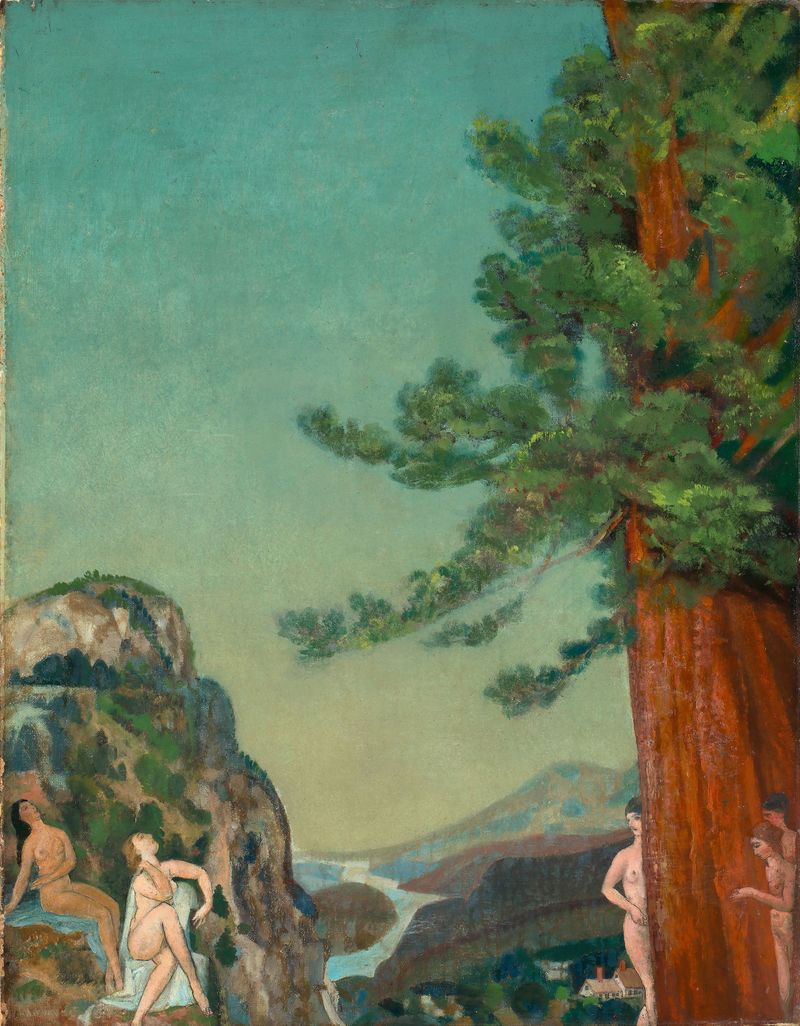
On the Cliffs
Arthur Bowen Davies
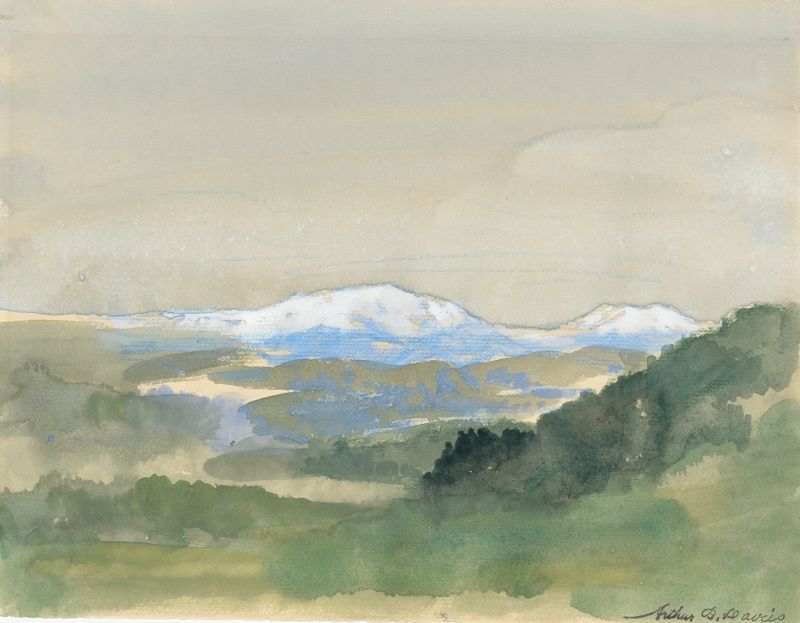
Landscape
Arthur Bowen Davies
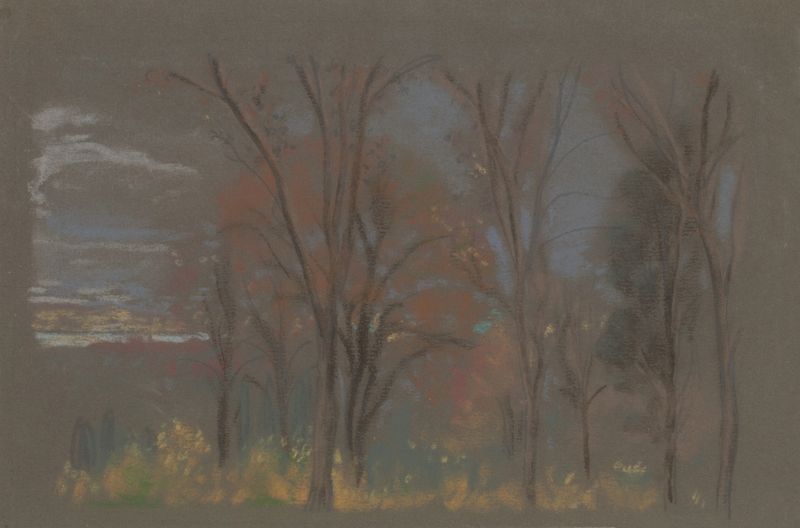
Autumn Woods
Arthur Bowen Davies

Italian Hill Town
Arthur Bowen Davies

View through Poplars
Arthur Bowen Davies
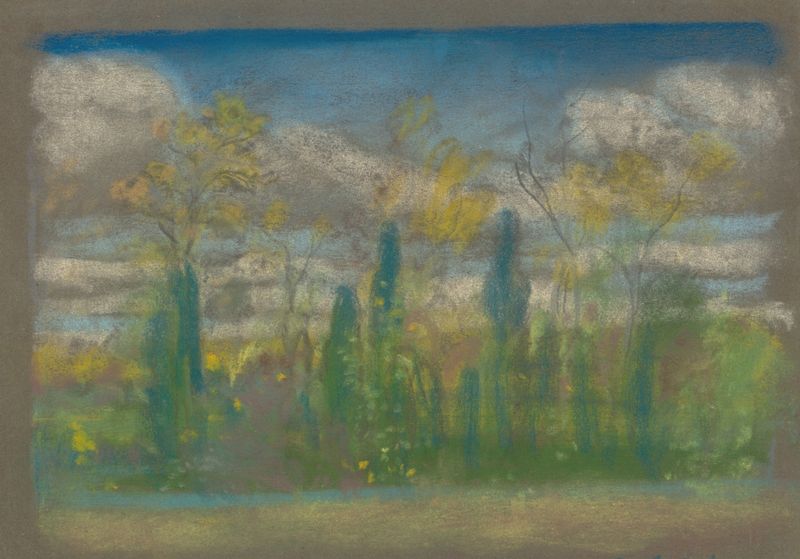
Spring
Arthur Bowen Davies
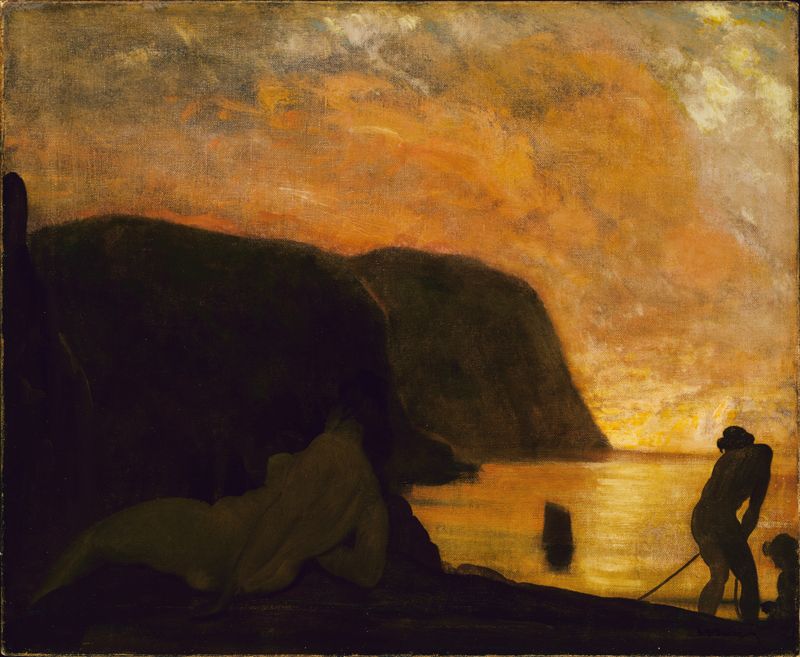
A Greater Morning
Arthur Bowen Davies

The Lake
Arthur Bowen Davies