
Vence, La place ensoleillée — History & Facts
When did color learn to lie? This question echoes softly within the vibrant hues of a sun-drenched square, inviting us to unravel the layers of reality and illusion that dance in the light. Look to the center of the canvas, where the brilliant yellow of the sun-soaked plaza embraces a cluster of figures engaged in leisurely conversation. The artist’s brushstrokes infuse the scene with warmth and vitality, as shades of blue and green spill from the surrounding landscape, harmonizing with the essence of joy. Notice how the light interplays with the textures of the cobblestones, their weathered surfaces glistening under the bright sky, while shadows curl around the seated figures, imbuing a sense of depth and intimacy. Yet, beneath this idyllic facade lies an intricate web of contrasts.
The vibrancy of the colors juxtaposes the stillness of the moment, a reminder that life’s exuberance often masks deeper currents of solitude. The figures, although engaged, appear cloaked in their own silent worlds, each lost in thought, suggesting that even in shared company, an invisible distance can linger. This duality reveals the tension between public joy and private introspection, urging us to contemplate the stories hidden beneath the surface. Henri Lebasque painted this lively scene between 1906 and 1907 during his time in Vence, a place that deeply influenced his palette and style.
As the Fauvist movement was gaining momentum, he sought to capture the light and beauty of everyday life, reflecting both personal experiences and the evolving world of art around him. This period marked a pivotal moment of exploration and expression, allowing him to celebrate the vibrancy of color while revealing the complexities of human connection.
More Artworks by Henri Lebasque
Browse all →
Sur les bords de la Marne
Henri Lebasque

Le Jardin Fleuri
Henri Lebasque

Voiliers dans le port de Saint-Tropez
Henri Lebasque
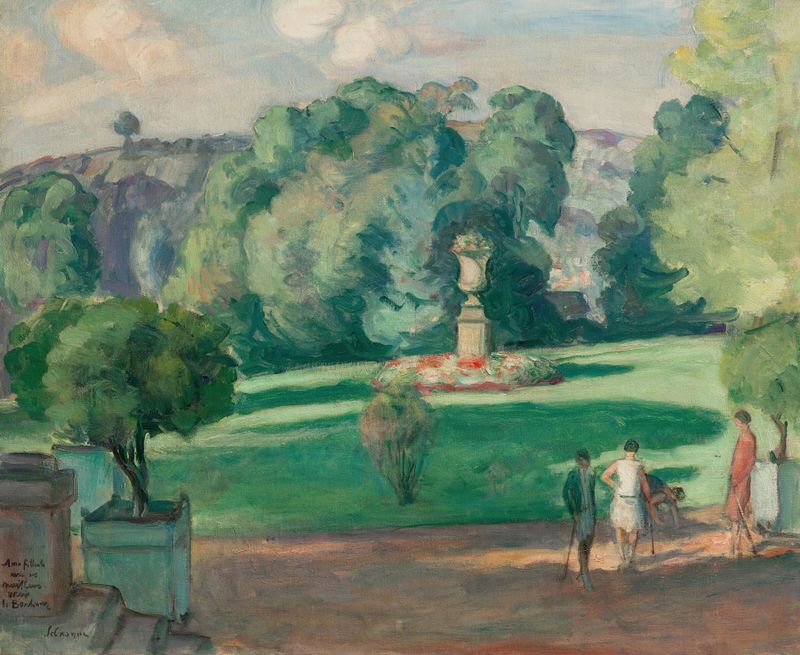
Joueurs de criket dans un parc
Henri Lebasque

Paysage de neige aux environs de Paris
Henri Lebasque
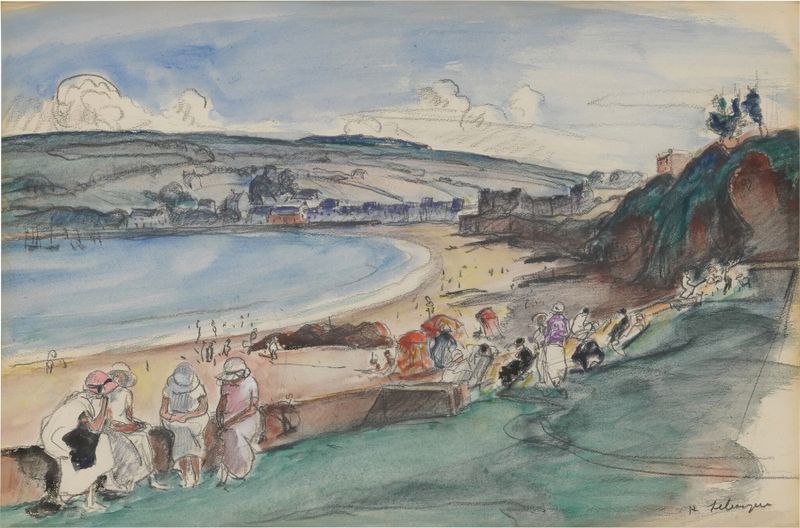
Paysage
Henri Lebasque

Jeunes Femmes Et Fillettes Dans Un Paysage
Henri Lebasque

Saint-Tropez, deux jeunes filles à la fontaine
Henri Lebasque

Le Repos sous les arbres
Henri Lebasque
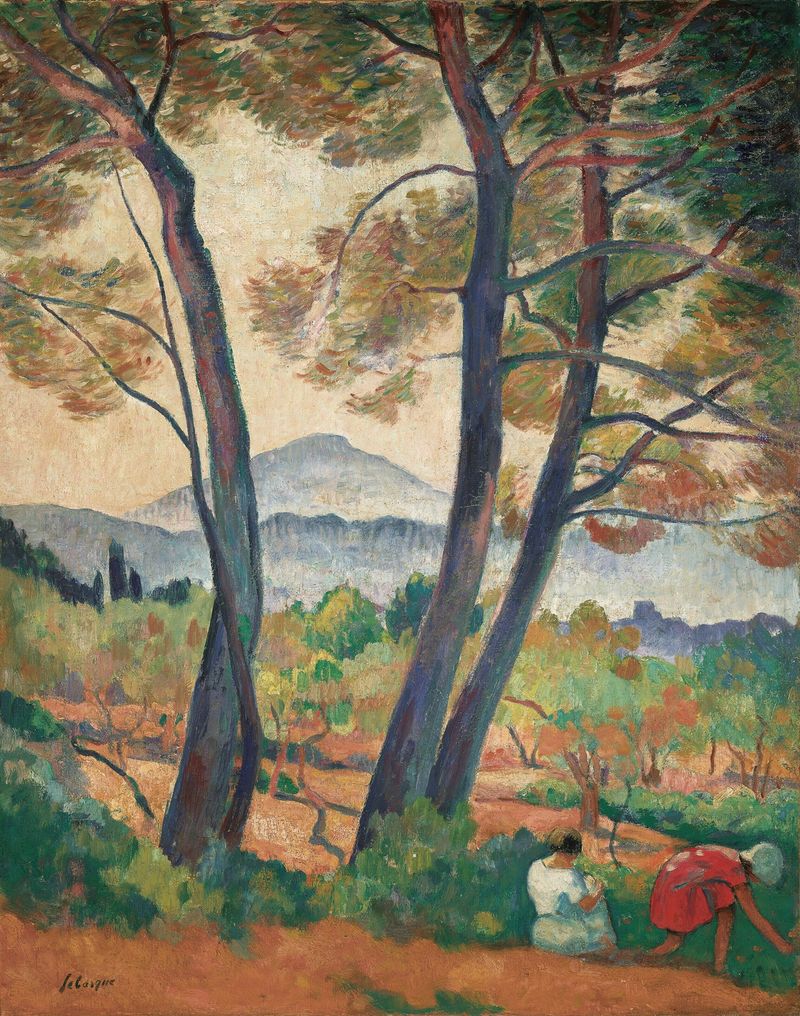
Sanary, vue sur le Cap Sicié
Henri Lebasque





