
Venezianische Häuser an einem Kanal — History & Facts
In the stillness of a forgotten moment, echoes of past lives linger in the delicate hues of a tranquil canal. Look to the left at the gentle reflections shimmering on the water’s surface, where warm oranges and soft blues blend seamlessly. Notice how the architecture seems to lean, almost as if whispering stories of its inhabitants, inviting the viewer to pause and ponder. The meticulous brushwork captures an ethereal light that bathes the facades, enhancing their sense of history and solitude. In the quiet of this scene, an emotional tension surfaces—between the vibrancy of the colors and the emptiness of the space.
The stillness suggests a life once teeming with energy, now reduced to echoes and shadows. These vacant windows and empty streets speak of transient moments, where the silence carries the weight of untold stories and lingering memories. Gustav Schönleber painted this piece in 1871 while living in Germany, a time when artists were beginning to explore the interplay of light and architecture in new ways. The mid-19th century was a period of significant change in the art world, with movements like Impressionism on the rise, pushing boundaries and inviting a fresh dialogue about perception and atmosphere.
In Venezianische Häuser an einem Kanal, Schönleber captures the essence of this transformation, merging the old with a new vision of emotional depth.
More Artworks by Gustav Schönleber
Browse all →
Venezianisches Fischerboot
Gustav Schönleber
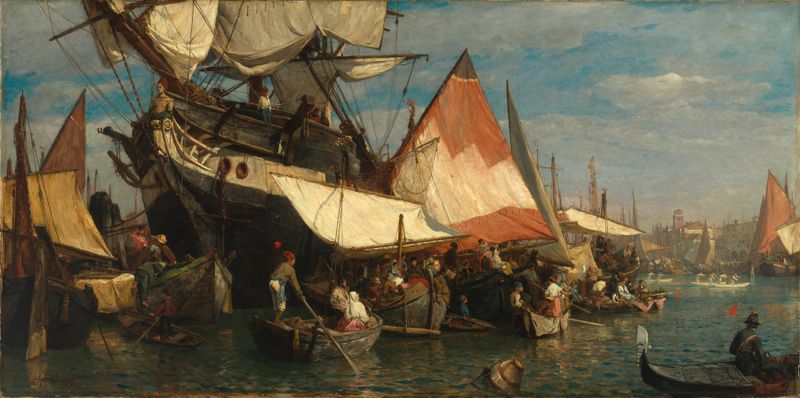
Regatta in Venedig
Gustav Schönleber
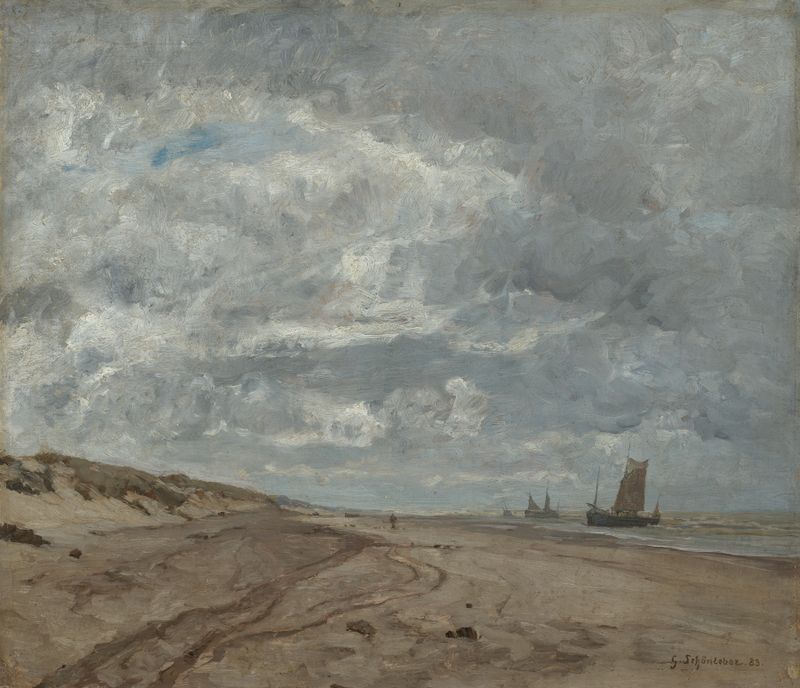
Strand von Scheveningen
Gustav Schönleber

Am Ufer der Waal
Gustav Schönleber

San Fruttuoso
Gustav Schönleber

Quinto al Mare (Genua)
Gustav Schönleber
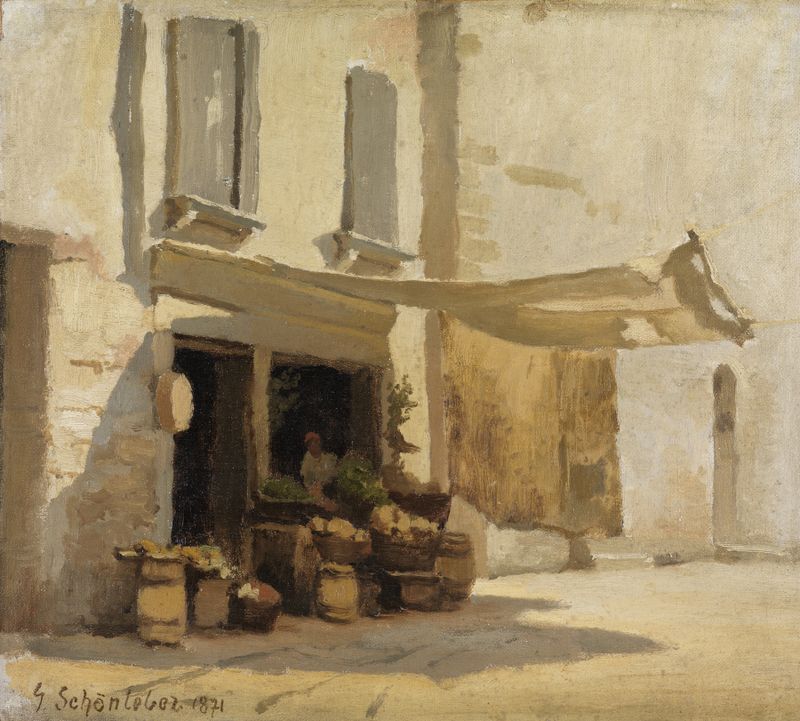
Obstbude in Venedig
Gustav Schönleber
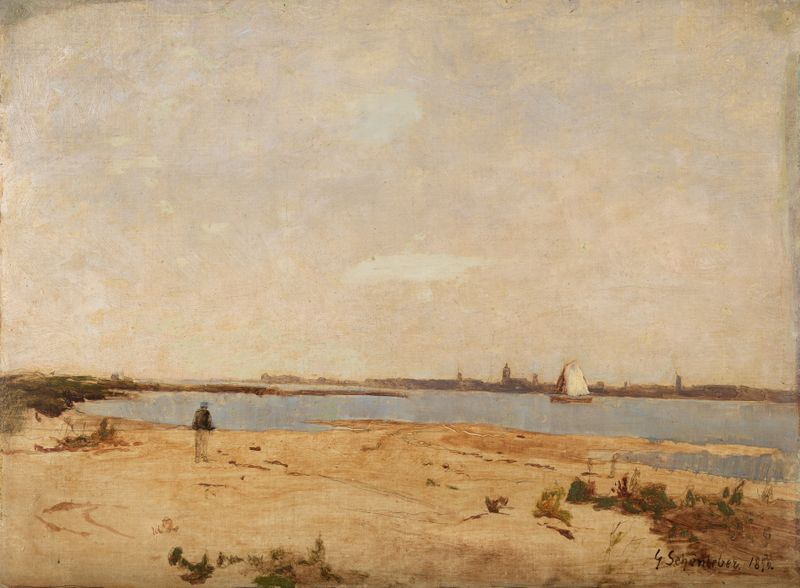
Blick auf Gorkum
Gustav Schönleber

Hafeneinfahrt von Vlissingen
Gustav Schönleber

Molo in Genua
Gustav Schönleber
More Architecture Art
Browse all →
The statue of Liberty
Frédéric Auguste Bartholdi

View of Houses in Delft, Known as ‘The Little Street’
Johannes Vermeer

View of Houses in Delft, Known as ‘The Little Street’
Johannes Vermeer

The Cathedral in Rouen. The portal, Grey Weather
Claude Monet

The yellow house
Vincent van Gogh

The Church in Auvers-sur-Oise, View from the Chevet
Vincent van Gogh