Venice — History & Facts
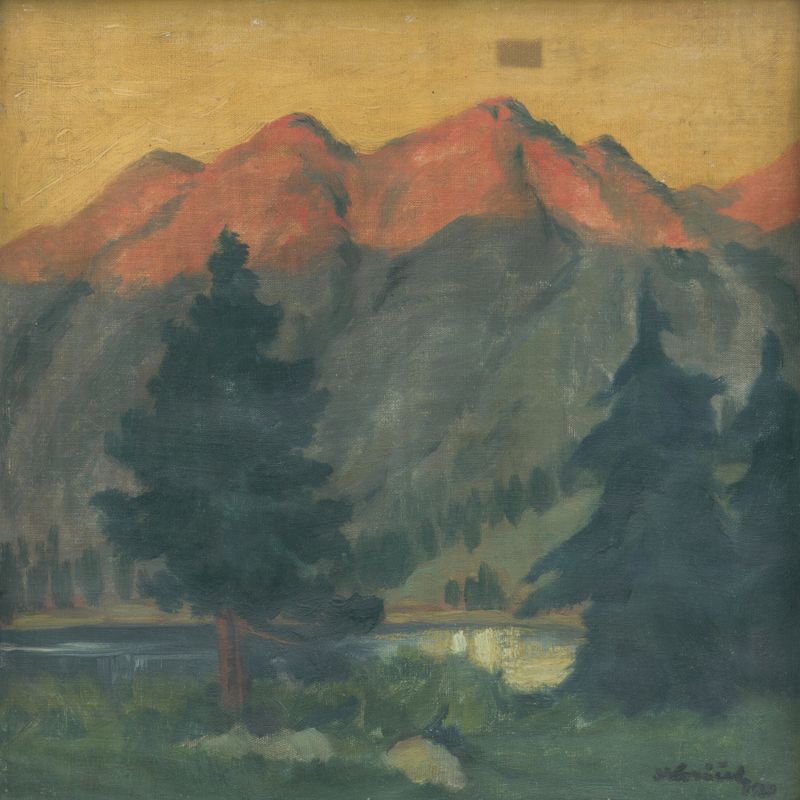
Each stroke of paint whispers a story, evoking a profound sense of melancholy that permeates the heart of the viewer. Look closely at the shimmering reflections in the water—this is where your gaze should first settle. The delicate interplay of blues and greens creates a dreamlike atmosphere, while the soft brushwork suggests a fleeting moment, as if the scene itself is caught in the ebb and flow of time. The architecture of Venice rises gently from the surface, appearing both solid and ephemeral, as light dances across the canvas, illuminating the edges with a luminous glow. Yet, as you explore further, a deeper emotional tension unfolds—a juxtaposition between the vibrancy of life and the quietude of absence.
Notice the solitary gondola, its oars dipping into the water with a rhythmic elegance, hinting at a journey both physical and emotional. The slight blurring of the skyline suggests a world that is both beautiful and transient, reinforcing the notion that all things are subject to change, particularly in a city famed for its labyrinthine waterways and fading grandeur. Painted in 1926, this work emerged from Kováčik’s experience in post-war Europe, a time marked by a search for identity in a world scarred by conflict. Living in an era when modernism was beginning to redefine artistic boundaries, he sought to capture the essence of Venice—a city that mirrors the complexities of human emotion.
His approach reflects a longing for continuity amidst chaos, echoing the struggles of a generation caught between nostalgia and the relentless forward march of time.