
Venice — History & Facts
What secret hides in the quiet of the canvas? Beneath the shimmering surface of Venice, an invitation to serenity lies waiting, beckoning the viewer to pause and reflect. Look to the lower left corner at the delicate interplay of water and light. The gentle ripples capture fragments of a pastel-hued sky, while soft reflections of crumbling architecture emerge, transient yet enduring. Notice how the muted palette of blues, pinks, and greys creates a dreamlike atmosphere, offering a sense of tranquility often lost in the frenetic pace of modern life.
The brushstrokes are fluid, almost lyrical, guiding the eye through a visual symphony that echoes the tranquil essence of this iconic city. Dive deeper into the painting, and hidden narratives begin to unfold. The stillness of the water contrasts sharply with the faint suggestion of distant movement – perhaps a solitary gondola or a whisper of wind. The architecture, both grand and weathered, speaks of history, while the absence of figures evokes a poignant solitude.
This tension between permanence and impermanence mirrors the nature of Venice itself, a city steeped in beauty yet vulnerable to time’s relentless passage. In 1938, Franciszek Bartoszek created this work during a period of interwar turbulence in Europe. Living in Poland, he was developing his style amidst a world grappling with the tensions of modernity and tradition. The serene depiction of Venice stands as a testament to his ability to capture the essence of a place, reflecting both personal introspection and the collective unease of an era on the brink of upheaval.
More Artworks by Franciszek Bartoszek
Browse all →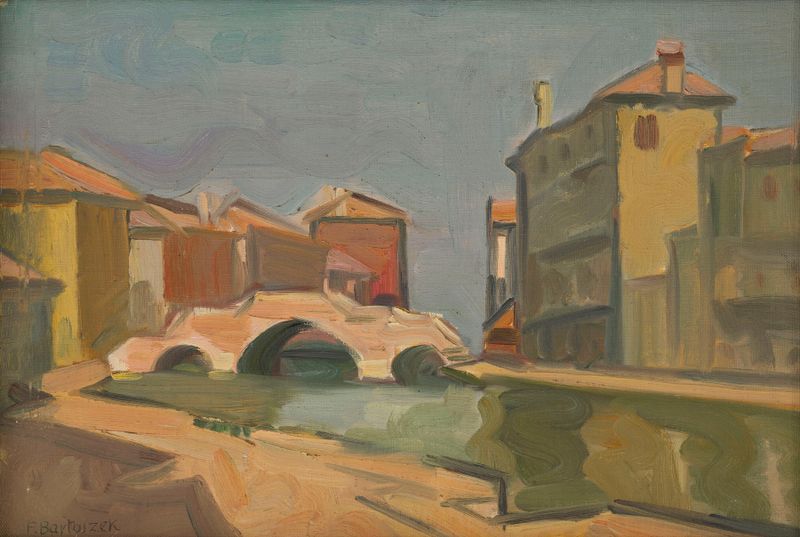
Venice
Franciszek Bartoszek

View of San Marco and Campanillo
Franciszek Bartoszek
Landscape
Franciszek Bartoszek

Venice
Franciszek Bartoszek

Landscape with Pine Trees
Franciszek Bartoszek
View of an Italian city
Franciszek Bartoszek
Venice II
Franciszek Bartoszek
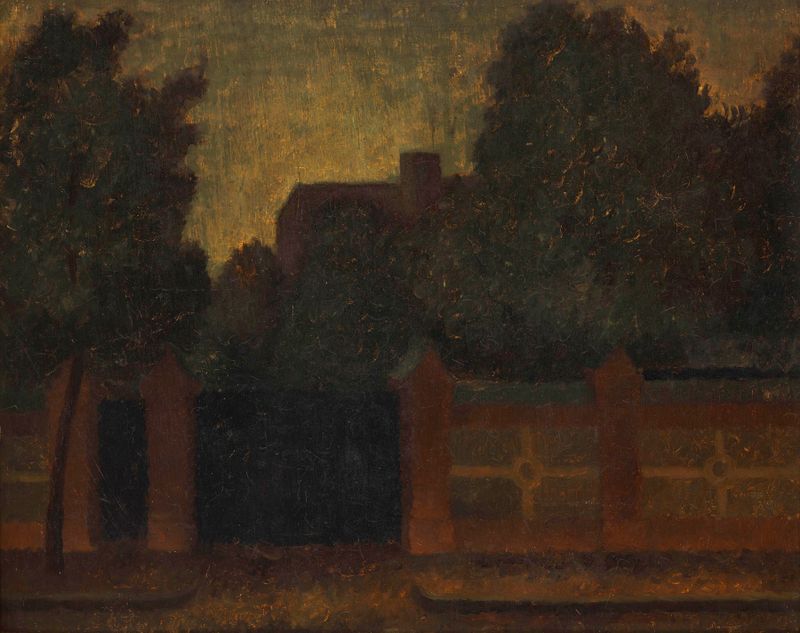
Landscape – Road behind a Fence
Franciszek Bartoszek

Venice (Canal)
Franciszek Bartoszek
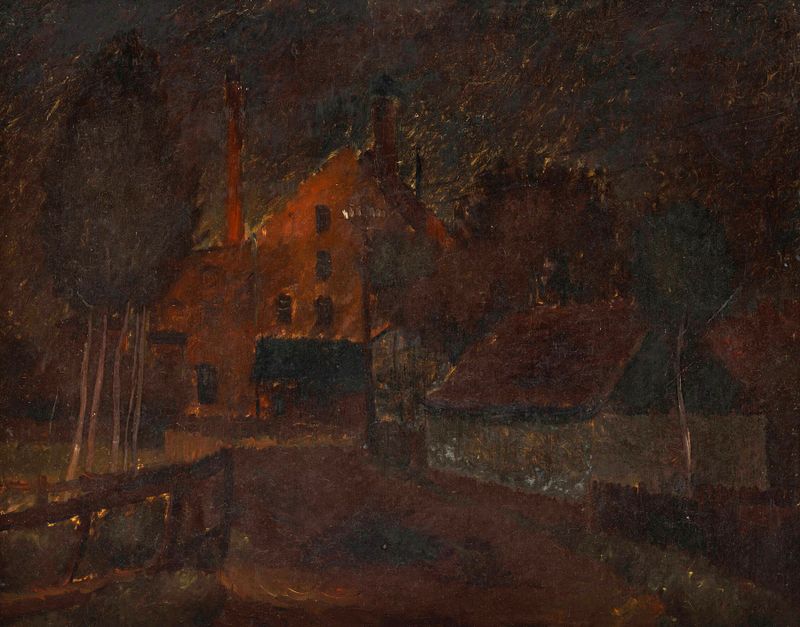
Brewery in Czarnków
Franciszek Bartoszek





