
Venice, a View of Palazzo Ducale from the Bacino — History & Facts
In the shimmering reflections of the Bacino, movement dances upon the water's surface, evoking the delicate balance between joy and longing. This fleeting moment captures the essence of Venice, a city where each wave whispers secrets of its past, urging us to look closer. Look to the foreground, where the gentle ripples effortlessly mimic the arching lines of the Palazzo Ducale. Notice how the warm sunlight floods the scene, illuminating the intricate details of the archways and the ornate carvings that tell tales of power and artistry.
The use of rich colors—from the deep blues of the water to the golden hues of the building—creates a vivid contrast that pulls the viewer into a world suspended in time, where movement is both serene and evocative. Yet, beneath this picturesque façade lies a deeper narrative, one of decay and resilience. The water’s undulating surface mirrors the city’s fragile beauty, hinting at the inevitable passage of time. The figures in the boats, though minuscule, are enveloped in a dynamic stillness, symbolizing the human spirit caught in a constant dance with the changing tides of life.
Each brushstroke breathes life into the scene, revealing the interplay of hope and melancholy that defines Venice. Giovanni Grubacs painted this scene during a time when Venice was grappling with its legacy amidst the burgeoning modernity of Europe. Active in the late 19th century, he found inspiration in the waning days of the city’s golden age, capturing not only its architectural splendor but also the emotional resonance of a city steeped in history. Grubacs' work reflects a moment where art sought to transcend the ordinary, embracing the vibrancy and pain of Venice's existence.
More Artworks by Giovanni Grubacs
Browse all →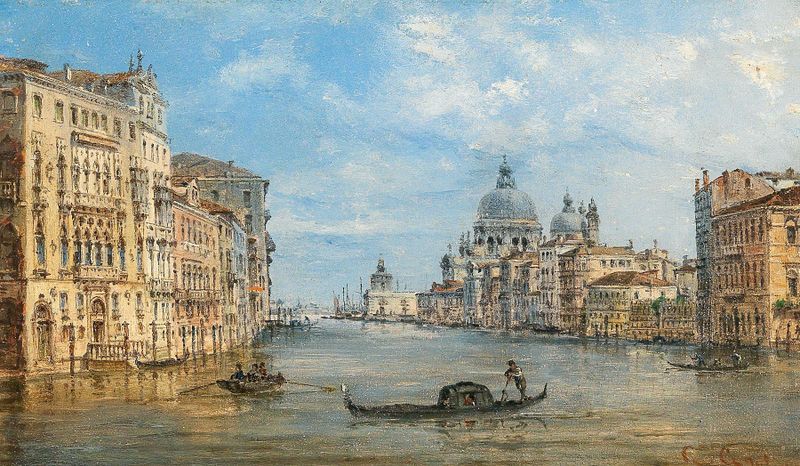
Venice, a view of the Grand Canal
Giovanni Grubacs
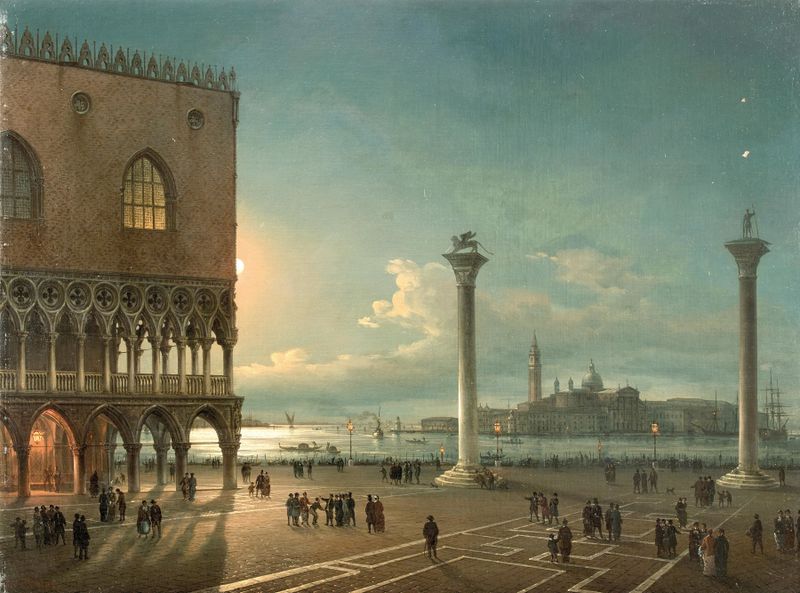
The Piazzetta di San Marco in moonlight, Venice
Giovanni Grubacs
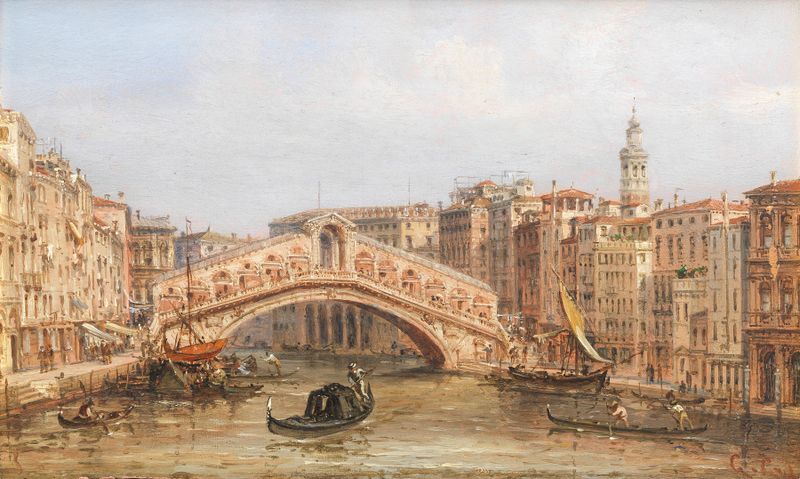
The Rialto Bridge
Giovanni Grubacs
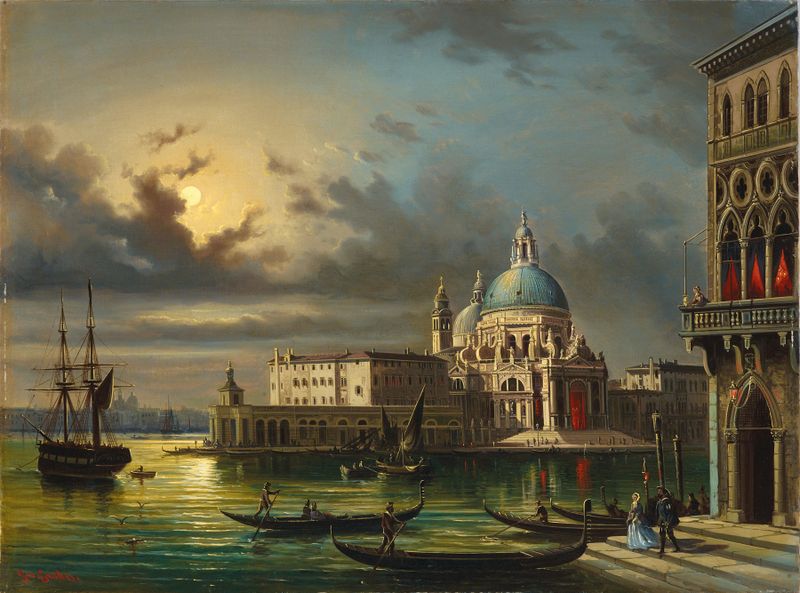
The Punta della Dogana and Santa Maria della Salute, Venice in moonlight
Giovanni Grubacs
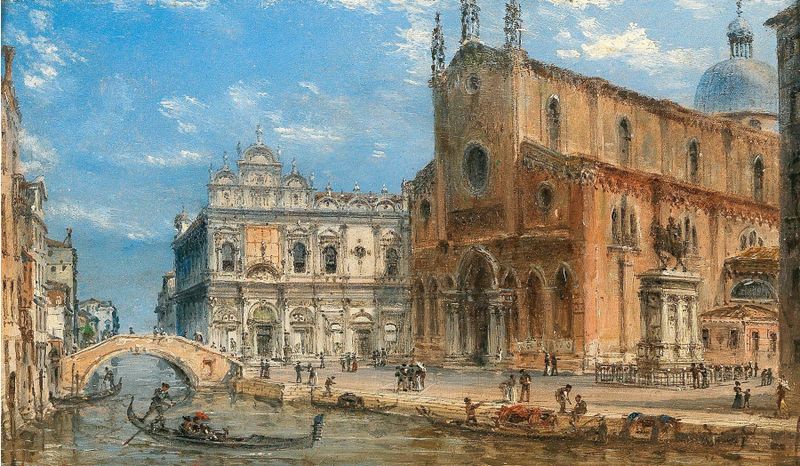
Venice, a view of San Zanipolo with the Colleoni equestrian monument
Giovanni Grubacs
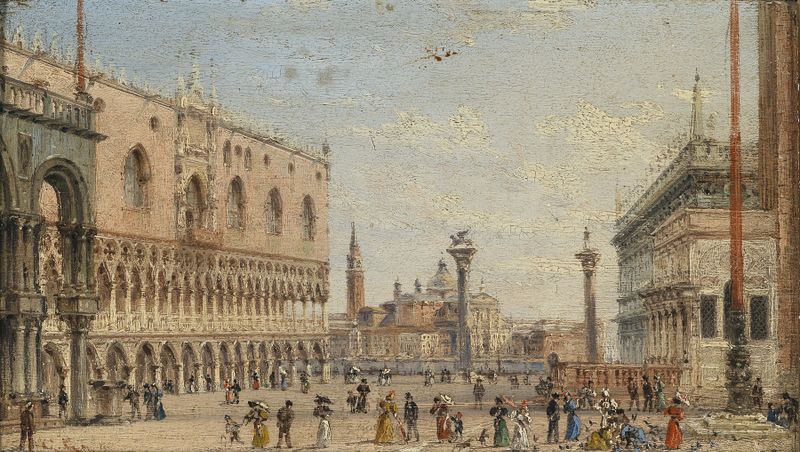
Venedig Piazza San Marco
Giovanni Grubacs
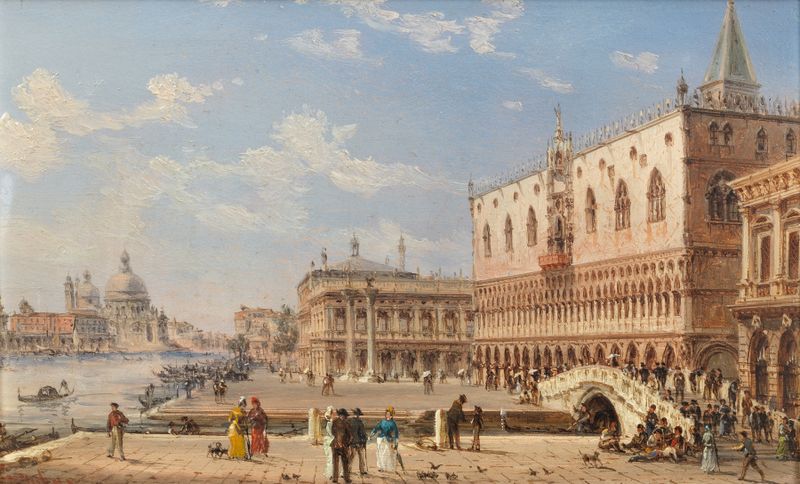
Doge’s Palace with the Ponte della Paglia
Giovanni Grubacs
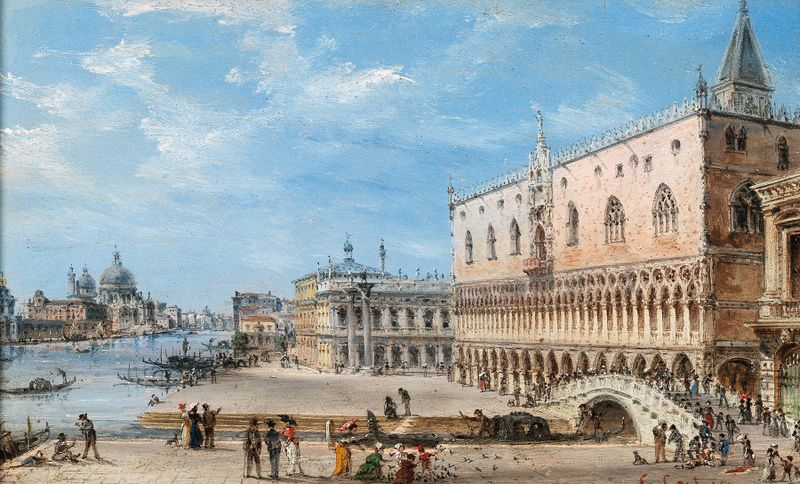
Riva degli Schiavoni
Giovanni Grubacs
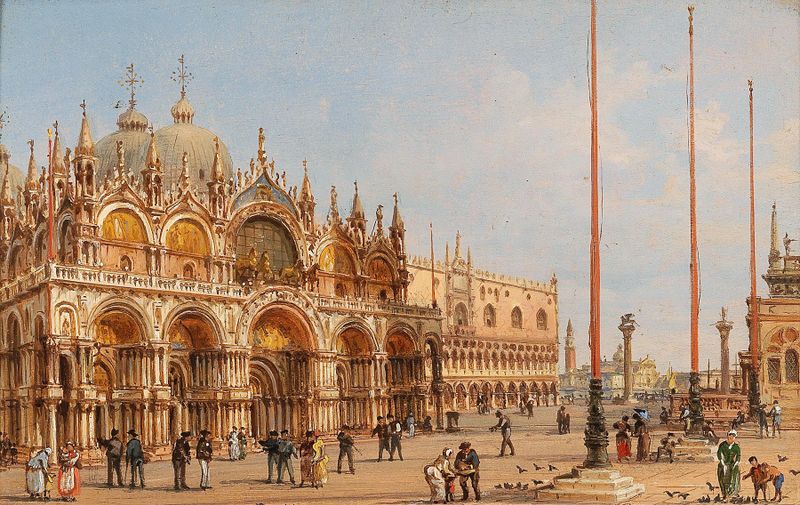
A View Of St Mark’s Basilica And A View Of St Mark’s Square
Giovanni Grubacs
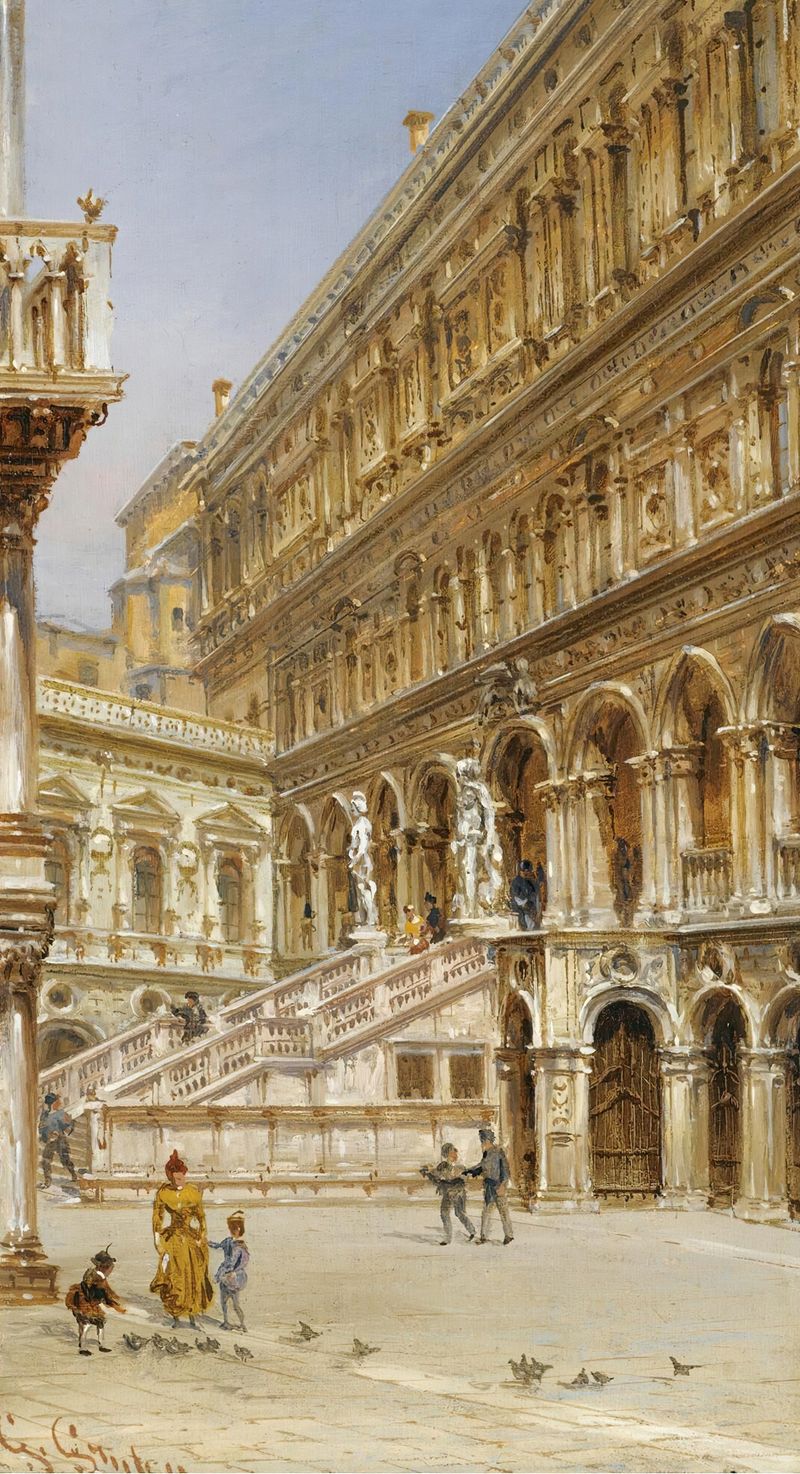
The Giants’ Staircase In The Courtyard Of The Doge’s Palace
Giovanni Grubacs





