
Verloren zoon als varkenshoeder — History & Facts
What if silence could speak through light? In Verloren zoon als varkenshoeder, the longing for connection and redemption resonates as deeply as the muted hues that envelop the scene. Focus on the figure of the young man, standing forlornly to the left, the thick shadows emphasizing his isolation. The muted colors of the landscape, rendered in earthy browns and greens, draw the eye to the vibrancy of his ragged clothing, symbolizing the disarray of his existence. Notice how the gentle light cascades down upon him, illuminating his face and revealing the depth of sorrow in his expression, while the pigs at his feet depict a life of degradation, contrasting sharply with his noble heritage. The emotional tension unfolds through the juxtaposition of the protagonist's longing gaze towards the distant horizon and the mundane reality of his surroundings.
The contrast between the light falling upon him and the darkened environment reflects an inner struggle — a desire for redemption overshadowed by the weight of his current existence. It invites viewers to ponder the complexity of human experience and the yearning for a life of purpose. Hans Sebald Beham created this poignant piece in 1538, a time when the Reformation was reshaping religious and social landscapes across Europe. Living in Germany, he was influenced by the emerging ideas of individuality and morality, and this artwork reflects these themes as it captures the essence of a young man’s desire to seek forgiveness and return to his rightful place in the world.
More Artworks by Hans Sebald Beham
Browse all →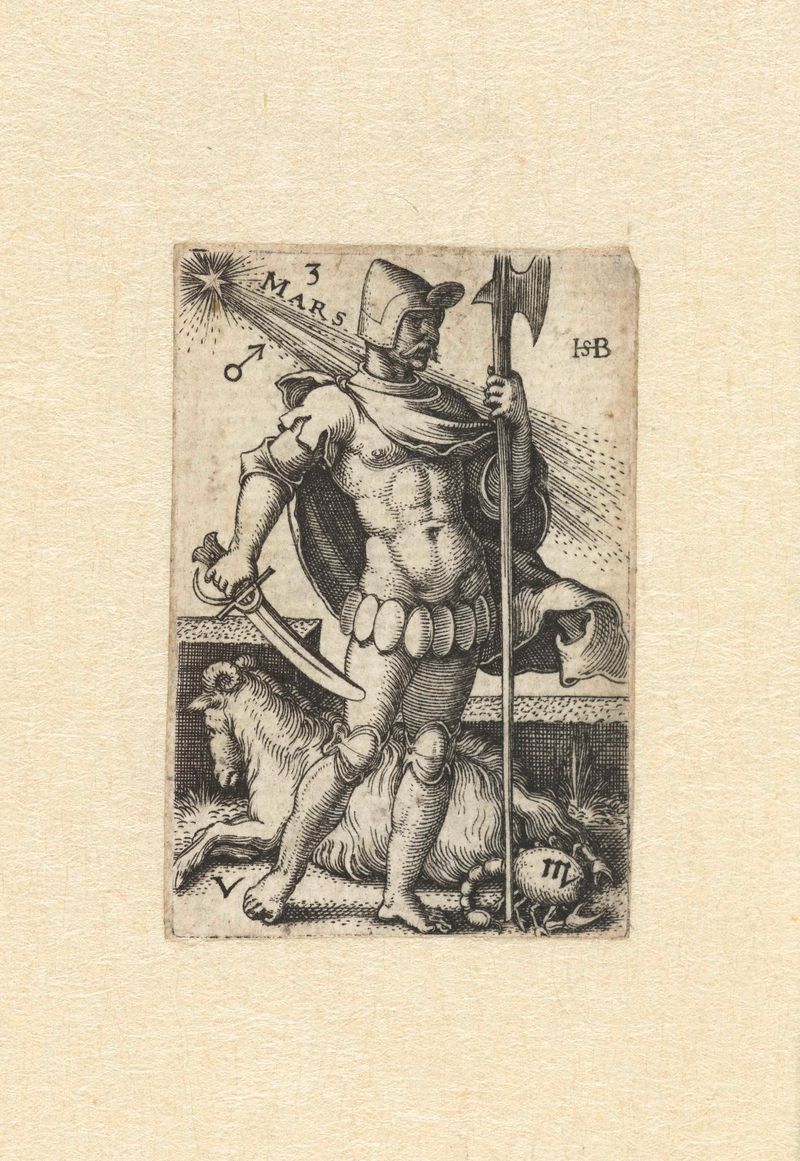
Mars met sterrenbeelden Ram en Schorpioen
Hans Sebald Beham

Achilles in gevecht met Hector
Hans Sebald Beham
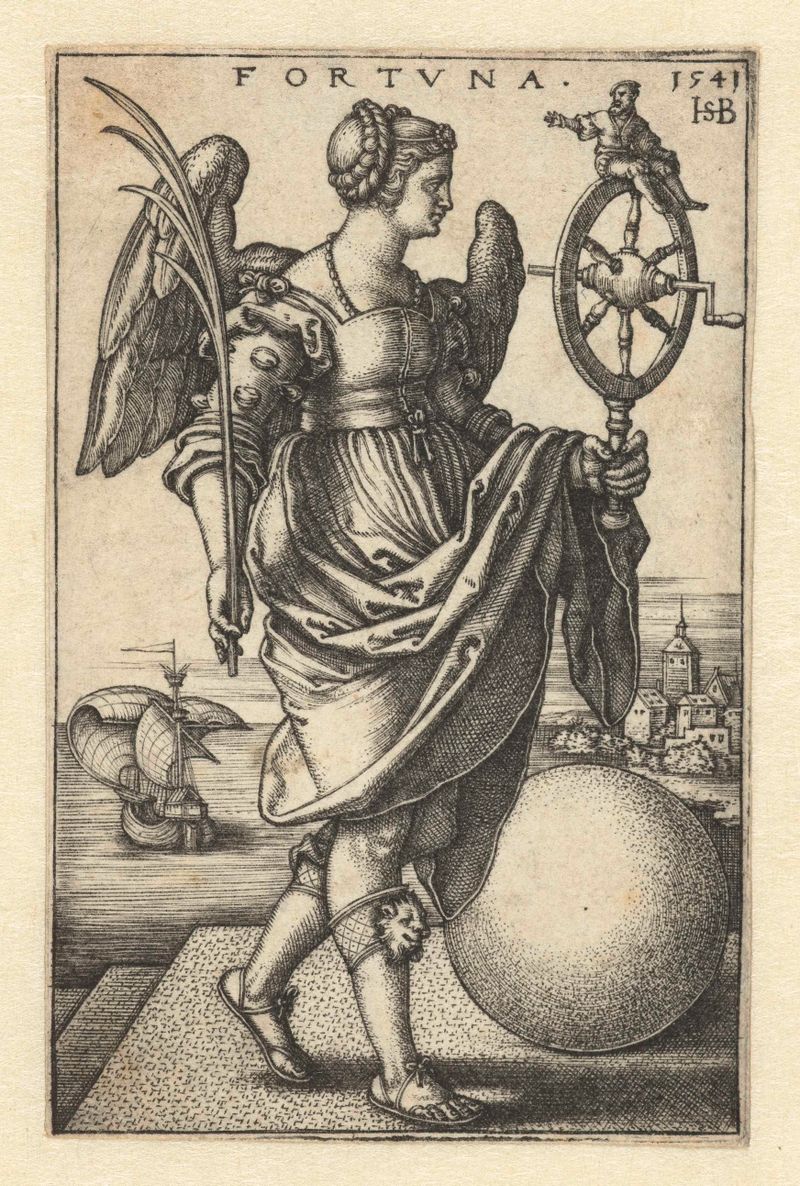
Fortuna
Hans Sebald Beham

Hercules worstelt met Antaeus
Hans Sebald Beham

Twee muzikanten met schalmey en doedelzak
Hans Sebald Beham

Voorzichtigheid (Prudentia)
Hans Sebald Beham

Hercules in gevecht met de Trojanen
Hans Sebald Beham
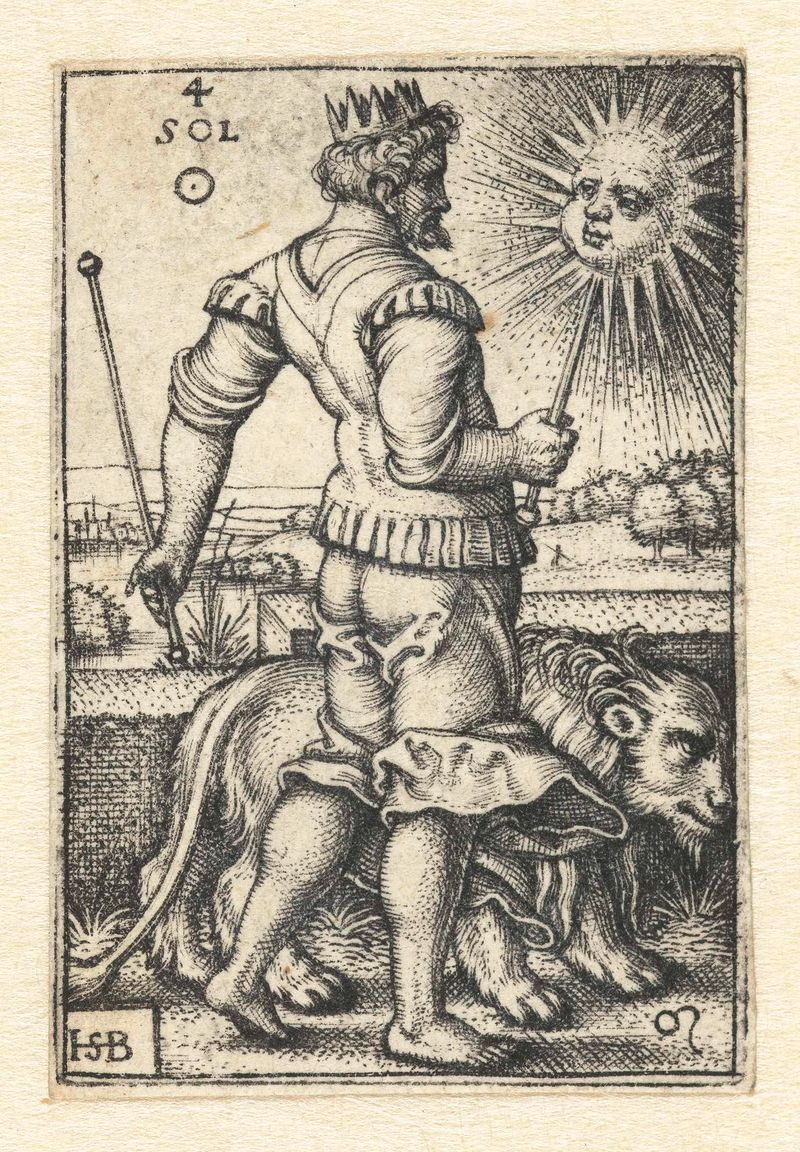
Apollo (Sol) met sterrenbeeld Leeuw
Hans Sebald Beham
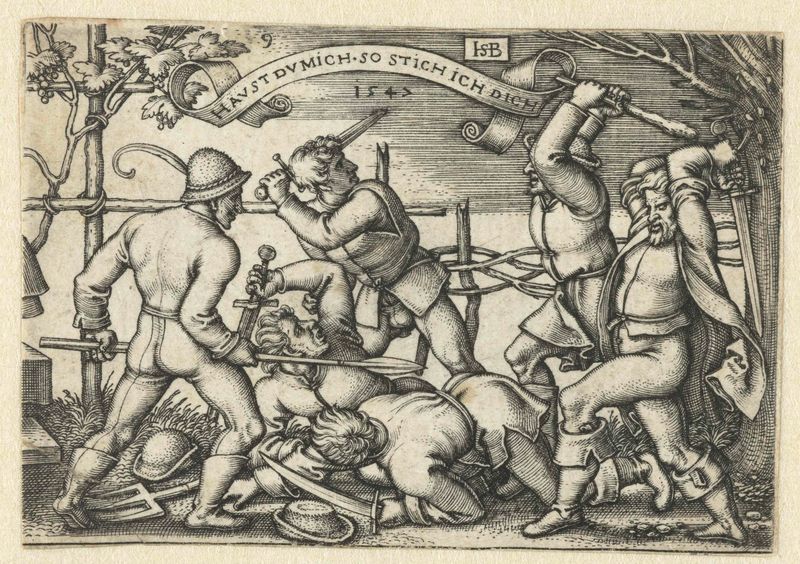
Vechtende boeren met zwaarden
Hans Sebald Beham
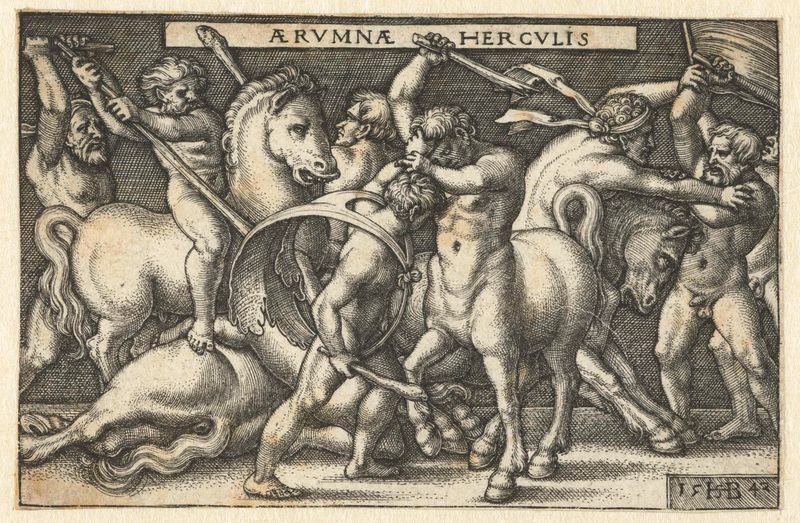
Hercules in gevecht met centaurs
Hans Sebald Beham





