
Verloren zoon als varkenshoeder — History & Facts
Can paint confess what words never could? In Hans Sebald Beham's Verloren zoon als varkenshoeder, the weight of loss and decay hangs heavy, an unspoken lament woven into the very fabric of the work. Here, amidst a landscape steeped in desolation, we witness the profound sadness of a life led astray, encapsulated in imagery that defies mere description. Look to the center, where a young man stands, shrouded in threadbare rags, a stark contrast to the lushness of the surrounding fields. Notice the muted earth tones that dominate the canvas, each stroke evocative of neglect and despair.
The textures of the swine at his feet mirror the man’s own degradation, while the low horizon casts a shadow over his posture, emphasizing his submission to fate. The gentle light filtering through a cloudy sky highlights the scene, creating a poignant tension between hope and hopelessness. Amidst the apparent simplicity, deeper insights reveal themselves: the swine represent not only the man’s fall from grace but also a forced acceptance of his new reality. The juxtaposition of the young man’s forgotten dignity against the wild freedom of the pigs evokes a profound sense of irony, while the decaying landscape serves as a reminder of the transient nature of life.
Each element is steeped in emotional significance, pulling the viewer into a contemplation of loss, repentance, and the human condition. Created in 1538, Beham painted this work during a time of personal turmoil and societal change. The artist was navigating the complexities of the Reformation, a period which influenced his style and thematic choices. As he grappled with the tensions of faith and morality, the portrayal of a wayward son acting as a swineherd resonates with the era's exploration of redemption and human frailty.
Here, art becomes a vessel for introspection, capturing the unutterable sorrow of a fallen world.
More Artworks by Hans Sebald Beham
Browse all →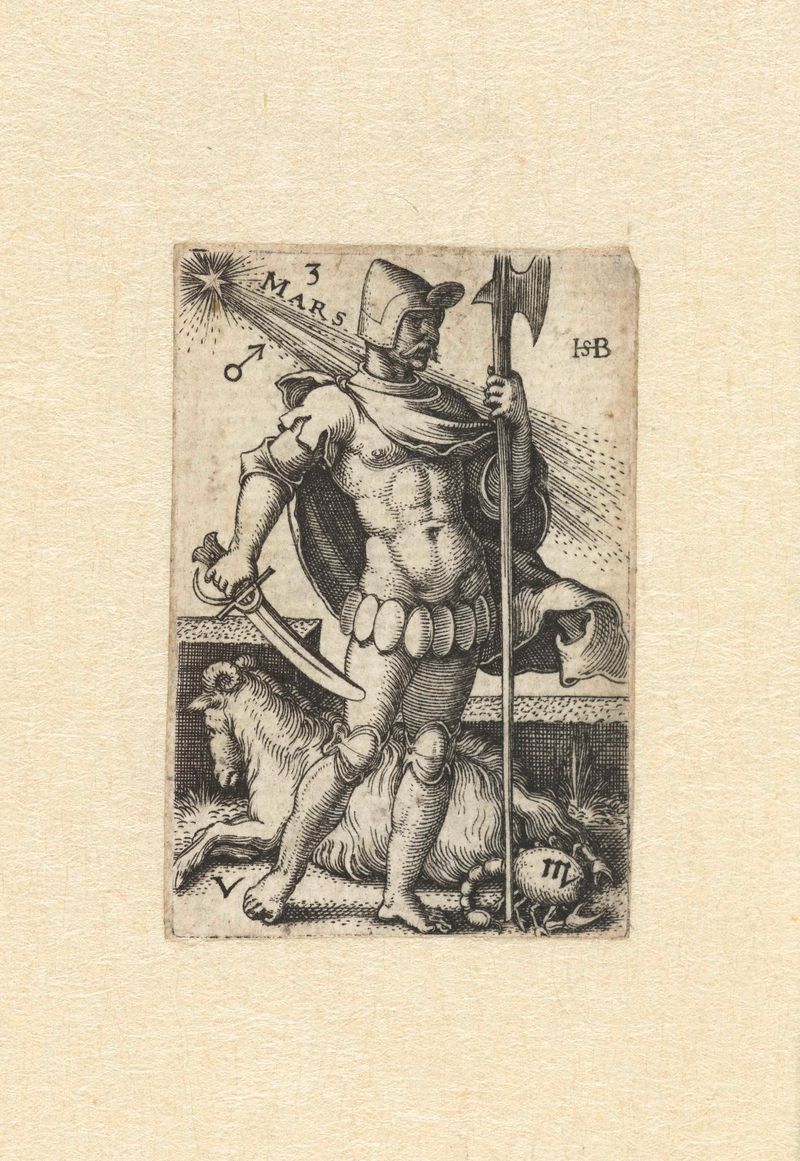
Mars met sterrenbeelden Ram en Schorpioen
Hans Sebald Beham

Achilles in gevecht met Hector
Hans Sebald Beham
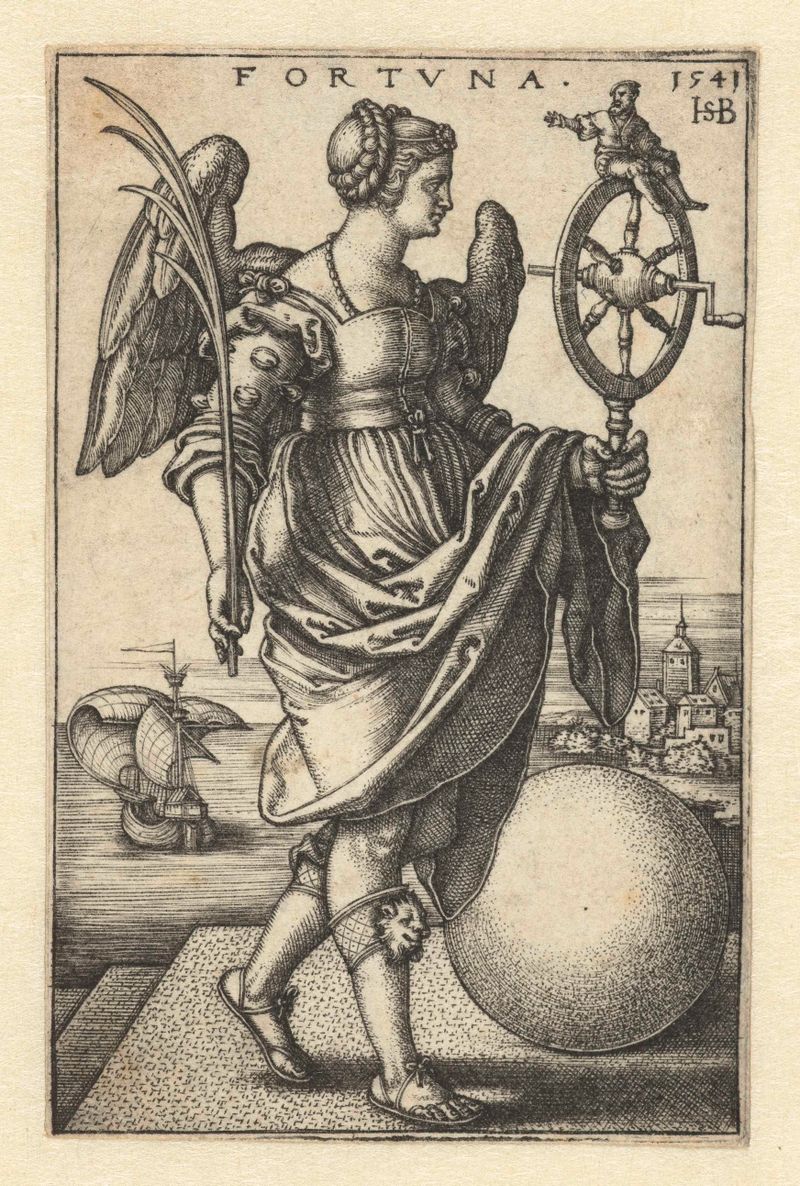
Fortuna
Hans Sebald Beham

Hercules worstelt met Antaeus
Hans Sebald Beham

Twee muzikanten met schalmey en doedelzak
Hans Sebald Beham

Voorzichtigheid (Prudentia)
Hans Sebald Beham

Hercules in gevecht met de Trojanen
Hans Sebald Beham
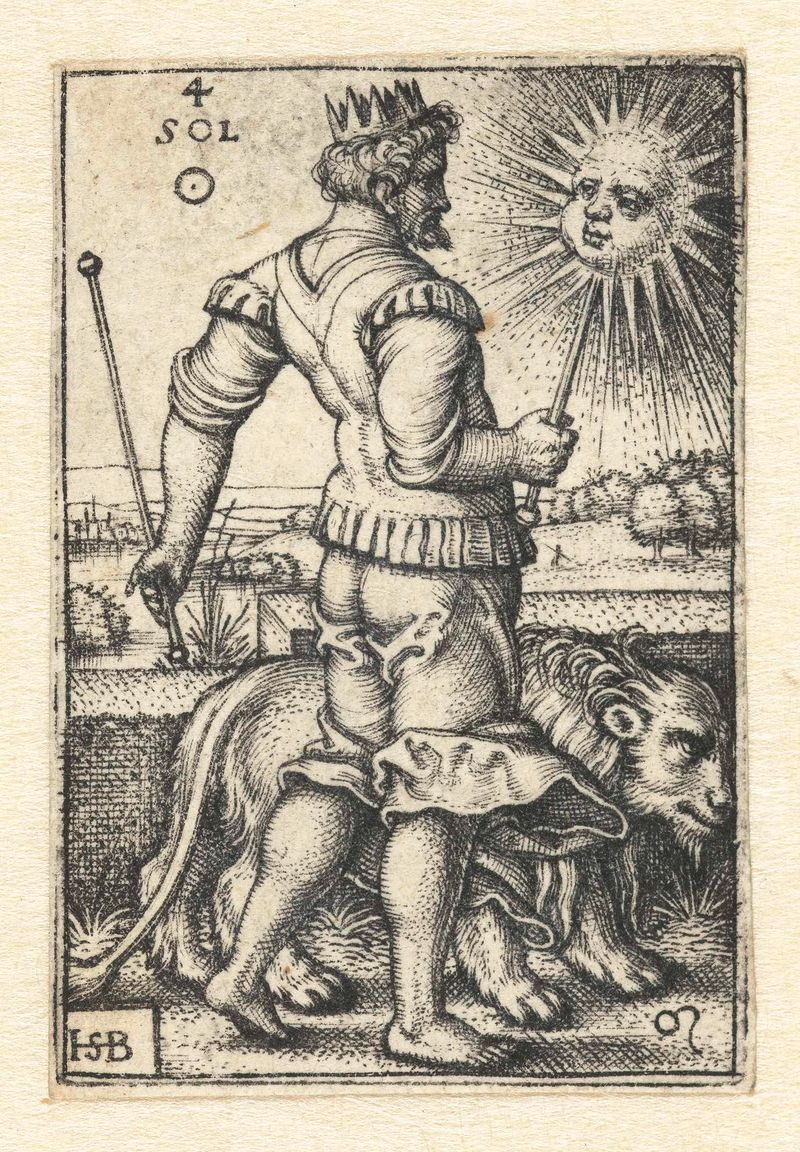
Apollo (Sol) met sterrenbeeld Leeuw
Hans Sebald Beham
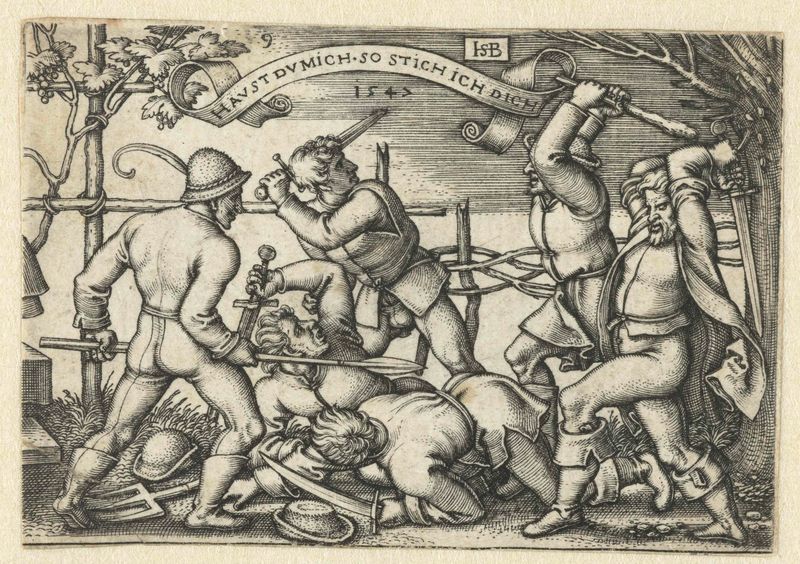
Vechtende boeren met zwaarden
Hans Sebald Beham
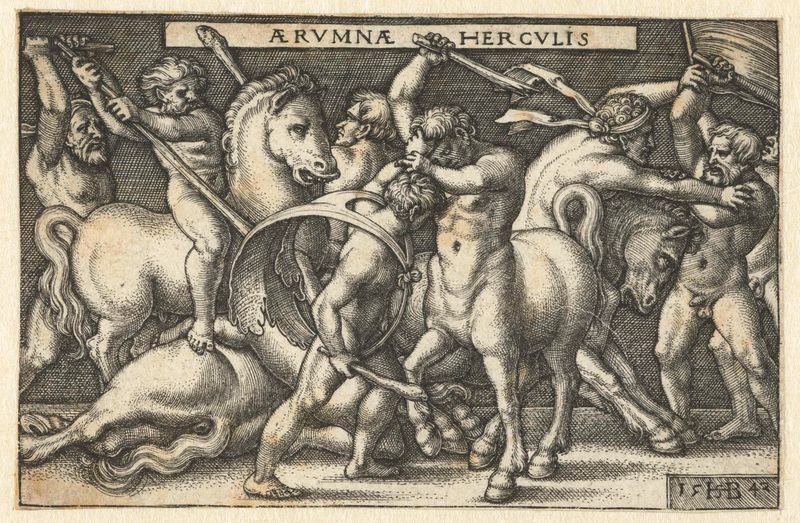
Hercules in gevecht met centaurs
Hans Sebald Beham





