
Verloren zoon verspilt zijn erfenis — History & Facts
Where does light end, and longing begin? In the depths of despair, the familiar scent of loss hangs in the air, permeating the delicate balance between inheritance and waste. Look to the left at the young man, his posture a mix of defiance and regret as he stands amidst a cascade of lavish wealth and empty promises. The artist’s meticulous detail captures the opulence of his surroundings — golden goblets and overflowing treasures lie abandoned, while shadows stretch ominously, clinging to his figure. Notice how the warm hues of gold contrast against the cooler tones of his disheveled attire, emphasizing his isolation amidst abundance. Hidden beneath the surface of this depiction lies a profound commentary on the human condition.
The juxtaposition of luxury and desolation suggests a deeper narrative about choices, freedom, and the inevitable consequences of squandering one’s gifts. Each element—the discarded wealth, the forlorn gaze—reflects a poignant tension between youthful exuberance and the stark reality of loss, inviting the viewer to ponder the weight of squandered potential. Hans Sebald Beham created this work in 1540, during a turbulent period in the Holy Roman Empire marked by shifts in artistic expression and societal values. As a member of the Northern Renaissance, he sought to convey moral narratives through finely rendered detail.
At this time, artists were exploring themes of human folly and redemption, mirroring the anxieties and aspirations of an era on the cusp of profound change.
More Artworks by Hans Sebald Beham
Browse all →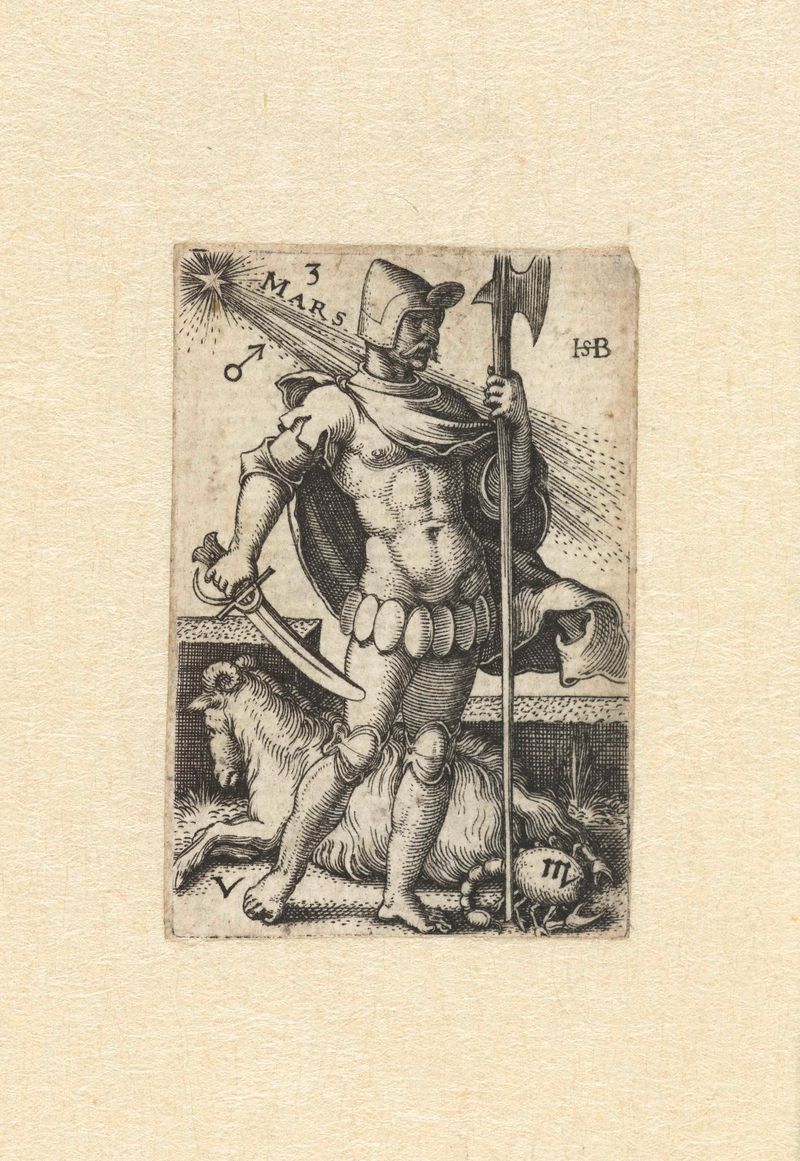
Mars met sterrenbeelden Ram en Schorpioen
Hans Sebald Beham

Achilles in gevecht met Hector
Hans Sebald Beham
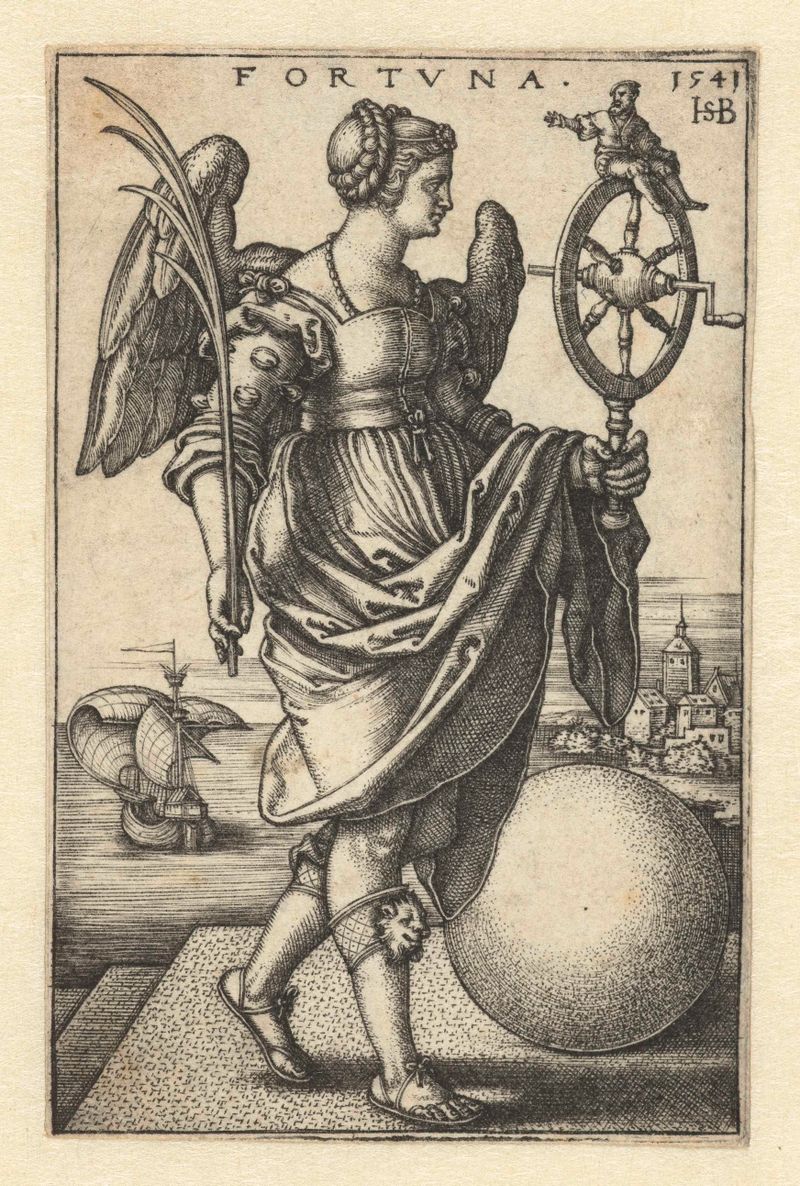
Fortuna
Hans Sebald Beham

Hercules worstelt met Antaeus
Hans Sebald Beham

Twee muzikanten met schalmey en doedelzak
Hans Sebald Beham

Voorzichtigheid (Prudentia)
Hans Sebald Beham

Hercules in gevecht met de Trojanen
Hans Sebald Beham
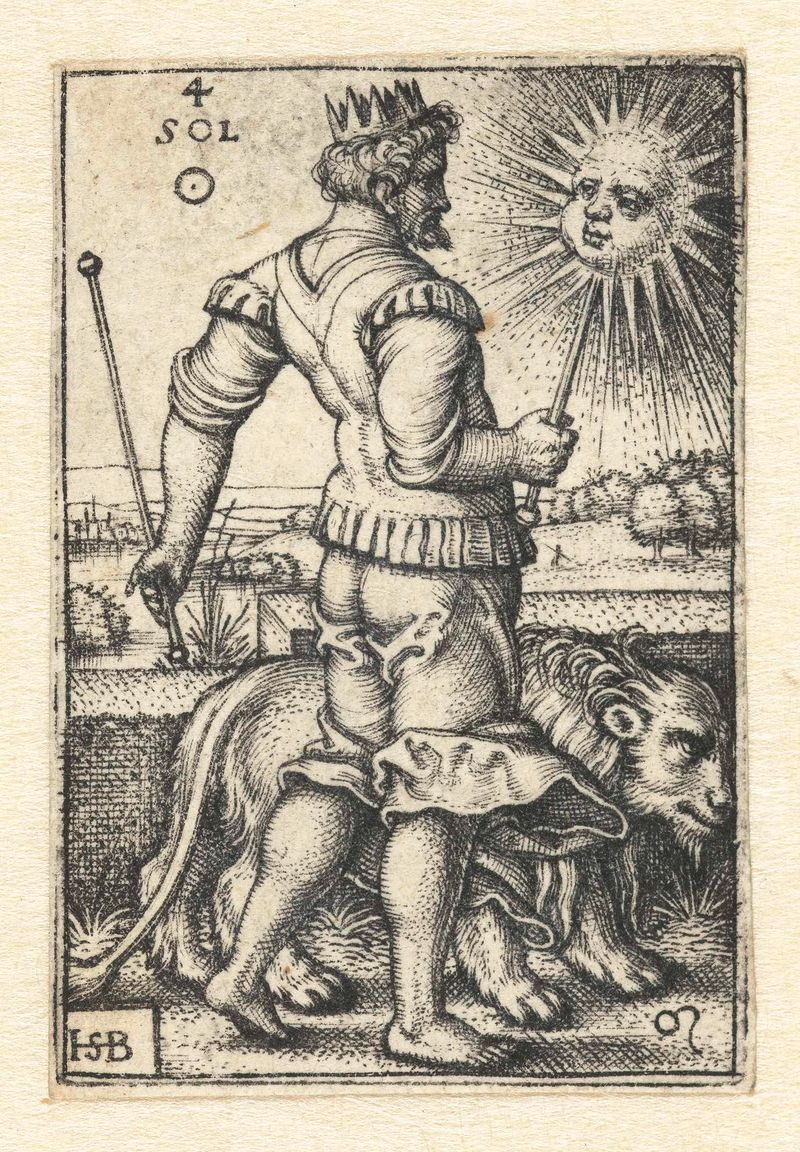
Apollo (Sol) met sterrenbeeld Leeuw
Hans Sebald Beham
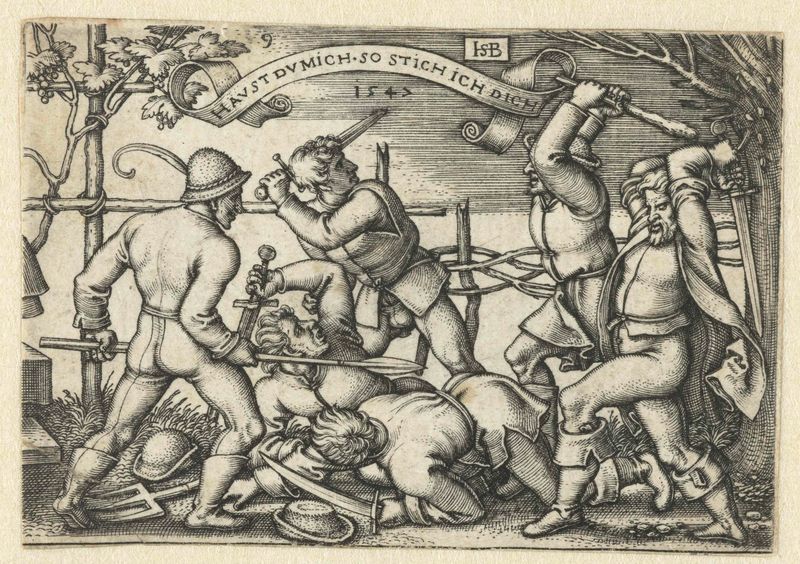
Vechtende boeren met zwaarden
Hans Sebald Beham
Hercules in gevecht met centaurs
Hans Sebald Beham





