
Vertrek van de verloren zoon — History & Facts
In the stillness of art, the whispers of melancholy echo louder than words, inviting us to ponder the bittersweet nature of existence. Focus first on the central figure, a young man, his posture slumped and head bowed, embodying a sense of loss that flows through the painting. Look to the left where his father stands, a contrast of authority and sorrow, his outstretched hand trembling with both hope and grief. The muted earth tones and soft brushwork evoke a sense of nostalgia, while the gentle play of light highlights the delicate tension between love and abandonment.
Each brushstroke holds a story, weaving together the emotional fabric of this poignant farewell. As you observe, consider the symbolism of distance illustrated through the barren landscape that stretches behind the son. The shadows cast by the father hint at the uncertainty of the journey ahead, representing the duality of freedom and loneliness that awaits the young man. The subtle expressions captured on their faces reveal a deeper emotional tug-of-war, reflecting the pain of separation intertwined with the necessity of personal growth. In 1540, Hans Sebald Beham painted this work during a time of significant transformation in the Northern Renaissance.
Emerging from the influence of the Reformation, artists began to explore more personal and emotional subjects, departing from mere religious themes. Beham, known for his intricate engravings and paintings, infused this piece with a sense of personal narrative that resonated with the societal shifts of his time, encapsulating the essence of human experience through the lens of familial bonds.
More Artworks by Hans Sebald Beham
Browse all →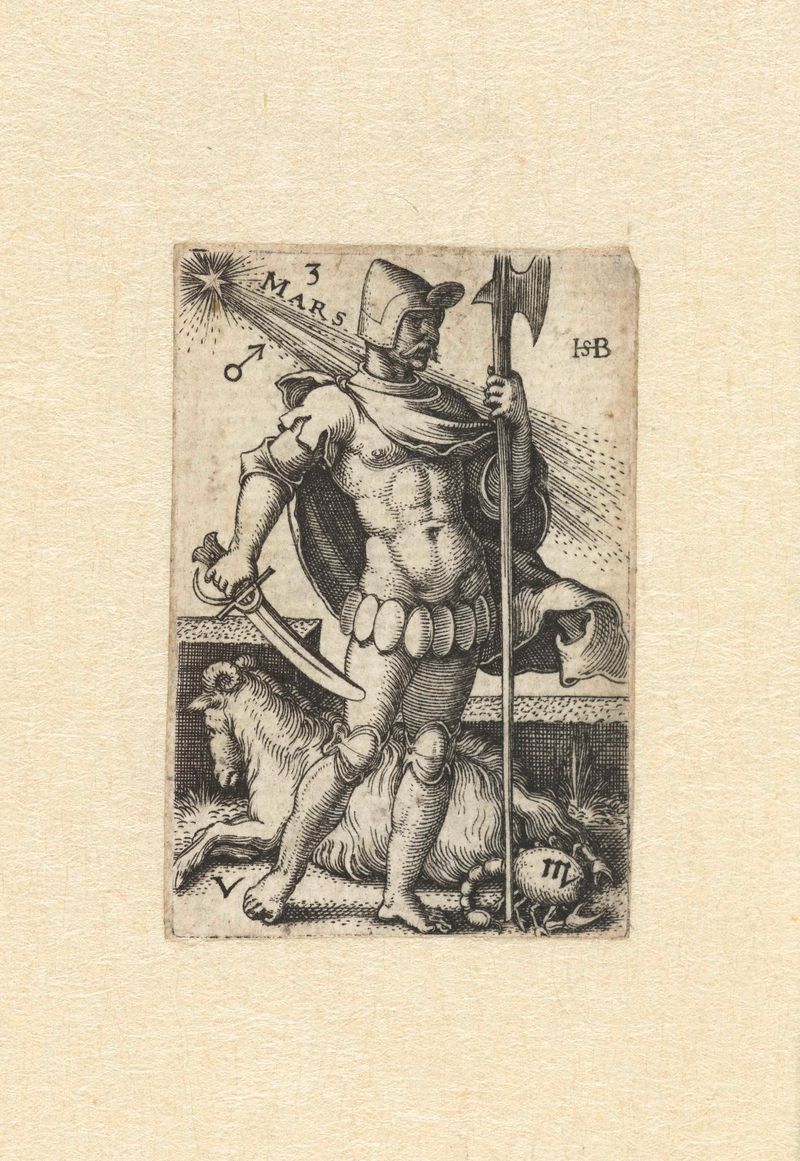
Mars met sterrenbeelden Ram en Schorpioen
Hans Sebald Beham

Achilles in gevecht met Hector
Hans Sebald Beham
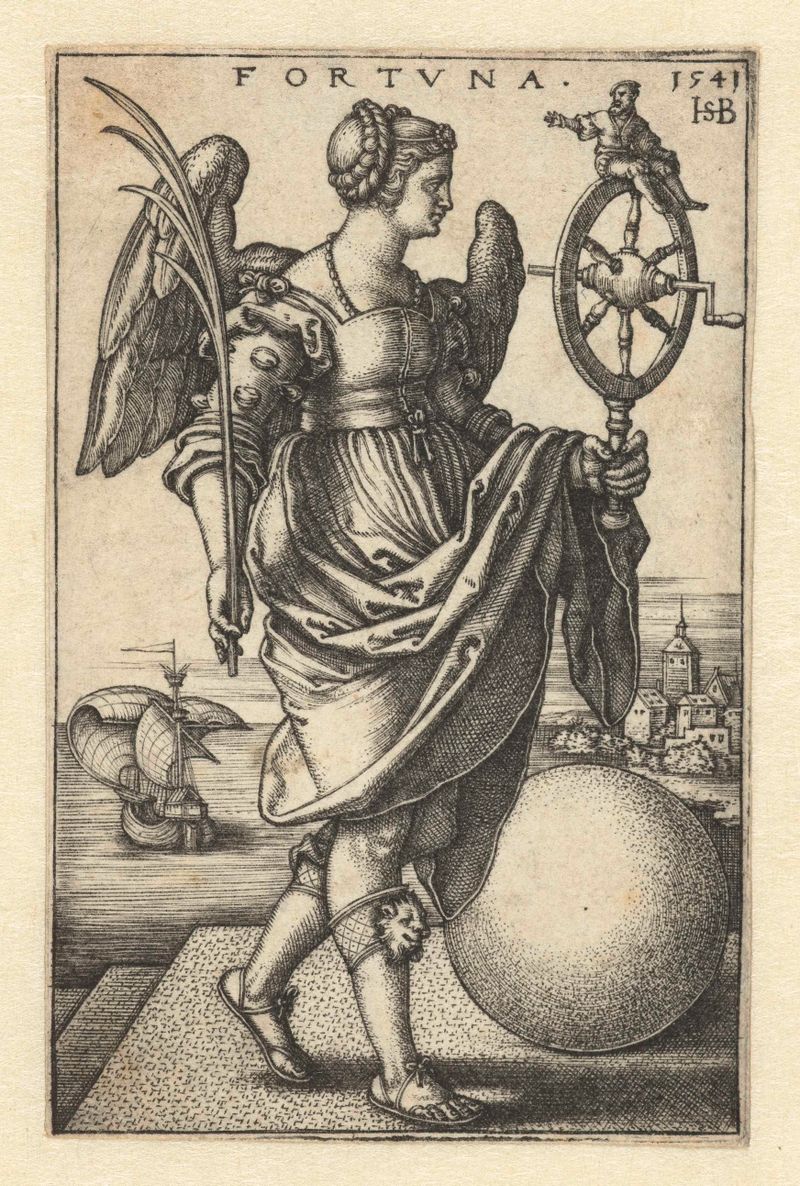
Fortuna
Hans Sebald Beham

Hercules worstelt met Antaeus
Hans Sebald Beham

Twee muzikanten met schalmey en doedelzak
Hans Sebald Beham

Voorzichtigheid (Prudentia)
Hans Sebald Beham

Hercules in gevecht met de Trojanen
Hans Sebald Beham
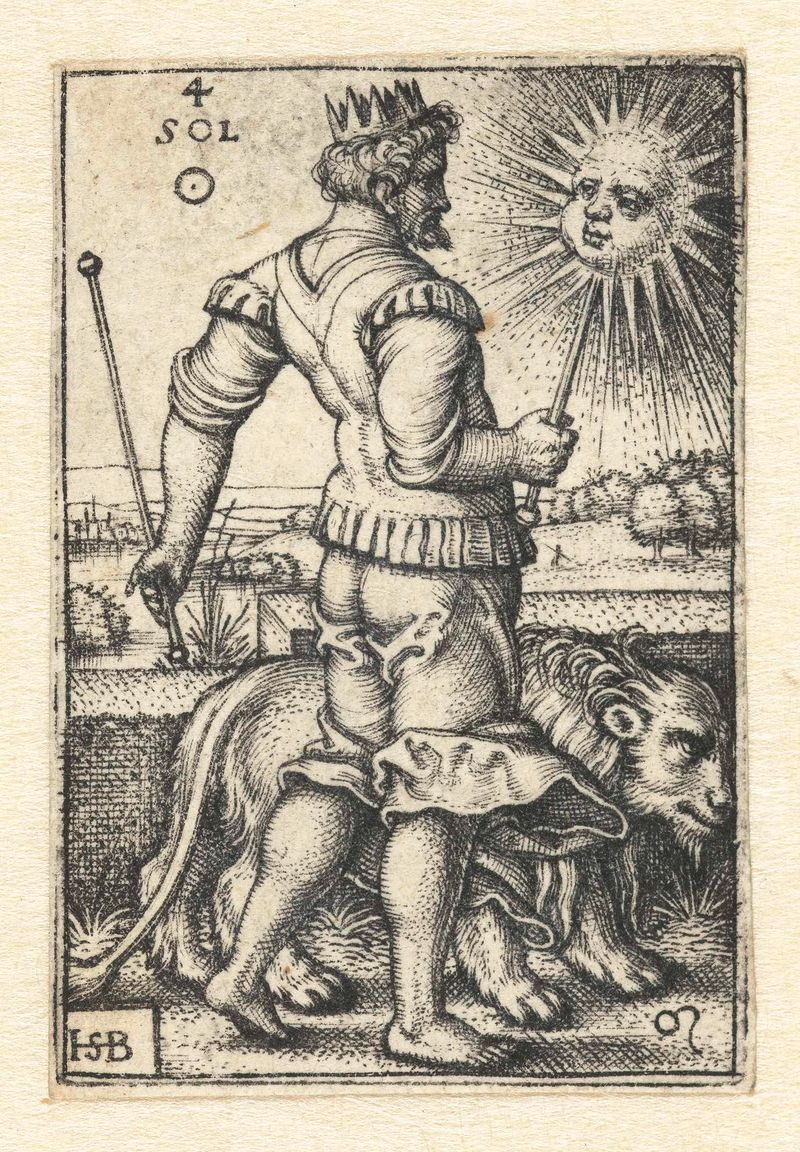
Apollo (Sol) met sterrenbeeld Leeuw
Hans Sebald Beham
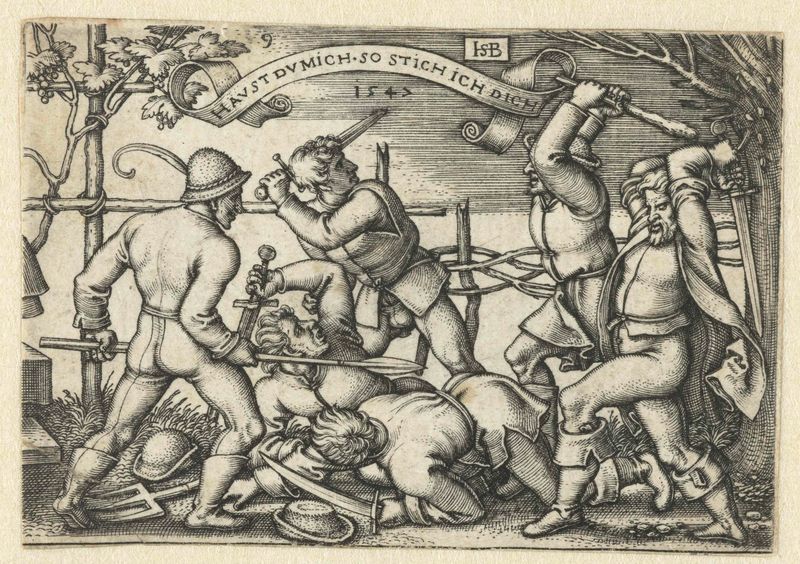
Vechtende boeren met zwaarden
Hans Sebald Beham
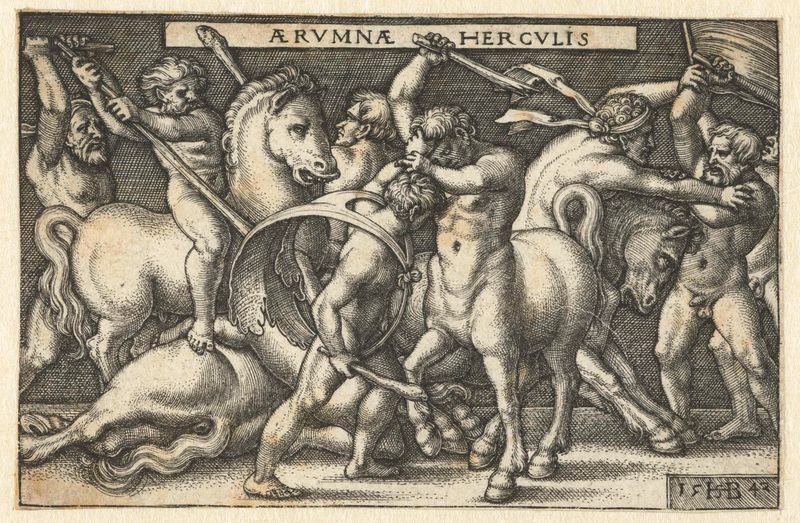
Hercules in gevecht met centaurs
Hans Sebald Beham





