Vessels In A Breeze — History & Facts
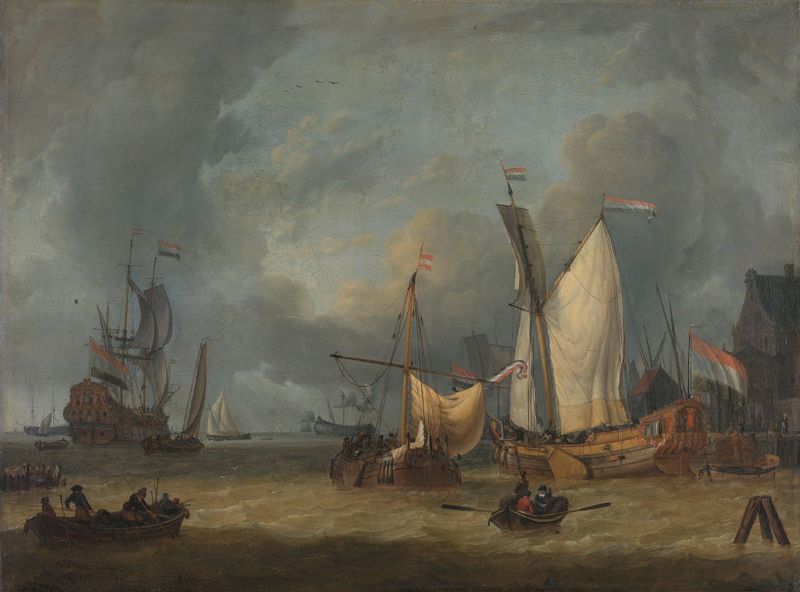
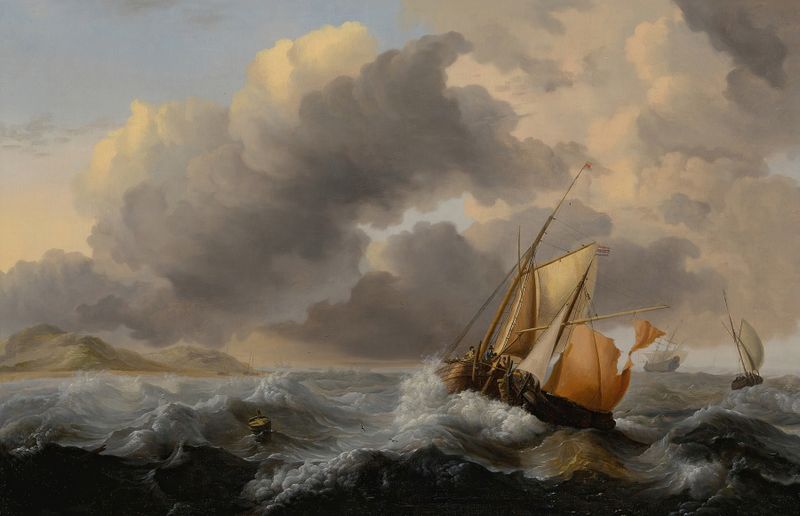
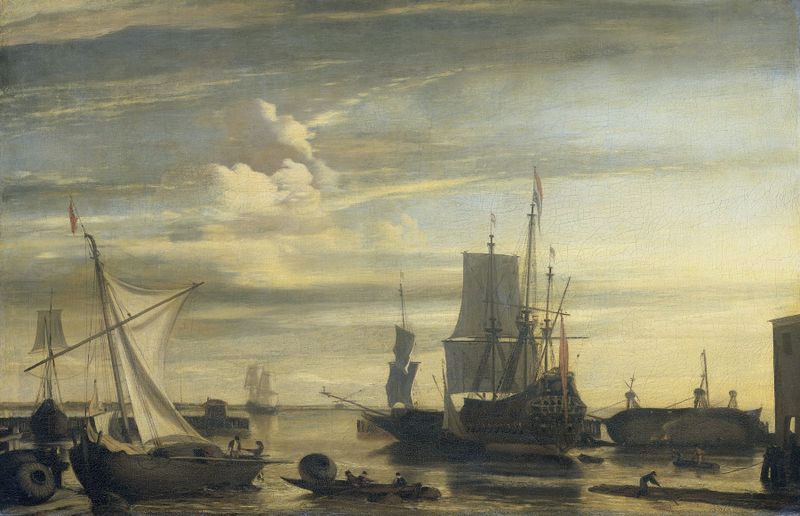
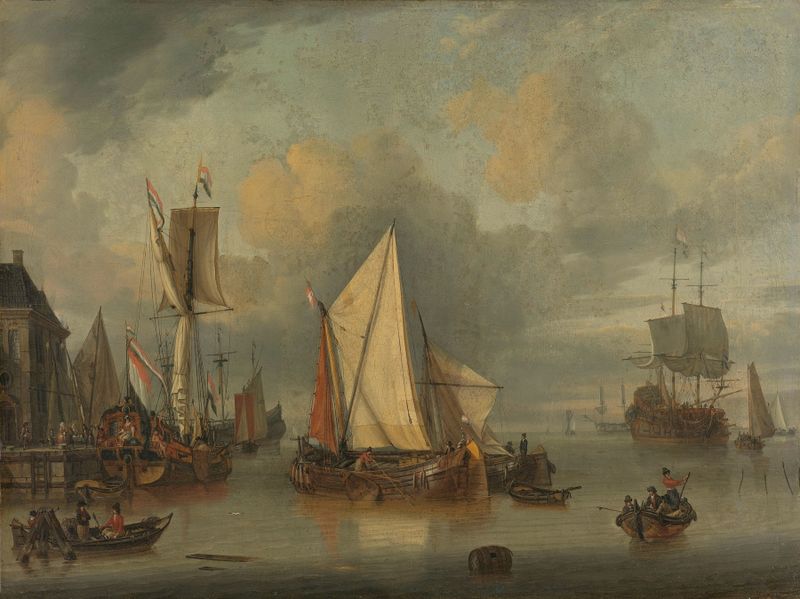
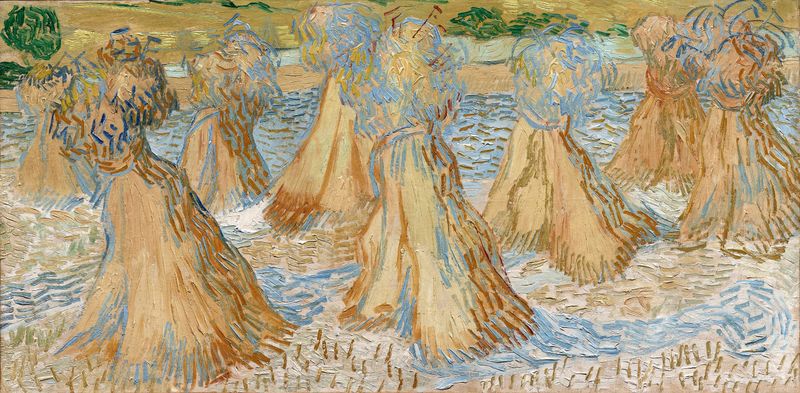
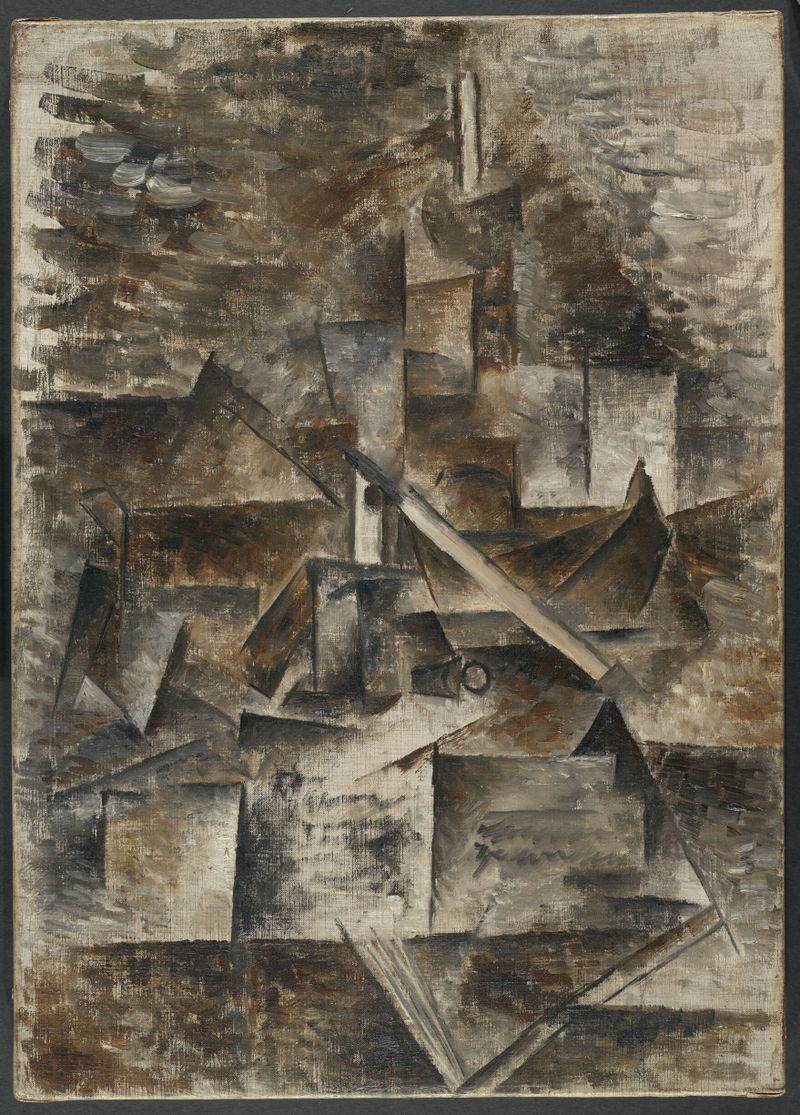
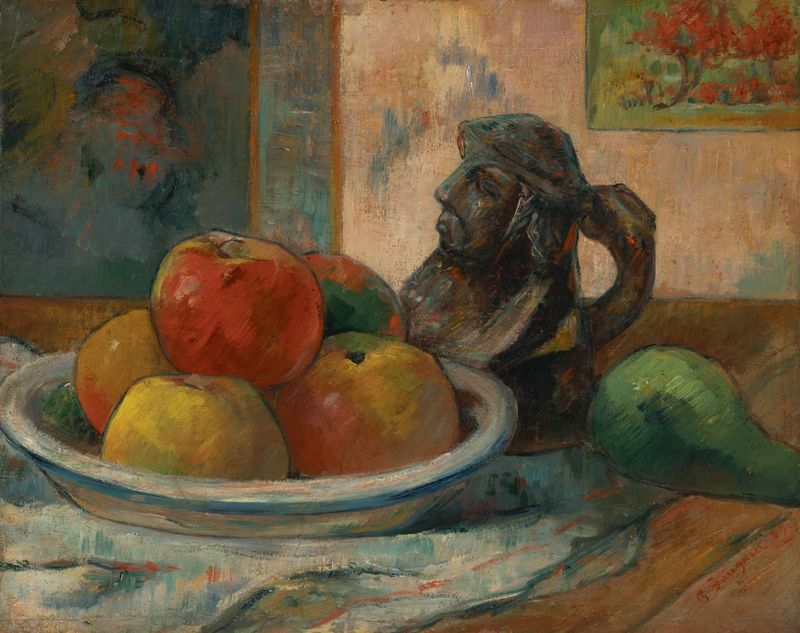
The act of reflection, both literal and metaphorical, transforms the mundane into the extraordinary, evoking a sense of nostalgia and tranquility. Look to the center of the canvas, where delicate vessels sway gently, their forms capturing the wind's unseen dance. The muted palette of blues and earthy tones invites you in, while the soft, natural light highlights the delicate textures of each vessel. This play of light not only brings depth but also imbues the scene with a serene, contemplative quality, compelling the viewer to pause and engage with the subtleties of the moment. As you observe the fine details, consider how the vessels, seemingly ordinary, symbolize the fragility of life and the passage of time.
The gentle sway suggests a fleeting moment, a reminder of how experiences, much like the wind, can be both gentle and forceful. The juxtaposition of stillness against the implied movement of the breeze plays a crucial role, evoking a tension between stability and change that resonates deeply within the viewer. Created during an era when still life was evolving, the artist captured Vessels In A Breeze at a time marked by personal and artistic exploration. The absence of a specific date suggests a reflective phase in his life, where he sought to infuse daily objects with meaning and emotion.
This work stands as a testament to the artist's skillful coordination of light and form, echoing the broader trends of the Dutch Golden Age while maintaining a personal touch that speaks to contemporary viewers.