Vesuvius Seen from St January Bridge, Naples — History & Facts
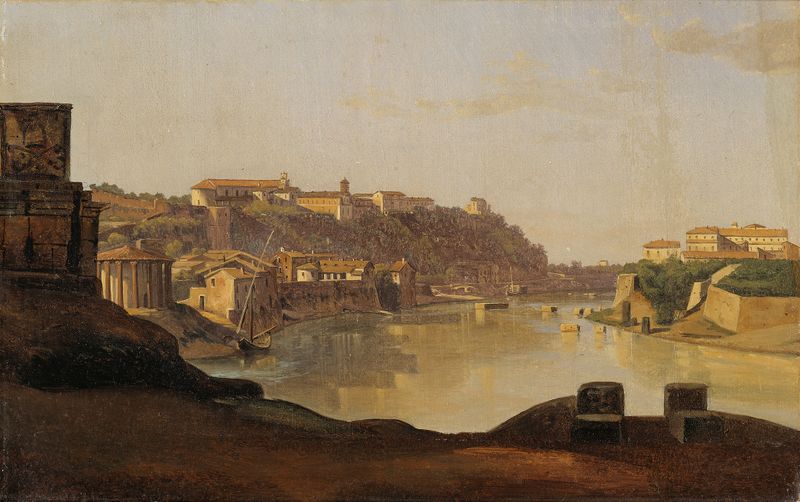
In this timeless moment, we are confronted with the precarious dance of life and death, a delicate balance that whispers through the canvas. The imminent presence of Vesuvius looms as a reminder of nature's indifference, evoking contemplation on mortality amidst fleeting beauty. Look to the foreground, where the gentle ripples of the water mirror the delicate hues of twilight. The bridge serves as a precarious threshold between the serene landscape and the ominous silhouette of the volcano, creating a striking contrast.
Notice how the soft blue and gold tones blend harmoniously, while the brushwork captures the gentle caress of the evening light, suggesting both hope and foreboding. Exploring deeper, the vibrant yet muted colors convey a duality; they echo the tranquility of the scene while reminding us of the lurking threat of volcanic wrath. Small boats float peacefully, their stillness a stark juxtaposition to the churning uncertainties of the natural world. The silence of the landscape reflects our own internal dialogues about existence, urging us to reflect on the transient nature of life itself. During the period when this piece was created, Gustaf Söderberg was navigating the evolving landscape of European art, influenced by Romanticism's embrace of nature’s majesty.
Working in Naples, he found inspiration in the very essence of the city — its beauty, history, and the ever-watchful presence of Vesuvius, a poignant symbol of the fragility and impermanence that defines human existence.