View from Piazza di Campidoglio, Roma — History & Facts
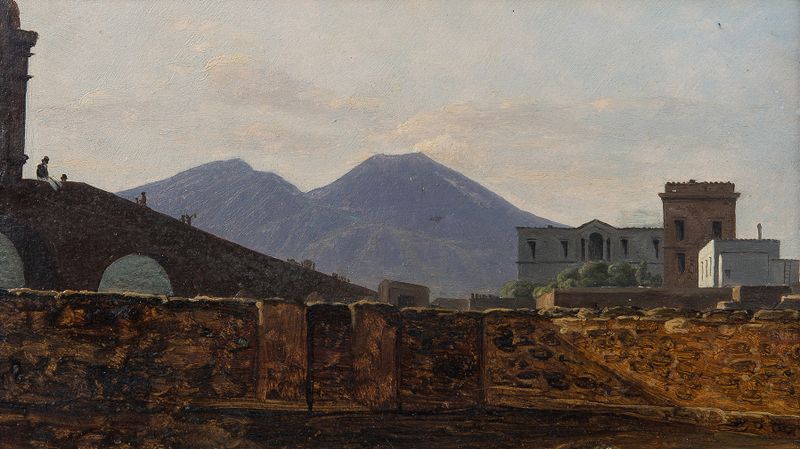
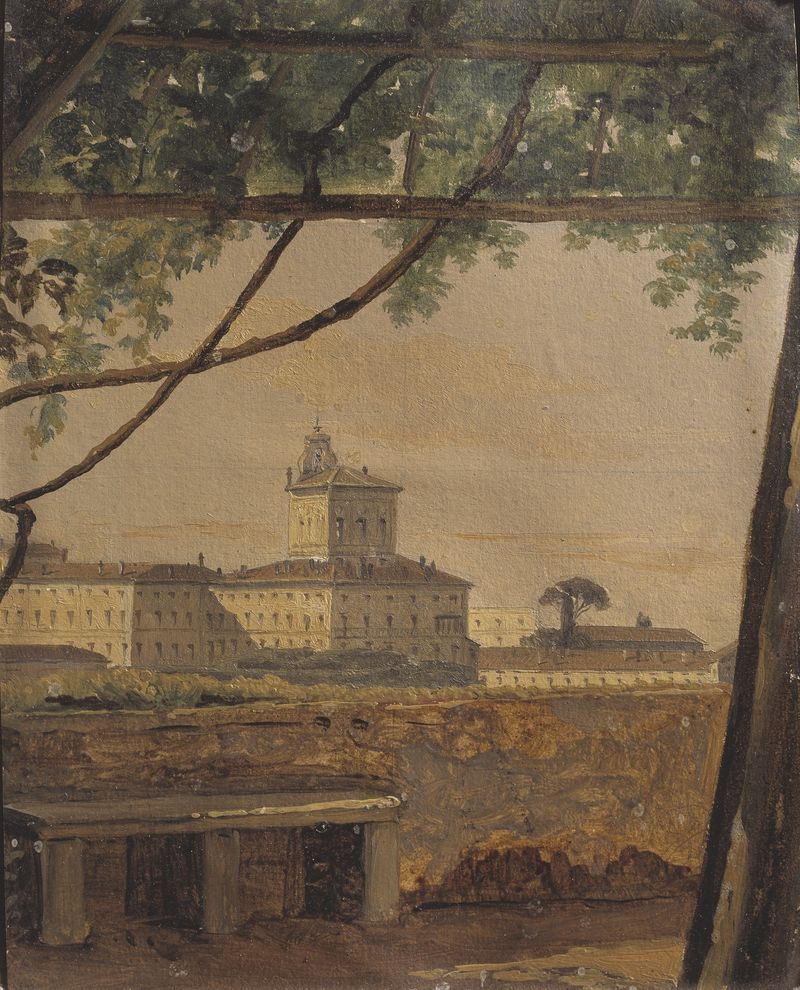
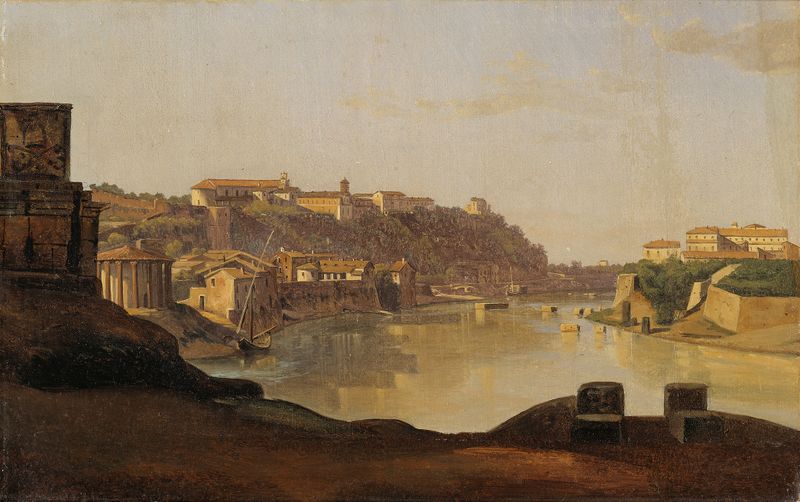
In the stillness of a sun-drenched piazza, the air hums with unspoken longing, a desire for connection that lingers like a fading echo. The viewer stands on the threshold of history, peering into a world where every stone reflects a tale untold, and every shadow whispers secrets of the past. Look to the foreground where the meticulous cobblestones weave a tapestry of time, their textured surface inviting exploration. The light plays across the warm hues of ochre and terracotta, casting delicate shadows that guide the eye toward the majestic architecture rising in the background.
The grand buildings, with their classical lines and ornate details, seem to beckon the viewer closer, while the distant horizon offers a glimpse of the eternal city, alive yet restrained in its beauty. In this artwork, contrasts abound—the solidity of the ancient structures versus the ephemeral nature of the moment captured. The composition evokes a sense of yearning, as if the viewer is drawn into a dialogue with a place steeped in history. Each element reflects the artist's desire to encapsulate the essence of Rome, the interplay of light revealing both the vibrancy and the solitude of the piazza.
The richness of colors speaks to a deeper emotional truth, suggesting that even in the heart of a bustling city, there exists a profound silence, filled with longing. Created during an unspecified time, the painting reflects the artist’s engagement with the romanticism of the Italian landscape, common among artists in the late 19th to early 20th centuries. Working in Europe, Söderberg was part of a broader movement that sought to explore the emotional resonance of places, capturing their essence in a way that echoed the sentiments of a world undergoing rapid change. This piece stands as a testament to his ability to evoke desire amid the timeless beauty of Rome.