
Via Dolorosa in Jerusalem. From the journey to Palestine — History & Facts
What if silence could speak through light? In Jan Ciągliński's Via Dolorosa in Jerusalem, the ethereal interplay of shadow and illumination evokes a sense of destiny entwined with the weight of history. Focus on the golden hues cascading across the cobblestones, each stone steeped in untold stories of sorrow and hope. Look closely at the figures trudging along the winding path; their postures are heavy with the burden of expectation. The artist masterfully employs a soft palette of earth tones, which, combined with the delicate brushwork, imbues the scene with a haunting quality, inviting the viewer to engage deeply with the emotions at play. There exists a profound contrast between the vibrancy of the marketplace on the left and the solemnity of the journey on the right.
The juxtaposition highlights the tension between life’s daily rhythms and the spiritual weight of pilgrimage. Notice how the light breaks through gaps in the architecture, symbolizing moments of revelation amidst struggle, while the veiled faces of the figures reflect an inner dialogue of doubt and faith. Ciągliński painted this work in 1901, during a period marked by a growing interest in the Holy Land within Western art. As he traveled through Palestine, he captured not only the physical environment but the spiritual undercurrents of pilgrimage.
His experiences mirrored broader artistic movements that sought to reconcile modernity with tradition, positioning him as a vital figure in the narrative of early 20th-century religious art.
More Artworks by Jan Ciągliński
Browse all →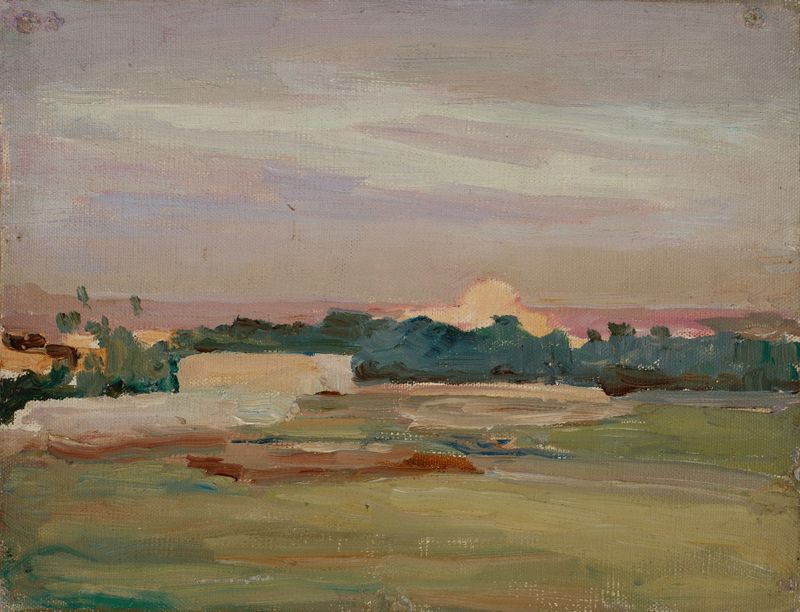
The Sirocco
Jan Ciągliński
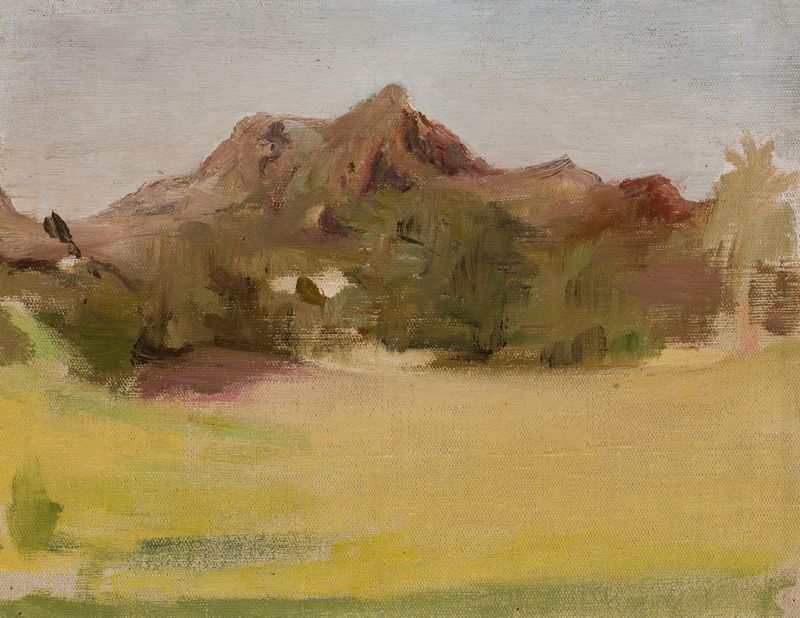
Mountain landscape. From the journey to India
Jan Ciągliński
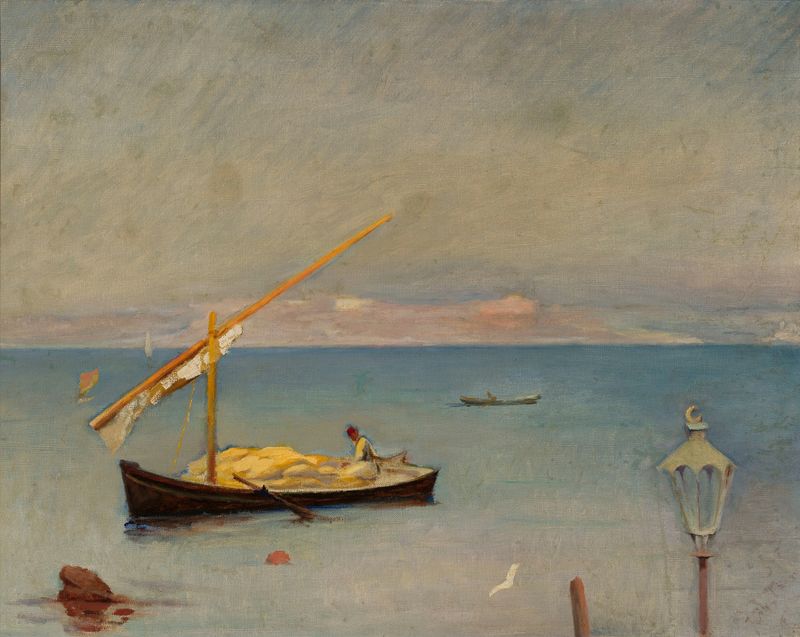
At Bosporus
Jan Ciągliński
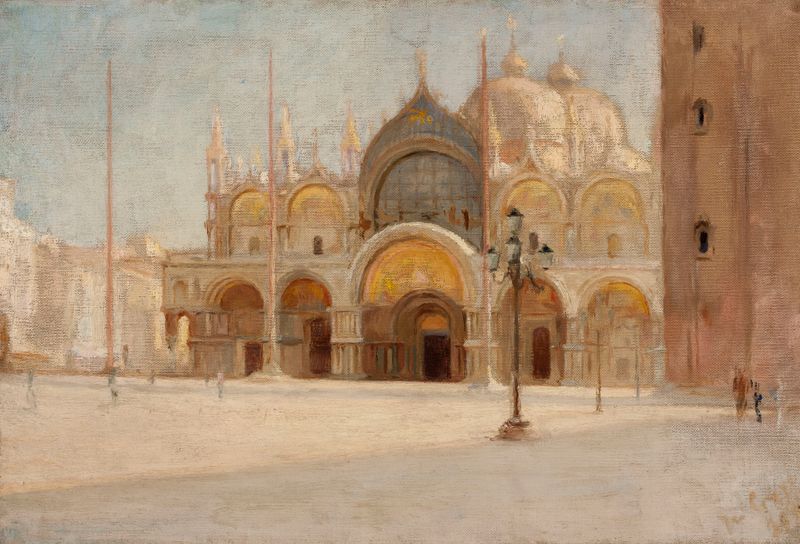
St Mark’s Square in Venice
Jan Ciągliński
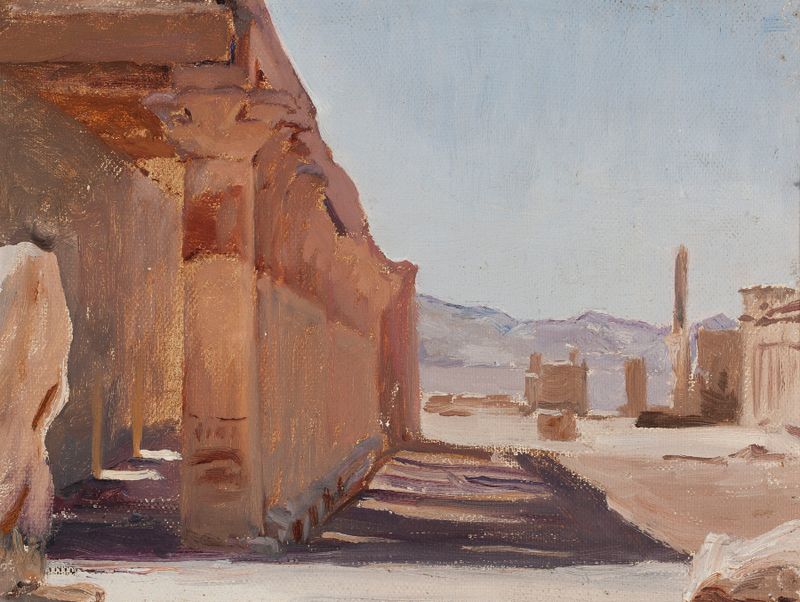
Temple. From the journey to Egypt
Jan Ciągliński
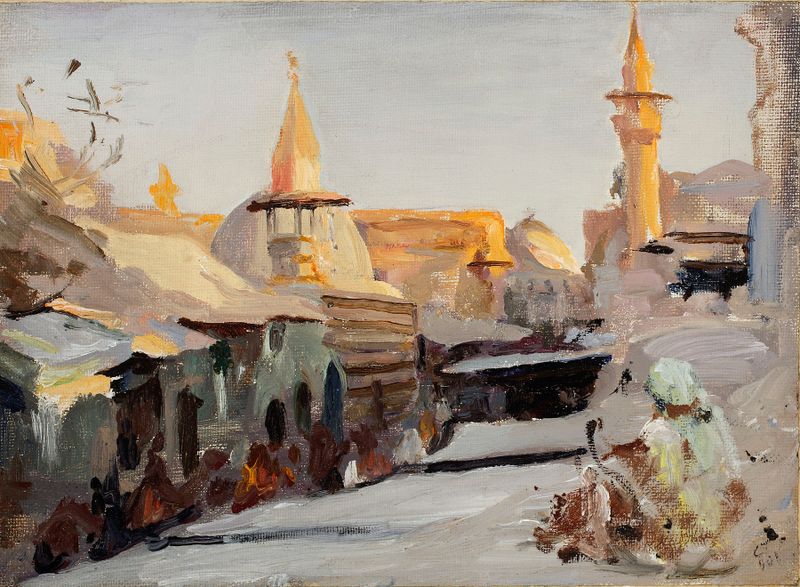
Street in Damascus. From the journey to Palestine
Jan Ciągliński
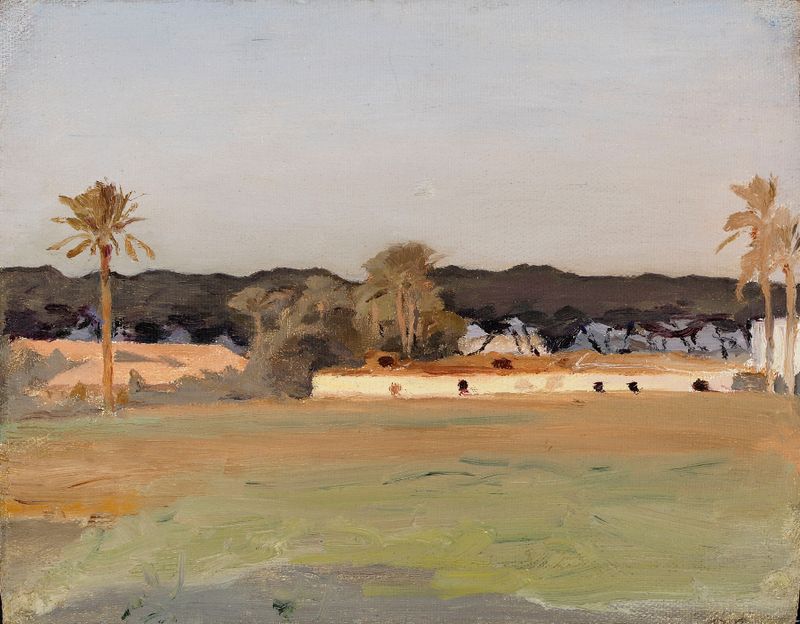
Evening. From the journey to Egypt
Jan Ciągliński
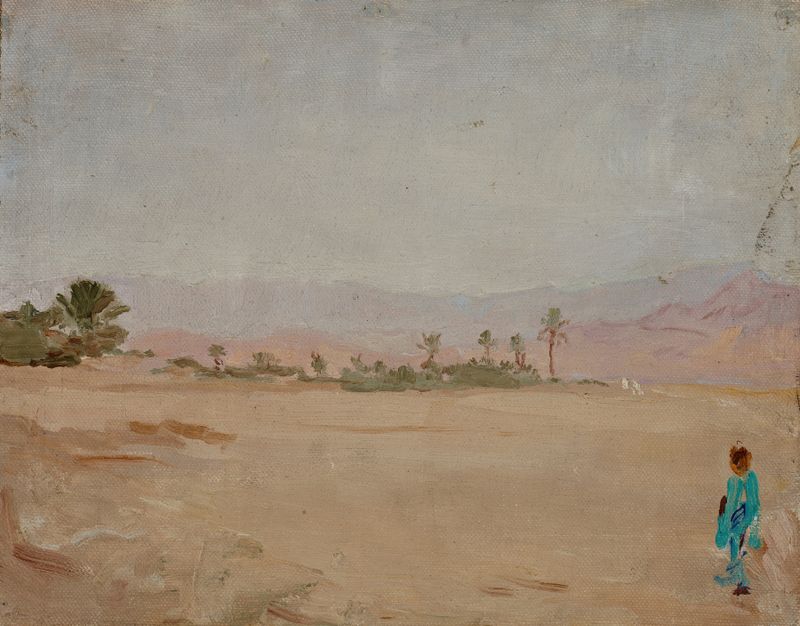
Sahara (Desert)
Jan Ciągliński
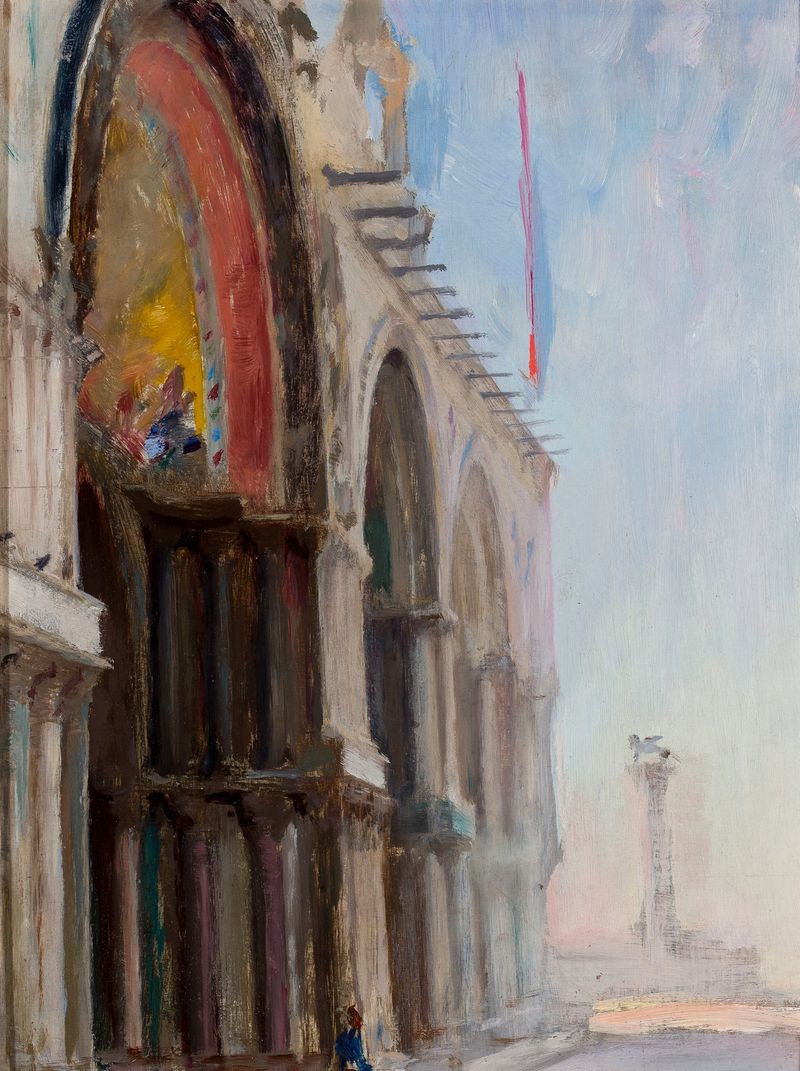
Venice – San Marco. From the journey to Italy
Jan Ciągliński
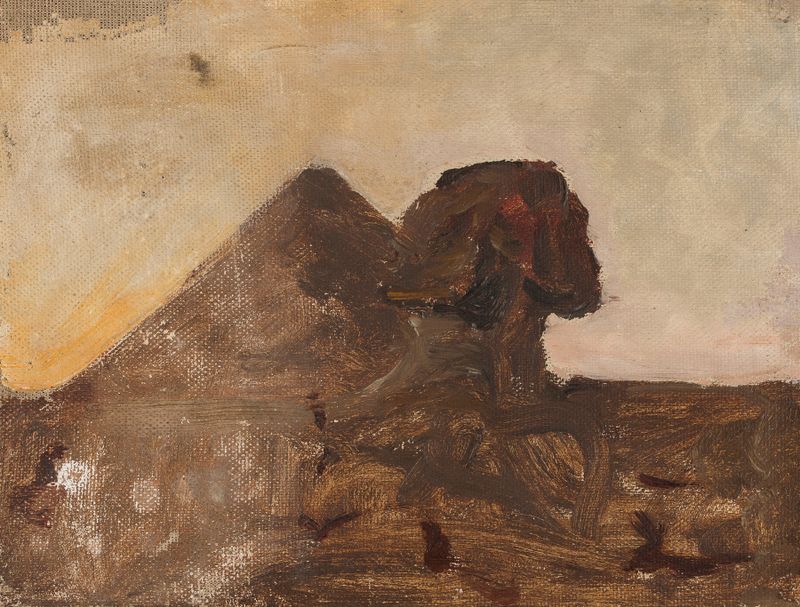
Evening in the desert – Sphinx and pyramid. From the journey to Egypt
Jan Ciągliński
More Religious Art
Browse all →
The Return of the Prodigal Son
Rembrandt van Rijn

The Garden of Earthly Delights
El Bosco

Count Orgaz’ funeral
El Greco

The Hundred Guilder Print: the central piece with Christ preaching, the plate arched
Rembrandt van Rijn

The Descent from the Cross
Rogier van der Weyden

The return of the prodigal son
Rembrandt van Rijn