Victor Hugo — History & Facts
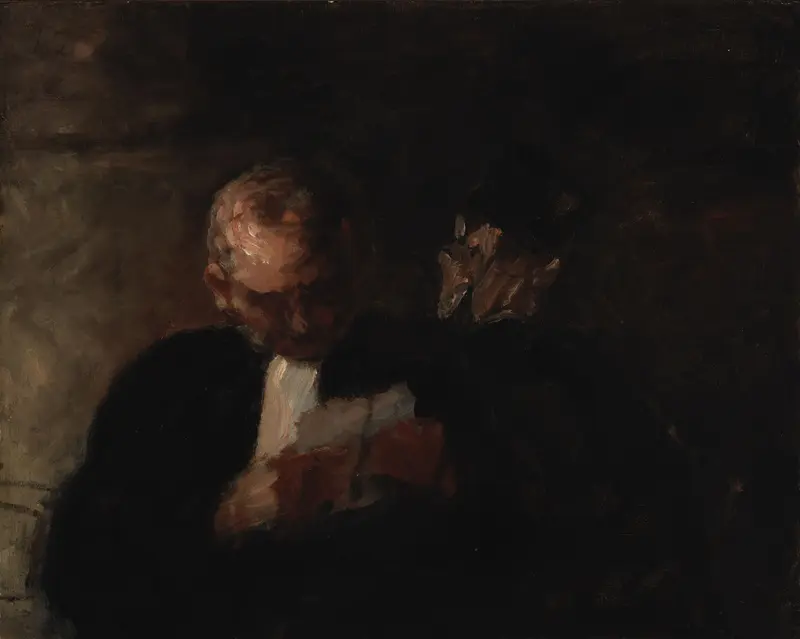
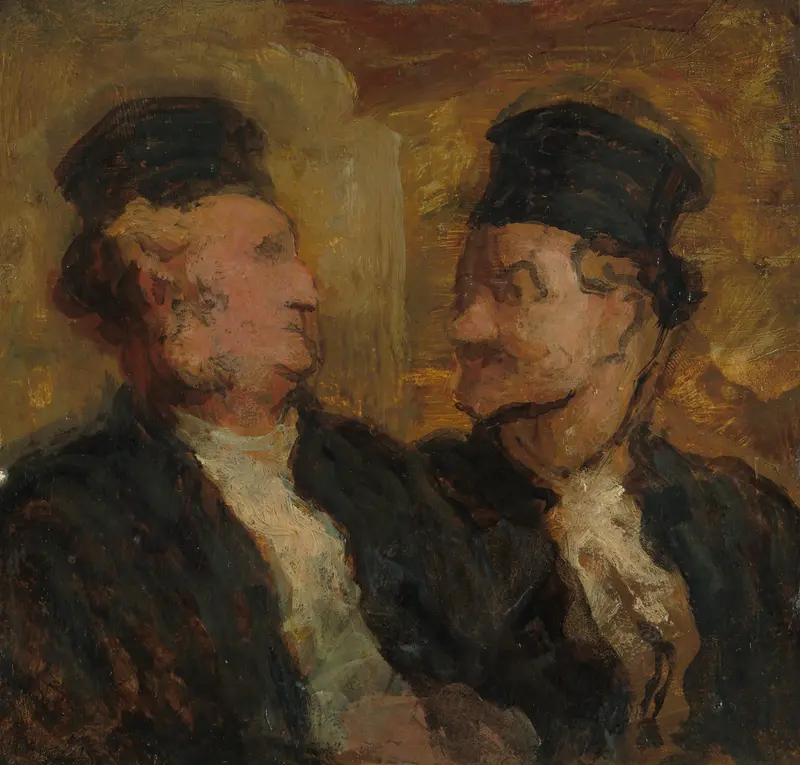
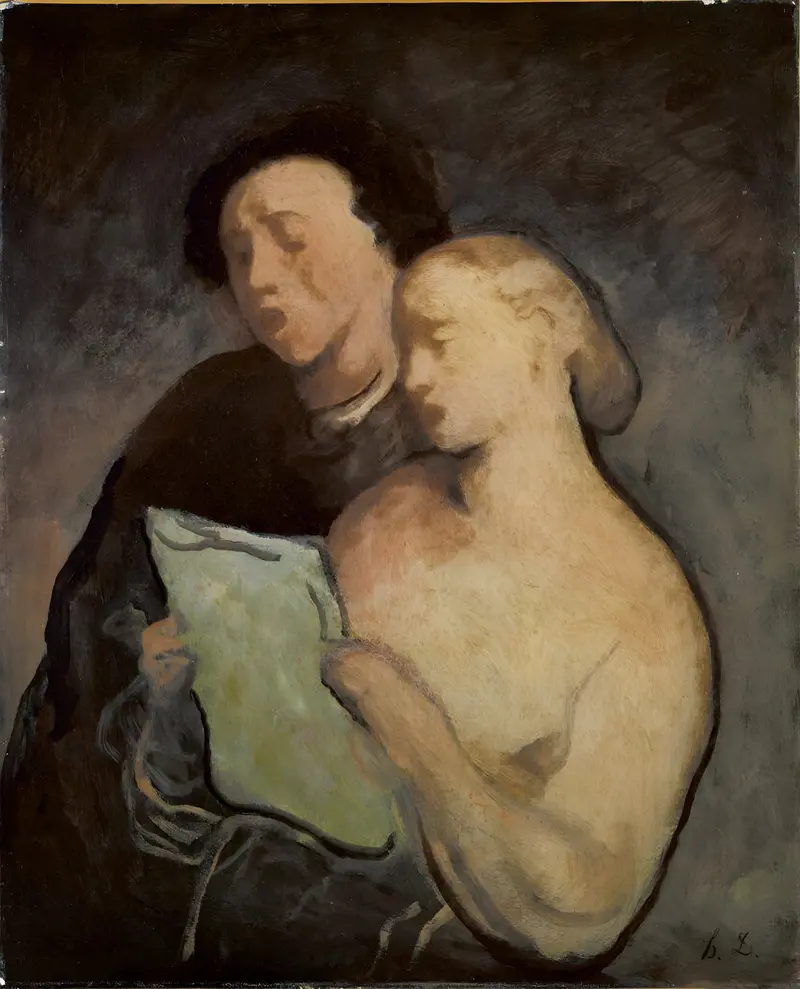
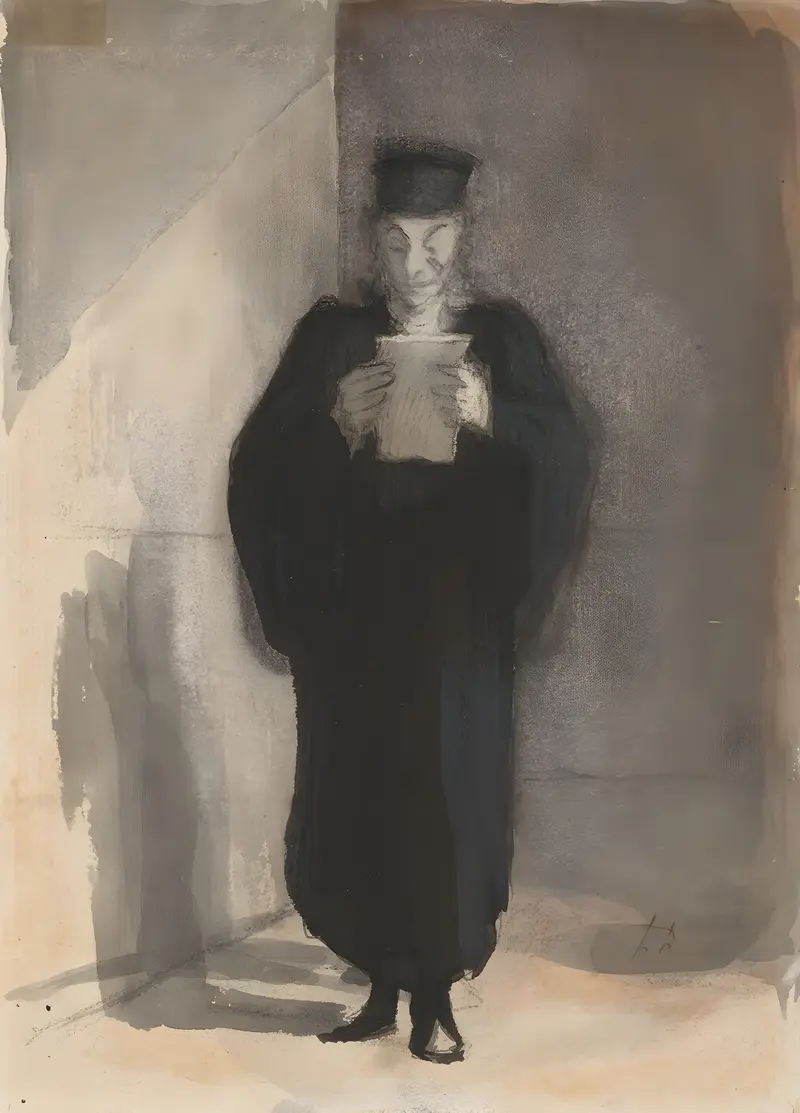
In Victor Hugo, Honoré Daumier presents a striking portrait of the famous French writer. The painting features a somber color palette dominated by dark tones, which highlights Hugo's serious expression. Daumier captures Hugo's distinctive features, including his prominent beard and intense gaze.
The background is minimal, focusing the viewer's attention on the subject's face and character. The painting is executed in oil on canvas, a medium that allows for rich texture and depth. Daumier's brushwork is expressive, contributing to the overall realism of the piece. The dimensions are approximately 60 x 80 cm, making it a substantial portrait that commands attention.
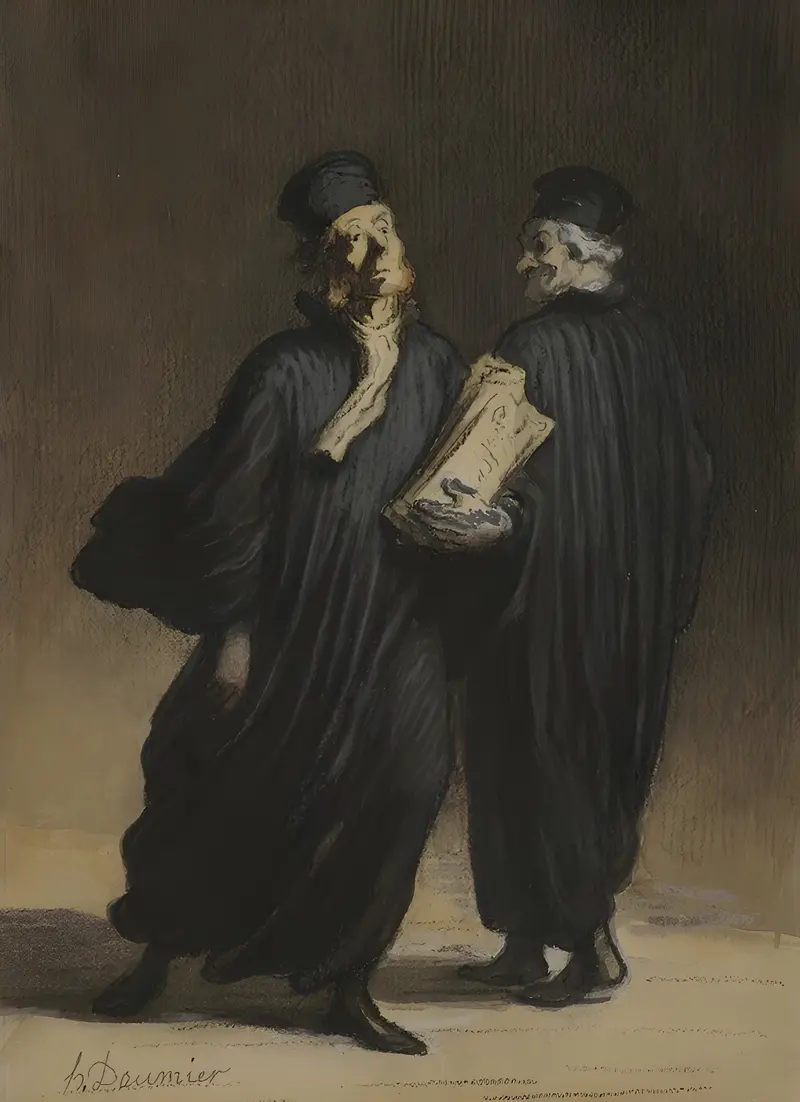
The use of light and shadow enhances the three-dimensionality of Hugo's face. Honoré Daumier was known for his satirical works and social commentary, but he also created significant portraits. This particular work was painted during the 1860s, a time when Hugo was a prominent figure in French literature and politics. An interesting fact about this painting is that it reflects Daumier's admiration for Hugo, who was not only a literary giant but also an advocate for social justice.
The portrait serves as a testament to the deep connection between art and literature in 19th-century France.