Victori Pacifico — History & Facts
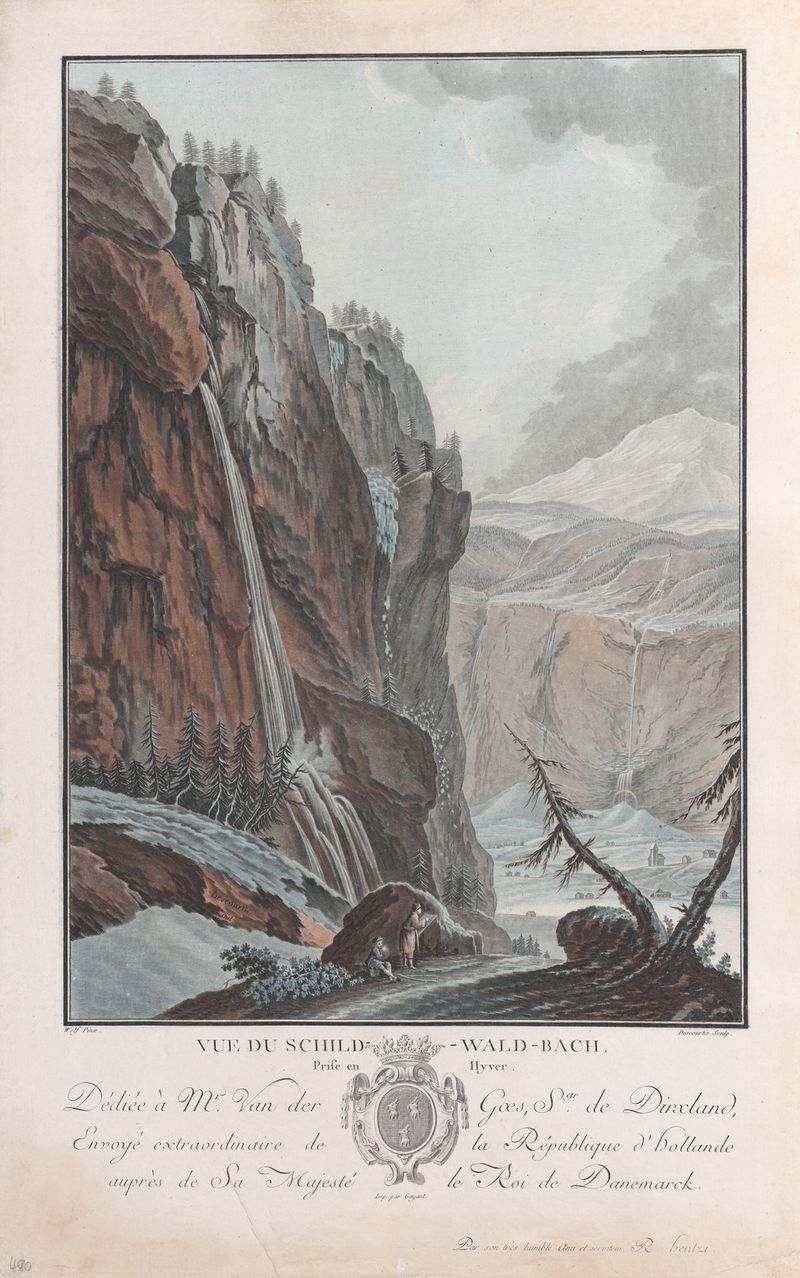
When did color learn to lie? In Victori Pacifico, the hues whisper of serenity while the heart aches with an undercurrent of isolation. Each brushstroke reveals a narrative that grapples with the paradox of beauty and solitude, inviting viewers to confront the loneliness that often lingers beneath the surface of life. Focus on the gentle curve of the figure's posture, draped with soft pastels that contrast with the starkness of the background. Look closely at the way light bathes the subject, illuminating their features yet casting long shadows, suggesting depth and unspoken longing.
The composition balances the warmth of colors with a sense of distance, framing a moment both intimate and profoundly detached, encapsulating the tension between visibility and invisibility. The juxtaposition of vibrant tones and the figure’s subdued expression delves into the complex emotions that arise from loneliness. Observe the delicate handling of fabric that appears inviting yet is paradoxically isolating, hinting at the dichotomy between external allure and internal despair. This emotional tension resonates throughout the work, urging a contemplation of solitude that is as beautiful as it is painful. In 1785, when this piece was created, Charles-Melchior Descourtis was navigating the vibrant yet tumultuous art scene of France.
His life coincided with an era of shifting sentiments, where the elegance of Rococo began to yield to the more somber tones of Neoclassicism. This painting reflects a moment of introspection for the artist, capturing the bittersweet essence of existence amid the evolving cultural landscape of his time.