Vue de la chute du torrent de Gelten — History & Facts
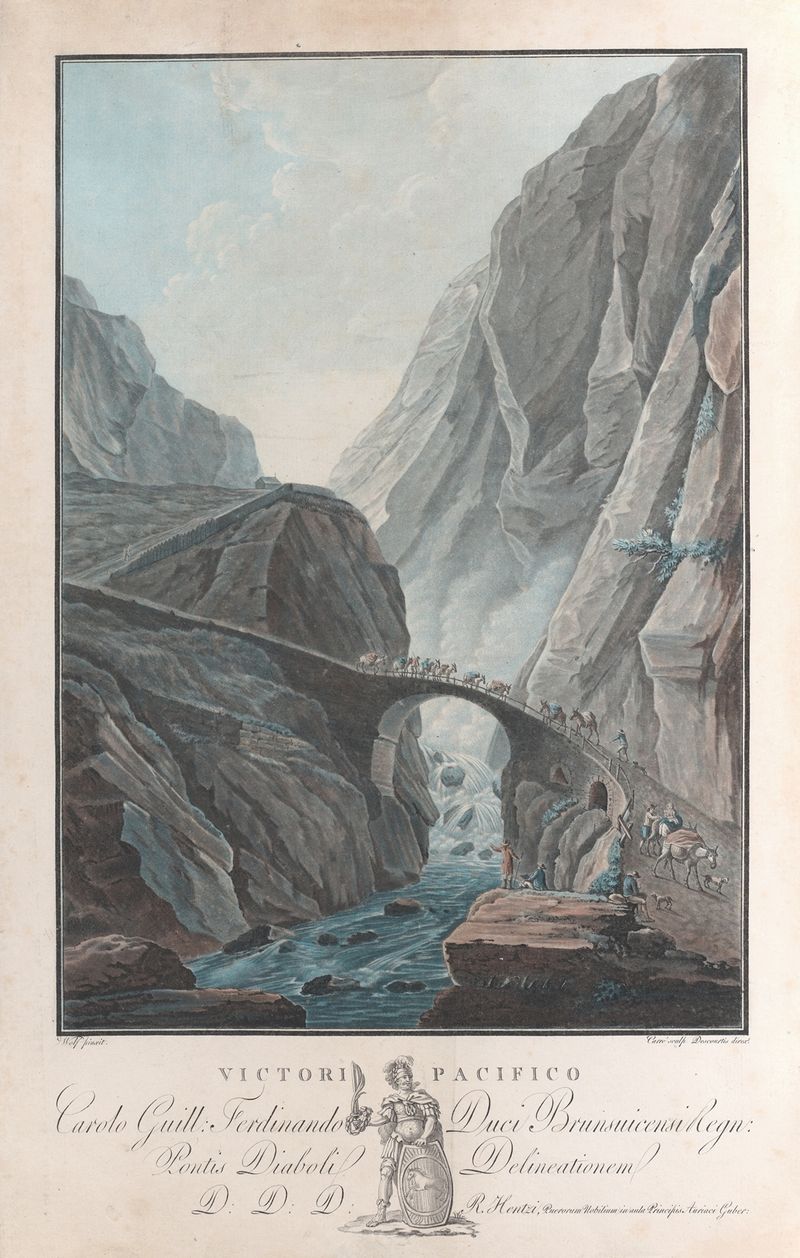
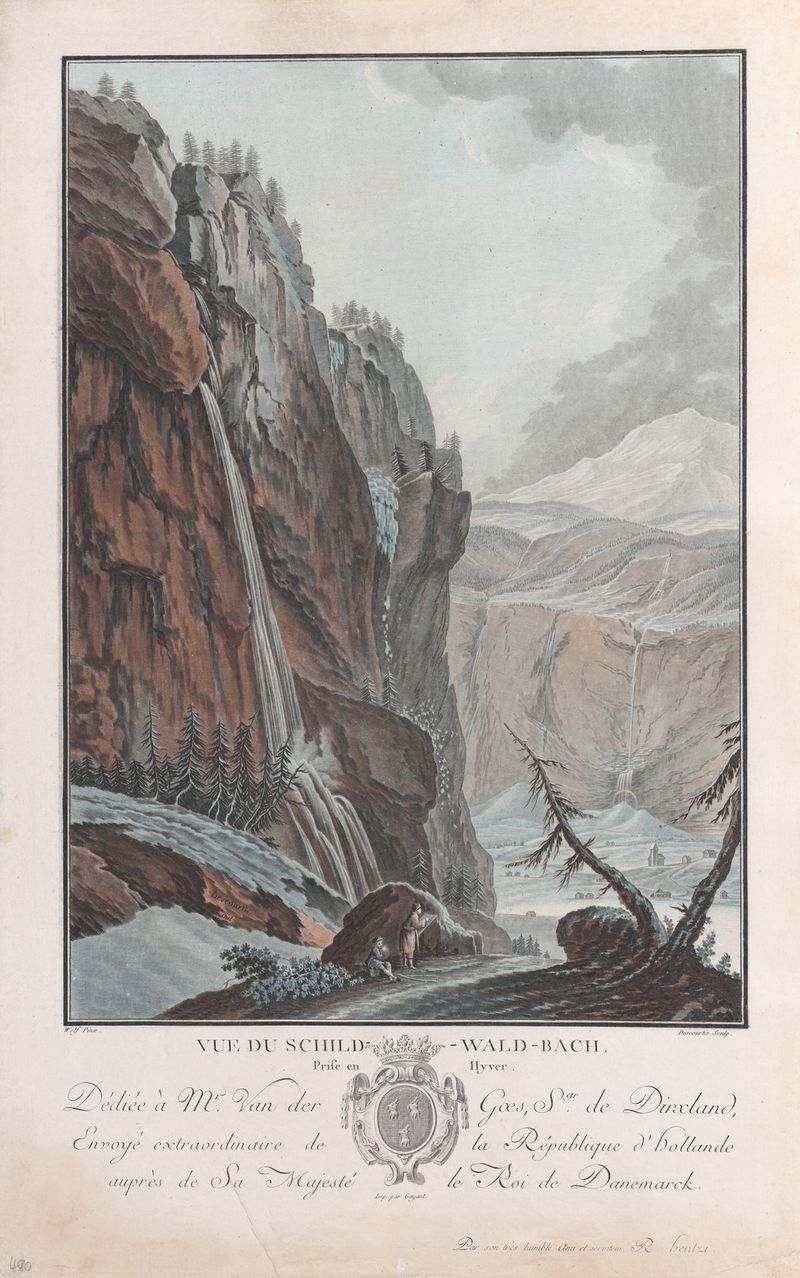
Can beauty exist without sorrow? In Vue de la chute du torrent de Gelten, the answer appears to be a resounding no, as the tumultuous cascade embodies both grandeur and a hint of despair. Look to the left, where the waterfall bursts forth with unrestrained energy, its frothy white crests contrasting against the deep greens and browns of the surrounding foliage. Notice how Descourtis masterfully captures the sunlight filtering through the trees, illuminating the scene while enhancing the sense of movement. The careful detailing of the rocks, each rendered with delicate brush strokes, invites the viewer’s eye deeper into the tumultuous beauty of nature, commanding attention toward the heart of this vibrant tableau. As you explore further, consider the interplay between the serene landscape and the overwhelming force of water.
The rigid cliffs, solid and unyielding, contrast sharply with the fluidity of the torrent, symbolizing the tension between stability and chaos. This duality evokes an internal struggle – a representation of the obsession with nature's raw power, echoing the tumult of human emotion intertwined with beauty. It is as if the viewer is forced to confront the inherent contradictions in their own experiences, a reminder that joy can often be shadowed by the specter of sorrow. Descourtis painted this work in 1785 during a time when the natural landscape was increasingly celebrated in art.
The Enlightenment was in full swing, and the artist was deeply influenced by the Romantic movement's growing emphasis on emotion and individualism. As he navigated his own artistic journey, Descourtis sought to depict not only the sublime beauty of nature but also the underlying tumult that lies within its depths.