Vue du Schildwald-Bach prise en hiver — History & Facts
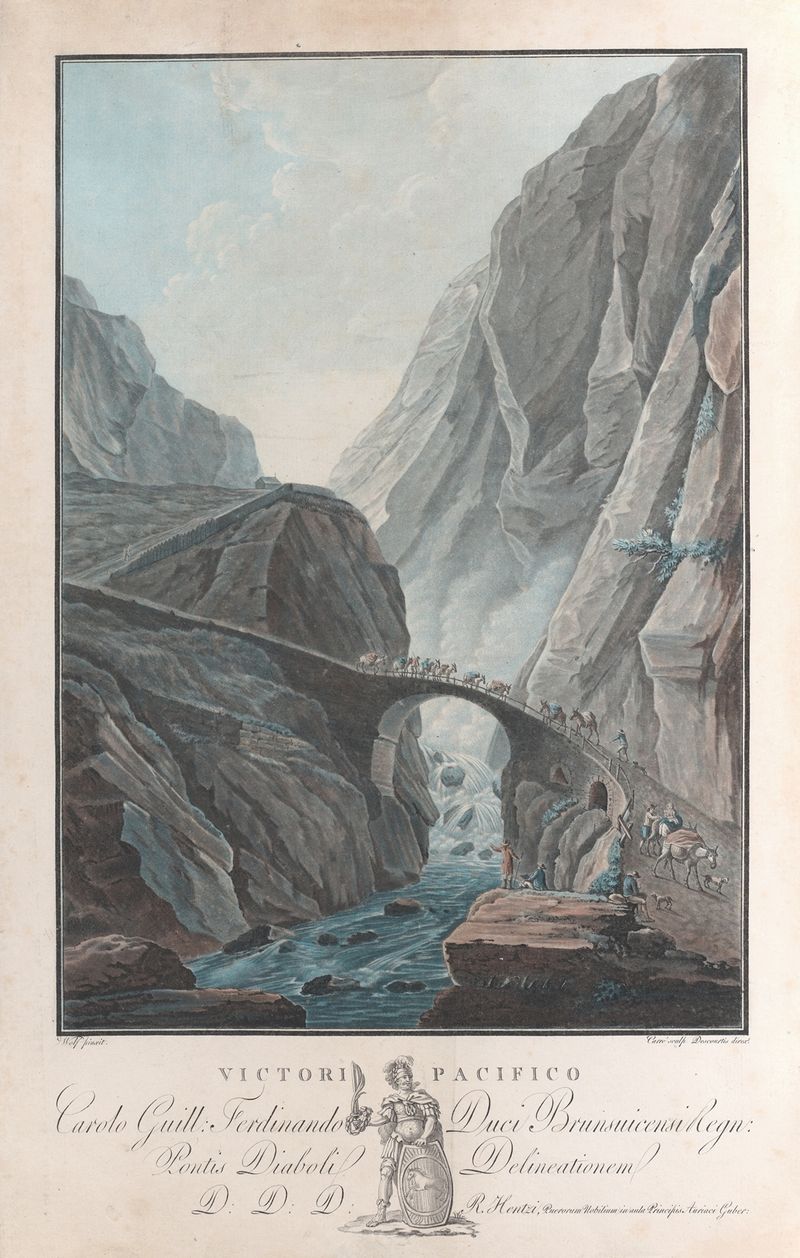
What secret hides in the quiet of the canvas? In the serene embrace of winter, a world is unveiled—one that speaks with a profound stillness, inviting contemplation and hidden revelations. Look to the center of the piece where the gentle curve of the Schildwald-Bach flows gracefully through the snow-draped landscape. Notice how Descourtis employs a delicate palette of whites and cool blues, allowing the icy tones to reflect the tranquility of winter. The gentle strokes create a soft texture in the snow, contrasting with the stronger, more defined shapes of the trees bordering the stream, drawing the viewer’s gaze toward the water’s edge, where shadows play on the surface. Beneath this tranquil exterior lies a rich tapestry of contrasts.
The serene surface of the stream juxtaposes the starkness of the surrounding trees, symbolizing the fragility of nature during the harsh winter months. The absence of human figures invites a meditative solitude, suggesting both isolation and peace. Each element—the stillness of the water, the weight of the snow—echoes the quiet resilience of life, as if nature itself is holding its breath, waiting for the warmth of spring. In 1785, Charles-Melchior Descourtis painted this piece during a time of personal reflection following his return to France after a period in Italy.
The French art scene was evolving, embracing Romanticism, yet Descourtis chose to capture the contemplative beauty of the landscape. This choice reveals not only his technical prowess but also a yearning for deeper connection to nature amidst the changing tides of artistic expression.