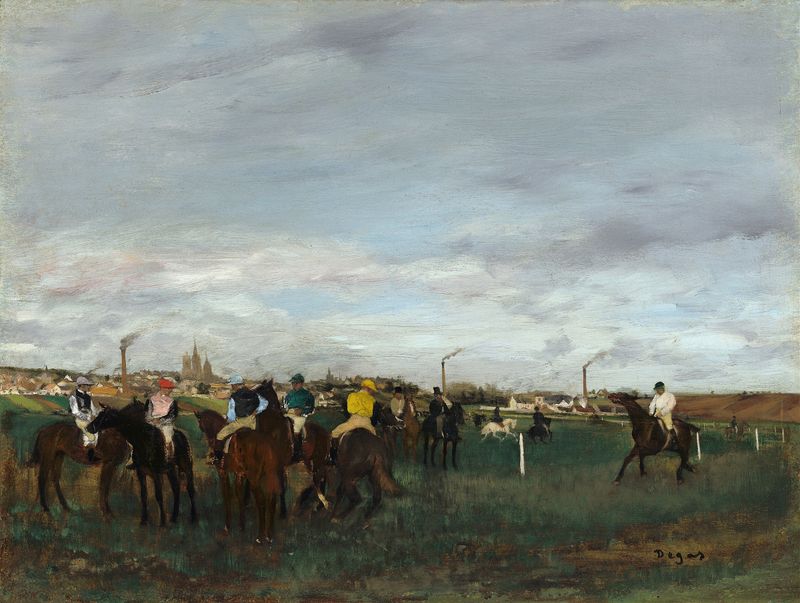
Vier paarden — History & Facts
Could beauty survive in a century of chaos? In Vier paarden, Hans Sebald Beham captures the poignant intersection of grace and tumult, revealing the fragile yet enduring essence of art amid disarray. Begin your exploration by looking to the left, where four horses stand in graceful stillness. Notice the elegance of their forms, each muscle and sinew defined with meticulous detail. The artist’s deft use of ink creates a sweeping contrast between the dark, rich lines of the horses and the lighter, textured background.
This interplay of light and shadow invites the viewer’s gaze to dance across the canvas, highlighting the animals' strength and vulnerability simultaneously. As you delve deeper, observe the subtle expressions on the horses' faces. Their wide eyes betray a sense of awareness, perhaps apprehension, hinting at an underlying tension. The serene posture of their bodies juxtaposed with their anxious gazes reflects the melancholic atmosphere of the era.
This duality points to a broader commentary on the human condition—how beauty, in its most pure form, can exist alongside the turmoil of the world, even as it is tinged with sadness. Beham created this work between 1510 and 1550, during a time marked by profound upheaval in Europe, as the Renaissance began to flourish amidst political and religious strife. Known for his intricate engravings, he found himself in a cultural environment ripe for innovation yet fraught with uncertainty. This setting undoubtedly influenced his exploration of beauty and melancholy, as he sought to preserve the elegance of nature in a world seemingly devoid of peace.
More Artworks by Hans Sebald Beham
Browse all →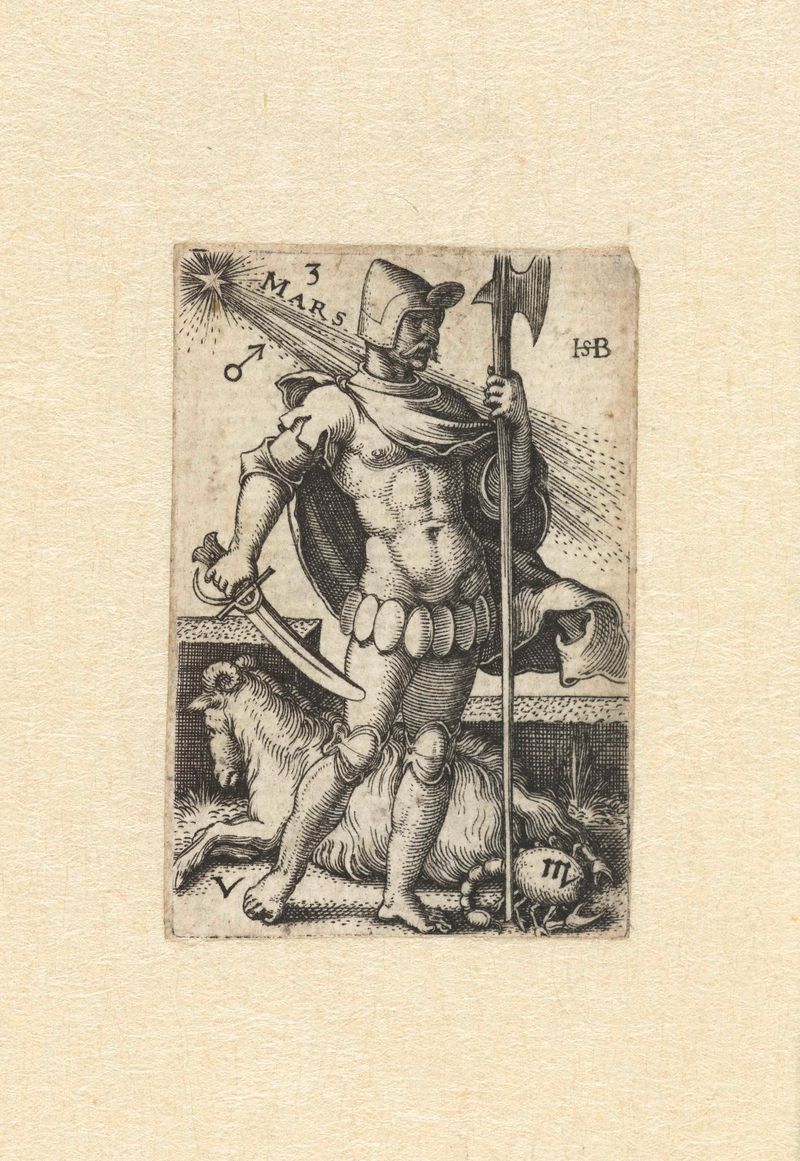
Mars met sterrenbeelden Ram en Schorpioen
Hans Sebald Beham

Achilles in gevecht met Hector
Hans Sebald Beham
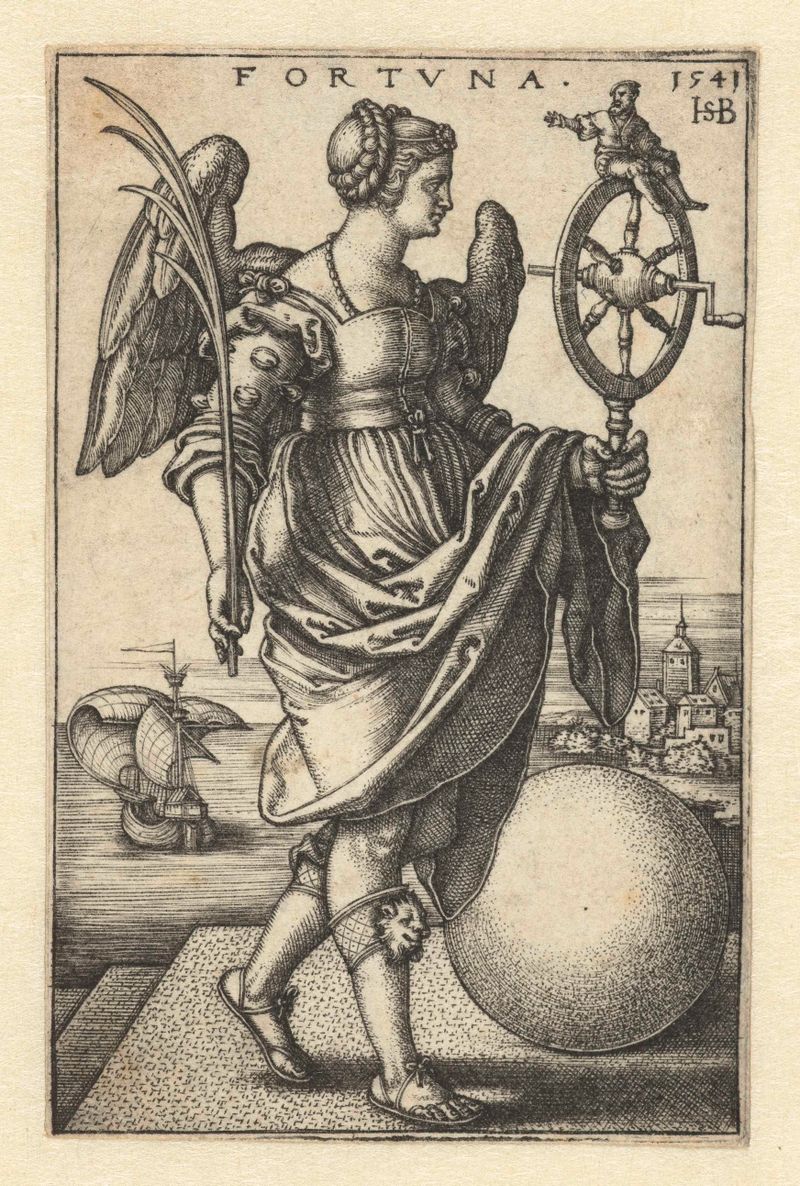
Fortuna
Hans Sebald Beham

Hercules worstelt met Antaeus
Hans Sebald Beham

Twee muzikanten met schalmey en doedelzak
Hans Sebald Beham

Voorzichtigheid (Prudentia)
Hans Sebald Beham

Hercules in gevecht met de Trojanen
Hans Sebald Beham
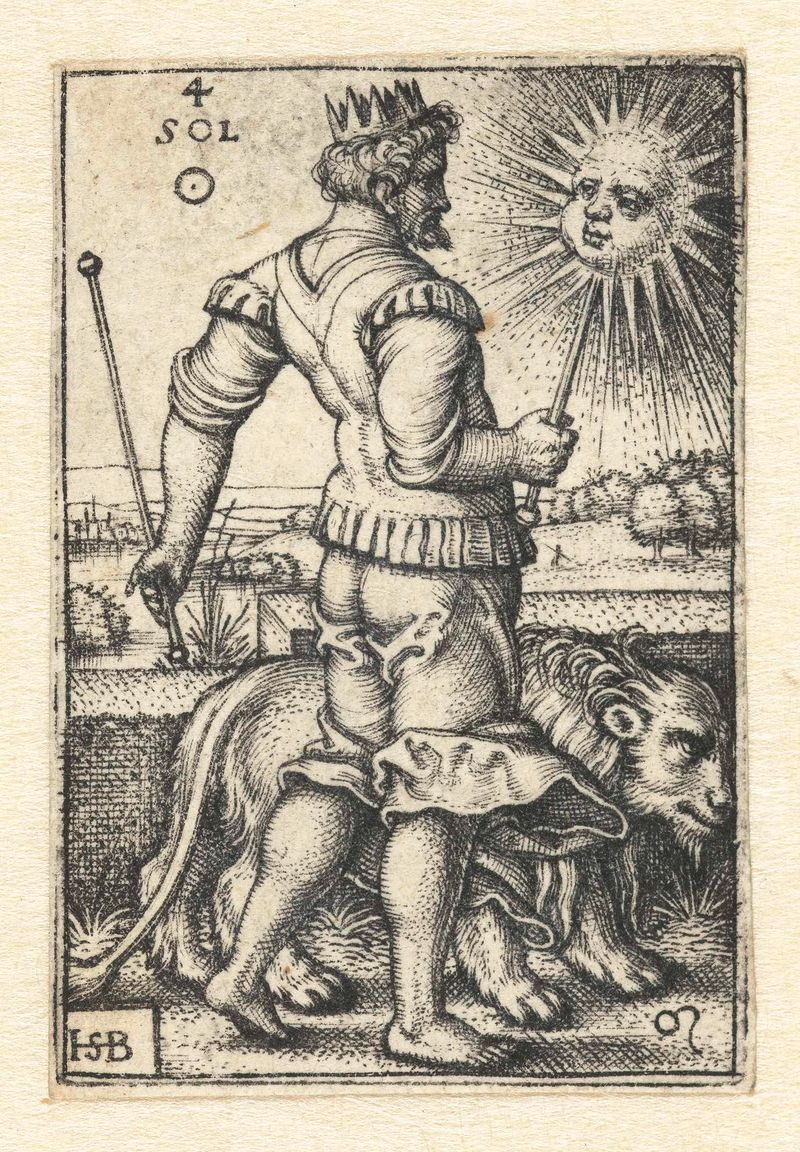
Apollo (Sol) met sterrenbeeld Leeuw
Hans Sebald Beham
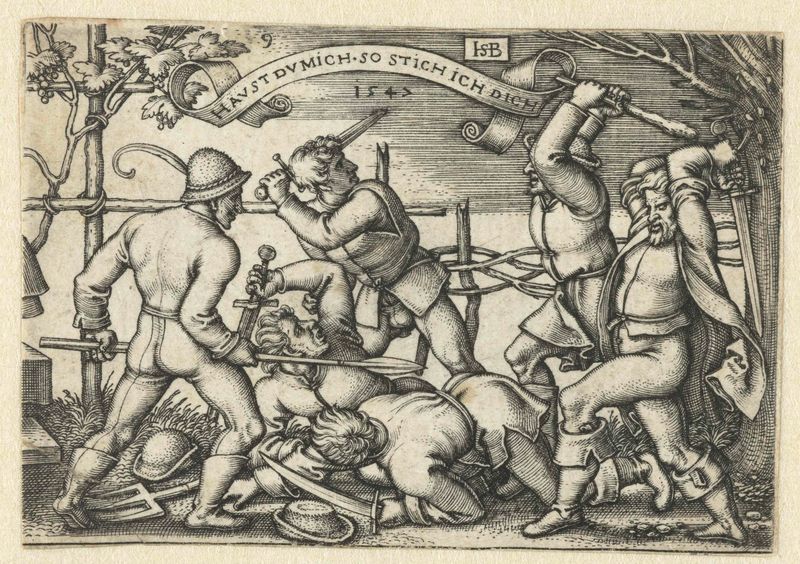
Vechtende boeren met zwaarden
Hans Sebald Beham
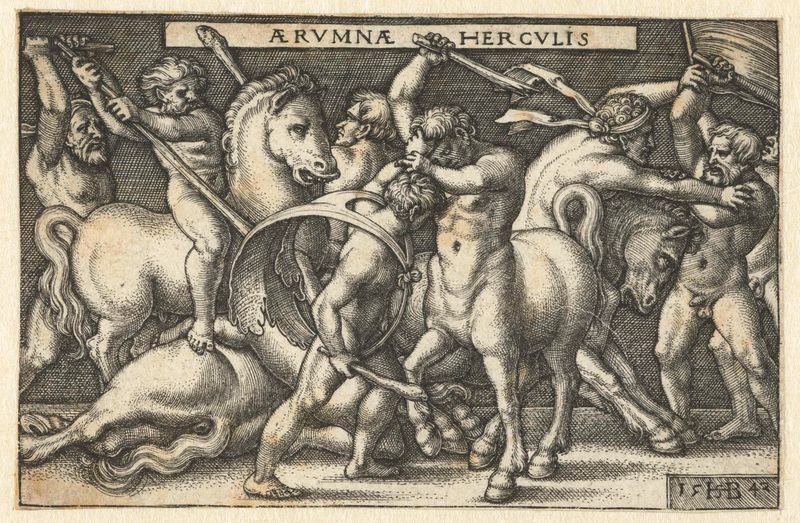
Hercules in gevecht met centaurs
Hans Sebald Beham