
Vierde profeet — History & Facts
What if silence could speak through light? In Vierde profeet, shadows converse with illumination, creating a dialogue that unfolds the layers of human experience and divine mystery. Look to the center, where the figure of the prophet stands, draped in rich, jewel-toned robes that catch the ambient light. The delicate interplay of textures in the fabric draws the viewer’s eye, inviting closer inspection. Notice how the luminescence seems to emanate from within the figure, casting a gentle glow that contrasts with the muted tones of the background.
This contrast emphasizes not only the prophet's significance but also the ethereal quality of the moment captured, as if the world around him is both present and fading. Delve deeper into the details: the prophet's gaze, both piercing and contemplative, speaks of wisdom acquired through solitude. The intricately rendered hands, poised in gesture, suggest a silent proclamation of truth, hinting at the weight of knowledge he carries. The subtle yet powerful use of light creates an illusion of depth and space, where the divine meets the earthly, fostering a tension between the seen and unseen—a reminder of the complexity of faith and understanding. Created between 1473 and 1477, this piece emerged during a transformative period for the artist, who worked in Amsterdam amidst a flourishing artistic community.
The rise of humanism and a renewed interest in biblical narratives influenced the creation of such works, blending traditional religious themes with emerging techniques in realism and expression. The prophet thus stands not just as a character, but as an emblem of a time when art began to explore the depths of human emotion and belief with unprecedented clarity.
More Artworks by Meester van het Amsterdamse Kabinet
Browse all →
De Heilige Familie bij de rozenstruik
Meester van het Amsterdamse Kabinet

Hertenjacht
Meester van het Amsterdamse Kabinet
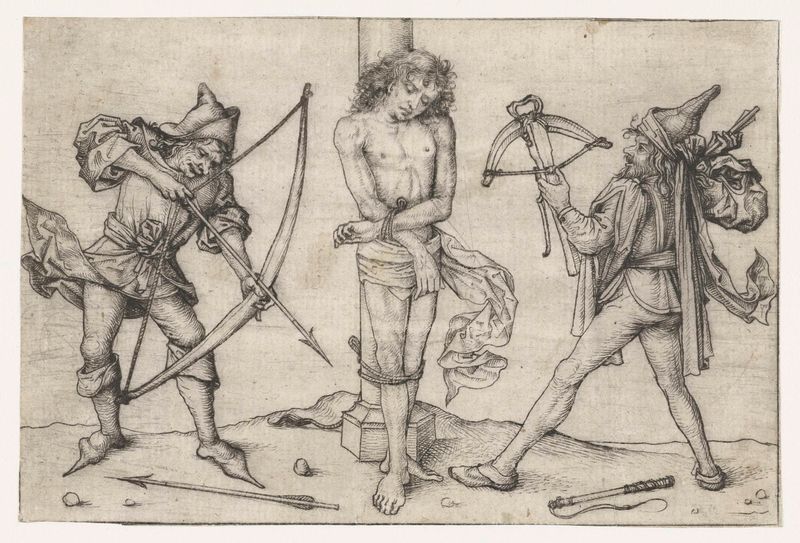
Heilige Sebastiaan met boogschutters
Meester van het Amsterdamse Kabinet

Het lichaam van Christus ondersteund door twee engelen
Meester van het Amsterdamse Kabinet

Heilige Anna-te-Drieën
Meester van het Amsterdamse Kabinet

Heilige Barbara (grote versie)
Meester van het Amsterdamse Kabinet
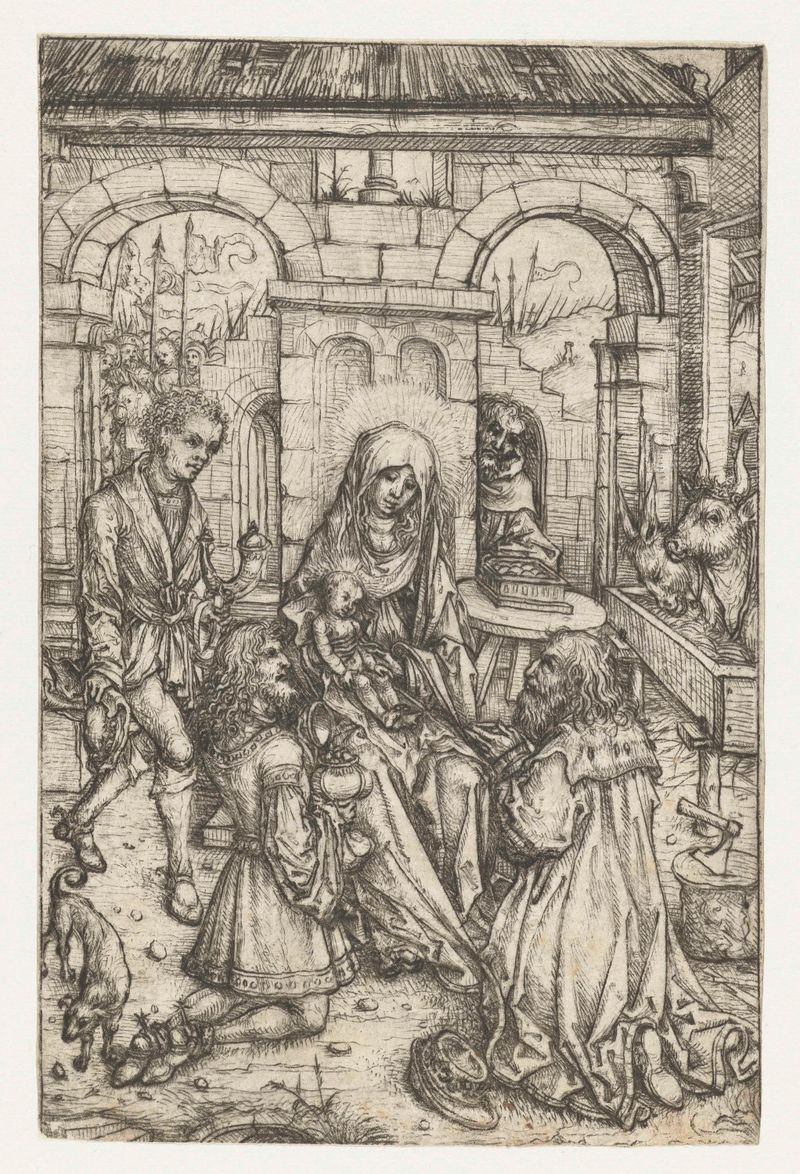
Aanbidding der koningen
Meester van het Amsterdamse Kabinet
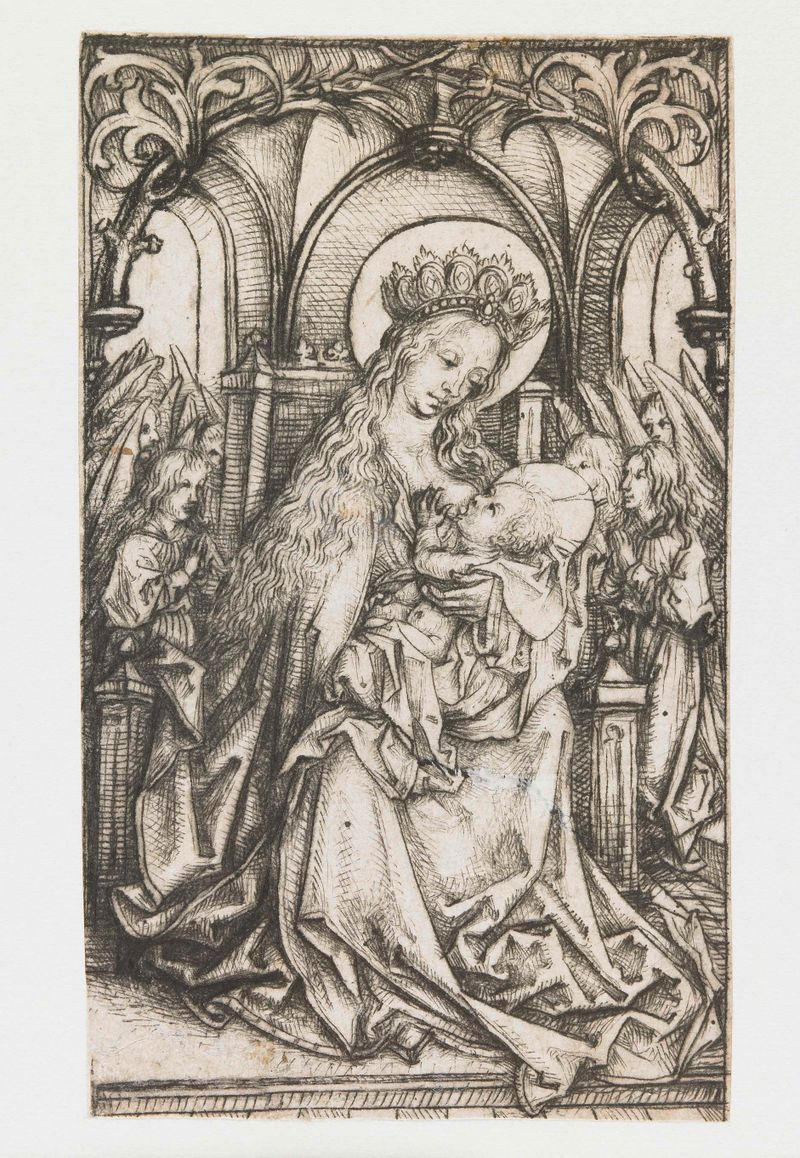
Tronende Madonna door engelen aanbeden
Meester van het Amsterdamse Kabinet

Het zegenend Christuskind
Meester van het Amsterdamse Kabinet
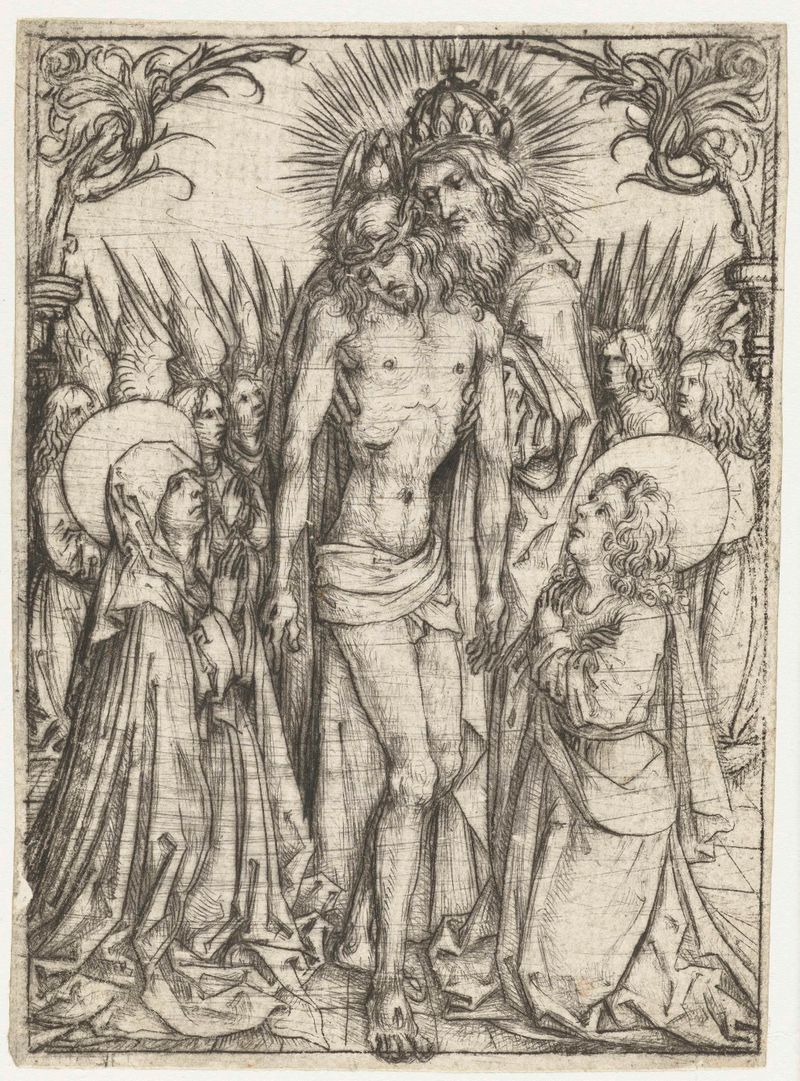
Aanbidding van de Heilige Drieëenheid door Maria, Johannes de Evangelist en engelen
Meester van het Amsterdamse Kabinet
More Religious Art
Browse all →
The Return of the Prodigal Son
Rembrandt van Rijn

The Garden of Earthly Delights
El Bosco

Count Orgaz’ funeral
El Greco

The Hundred Guilder Print: the central piece with Christ preaching, the plate arched
Rembrandt van Rijn

The Descent from the Cross
Rogier van der Weyden

The return of the prodigal son
Rembrandt van Rijn