
Vierwaldstättersee — History & Facts
Can beauty exist without sorrow? In Vierwaldstättersee, the shimmering waters cradle a poignant duality, inviting reflection on the balance between tranquility and turmoil. Look to the center of the canvas where the lake stretches like a mirror, capturing the surrounding mountains in a breathtaking embrace of blues and greens. The light dances across the water’s surface, accentuating the delicate brushwork that Herzog employs to evoke a sense of fluid motion. Notice how the deep, solid peaks contrast starkly with the gentle ripples below, creating a dialogue between the permanence of nature and the fleeting moments of life. Here, the emotional tension lies in the juxtaposition of serenity and the looming presence of the rugged terrain.
The mountains, steadfast and formidable, suggest challenges that are ever-present in the background. Meanwhile, the ethereal glow of the evening sky hints at ephemeral beauty, drawing the viewer into a contemplative state. This balance of contrasting elements speaks to the complexity of existence, where joy often coexists with the shadow of sorrow. In 1882, Herzog painted this masterpiece while living in the United States, reflecting his expressive style that merged Romanticism with impressionistic techniques.
At this time, he was exploring themes of nature's grandeur and emotional depth, influenced by the new art movements emerging in Europe. The work captures not only the breathtaking landscape of the Vierwaldstättersee but also Herzog's quest to convey the profound relationship between beauty and the human experience.
More Artworks by Hermann Ottomar Herzog
Browse all →
Snow-Capped Peaks
Hermann Ottomar Herzog
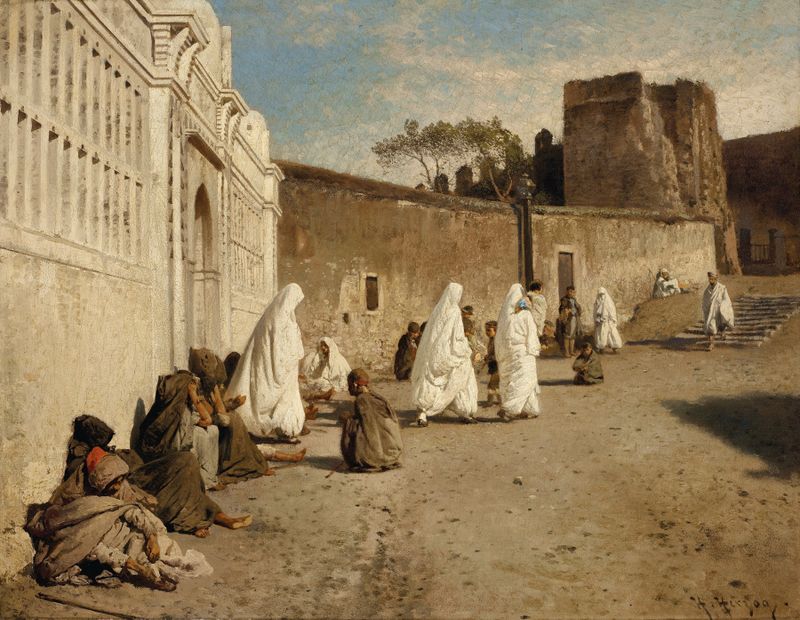
Entrance into the Alhambra, Spain
Hermann Ottomar Herzog

Hafen in Ostende
Hermann Ottomar Herzog
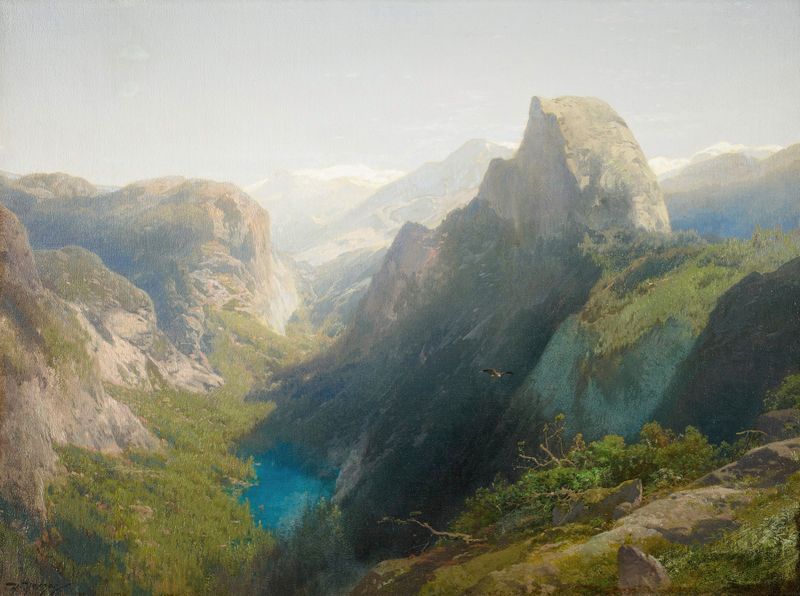
Mirror Lake, Yosemite
Hermann Ottomar Herzog
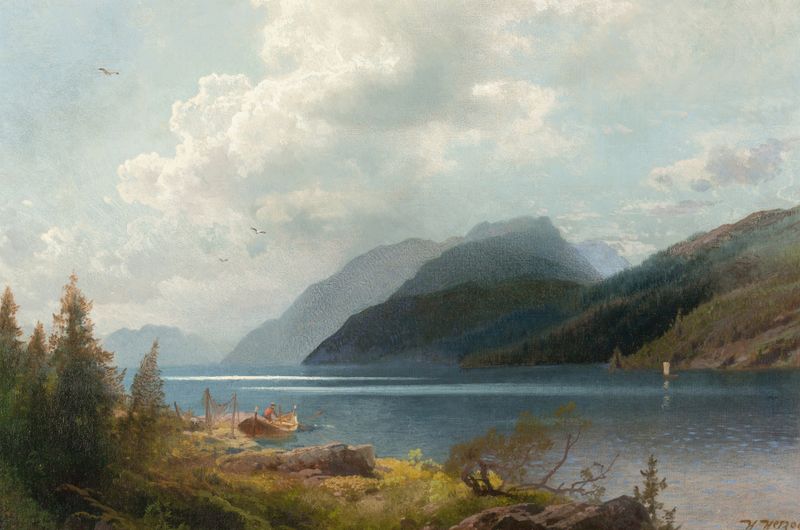
Mountain Lake, Sagne Fjord, Norway
Hermann Ottomar Herzog
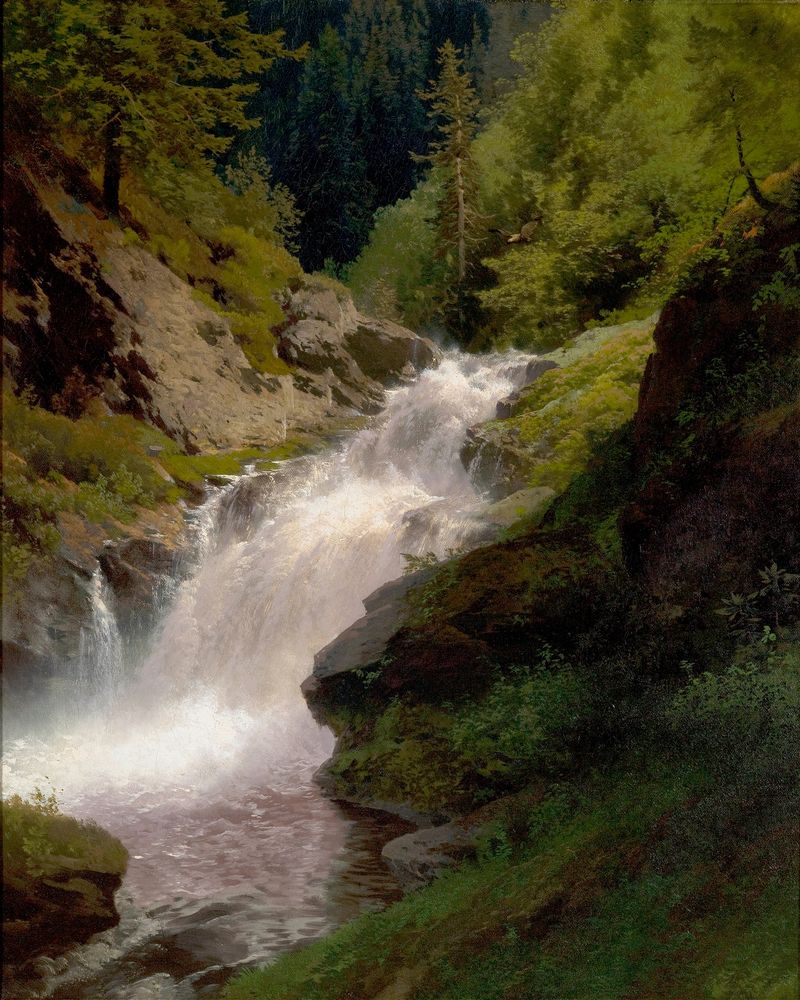
Winona Falls
Hermann Ottomar Herzog
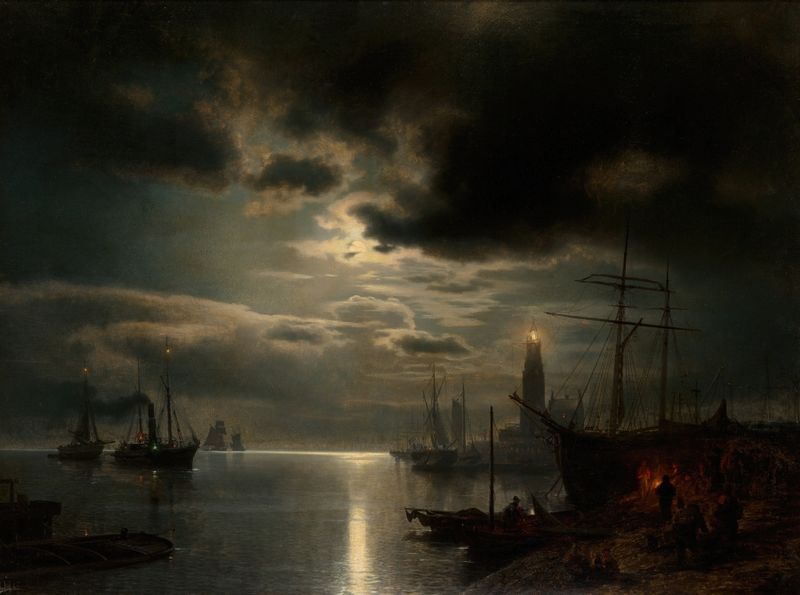
A Moonlit Harbor
Hermann Ottomar Herzog
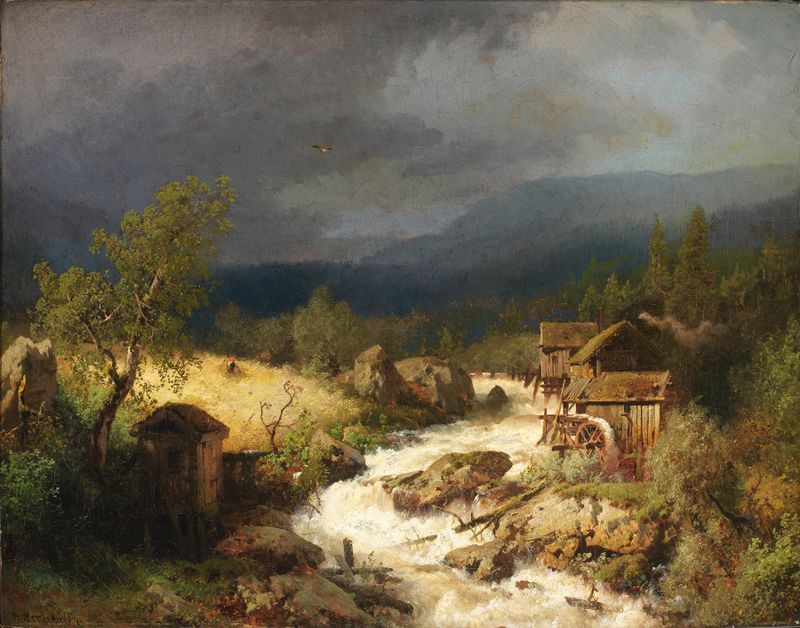
Mill on a Torrent
Hermann Ottomar Herzog

The Rippling River
Hermann Ottomar Herzog

Alpine Landscape Mountain Hut
Hermann Ottomar Herzog





