View from Nature — History & Facts
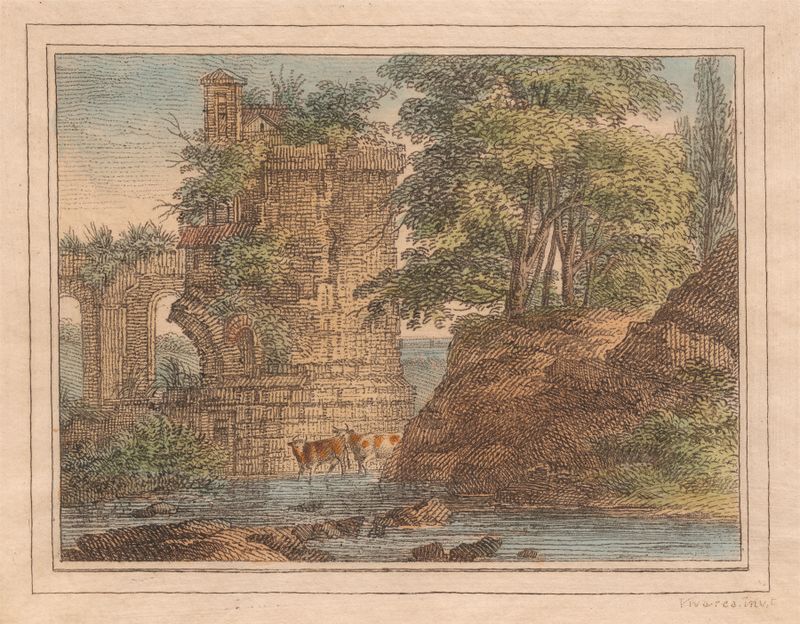
Can beauty exist without sorrow? In the delicate harmony of existence, this question lingers, inviting reflection on the balance between joy and melancholy. Focus on the lush landscape that unfolds in the painting, where verdant greens interplay with the soft, golden hues of twilight. Look to the left, where a solitary tree reaches for the sky, its branches stretching in an embrace that feels both inviting and forlorn. The gentle brushstrokes invite the viewer to wander through the scene, while the varied shades create a rhythmic melody, highlighting the intricacies of nature and evoking an emotional response. Delve deeper into the contrasts present in the composition: the vibrant life of the flora juxtaposed with the subtle hints of decay lurking in the shadows.
This duality suggests a meditation on transience, as the artist captures the moment before dusk, when light begins its retreat. Each element is deliberately placed, hinting at the interconnectedness of life's beauty and its inevitable decline, thus asking us to contemplate the weight of our own experiences. Created at an indeterminate time, the artist was likely influenced by a world poised at the brink of transformation, reflecting a spectrum of emotions within their work. As new movements emerged in art, they were exploring themes of nature and its emotional resonance, seeking balance between the seen and the unseen, the joy of creation, and the poignancy of passing time.